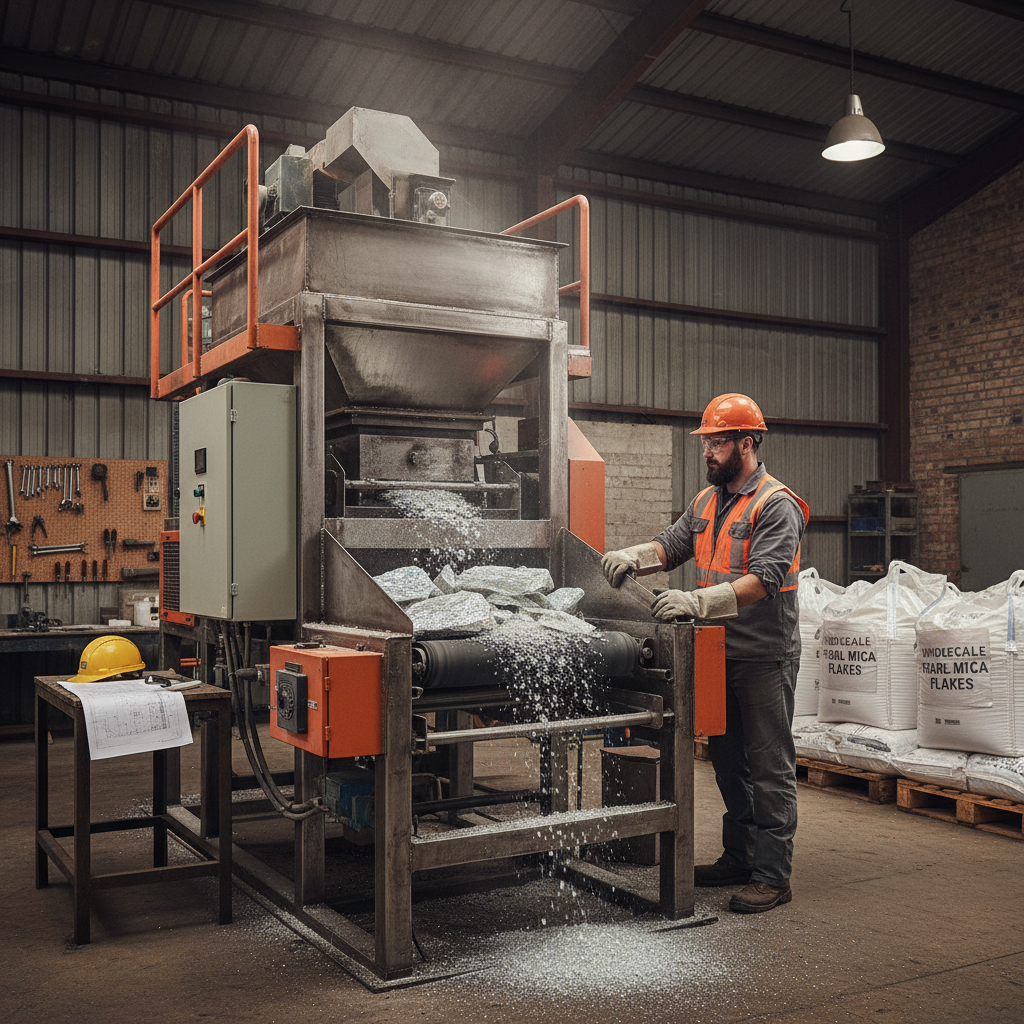
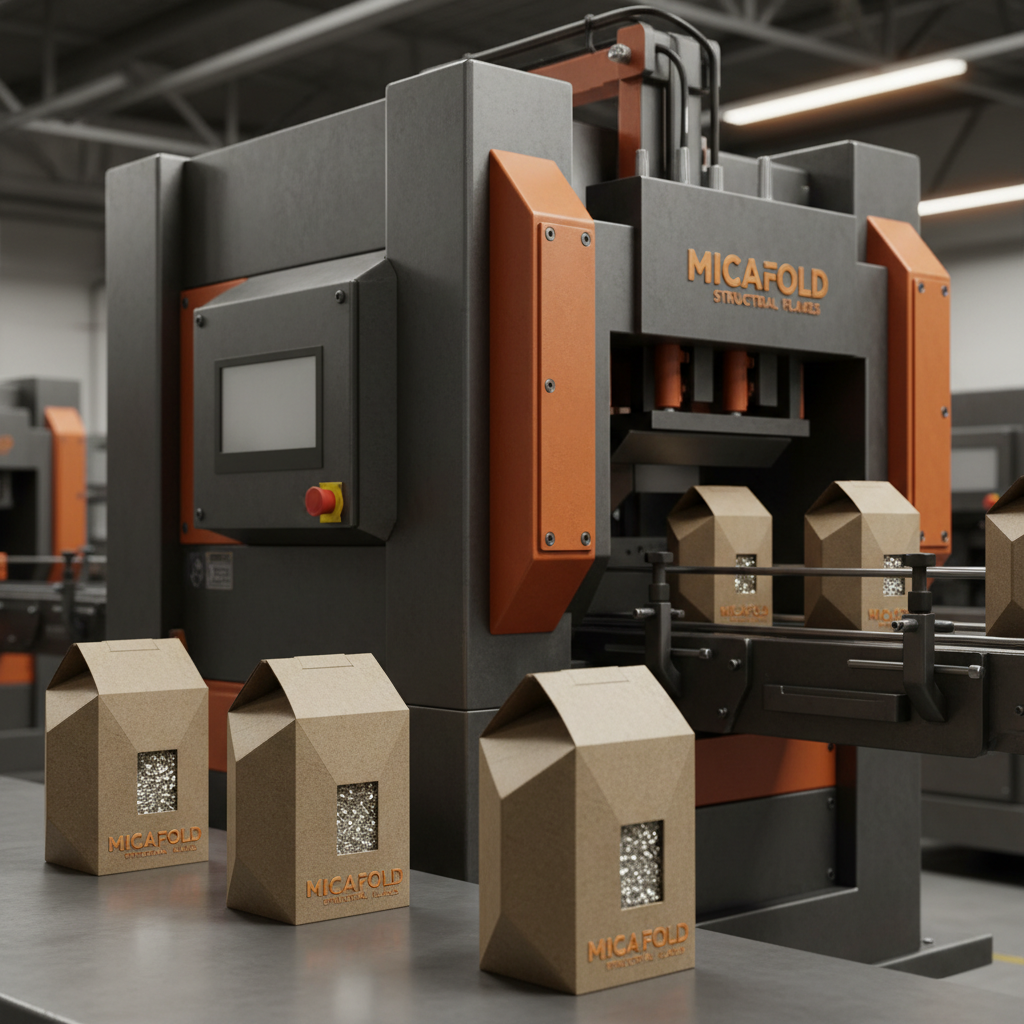
Mica price, a seemingly niche topic, is profoundly interwoven with global industries ranging from cosmetics and electronics to construction and automotive. The demand for mica, particularly in its powdered form, is driven by its unique properties – its pearlescent luster, dielectric strength, and resistance to heat and chemicals. Understanding the fluctuations in mica price is crucial for businesses reliant on this mineral, impacting product costs, profit margins, and overall competitiveness. Furthermore, ethical concerns surrounding mica sourcing, especially in regions like India and Madagascar, have brought increased scrutiny to supply chains and prompted demands for greater transparency and fair pricing.
The global mica market is complex, influenced by geopolitical factors, mining regulations, and evolving consumer preferences. Recent years have seen increased volatility in mica price due to disruptions in supply, rising transportation costs, and growing awareness of child labor issues. This instability presents challenges for manufacturers who depend on a consistent and affordable supply of mica. Accurate data and analysis of mica price trends are essential for proactive risk management and informed purchasing decisions.
Ultimately, a firm grasp of the dynamics driving mica price empowers stakeholders across the value chain – from miners and processors to end-users – to navigate market uncertainties, promote sustainable practices, and ensure responsible sourcing. The rise of synthetic mica alternatives also plays a role, influencing natural mica price points and creating competitive pressures within the industry.
The Global Relevance of mica price
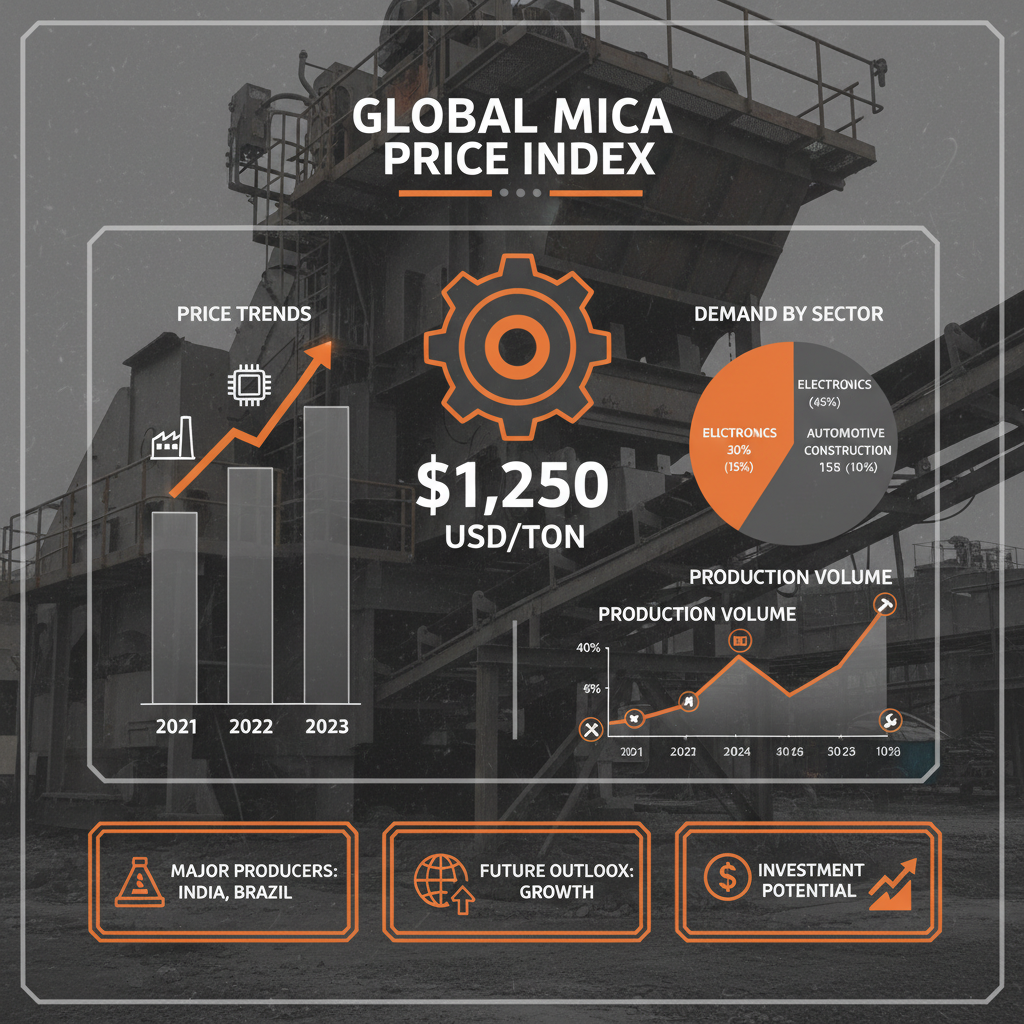
The relevance of mica price extends far beyond simple commodity trading. Global production of mica is concentrated in a few key regions, notably India, Russia, and China, making these areas particularly sensitive to price fluctuations and geopolitical shifts. According to the United Nations Comtrade database, the value of exported mica has seen a consistent upward trend in the past decade, reflecting growing demand. Understanding these regional dynamics is critical for predicting future price movements and ensuring supply chain resilience.
A major challenge associated with mica price is the often-unregulated and informal nature of mining operations, particularly in developing countries. This leads to issues like child labor, unsafe working conditions, and environmental degradation, all of which contribute to volatile pricing. Organizations like the Responsible Minerals Initiative (RMI) are working to address these ethical concerns and promote responsible sourcing, but significant progress is still needed to establish a transparent and sustainable mica supply chain, which will influence the long-term mica price.
Defining mica price
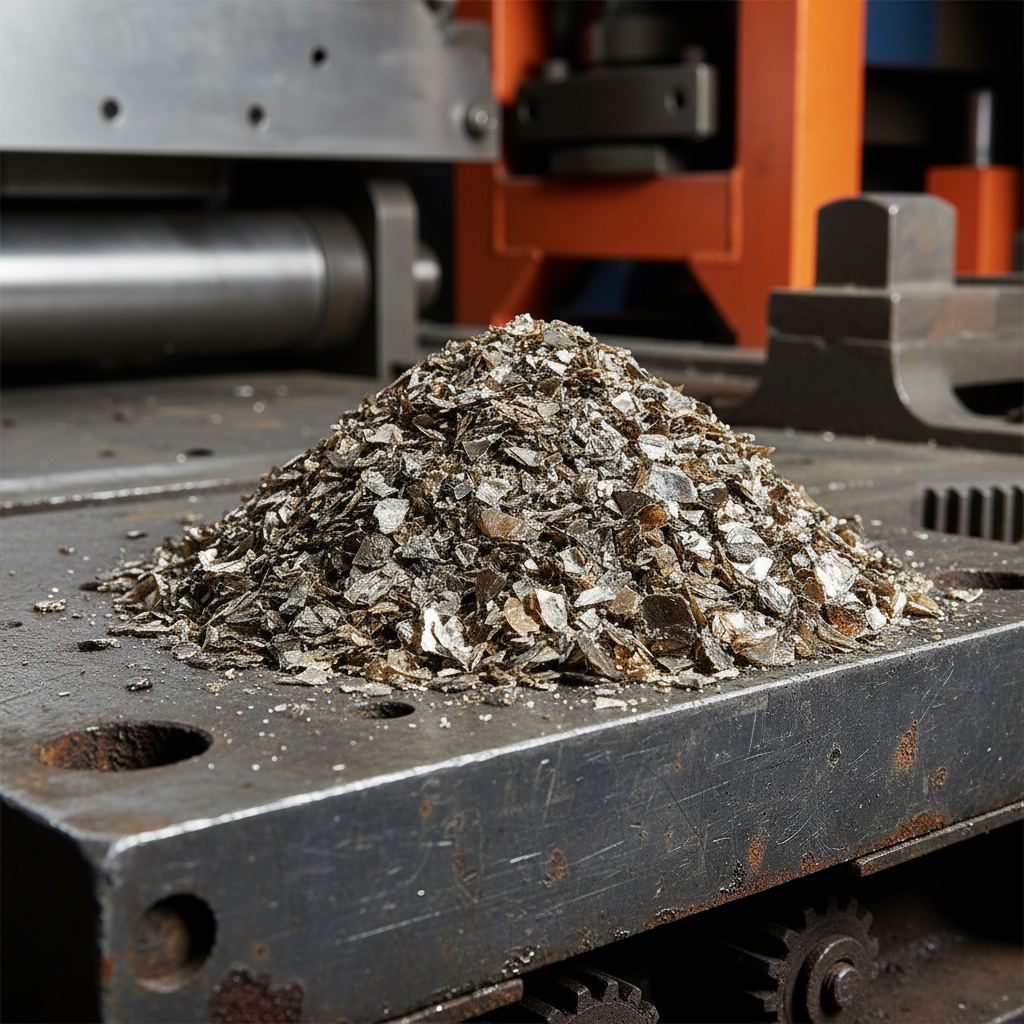
Mica price, in its simplest form, represents the cost at which this silicate mineral is bought and sold in the market. However, the actual price is far from uniform. It’s heavily influenced by the grade of mica (muscovite, phlogopite, biotite, etc.), its particle size (ranging from coarse flakes to ultra-fine powder), its purity, and the quantity being purchased. Different industries require different grades and particle sizes, leading to a tiered pricing structure.
The connection to modern industry is undeniable. Mica’s unique properties make it indispensable in various applications. In the electronics industry, mica serves as an excellent insulator in capacitors, high-voltage components, and microwave devices. In cosmetics, its pearlescent sheen is used in makeup and skincare products. In the construction industry, mica is added to paints and coatings to improve durability and weather resistance. Consequently, changes in these industries directly impact demand and, subsequently, mica price.
Furthermore, the increasing focus on sustainable and ethically sourced materials has led to a 'premium' being placed on mica that can be demonstrably traced back to responsible mining operations. This 'ethical premium' contributes to a widening gap between the price of responsibly sourced mica and that from unregulated sources.
Key Factors Influencing mica price
Several key factors contribute to the fluctuating mica price. Supply and Demand is arguably the most significant. Increased demand from burgeoning electronics and automotive sectors, coupled with supply disruptions caused by weather events or mining regulations, can quickly drive up prices. Mining Costs are another crucial element. Labor costs, energy prices, and extraction complexity all impact the overall cost of production.
Geopolitical Stability in major producing regions plays a critical role. Political unrest or trade restrictions can disrupt supply chains and create price volatility. Transportation Costs also exert a substantial influence, particularly for bulky commodities like mica. Rising fuel prices and logistical challenges can significantly increase the landed cost of mica, influencing the final price paid by consumers.
Finally, Environmental Regulations and Ethical Sourcing are becoming increasingly important drivers of mica price. The growing demand for responsibly sourced mica, free from child labor and environmental damage, is creating a premium market segment and influencing overall pricing trends. Companies willing to pay a premium for ethical sourcing are helping to shift the industry towards more sustainable practices.
Global Applications of mica price
The applications of mica, and thus the influence of its price, span a diverse range of industries. The electronics industry is a major consumer, using mica in capacitors, insulators, and other crucial components. A rise in mica price directly impacts the cost of manufacturing these electronic devices. The automotive industry utilizes mica in paints, coatings, and sound dampening materials, making automotive manufacturers sensitive to mica price fluctuations.
In the cosmetics industry, mica provides a shimmering effect in makeup and skincare products. This industry’s demand is substantial, and cosmetic companies must carefully manage mica price to maintain profit margins. The construction industry incorporates mica into paints and coatings to enhance durability and weather resistance, influencing building material costs.
These applications are globally distributed. Demand is particularly strong in Asia-Pacific, driven by rapid industrialization and a growing consumer base. Europe and North America also represent significant markets for mica, with a greater emphasis on ethically sourced materials. For example, in post-disaster relief operations, mica-based coatings can provide protective layers on temporary shelters, while in remote industrial zones, mica’s insulating properties are vital for maintaining equipment functionality.
mica price Sensitivity by Application
Advantages and Long-Term Value of Understanding mica price
A thorough understanding of mica price provides significant advantages. Cost Control is paramount. By accurately predicting price trends, businesses can optimize purchasing strategies, negotiate better deals, and minimize exposure to price volatility. This translates into improved profitability and stronger financial performance.
Supply Chain Resilience is another crucial benefit. Knowledge of mica price dynamics allows companies to diversify their sourcing options, identify alternative suppliers, and build buffer stocks, mitigating the risk of supply disruptions. Furthermore, understanding the ethical implications of mica sourcing fosters brand reputation and builds trust with consumers who increasingly demand responsible products.
Future Trends in mica price
The future of mica price is poised to be shaped by several emerging trends. The growth of the electric vehicle (EV) market will likely drive increased demand for mica, as it's a critical component in EV batteries and electrical systems. This increased demand could put upward pressure on mica price. The development of synthetic mica alternatives is also gaining momentum, offering a potential substitute for natural mica and influencing price competition.
Increasing scrutiny of supply chain transparency and traceability will continue to drive demand for ethically sourced mica, potentially creating a two-tiered pricing structure with a premium for responsible sourcing. The adoption of blockchain technology for tracking mica from mine to market could enhance transparency and build trust, further impacting price dynamics.
Finally, advancements in mining technologies that improve efficiency and reduce environmental impact could lower production costs and stabilize mica price.
Challenges and Solutions in mica price Management
Despite the increasing awareness of mica price dynamics, several challenges remain. The lack of price transparency in the mica market makes it difficult for businesses to accurately assess fair market value. The informal nature of many mica mining operations hinders traceability and complicates efforts to ensure ethical sourcing.
Price volatility due to geopolitical instability and supply disruptions poses a constant risk for businesses. To overcome these challenges, enhanced market intelligence gathering is crucial. Investing in data analytics and supply chain mapping can provide valuable insights into price trends and sourcing risks.
Collaboration with industry associations and certification bodies like the RMI can promote ethical sourcing and improve transparency. Adopting long-term contracts with reliable suppliers can help mitigate price volatility and ensure a stable supply of mica.
Summary of Challenges and Potential Solutions for Managing mica price
| Challenge |
Impact on mica price |
Potential Solution |
Implementation Difficulty (1-10) |
| Lack of Price Transparency |
Inability to assess fair market value, inflated costs. |
Invest in market intelligence and data analytics. |
7 |
| Informal Mining Operations |
Ethical concerns, supply chain disruptions, price fluctuations. |
Support certification bodies and traceability initiatives. |
8 |
| Geopolitical Instability |
Supply disruptions, increased transportation costs. |
Diversify sourcing and build buffer stocks. |
6 |
| Environmental Regulations |
Increased production costs, supply limitations. |
Invest in sustainable mining practices and technologies. |
5 |
| Rising Transportation Costs |
Increased landed cost of mica, impacting final price. |
Optimize logistics and explore alternative transportation methods. |
4 |
| Demand from EV sector |
Potential increase in mica price due to growing demand. |
Secure long-term contracts with suppliers. |
7 |
FAQS
Several key factors drive mica price variations. These include global supply and demand dynamics, mining costs (labor, energy, extraction techniques), geopolitical stability in producing regions (like India and Madagascar), transportation expenses, and increasingly, adherence to ethical sourcing standards and environmental regulations. Unforeseen events like weather disruptions or trade restrictions can also create short-term volatility.
Proactive risk management is essential. Diversifying your sourcing base to include multiple suppliers can reduce reliance on a single region. Establishing long-term contracts with fixed or indexed pricing can provide price stability. Investing in robust market intelligence to track price trends and geopolitical events is crucial. Finally, considering strategic stockpiling of mica can buffer against short-term supply disruptions.
Natural mica is mined from the earth, while synthetic mica (often fluorphlogopite) is manufactured in a laboratory. Synthetic mica offers consistent quality and avoids the ethical concerns associated with some natural mica sources. While traditionally more expensive, the price gap between synthetic and natural mica is narrowing as production efficiency of synthetic mica improves and demand for ethical sourcing rises.
Ethically sourced mica, verified to be free from child labor and produced under safe working conditions, often commands a price premium. Consumers and businesses are increasingly willing to pay more for responsibly sourced materials, driving demand for mica from certified and traceable sources. This creates a tiered market where ethically sourced mica is priced higher than mica from unregulated sources.
India is the world's leading producer of mica, followed by Russia, China, and the United States. Production levels in these regions, influenced by factors like mining regulations, labor availability, and geological factors, directly impact global supply and, consequently, mica price. Disruptions in production in a major producing region can lead to significant price increases.
Several sources offer information on mica price trends. The United Nations Comtrade database provides trade statistics. Industry publications and market research reports from companies specializing in mineral commodities can offer in-depth analysis. Furthermore, consulting with commodity brokers and suppliers can provide valuable insights into current market conditions and price forecasts.
Conclusion
In conclusion, understanding mica price is crucial for businesses across a diverse range of industries. From electronics and automotive to cosmetics and construction, mica's unique properties and its susceptibility to market fluctuations demand a proactive approach to sourcing and pricing. The factors influencing mica price – supply and demand, geopolitical stability, ethical considerations, and emerging technologies – are complex and interconnected.
Looking ahead, a focus on sustainable sourcing, transparency, and risk management will be paramount. By embracing responsible practices and leveraging data-driven insights, stakeholders can navigate the challenges and capitalize on the opportunities presented by the evolving mica market. For more information and to explore our range of mica products, visit our website: mica price.