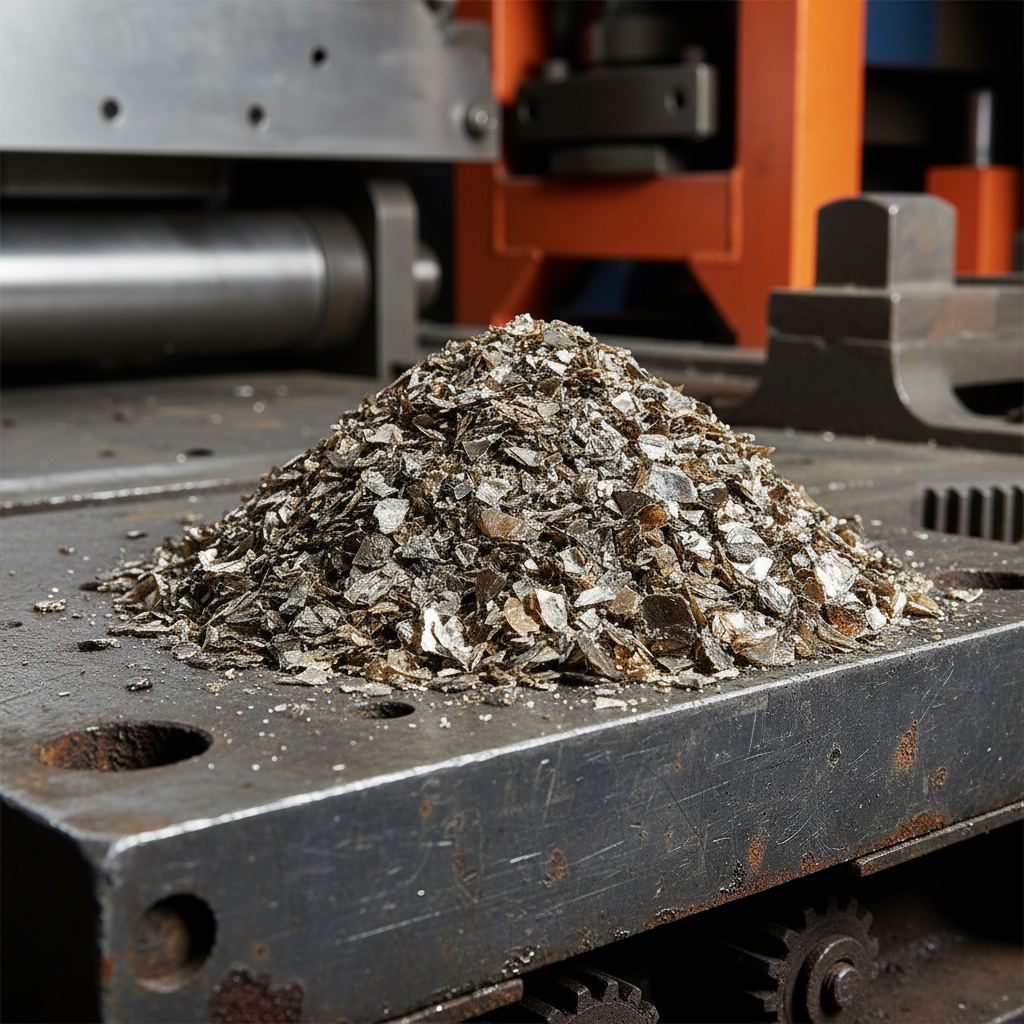
In the specialized realm of non-metallic mineral products, muscovite flakes stand as a cornerstone material, prized for their exceptional dielectric strength and thermal stability. These shimmering, plate-like crystals are not merely geological curiosities but are essential industrial additives that enable the production of high-performance insulators, pearlescent pigments, and reinforced composites across the globe.
The global demand for high-purity mica has surged as electronics become more compact and energy requirements more stringent. By integrating these mineral flakes into polymer matrices or using them as standalone sheets, manufacturers can achieve a level of electrical resistance and heat shielding that synthetic materials struggle to match, making them indispensable in the transition toward more efficient energy systems.
Understanding the nuances of muscovite flakes—from their chemical composition to their physical morphology—allows engineers to optimize product durability and safety. Whether used in automotive sensors or heavy-duty industrial heaters, the strategic application of these flakes ensures that critical components can withstand extreme environments without compromising structural integrity.
Global Industrial Relevance of Muscovite Flakes
On a global scale, muscovite flakes are integral to the infrastructure of modern civilization. From the ISO standards governing electrical insulation to the rigorous demands of the aerospace industry, these minerals provide a reliable barrier against electrical leakage and thermal degradation. The strategic sourcing of these materials is often a matter of national industrial security for countries heavily invested in semiconductor and automotive manufacturing.
However, the industry faces a persistent challenge: the need for consistent particle size distribution and purity. Inconsistent flake quality can lead to catastrophic failures in high-voltage equipment. By refining the processing of muscovite flakes, the industry is moving toward a "zero-defect" paradigm, ensuring that every micron of material contributes to the overall safety and efficiency of the end product.
Defining Muscovite Flakes in Modern Manufacturing
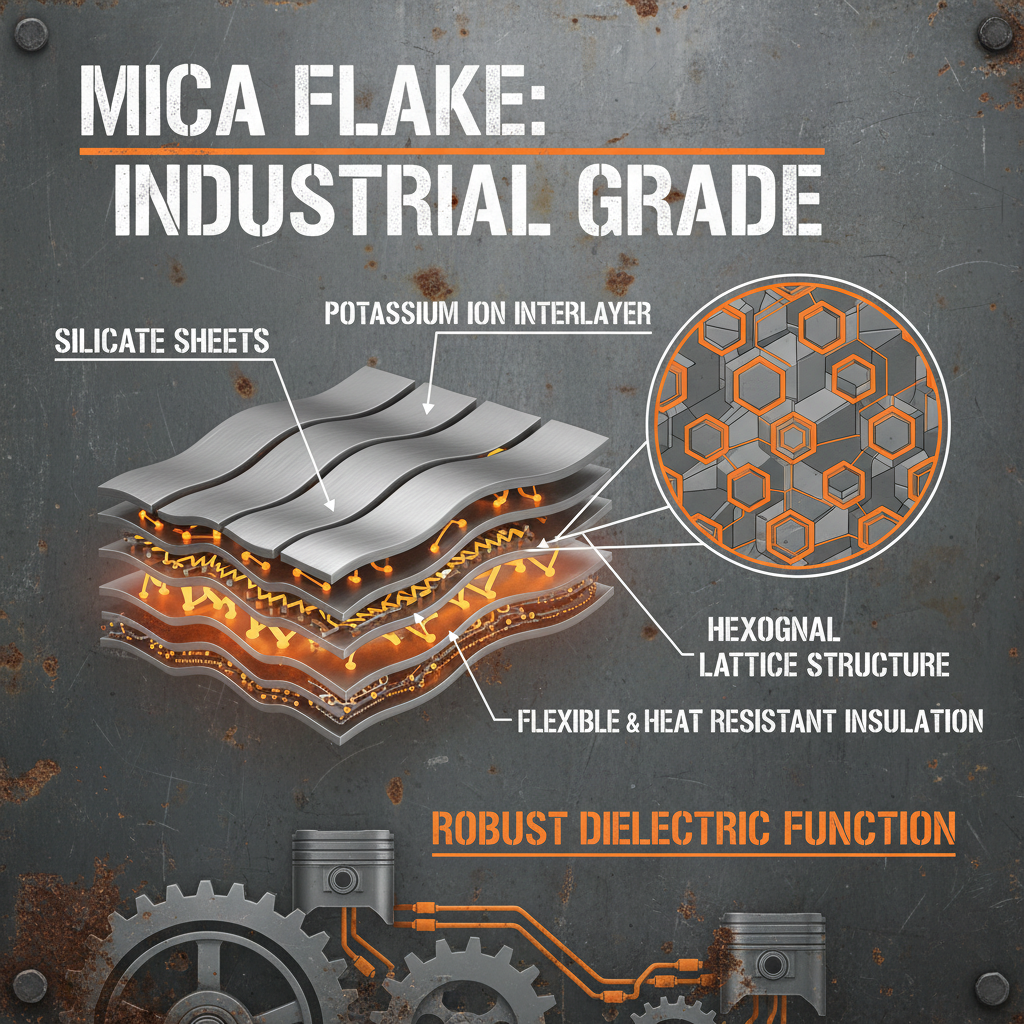
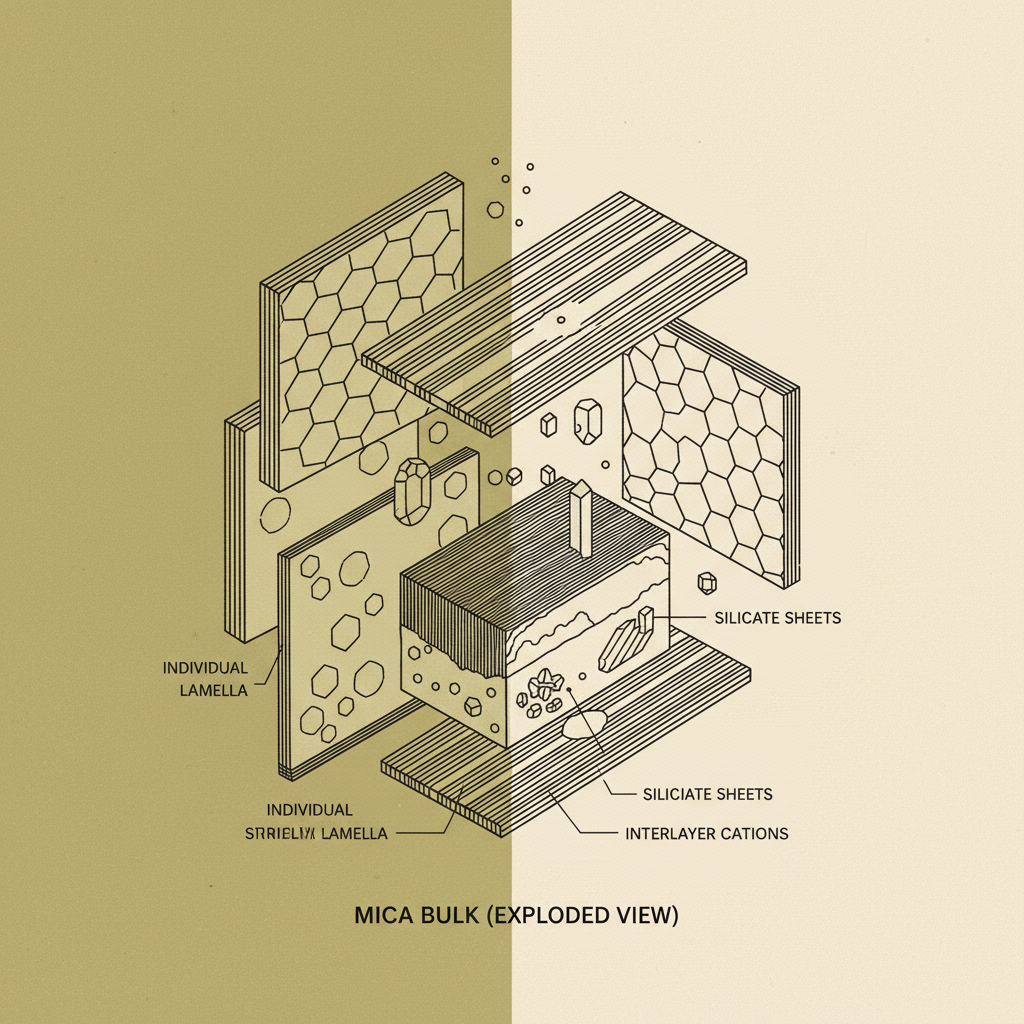
In simple terms, muscovite flakes are naturally occurring phyllosilicate minerals that split easily into thin, transparent, and flexible sheets. This unique "cleavage" property is what makes them so valuable; they can be processed into precise dimensions to create an impermeable shield. In the context of modern industry, they act as the "invisible guardians" within capacitors, heating elements, and high-temperature gaskets.
Beyond their electrical properties, these flakes are highly chemically inert. This means they do not react with most acids or bases, allowing them to be used in harsh chemical processing environments where other insulators would corrode or melt. This stability is a critical humanitarian need in the production of medical devices and safe energy storage systems.
When integrated into paints or plastics, muscovite flakes provide a structural reinforcement and an aesthetic shimmer. This duality—being both a high-performance technical material and a decorative additive—makes them one of the most versatile minerals in the non-metallic mineral sector.
Core Technical Factors of High-Grade Mica
Dielectric Strength is perhaps the most critical factor for muscovite flakes. The ability of the material to withstand high voltage without breaking down ensures that electronic components remain safe and operational. High-grade flakes must maintain a consistent crystalline structure to prevent "pinholes" or weak points that could lead to electrical arcing.
Thermal Stability allows these mineral flakes to operate in temperatures exceeding 500°C without losing their mechanical properties. Unlike synthetic polymers that may off-gas or warp, muscovite flakes remain dimensionally stable, providing a reliable heat shield in everything from toaster ovens to industrial smelting furnaces.
Chemical Inertness and Mechanical Flexibility round out the core components of mica quality. The flexibility allows the flakes to conform to complex shapes during the molding process, while the inert nature ensures that the material does not contaminate the sensitive chemical environments of high-end laboratories or pharmaceutical production lines.
Performance Metrics Across Different Grade Types
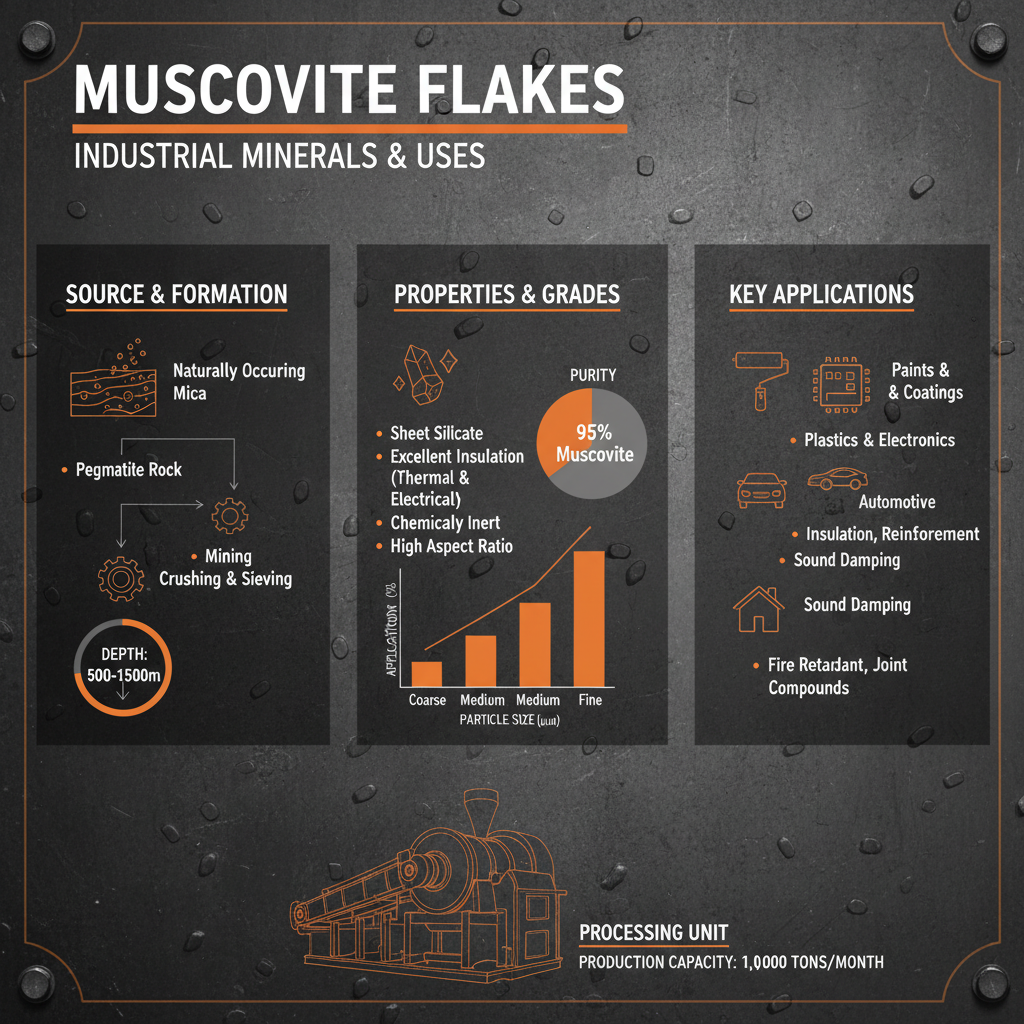
Not all muscovite flakes are created equal. Depending on the milling process and the raw ore quality, they are categorized into different grades. Coarse flakes are typically used for structural insulation, while ultra-fine powder versions are integrated into cosmetics and high-precision electronics for a seamless finish and uniform dielectric properties.
To understand the efficacy of these materials, engineers often look at a "performance score" based on purity, flake aspect ratio, and thermal conductivity. A higher aspect ratio (the ratio of width to thickness) generally translates to better barrier properties and higher reinforcement strength in composite materials.
Performance Analysis of Muscovite Flakes Variations
Global Applications and Sectoral Use Cases
The application of muscovite flakes spans multiple continents and diverse industries. In the European automotive sector, these flakes are used in the production of high-voltage batteries for electric vehicles, providing the necessary isolation between cells to prevent thermal runaway. Similarly, in North American aerospace manufacturing, mica-based composites are used in engine components where extreme heat and electrical isolation are simultaneous requirements.
In emerging industrial zones across Southeast Asia, muscovite flakes are increasingly used in the construction of energy-efficient housing and industrial insulation. For example, in remote industrial zones where electricity grids are unstable, mica-insulated equipment offers a higher margin of safety against power surges, reducing the risk of equipment failure and ensuring continuous production.
Long-Term Value and Sustainability Benefits
From a logical perspective, the long-term value of utilizing muscovite flakes lies in their durability. Unlike organic insulators that degrade over time due to UV exposure or oxidation, mica is practically permanent. This drastically reduces the replacement cycle for industrial components, leading to significant cost savings and a reduction in industrial waste.
Sustainability is another key angle. As a naturally occurring mineral, muscovite has a lower carbon footprint during its primary extraction compared to the complex synthesis required for many high-performance plastics. When sourced responsibly, it represents a marriage of geological abundance and technical precision, offering a sustainable path toward "green" electronics.
Beyond the numbers, there is an emotional component of trust and safety. Engineers specify muscovite because it is a known quantity with centuries of proven performance. In critical safety systems—such as fire alarms or medical ventilators—the reliability of mica provides the peace of mind that the system will not fail during a critical moment.
Future Trends and Material Innovations
The future of muscovite flakes is being shaped by the digital transformation of the mining and processing industry. Automation and AI-driven sorting are now allowing producers to isolate specific flake sizes with unprecedented accuracy, reducing waste and increasing the purity of the final product. This "precision mining" approach ensures that only the highest quality crystals reach the customer.
Moreover, we are seeing a trend toward "nano-mica" composites. By reducing muscovite flakes to the nanometer scale, researchers are creating materials that are not only electrically insulating but also mechanically superior, with tensile strengths that rival some alloys. These innovations are paving the way for next-generation wearables and flexible electronics.
Finally, the integration of mica into green energy policies is evident in its role in hydrogen fuel cell technology. The ability of muscovite to withstand both chemical corrosion and thermal stress makes it an ideal candidate for the gaskets and seals of the future, supporting the global shift toward a carbon-neutral economy.
Technical Comparison and Application Matrix for Muscovite Flakes
| Flake Grade |
Thermal Resistance |
Dielectric Strength |
Primary Use Case |
| Ultra-Fine Powder |
Moderate |
High (Uniform) |
Cosmetics & Coatings |
| Electrical Grade |
Very High |
Extreme |
Capacitors & Insulators |
| Industrial Coarse |
High |
Medium |
Furnace Linings |
| Calcined Mica |
Extreme |
High |
High-Temp Gaskets |
| Reinforced Flakes |
Moderate |
Medium |
Polymer Composites |
| Premium Clear |
High |
High |
Precision Electronics |
FAQS
Muscovite flakes offer a natural combination of high thermal stability and exceptional dielectric strength that is difficult to replicate synthetically. Unlike many polymers, they do not degrade or melt at extreme temperatures (often exceeding 500°C), making them safer and more durable for high-voltage and high-heat industrial applications.
Flake size determines the "barrier effect." Larger flakes provide better mechanical reinforcement and a more effective physical barrier against electrical leakage in sheets. Conversely, smaller, micronized flakes are preferred for coatings and cosmetics to ensure a smooth surface finish and uniform distribution within a mixture.
Yes, they are a naturally occurring mineral. When sourced from sustainable mines, they have a lower environmental impact than the energy-intensive production of synthetic fluoropolymers. Their extreme durability also means components last longer, which significantly reduces the volume of industrial landfill waste.
Absolutely. Due to their high chemical inertness, muscovite flakes do not react with biological tissues or chemical reagents. This makes them ideal for insulation in medical heating elements or as a stable additive in specialized laboratory equipment where contamination must be zero.
Purity is best verified through a Certificate of Analysis (CoA) that details the mineral content and the absence of iron or other conductive impurities. We recommend working with suppliers who employ automated sorting and precision milling to ensure a consistent, high-purity grade across every batch.
While both are micas, muscovite is typically lighter in color and has higher dielectric strength at lower temperatures, making it the standard for electronics. Phlogopite can withstand even higher temperatures but is generally less transparent and has different chemical properties, making it better suited for heavy industrial furnaces.
Conclusion
In summary, muscovite flakes serve as a critical bridge between raw geological materials and high-tech industrial application. From their unparalleled dielectric properties and thermal resilience to their versatility in cosmetics and aerospace, these minerals ensure that our modern world remains powered safely and efficiently. By focusing on purity, flake morphology, and sustainable sourcing, manufacturers can unlock significant value in terms of both product longevity and operational safety.
Looking forward, the evolution of nano-mica and AI-driven processing suggests that the role of muscovite will only expand as we move toward a more electrified and sustainable future. For businesses seeking to enhance their material performance, investing in high-grade, precisely processed mica is not just a technical choice—it is a strategic advantage. To explore our full range of premium mineral solutions, visit our website: www.kehuimica.com