In the realm of industrial mineralogy, natural mica flakes stand out as one of the most versatile materials due to their unique crystalline structure and exceptional thermal stability. These minerals, characterized by their perfect basal cleavage, allow them to be split into thin, flexible sheets that provide critical insulation and reinforcement across a multitude of high-tech applications globally.
Understanding the nuances of these mineral flakes is essential for engineers and manufacturers who aim to optimize the dielectric strength and heat resistance of their products. From the automotive sector to the electronics industry, the integration of these flakes helps in managing thermal stress and preventing electrical leakage, thereby increasing the longevity and safety of critical components.
As the global demand for sustainable and high-performance materials grows, the strategic sourcing and processing of natural mica flakes have become pivotal. By leveraging their natural chemical inertness and mechanical durability, industries can develop more efficient insulators and coatings that meet rigorous international safety and environmental standards.
Global Industrial Relevance of Natural Mica Flakes
On a global scale, natural mica flakes are indispensable to the electronics and energy sectors. With the rapid expansion of electric vehicle (EV) production and the upgrading of power grids, the demand for materials that can withstand extreme voltage and temperature has spiked. Industry data suggests that high-purity mica remains a primary choice for capacitors and heating elements due to its superior dielectric properties compared to synthetic alternatives.
However, the industry faces a significant challenge in maintaining a consistent supply of high-grade, ethically sourced flakes. The variability in mineral deposits across different regions often leads to inconsistencies in flake size and purity, which can compromise the reliability of sensitive electronic components. This has led to an increased focus on standardized processing techniques to ensure that every batch meets ISO specifications for industrial use.
Defining the Properties of Natural Mica Flakes
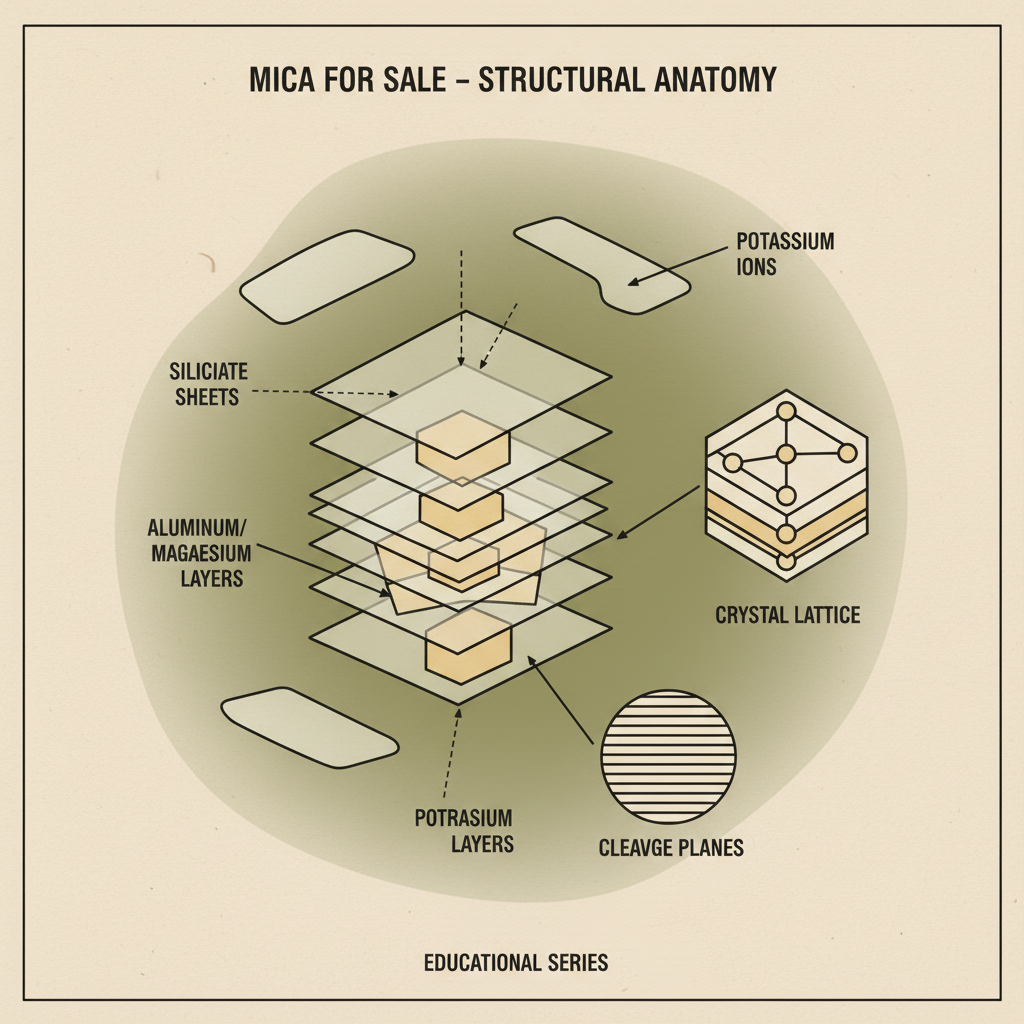
At its simplest, natural mica flakes are layered silicate minerals that can be easily split into thin, transparent sheets. This unique morphology is what allows them to act as a physical barrier against moisture and electrical currents. Whether derived from Muscovite or Phlogopite, these flakes possess a chemical stability that resists oxidation and corrosive environments, making them ideal for harsh industrial settings.
In modern industry, the "flake" geometry is critical. Unlike powdered minerals, the planar structure of these flakes creates a "tortuous path" for gases and liquids, which significantly enhances the barrier properties of coatings and composites. This makes them a cornerstone in the development of high-performance paints, plastics, and insulation boards used in aviation and aerospace.
Beyond their physical attributes, these minerals address critical humanitarian and safety needs by preventing electrical fires in residential and industrial wiring. By providing a reliable layer of insulation that does not degrade under heat, natural mica flakes ensure the safety of infrastructure in developing urban areas where power surges are common.
Core Technical Factors for Performance
Thermal Stability is perhaps the most critical factor when evaluating natural mica flakes. The ability to maintain structural integrity at temperatures exceeding 500°C allows these minerals to be used in furnace linings and high-temperature gaskets where other polymers would simply melt or ignite.
Dielectric Strength determines how well the material prevents electrical breakdown. High-quality natural mica flakes provide a high resistance to current flow, which is essential for preventing short circuits in capacitors and high-voltage switches, ensuring operational reliability in power plants.
Mechanical Flexibility and Aspect Ratio are the final core components. The ratio of the flake's diameter to its thickness influences the reinforcement capability in composite materials. A high aspect ratio ensures that the flakes overlap effectively, creating a reinforced matrix that improves the overall durability and impact resistance of the final product.
Comparative Efficiency in Industrial Use
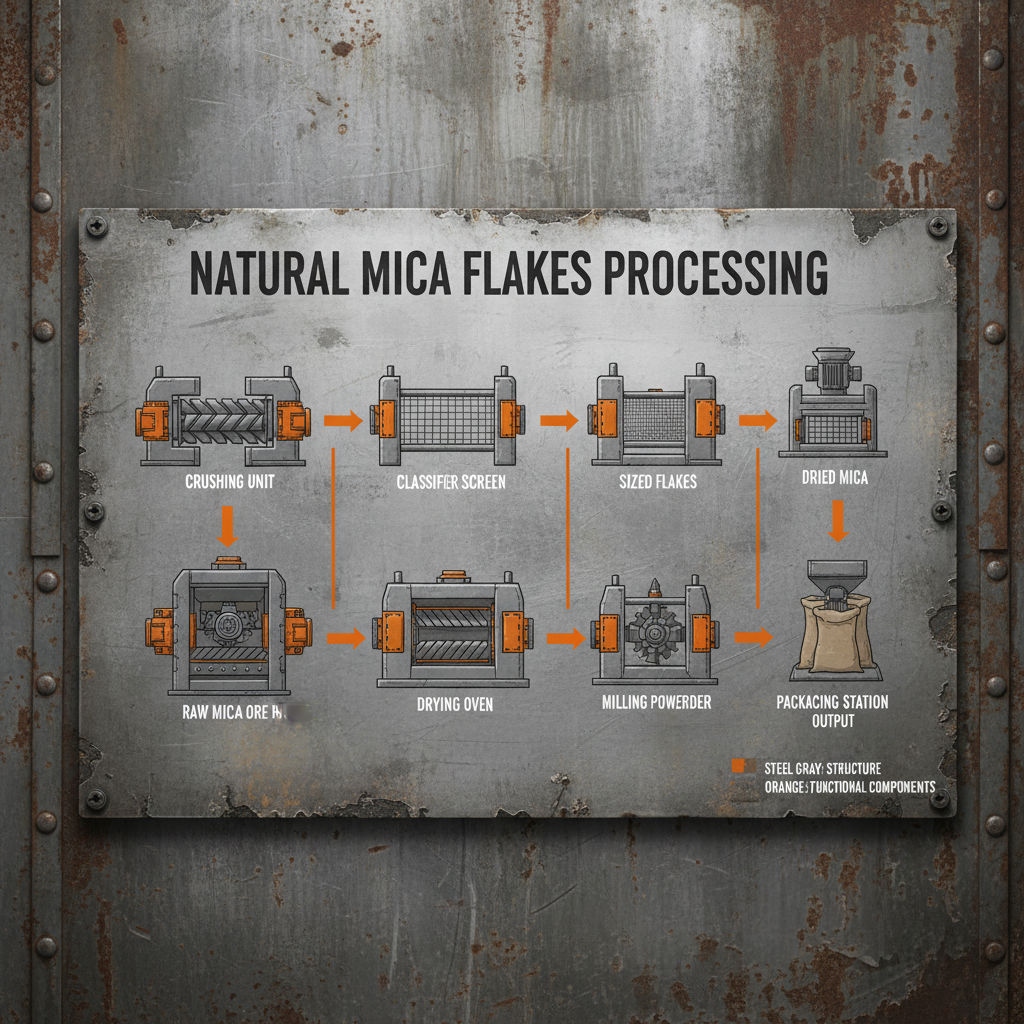
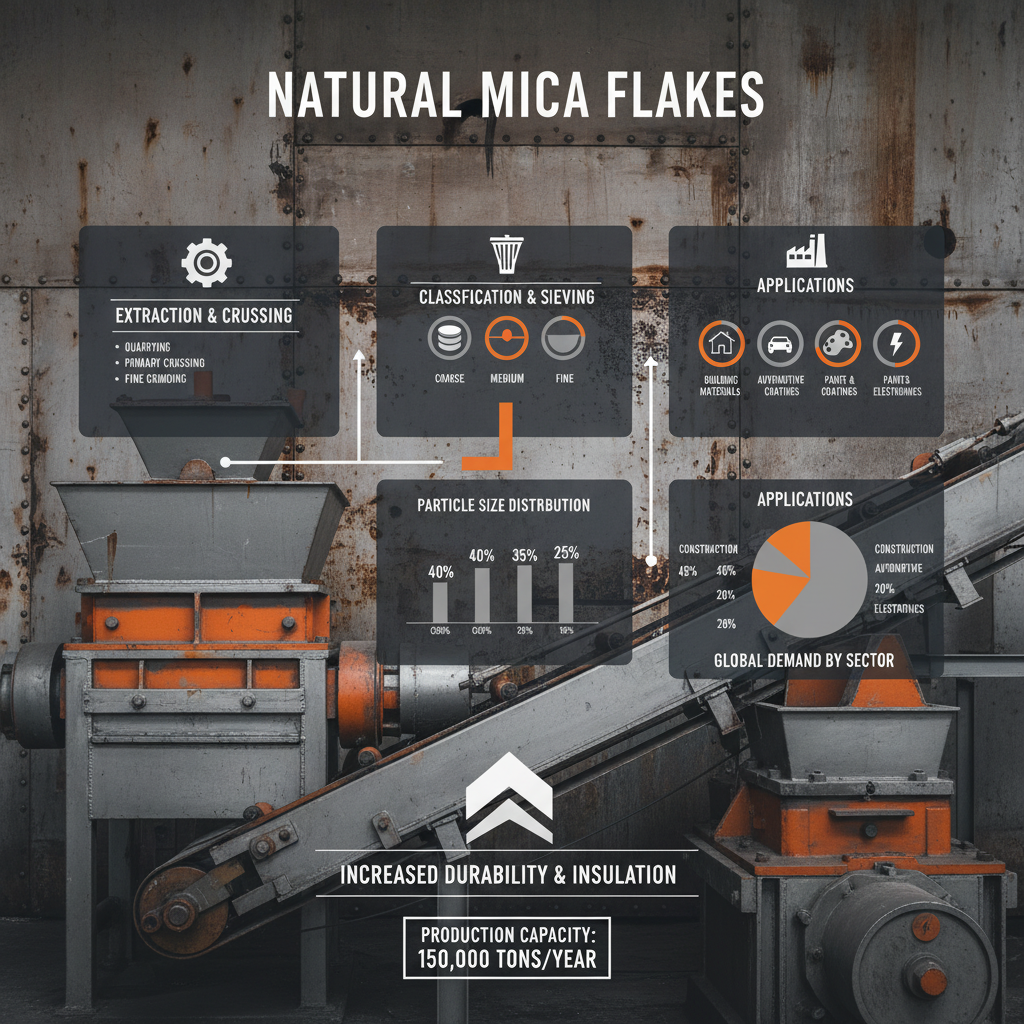
When comparing different processing methods for natural mica flakes, the efficiency of the resulting material varies based on the refinement process. Air-classification and wet-sieving are common methods used to achieve specific particle size distributions, which directly impacts the application's success. For instance, fine flakes are preferred for cosmetics and high-end coatings, while larger flakes are utilized for heavy-duty industrial insulation.
The following data represents a comparative performance rating across different grades of mica processed via various industrial methods to determine their suitability for specific high-stress environments.
Performance Rating of Natural Mica Flakes by Grade
Global Applications and Use Cases
In real-world contexts, natural mica flakes are applied across diverse geographies. In the industrial zones of East Asia, they are heavily used in the manufacture of consumer electronics and semiconductor packaging. Their ability to provide electrical isolation in compact spaces is crucial for the miniaturization of smartphones and laptops, where heat dissipation and electrical interference are constant challenges.
Furthermore, in heavy-industrial regions like Northern Europe and North America, these flakes are integrated into specialized coatings for marine and offshore oil rigs. In these remote industrial zones, the corrosive effect of saltwater is mitigated by the impermeable barrier created by the overlapping mica flakes, which protects the steel structures from oxidation and significantly reduces maintenance costs over the life of the facility.
Long-Term Value and Sustainability
The long-term value of natural mica flakes extends beyond mere technical performance; it encompasses sustainability and economic reliability. Because mica is a naturally occurring mineral, it has a lower carbon footprint during the extraction phase compared to fully synthetic polymer insulators. When integrated into construction materials, it improves the energy efficiency of buildings by providing superior thermal insulation, thereby reducing the reliance on HVAC systems.
From a logical perspective, the durability of mica-reinforced products reduces the frequency of replacement, leading to less industrial waste. This longevity builds trust between manufacturers and end-users, as the components are known for their stability and resistance to aging. The reliability of these minerals ensures that critical infrastructure—such as power transformers—can operate for decades without catastrophic failure.
Emotionally, the shift toward ethical sourcing of natural mica flakes has added a layer of social dignity to the supply chain. Companies that prioritize fair trade and child-labor-free mining practices are not only securing their brand reputation but are also contributing to the socio-economic development of the mining communities in India and Brazil.
Future Innovations in Mica Technology
Looking ahead, the integration of natural mica flakes into the green energy transition is a major trend. As the world shifts toward hydrogen fuel cells and advanced battery storage, the need for lightweight, thermally conductive yet electrically insulating materials is paramount. Researchers are exploring "hybrid mica composites" that combine natural flakes with graphene or carbon nanotubes to create materials that can manage heat more efficiently while maintaining perfect insulation.
Digital transformation is also playing a role in the production side. Automation and AI-driven sorting are allowing manufacturers to achieve unprecedented precision in flake size and thickness. This ensures that the "tortuous path" mentioned earlier is optimized at a microscopic level, creating coatings that are thinner yet more effective, which is essential for the next generation of aerospace components and foldable electronics.
Finally, sustainability policies are driving the development of recyclable mica-based composites. By designing materials that can be easily separated at the end of their lifecycle, the industry is moving toward a circular economy. The focus is shifting from mere extraction to a comprehensive lifecycle management approach for natural mica flakes.
Technical Analysis of Natural Mica Flakes Application Metrics
|
Material Grade
|
Thermal Threshold (°C)
|
Dielectric Constant
|
Industrial Application
|
| Muscovite Fine |
550 |
6.0 - 7.0 |
Electronic Capacitors |
| Phlogopite Coarse |
800 |
5.5 - 6.5 |
Furnace Insulation |
| Calcined Grade |
900 |
5.0 - 6.0 |
High-Temp Gaskets |
| Cosmetic Grade |
300 |
N/A |
Pearlescent Coatings |
| Composite Mica |
600 |
6.5 - 7.5 |
Aerospace Panels |
| Industrial Standard |
500 |
6.0 - 6.8 |
General Electrical Insul. |
FAQS
Natural mica flakes offer superior thermal stability and a unique planar structure that is difficult to replicate synthetically. Their ability to withstand extreme temperatures without losing dielectric strength makes them more reliable for high-voltage applications, while their natural origin often results in a more sustainable lifecycle compared to petroleum-based synthetic polymers.
Flake size determines the "barrier effect." Larger flakes create a more complex "tortuous path" for moisture and electricity, which is ideal for insulation and protective coatings. Smaller, finer flakes are better for achieving a smooth finish in pearlescent paints or ensuring a homogeneous mix in composite materials. Choosing the right size is critical for optimizing the material's mechanical and electrical properties.
Yes, as a naturally occurring mineral, mica is inherently more eco-friendly than many chemical alternatives. However, the sustainability depends on the mining process. When sourced from ethical mines that follow environmental regulations and fair labor practices, natural mica flakes contribute to a greener industry by improving the energy efficiency of the end-products they are used in.
Phlogopite mica is generally superior for extremely high-temperature environments compared to Muscovite. Phlogopite can withstand significantly higher heat thresholds before breaking down, making it the preferred choice for furnace linings, industrial kilns, and heavy-duty heating elements where thermal degradation is a primary concern.
Absolutely. They are widely used in consumer electronics as dielectric layers in capacitors and as thermal interface materials. Their ability to provide high electrical resistance in very thin layers allows manufacturers to keep devices slim while preventing short circuits and managing the heat generated by high-speed processors.
The best way to ensure purity is to request a Certificate of Analysis (CoA) and check for compliance with ISO standards. Look for suppliers who provide detailed data on chemical composition, particle size distribution, and moisture content. Third-party testing and a transparent supply chain are indicators of high-quality, industrial-grade mica.
Conclusion
In summary, natural mica flakes remain a cornerstone of modern industrial design, offering an unparalleled combination of thermal stability, dielectric strength, and chemical inertness. From their critical role in preventing electrical failures to their contribution to the durability of marine coatings, these minerals provide a tangible bridge between raw geological resources and high-tech engineering solutions. By focusing on purity, precise flake geometry, and ethical sourcing, industries can maximize the efficiency and safety of their products.
As we look toward a future defined by green energy and digital acceleration, the evolution of mica technology—through hybrid composites and automated processing—will be essential. We encourage engineers and procurement specialists to prioritize high-grade, sustainably sourced minerals to ensure long-term operational reliability. For more information on high-performance mineral solutions, visit our website: www.kehuimica.com.