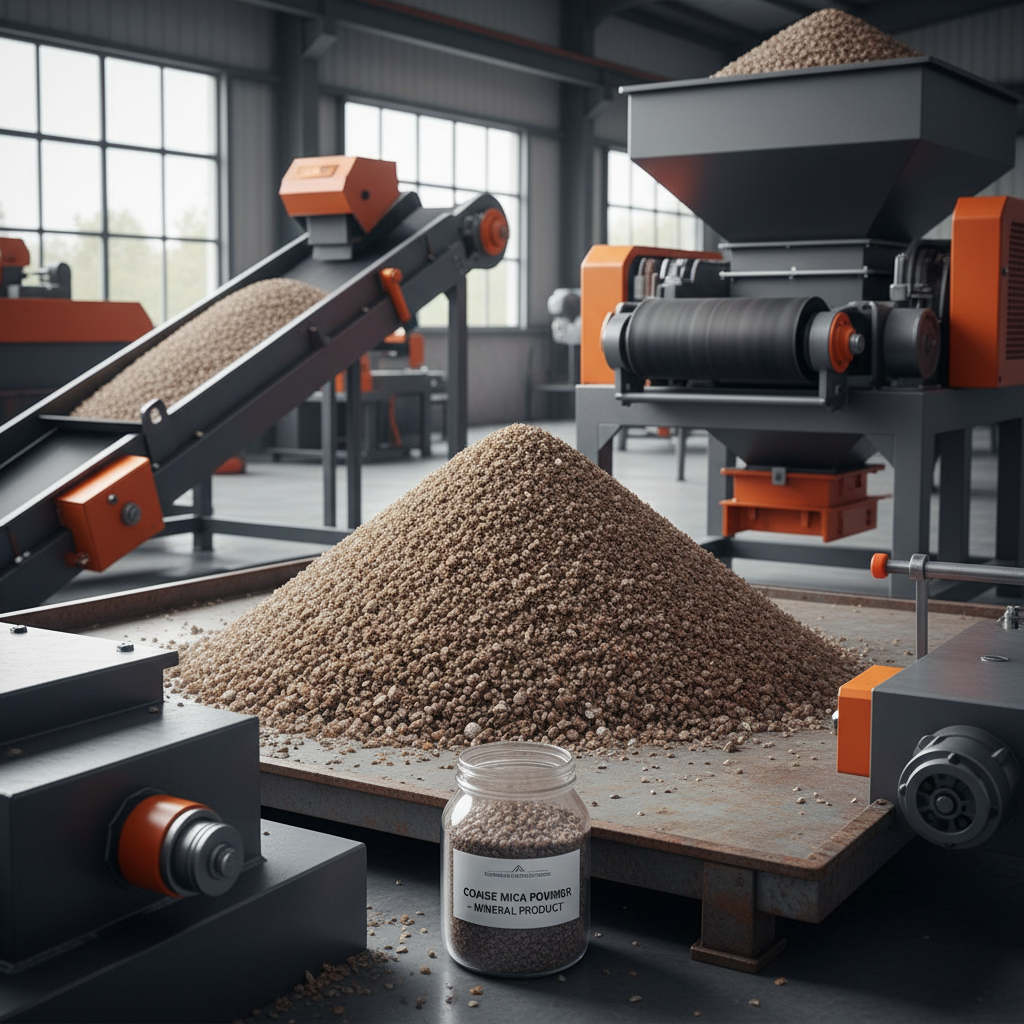
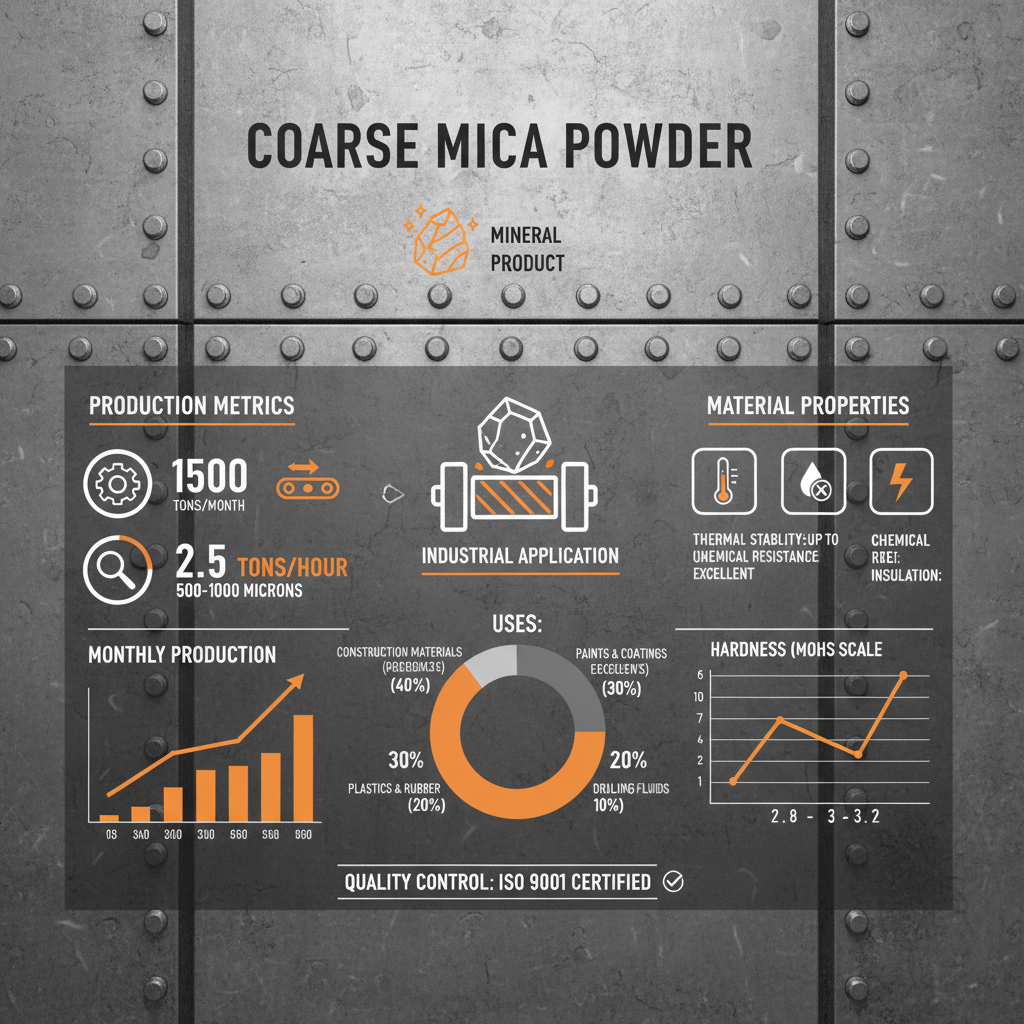
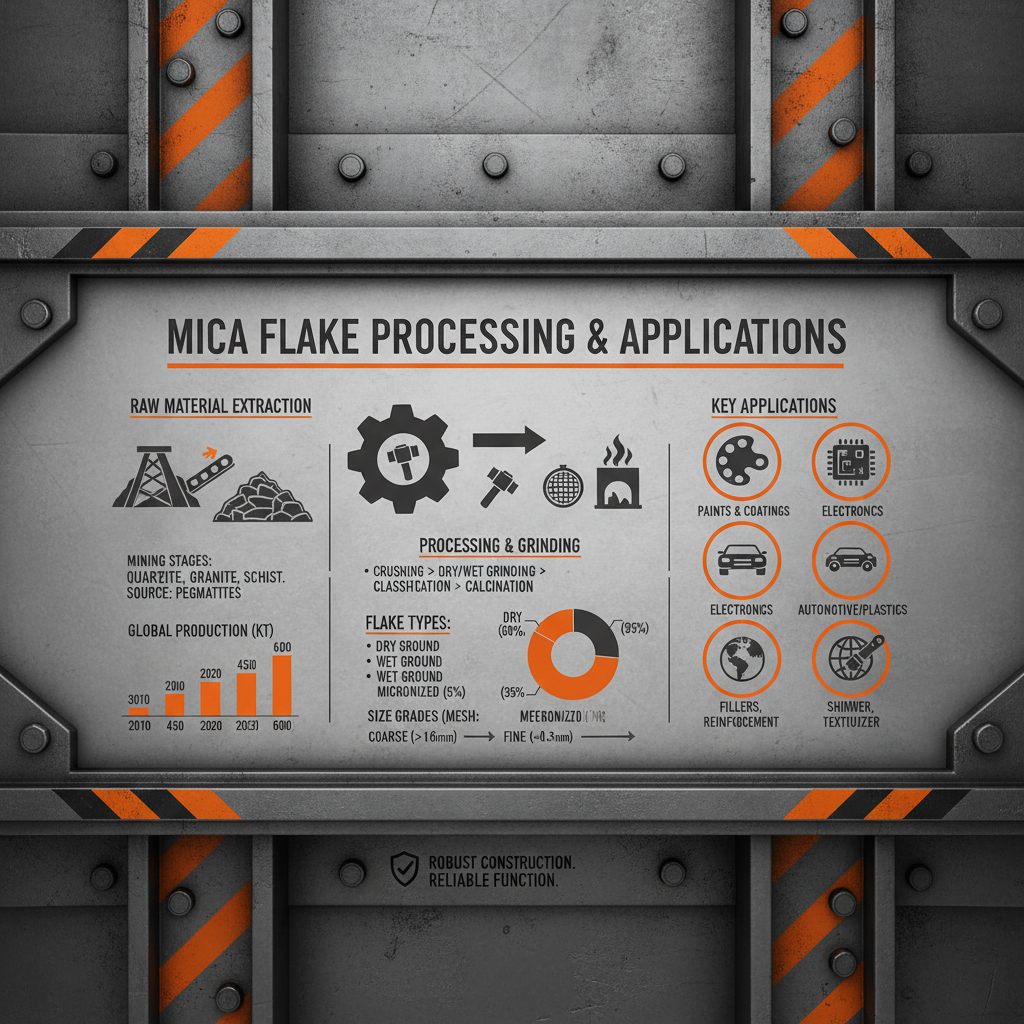
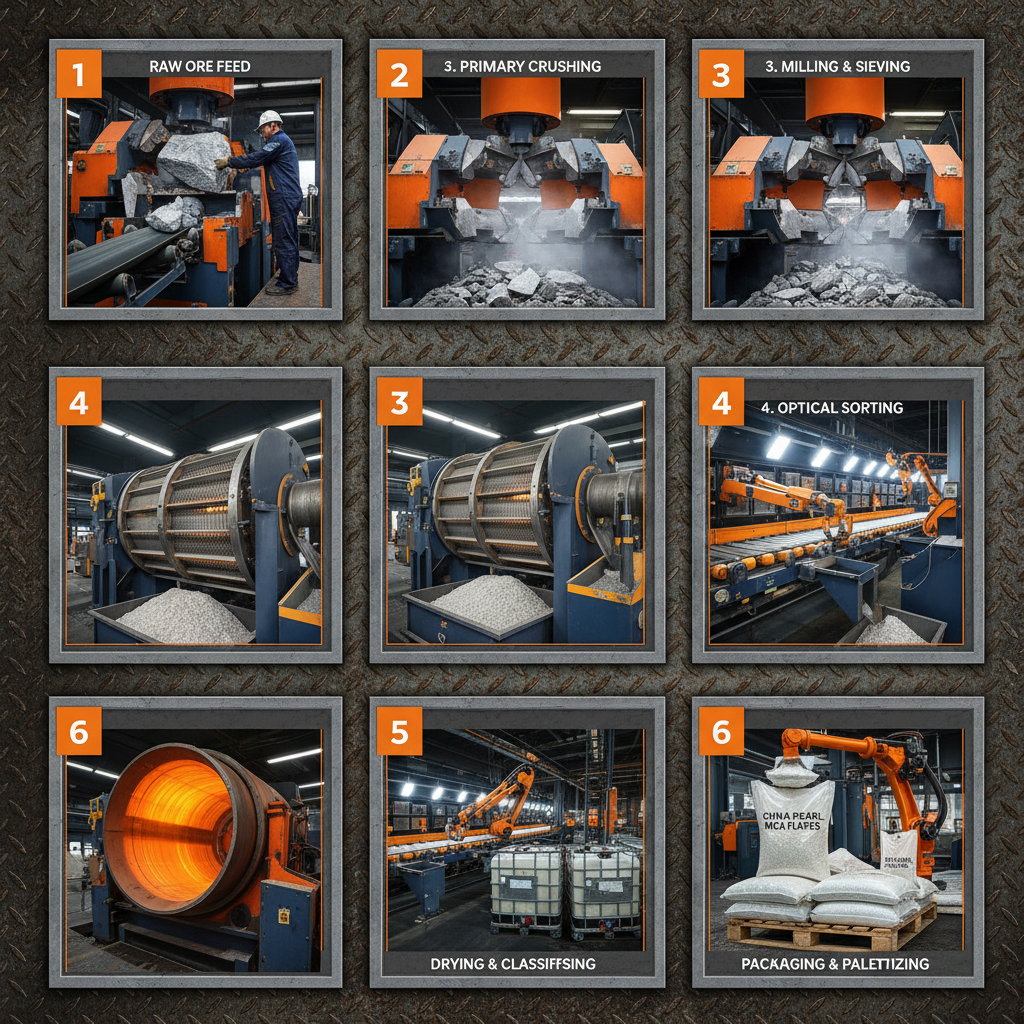
In the complex world of mineral processing, coarse mica powder stands as a pivotal material that bridges the gap between raw geological deposits and high-performance industrial applications. Its unique crystalline structure and thermal stability make it an indispensable additive in sectors ranging from heavy-duty construction to specialized electronics, where structural integrity and insulation are paramount.
Globally, the demand for high-grade mineral fillers has surged as industries shift toward materials that can withstand extreme environments. Understanding the nuances of coarse mica powder—from its particle size distribution to its chemical inertness—allows engineers to optimize product durability and reduce long-term maintenance costs in infrastructure projects.
By leveraging the inherent dielectric properties and heat resistance of mica, manufacturers are now developing more sustainable and resilient composite materials. This guide explores the technical depths of coarse mica powder, providing professional insights into its global relevance, application methods, and the innovative trends shaping its future in the non-metallic mineral industry.
Global Industrial Context of Coarse Mica Powder
The global market for coarse mica powder is driven by the relentless pursuit of thermal stability in industrial coatings and plastics. According to international mineral trade standards and ISO guidelines for inorganic fillers, mica-based products are essential for reducing the coefficient of thermal expansion in high-stress environments. As the manufacturing sector evolves, the reliance on these minerals has increased, particularly in regions with heavy investment in aerospace and automotive engineering.
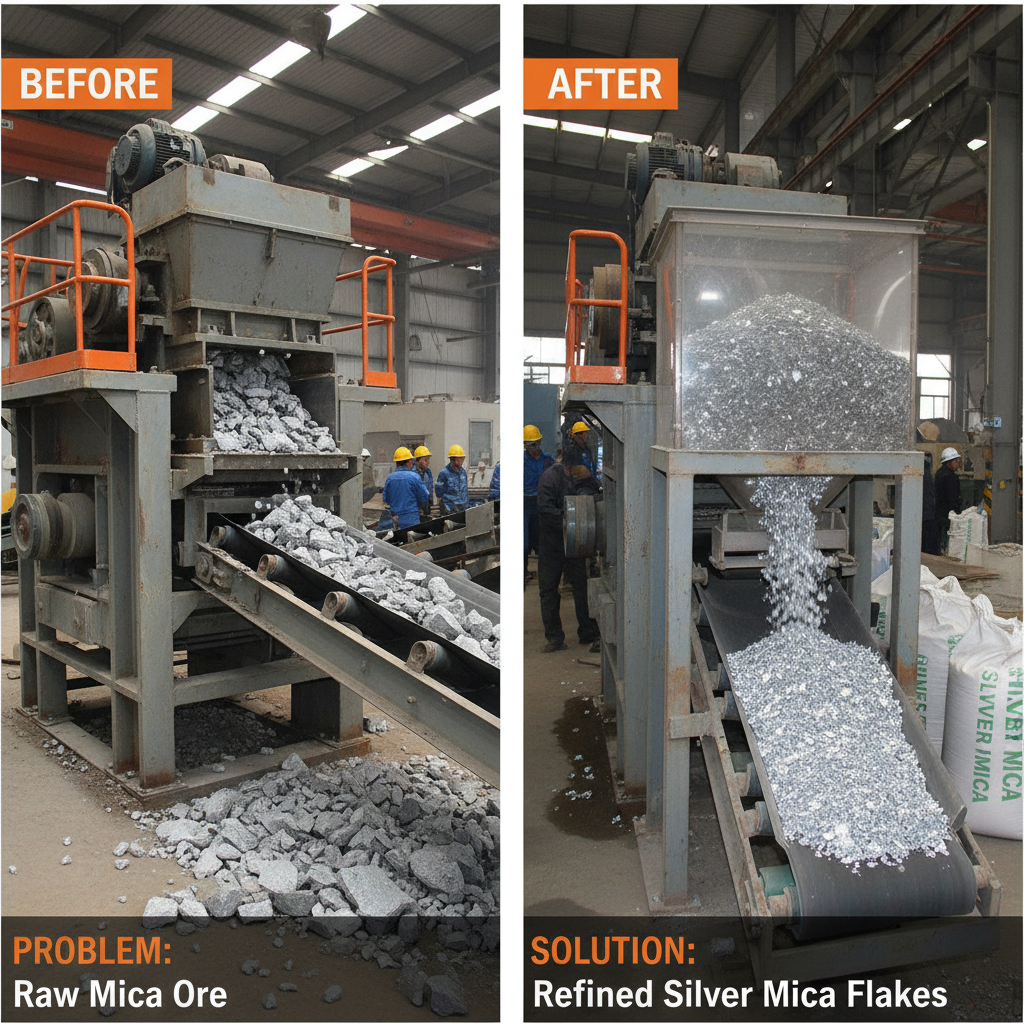
However, the industry faces a significant challenge: the volatility of raw material purity and the consistency of particle sizing. Inconsistent coarse mica powder can lead to structural weaknesses in composite materials, resulting in premature failure of insulation layers or coating delamination. This gap between raw mineral extraction and precise industrial requirement has sparked a demand for more refined processing techniques.
Definition and Technical Meaning
Technically, coarse mica powder refers to ground mica minerals—typically muscovite or phlogopite—that maintain a relatively larger particle size compared to micronized or fine powders. This "coarse" grading is intentional, as the larger flakes provide a physical "shingle effect" within a matrix, creating a tortuous path for moisture and gases, which significantly enhances the barrier properties of the final product.
In the context of modern industry, this material is not merely a filler but a functional additive. By incorporating coarse mica powder into polymers or cements, manufacturers can achieve a balance between mechanical strength and electrical insulation. Its ability to remain chemically inert under extreme pH levels makes it a preferred choice for humanitarian and infrastructure projects in corrosive environments, such as coastal sea walls or chemical processing plants.
Furthermore, the meaning of "coarse" varies by application, but it generally denotes a grit size that provides visible structural reinforcement and a specific pearlescent aesthetic in specialized coatings. Whether used for its dielectric strength or its ability to prevent shrinkage in castables, the material remains a cornerstone of non-metallic mineral manufacturing.
Core Components and Performance Factors
The performance of coarse mica powder is primarily determined by its aspect ratio—the ratio of the flake's diameter to its thickness. A high aspect ratio ensures that the powder creates an effective overlapping shield within the material, which is critical for waterproofing and thermal insulation.
Another key factor is chemical purity, specifically the absence of iron oxides. Pure coarse mica powder must maintain high alumina and silica content to ensure that it does not react with resins or binders, which would otherwise compromise the structural integrity of the composite.
Finally, the mechanical hardness (Mohs scale) of the mica ensures that the coarse mica powder can withstand the shearing forces during the mixing process. This durability prevents the flakes from breaking down into fine dust, thereby preserving the intended functional properties of the coarse grade.
Global Applications and Use Cases
In real-world applications, coarse mica powder is extensively used in the production of high-temperature jointing compounds and furnace linings. In industrial zones across Europe and Asia, this material is blended into refractory ceramics to prevent cracking during rapid heating and cooling cycles, ensuring the safety of smelting operations.
Beyond heavy industry, it finds use in specialized construction materials for remote industrial zones. For instance, in the development of moisture-resistant coatings for underground cabling in tropical regions, coarse mica powder is used to create an impermeable barrier that protects sensitive electronics from humidity and salt spray.
Comparative Performance of Coarse Mica Powder Grades
Advantages and Long-Term Value
The primary advantage of utilizing coarse mica powder is the significant reduction in material permeability. By creating a physical overlap of mineral plates, it dramatically slows down the diffusion of water and corrosive ions, which extends the lifespan of concrete structures and metal coatings by several years. This represents a massive long-term cost saving in infrastructure maintenance.
From a sustainability perspective, mica is a naturally occurring mineral that, when processed responsibly, offers a lower carbon footprint compared to synthetic polymer barriers. The reliability of coarse mica powder provides peace of mind to engineers, knowing that the insulation and thermal shielding will remain stable even under fluctuating extreme temperatures.
Future Trends and Material Innovations
The future of coarse mica powder lies in the integration of nanotechnology and surface modification. Researchers are currently developing "functionalized" mica flakes, where the surface of the powder is treated with silanes to improve its bonding with organic resins. This innovation will allow for even lower loading levels while maintaining the same mechanical properties.
Additionally, the shift toward green energy is opening new doors. In the production of battery separators and electric vehicle (EV) heat shields, coarse mica powder is being tested for its ability to prevent thermal runaway by providing a fire-resistant barrier that does not conduct electricity.
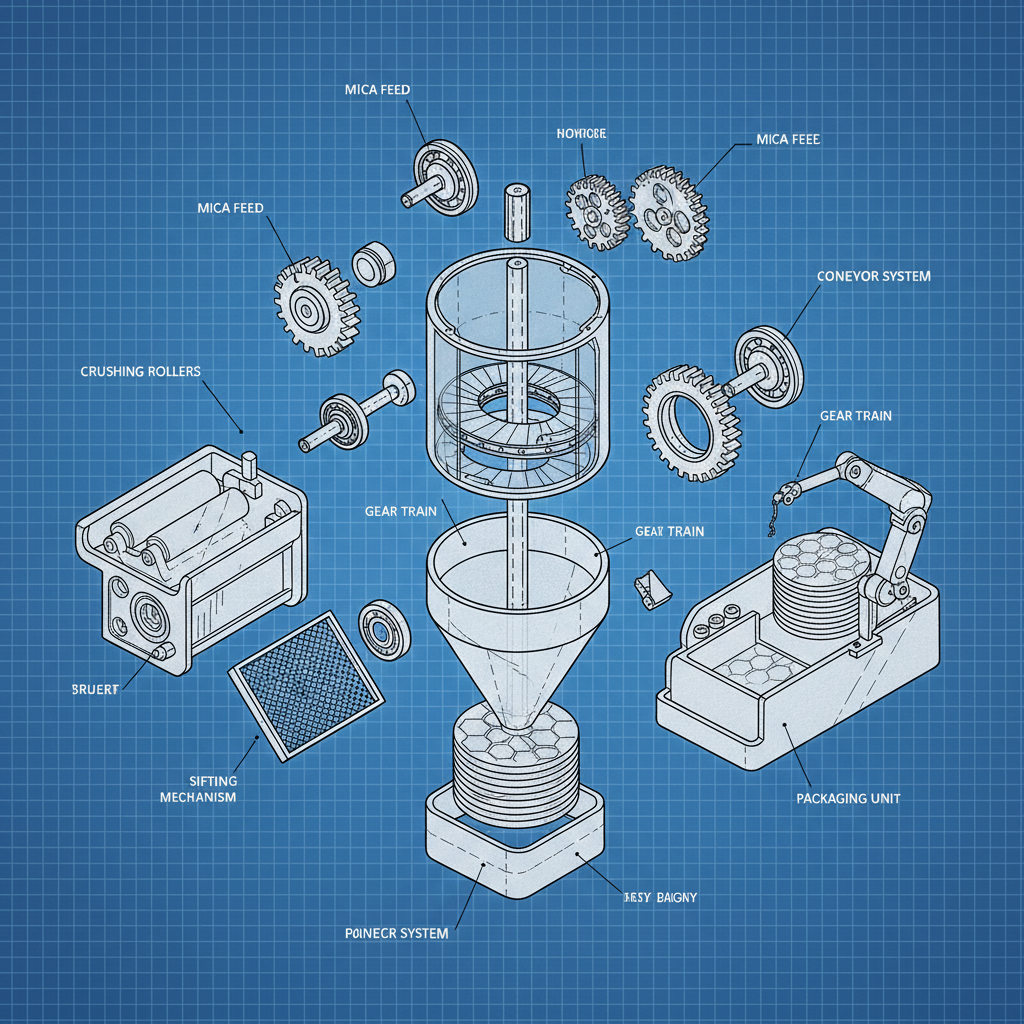
Automation in the grinding and sorting process is also enhancing quality control. Digital particle size analyzers are now used in real-time to ensure that every batch of coarse mica powder meets exact specifications, reducing waste and increasing the predictability of the final composite's performance.
Industry Challenges and Expert Solutions
One of the most persistent challenges in the use of coarse mica powder is the tendency for the particles to settle or clump during the mixing phase, which can lead to "weak spots" in the finished material. Expert solution providers recommend the use of high-shear mixers and specific dispersing agents to ensure a homogenous distribution of the flakes throughout the matrix.
Another issue is the environmental impact of mining. The industry is moving toward "closed-loop" processing, where the water used in the washing and grading of coarse mica powder is recycled. This not only reduces the ecological footprint but also lowers the operational costs for manufacturers.
To overcome the challenge of particle fragility, some manufacturers are employing a "pre-calcination" process. By heating the mica before grinding, the resulting coarse mica powder becomes more robust and less prone to fragmentation, ensuring that the functional aspect ratio is maintained during high-pressure injection molding.
Technical Analysis of Coarse Mica Powder Performance Across Different Applications
| Application Area |
Critical Parameter |
Effectiveness Score (1-10) |
Primary Benefit |
| Refractory Bricks |
Thermal Stability |
9.5 |
Prevents heat cracking |
| Electrical Insulation |
Dielectric Strength |
8.8 |
High voltage resistance |
| Protective Coatings |
Barrier Property |
9.2 |
Corrosion prevention |
| Polymer Composites |
Aspect Ratio |
7.5 |
Dimensional stability |
| Cement Additives |
Water Resistance |
8.0 |
Reduced permeability |
| Automotive Shields |
Flame Retardancy |
9.0 |
Fire safety barrier |
FAQS
The primary difference lies in the particle size and the resulting functional properties. Coarse mica powder consists of larger flakes that create a "shingle effect," making it superior for barrier protection, moisture resistance, and structural reinforcement. Fine mica powder is typically used for aesthetics, smoothness in cosmetics, or as a filler in high-precision electronics where a smooth surface is required.
Yes, it is specifically designed for such use. Because mica has a very high melting point and low thermal conductivity, coarse mica powder is an ideal additive for refractory materials and heat shields, maintaining its physical structure and insulating properties even when exposed to extreme heat.
It improves lifespan by creating a tortuous path for corrosive agents. The large, overlapping flakes of coarse mica powder force water, oxygen, and salts to travel a much longer distance to reach the substrate, effectively slowing down corrosion and preventing the coating from peeling or degrading.
Generally, yes. Since mica is chemically inert, it does not interfere with the curing process of most epoxy and polyester resins. However, to ensure optimal bonding and prevent clumping, it is recommended to use a dispersing agent or a high-shear mixing process during the integration phase.
The main considerations are sustainable mining practices and the reduction of water waste during processing. Many premium suppliers now adhere to strict ESG (Environmental, Social, and Governance) standards to ensure that the extraction of coarse mica powder is ethical and that the refining process uses closed-loop water systems.
The choice depends on your goal: if you need maximum barrier protection and thermal insulation, a coarser grade is better. If you require a balance between reinforcement and surface finish, a medium-coarse grade is ideal. We recommend reviewing the particle size distribution (PSD) chart provided by the manufacturer to match the grit to your specific needs.
Conclusion
In summary, coarse mica powder is far more than a simple mineral filler; it is a strategic component that enhances the thermal, electrical, and structural properties of a wide array of industrial materials. From its ability to create impermeable barriers in protective coatings to its essential role in high-temperature refractories, the unique physical structure of coarse mica provides tangible value in terms of durability, safety, and cost-efficiency.
As we move toward a future defined by sustainable infrastructure and advanced energy solutions, the role of high-purity mineral additives will only grow. For companies seeking to optimize their product performance, investing in the correct grade of coarse mica powder is a critical step toward innovation and reliability. Visit our website for more technical specifications: www.kehuimica.com