Mica flake, a naturally occurring mineral, is experiencing increasing global demand due to its versatile applications across numerous industries. Its unique properties – including thermal stability, dielectric strength, and flexibility – make it an indispensable component in everything from cosmetics and paints to electronics and automotive parts. Understanding the sourcing, processing, and applications of mica flake is crucial for businesses, researchers, and policymakers alike, ensuring responsible supply chains and fostering innovation.
The global mica market is estimated to reach significant value in the coming years, driven by the expansion of end-use industries, particularly in developing economies. However, the industry faces challenges related to ethical sourcing and sustainable mining practices. Recognizing these issues and implementing responsible solutions are paramount to maintaining the long-term viability and positive impact of the mica flake industry. The demand for high-quality, ethically sourced mica flake continues to rise.
The benefits of utilizing mica flake extend beyond its functional properties; its natural origin often aligns with growing consumer preferences for sustainable and environmentally friendly materials. As industries strive for greener solutions, mica flake presents a compelling alternative to synthetic materials, contributing to a more circular and responsible economy.
Introduction to Mica Flake
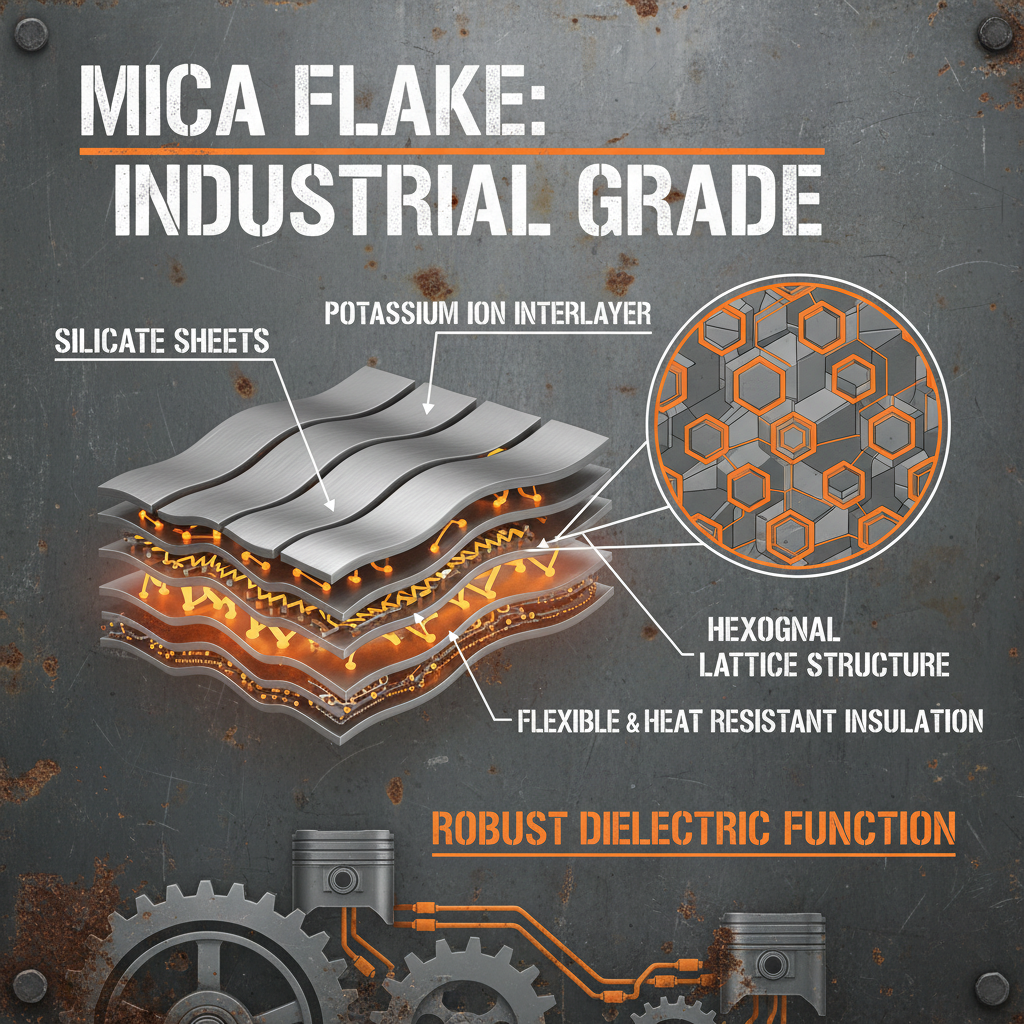
Mica flake is a naturally occurring silicate mineral renowned for its perfect basal cleavage, which allows it to be split into thin, flexible sheets. These flakes possess exceptional properties like high dielectric strength, thermal stability, and resistance to chemical attack, making them invaluable in diverse industrial applications. The purity and size of the mica flake influence its performance.
Historically used as a glazing agent in paints and as an insulator, mica flake continues to evolve in its applications. Ongoing research is uncovering new possibilities, from enhancing composite materials to contributing to advanced battery technologies. The sustainable sourcing of mica flake remains a crucial aspect of the industry’s future.
Global Relevance and Industry Context
The global mica market is significantly influenced by economic growth in emerging economies, particularly in Asia-Pacific. Increasing construction activities, automotive production, and demand for cosmetics drive the need for mica flake. According to reports from the United Nations Statistics Division, the demand for industrial minerals like mica is projected to rise steadily in the coming decade. This growth necessitates responsible and sustainable mining practices.
However, the mica industry has faced scrutiny due to concerns surrounding child labor and unsafe working conditions in some sourcing regions. Initiatives led by organizations like the Responsible Minerals Initiative (RMI) and the Sustainable Mica Initiative (SMI) are working to address these challenges and promote ethical sourcing. Transparency and traceability throughout the supply chain are key components of these efforts.
The value of mica flake extends beyond direct industrial applications. Its role in enabling various technologies – from electric vehicles to renewable energy storage – positions it as a critical material in the transition to a more sustainable future. Ensuring a stable and ethical supply of mica flake is therefore vital for global progress.
Defining Mica Flake
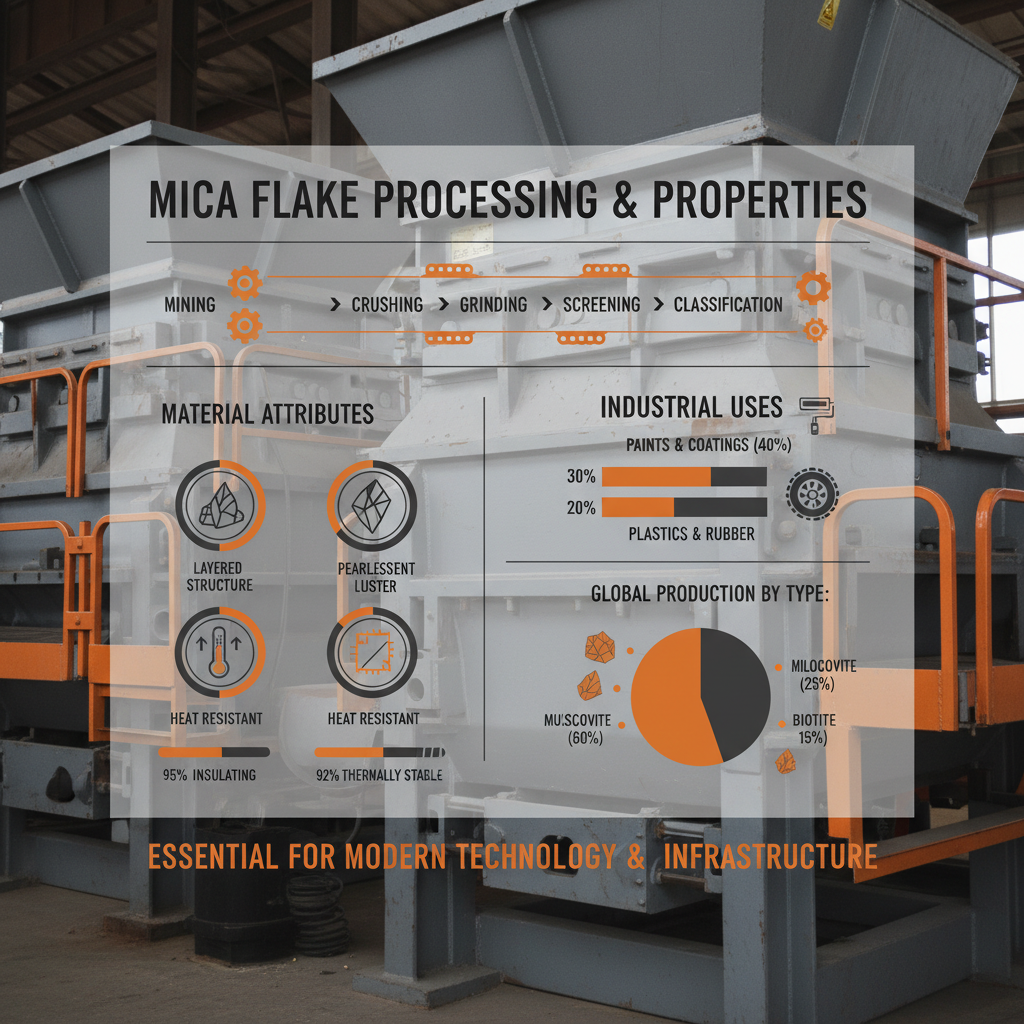
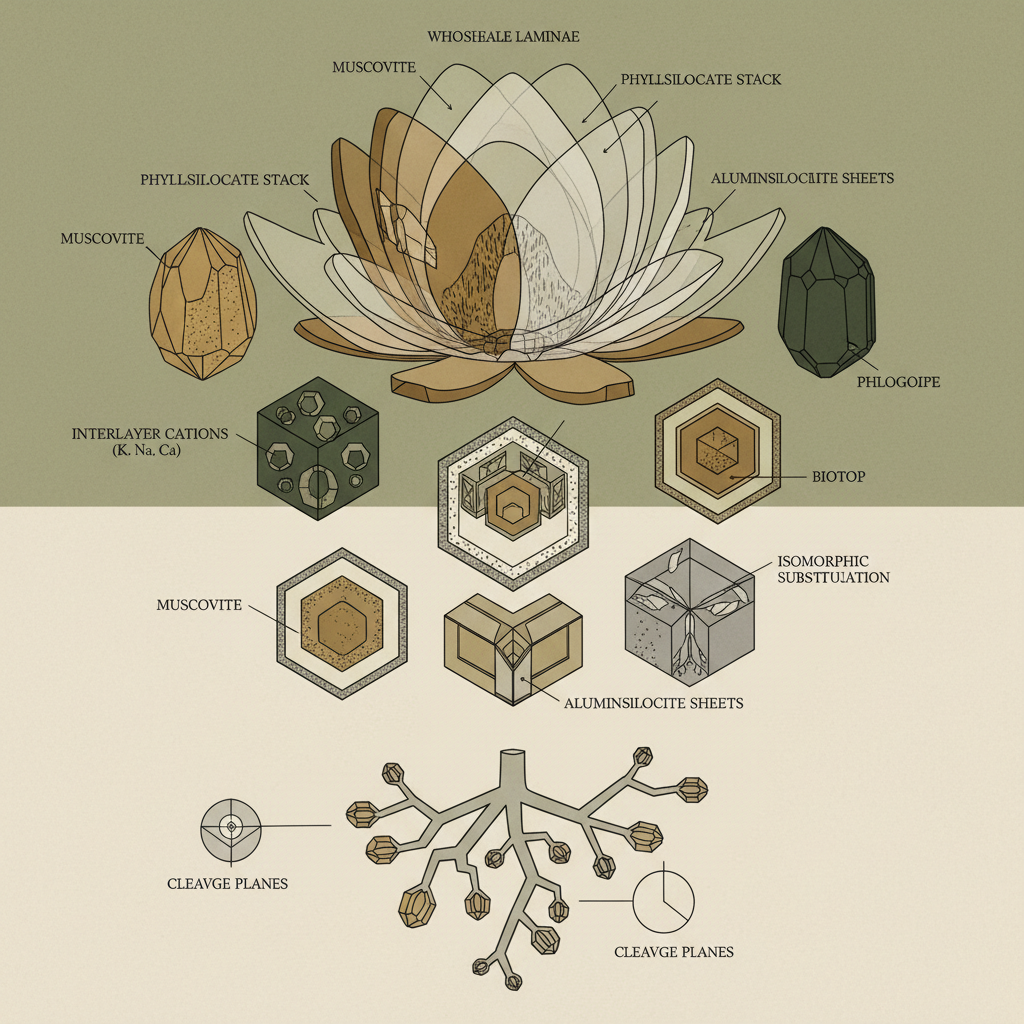
Mica flake refers to naturally occurring, sheet-like silicate minerals that are easily separated into thin, flexible layers. These minerals are primarily composed of aluminum potassium silicate, though variations exist in chemical composition leading to different types of mica, such as muscovite, phlogopite, and biotite. Muscovite mica flake is highly valued for its clarity and insulating properties.
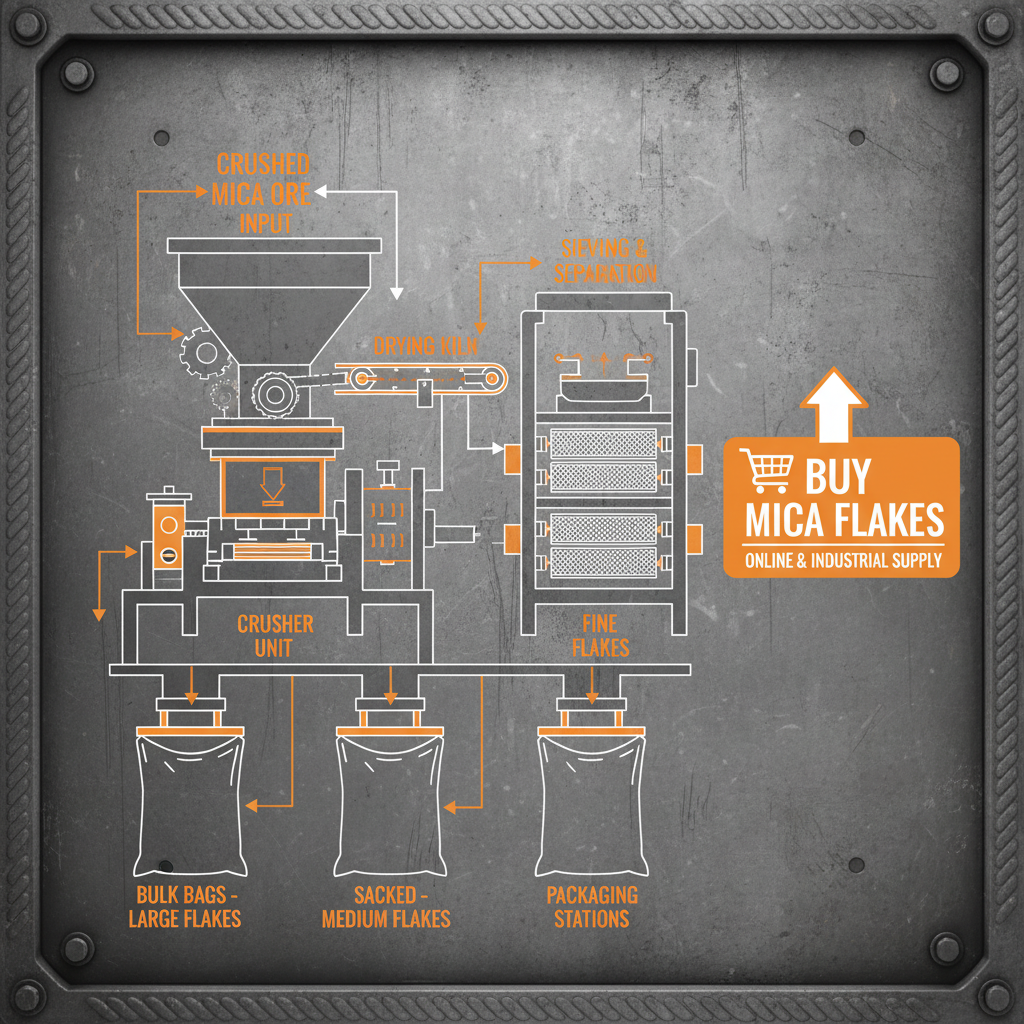
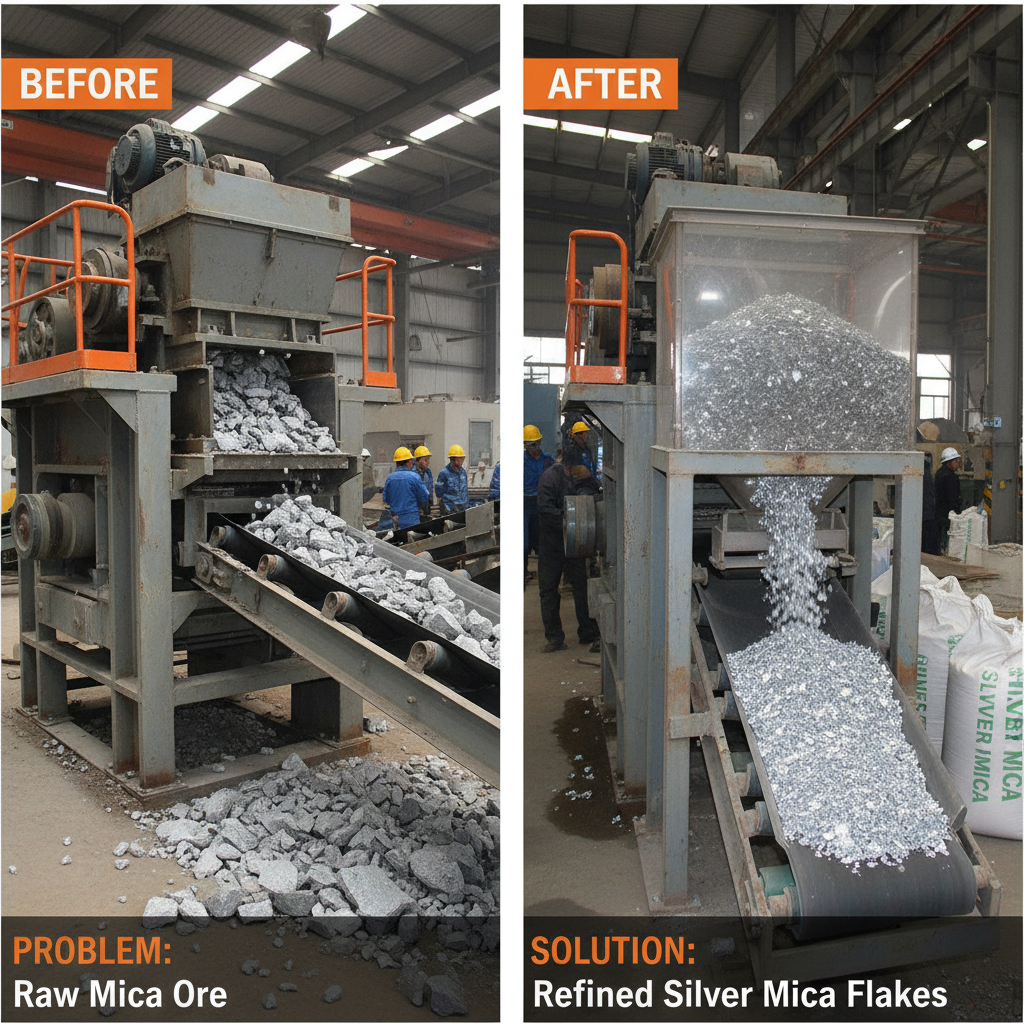
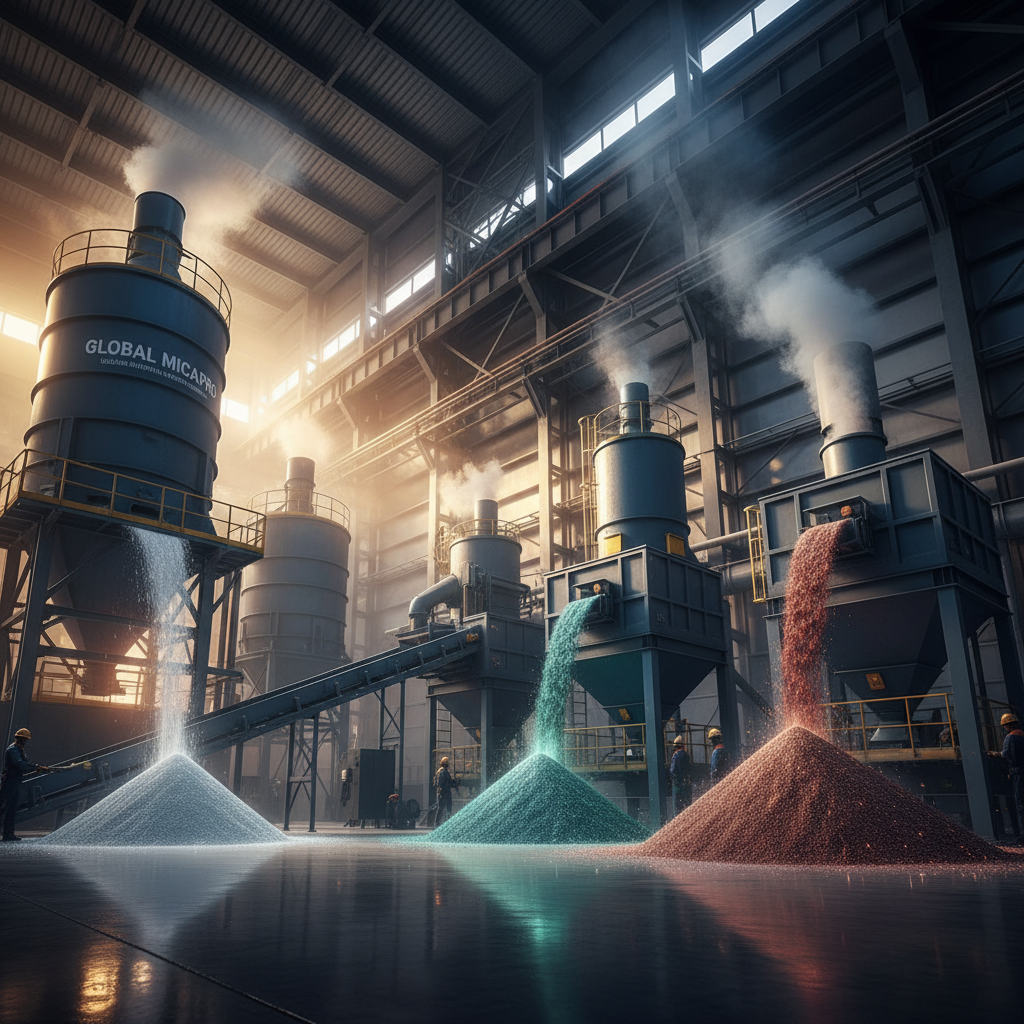
In industrial applications, mica flake is typically processed through crushing, grinding, and sieving to achieve specific particle sizes and shapes. This processing allows for tailored performance characteristics to meet the requirements of various end-use applications. The quality of the raw material and the precision of the processing significantly influence the final product.
Mica flake’s connection to modern industry and humanitarian needs lies in its ability to improve product performance, enhance safety, and enable sustainable solutions. Its versatility allows it to contribute to numerous sectors, ranging from cosmetics and paints to electronics and construction, impacting daily life for billions worldwide. The responsible sourcing of mica flake is essential.
Key Properties of Mica Flake
One of the most defining characteristics of mica flake is its exceptional thermal stability. It can withstand high temperatures without significant degradation, making it ideal for use in high-heat applications such as insulation in electrical components and fireproofing materials. This stability ensures product reliability and longevity.
Secondly, mica flake boasts high dielectric strength, meaning it is an excellent electrical insulator. This property is crucial in electronic devices, preventing short circuits and ensuring safe operation. The insulating properties of mica flake are significantly superior to many synthetic alternatives.
Mica Flake Property Comparison
Global Applications and Use Cases
Mica flake finds extensive use in the paints and coatings industry, where it acts as a filler, extender, and pigment. It improves paint durability, weather resistance, and opacity while also enhancing its aesthetic appeal. This application is particularly prevalent in automotive coatings and exterior architectural paints.
In the electronics sector, mica flake serves as a crucial insulating material in capacitors, circuit boards, and other electronic components. Its high dielectric strength and thermal stability are essential for ensuring the reliable operation of these devices. Demand is increasing with the growth of the electronics industry.
Advantages and Long-Term Value
Utilizing mica flake offers significant cost advantages compared to many synthetic alternatives, particularly in large-scale applications. Its natural abundance and relatively simple processing contribute to its affordability. This makes it an attractive option for businesses seeking to optimize their production costs.
Beyond cost, mica flake contributes to sustainable practices. As a naturally occurring mineral, it reduces reliance on petroleum-based materials, lowering carbon footprints and promoting a more circular economy. The long-term value of this environmental benefit is increasingly recognized by consumers and businesses alike.
Future Trends and Innovations
Ongoing research is exploring the use of mica flake in advanced battery technologies, particularly in solid-state batteries. Its insulating properties and thermal stability make it a promising component for improving battery performance and safety. This innovation could revolutionize the energy storage sector.
Digital transformation and automation are streamlining mica flake processing, leading to improved efficiency and quality control. Advanced sorting and grading technologies are enabling the production of mica flake with even more precise particle size distributions and purity levels, catering to specialized applications.
The integration of blockchain technology is also gaining traction within the mica supply chain, enhancing transparency and traceability. This allows consumers and businesses to verify the ethical sourcing of mica flake and ensure responsible mining practices. mica flake production is expected to grow.
FAQS
Mica flake is extensively used in automotive paints and coatings to enhance durability, weather resistance, and aesthetic appeal. It also serves as a filler in automotive plastics, improving their strength and dimensional stability. Additionally, mica flake can be found in undercoating materials to provide corrosion protection and sound dampening.
The particle size of mica flake significantly influences its performance in various applications. Smaller particle sizes generally provide better dispersion and smoother surface finishes in paints and coatings. Larger particle sizes may be preferred for applications requiring higher thermal conductivity or greater electrical insulation. Precise control of particle size is crucial for optimizing performance.
Mica flake is generally considered a more sustainable material compared to many synthetic alternatives, as it is a naturally occurring mineral. However, sustainable mining practices are essential to minimize environmental impact and ensure ethical sourcing. Choosing suppliers committed to responsible mining and traceability is crucial for maximizing the sustainability benefits.
Muscovite mica flake is known for its clarity, high dielectric strength, and excellent insulating properties. It's commonly used in electronics and high-performance coatings. Phlogopite mica flake, on the other hand, is typically darker in color and exhibits better thermal stability at high temperatures. It's often used in applications requiring high-heat resistance.
Mica flake undergoes several processing steps to achieve desired properties. These include crushing, grinding, classifying (sieving), and sometimes surface treatment. Surface treatment can involve coating the flakes with various substances to improve their dispersion, adhesion, or compatibility with other materials. These processes tailor the mica flake for specific applications.
When sourcing mica flake, it’s important to look for certifications that demonstrate ethical and sustainable practices. Key certifications include those from the Responsible Minerals Initiative (RMI), the Sustainable Mica Initiative (SMI), and ISO 9001 for quality management. These certifications ensure traceability, responsible sourcing, and consistent product quality.
Conclusion
In conclusion, mica flake stands as a remarkably versatile mineral with a growing global relevance. Its unique combination of thermal stability, dielectric strength, and flexibility makes it invaluable across a diverse range of industries, from automotive and electronics to paints and coatings. The ongoing commitment to responsible sourcing and innovative applications positions mica flake as a key material in a more sustainable future.
Looking ahead, continued investment in research and development, coupled with a strong focus on ethical supply chains, will unlock even greater potential for mica flake. By embracing transparency, traceability, and sustainable practices, the industry can ensure the long-term viability of this essential mineral and contribute to a more resilient and responsible global economy. Visit our website at www.kehuimica.com to learn more.