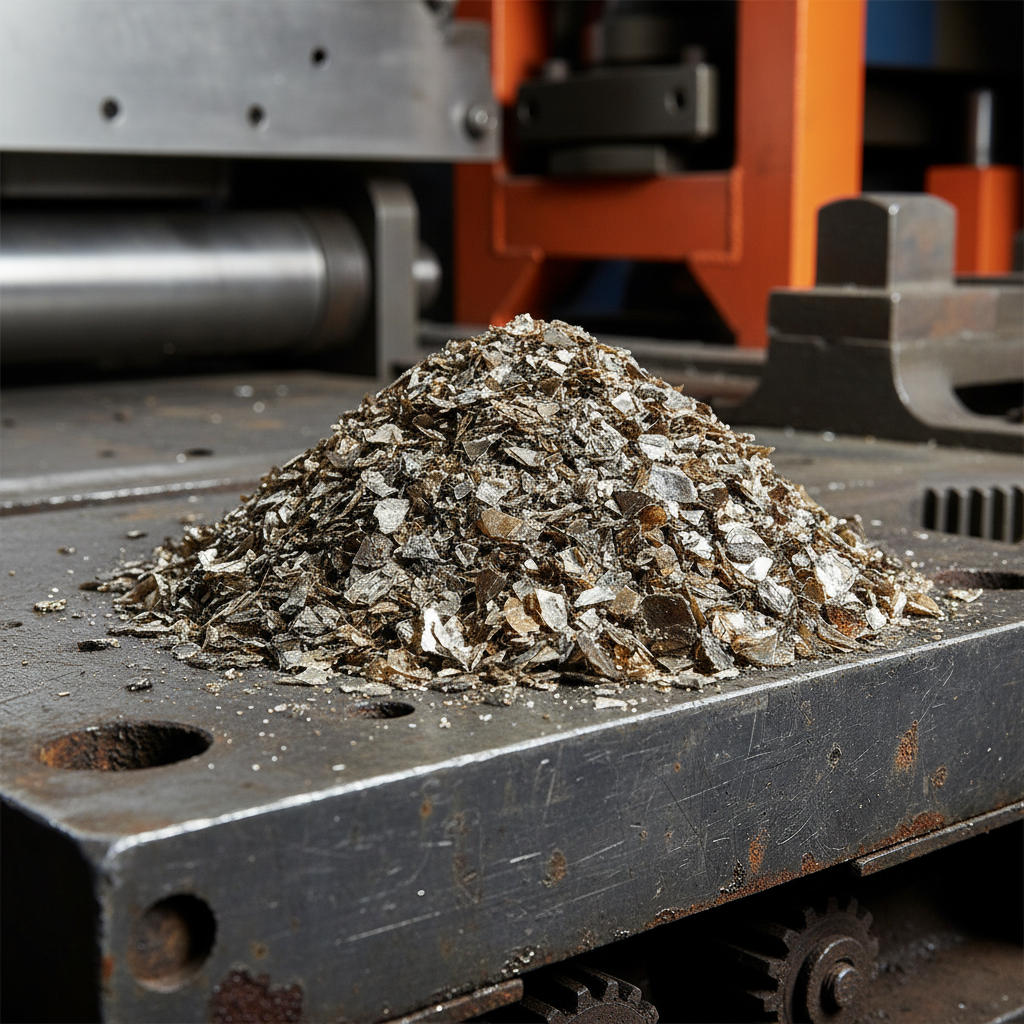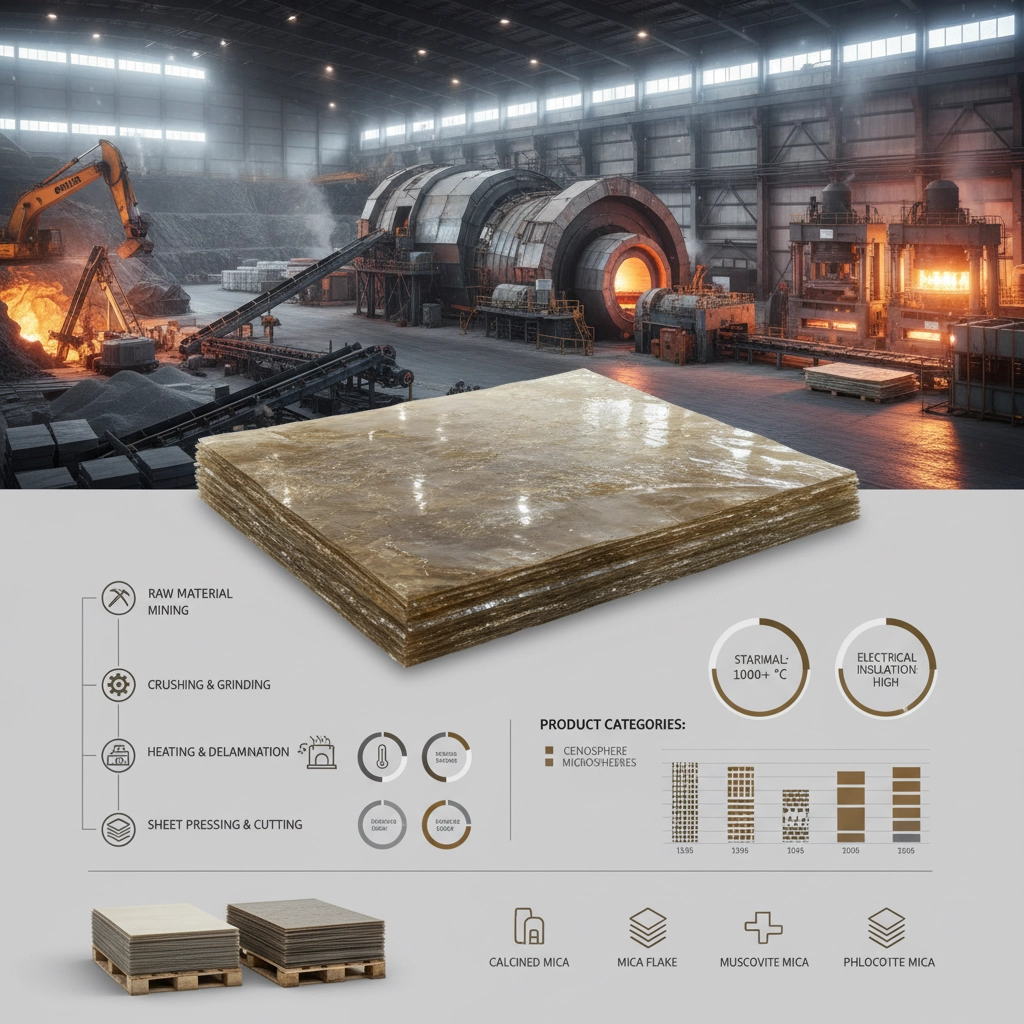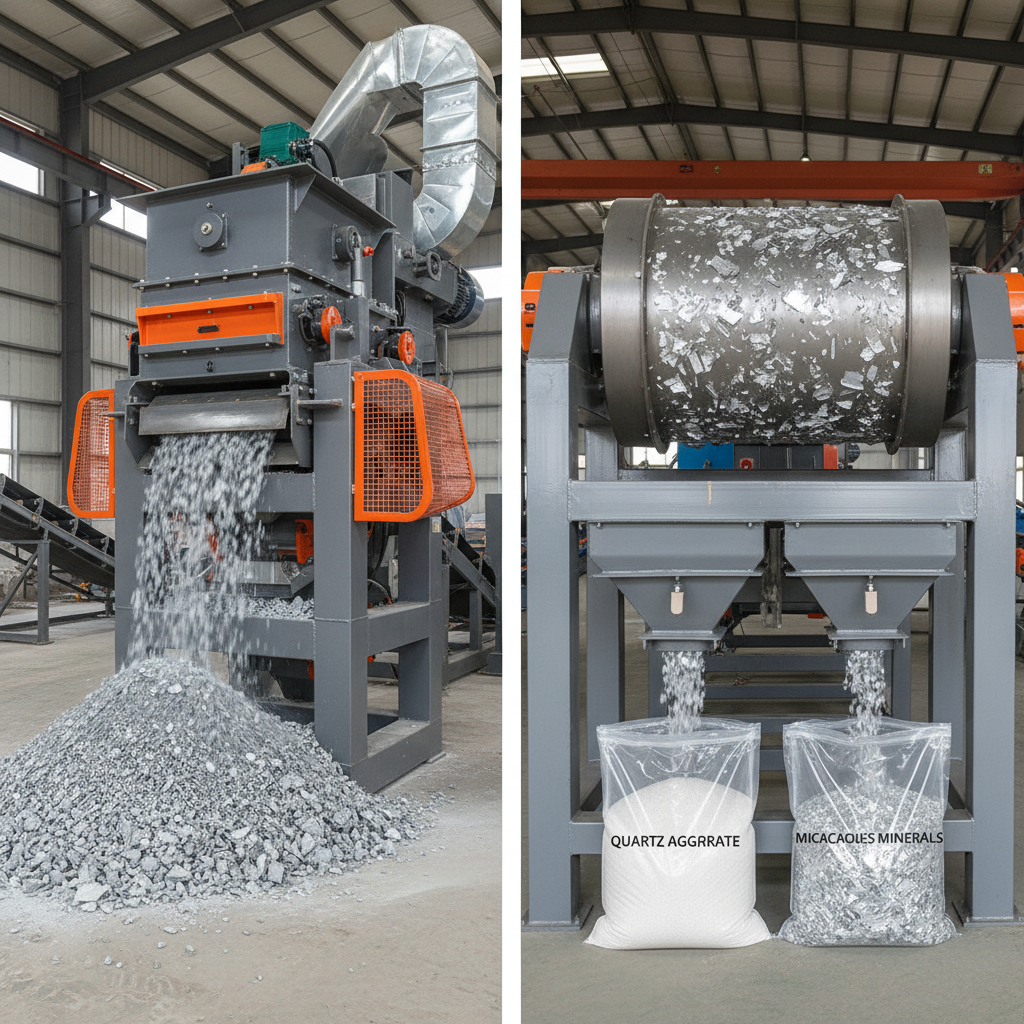
Procuring high-quality mineral fillers requires a clear understanding of how cenosphere price is determined within the non-metallic mineral products industry. As hollow ceramic microspheres derived from coal combustion, these materials offer unique lightweight and insulating properties that are critical for high-performance industrial coatings and construction materials.
For procurement managers and engineers, the challenge lies in balancing the initial cost against the technical performance gains, such as reduced density and increased thermal resistance. Fluctuations in raw material availability and the complexity of classification and purification processes often lead to significant price variance between different grades of cenospheres.
This analysis provides a comprehensive framework for evaluating the costs of cenosphere microspheres, examining the technical drivers of price, and establishing a decision matrix for selecting the right supplier based on application-specific requirements.

Core Drivers of Cenosphere Pricing

The cenosphere price is primarily influenced by the purity of the raw material and the intensity of the processing required to achieve specific technical standards. Unlike standard mineral fillers, cenospheres are by-products that require sophisticated separation techniques to remove ash and impurities, which directly adds to the manufacturing overhead.
Lingshou County Kehui Mica Co., Ltd. utilizes advanced dry impact technology and unique classification screening to ensure consistent quality. The cost of implementing these closed-filling processes and sterilization equipment is reflected in the final product value, as these steps eliminate contaminants that could otherwise compromise the integrity of automotive paints or high-temperature coatings.
Impact of Particle Size Distribution on Cost
Particle size is one of the most critical determinants of the cost structure for cenosphere microspheres. The narrower the size distribution (meaning a more uniform particle size), the higher the processing cost due to the increased amount of material lost during the classification and screening phases.
For instance, achieving a precise mesh size (such as the 40mesh or 200mesh standards used in high-end coatings) requires multiple stages of air separation. This precision is essential for users in the automotive paint industry who require a specific matt finish and controlled paint flow, making the specialized grade more expensive than general-purpose industrial fillers.
Application-Specific Cost Value Analysis
The economic viability of a specific cenosphere grade depends on the value it adds to the end product. In automotive and anti-corrosion paints, the use of high-purity microspheres acts as an anti-cracking agent and enhances scrub resistance, which reduces the long-term maintenance costs of the coating.
When integrating these materials into ceramics or rubber, the primary value is often found in the reduction of bulk density without sacrificing structural strength. Therefore, buyers should not look at the cenosphere price in isolation but rather as a component of the total material cost per cubic meter of the finished product.
Relative Cost Weighting by Grade
The following conceptual framework illustrates how different technical requirements shift the cost weighting. High-purity grades required for specialized chemical applications carry a higher price premium compared to those used in basic construction or gardening clay pebbles.
This illustrative data shows a normalized cost index where Grade A represents the highest purity and narrowest size distribution, while Grade E represents raw, unprocessed industrial fillers. The significant jump in cost for Grade A is attributed to the intensive dehydration and iron sand removal procedures.
Hidden Logistics and Stockpiling Costs
Beyond the per-kilogram price, the logistics of transporting lightweight, high-volume materials can significantly impact the landed cost. Because cenospheres have a very low bulk density, they occupy significant space in FCL or LCL containers, making shipping efficiency a key cost variable.
To mitigate these risks, leveraging a supplier with large capacity stockpiles—such as the infrastructure maintained by Lingshou Kehui—allows for "just-in-time" delivery. This reduces the buyer's need for extensive on-site storage and protects the production line from price spikes caused by sudden raw material shortages.
Common Procurement Pitfalls
A frequent error in procurement is selecting the lowest quoted cenosphere price without verifying the "free silica" content or the actual particle size distribution. Low-cost alternatives often contain higher levels of impurities, which can lead to poor adhesion in paints or structural weaknesses in composite materials.
Another risk is ignoring the consistency of the supply chain. Inconsistent purity levels between batches can force manufacturers to constantly adjust their formulas, leading to production downtime and increased waste. Verifying ISO 9001:2015 certification and audit compliance (such as SMETA) is essential to ensure long-term quality stability.
Strategic Supplier Selection Framework
When evaluating suppliers, buyers should use a weighted matrix that considers technical capability, supply reliability, and total cost of ownership. The following table compares different procurement approaches based on typical industry needs.
| Procurement Focus | Key Driver | Best Use Case | Primary Risk |
|---|---|---|---|
| Cost-Optimized | Low Unit Price | Basic Fillers | Inconsistent Purity |
| Technical-Grade | Particle Precision | Automotive Paint | Higher Initial Cost |
| Volume-Stable | Stockpile Capacity | Large Construction | Longer Lead Times |
| Quality-Certified | ISO/SMETA Audit | Export Markets | Strict Compliance Costs |
| Custom-Spec | Tailored Mesh Size | Specialized Polymers | Minimum Order Quantities |
| JIT-Delivery | Logistics Network | Lean Manufacturing | Dependency on Supplier |
The optimal choice depends on the final application. For critical components like heat-insulation coatings, the technical-grade approach is necessary to ensure the product meets safety and performance standards, despite the higher cost.
Frequently Asked Questions
The most significant fluctuations are caused by the availability of high-quality raw coal fly ash and the cost of energy required for high-temperature dehydration and purification processes.
Yes. Narrower size distributions require more intensive classification screening, leading to higher material loss and increased processing time, which raises the price.
High purity, specifically low free silica content, ensures better compatibility with resins and paints, reducing the risk of cracking and enhancing the durability of the final coating.
Because of their low bulk density, shipping costs per ton are often higher than for denser minerals. Optimizing packaging (e.g., using big bags) can help mitigate these expenses.
Check for certifications like ISO 9001:2015 and ask about their specific classification technology, such as dry impact or closed filling processes, to ensure batch consistency.
Bulk purchasing typically lowers the unit price, but the cost of stockpiling and the risk of material degradation may make JIT delivery from a high-capacity supplier more economical.
Conclusion
Determining the true cenosphere price requires looking beyond the initial quote to evaluate the intersection of particle precision, purity levels, and logistical efficiency. For high-performance applications in the automotive and construction sectors, the investment in high-purity microspheres is justified by the reduction in material waste and the increase in end-product durability.
Procurement professionals can review detailed specifications for cenosphere microspheres and other mineral fillers at www.kehuimica.com to align material selection with their specific technical and budgetary requirements.