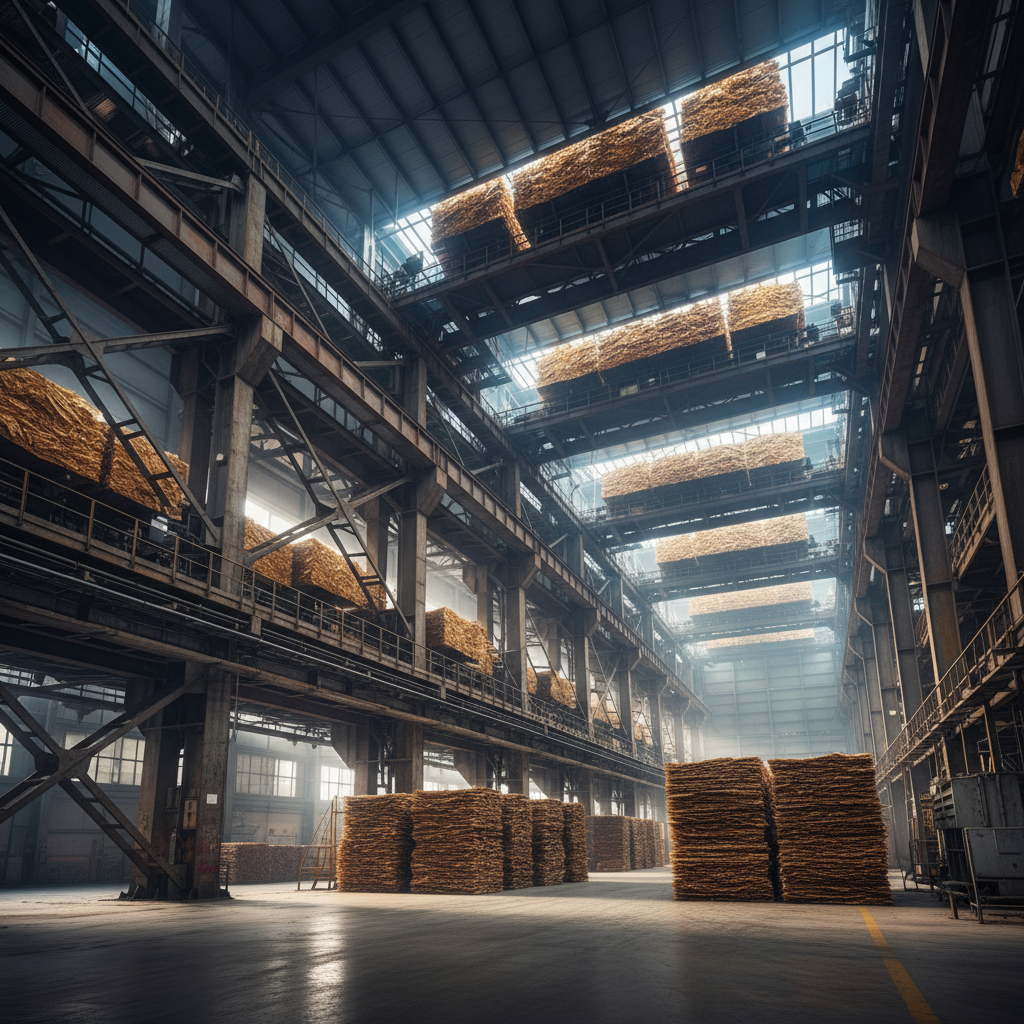
Selecting the right mineral substrate is a critical decision for commercial growers and industrial engineers who need to optimize aeration and water retention. When professionals look to buy expanded clay, they are typically seeking a stable, porous medium that prevents soil compaction and promotes superior root oxygenation.
The shift toward soilless culture and hydroponic systems has highlighted the necessity of materials that offer consistent physical properties over long cycles. Expanded clay pebbles, known for their structural integrity and pH neutrality, serve as a foundational component in modern horticultural and construction applications.
Understanding the technical nuances between different expanded minerals—such as perlite, cenospheres, and clay pebbles—is essential for maximizing yield and operational efficiency. This guide evaluates the procurement criteria and technical advantages of high-grade expanded clay for diverse industrial needs.

Understanding the Fundamentals of Expanded Clay Substrates

Expanded clay is produced by heating raw clay to extremely high temperatures, causing it to expand and create a network of internal pores. This process transforms a dense material into lightweight, spherical pebbles that provide a unique balance of air space and water-holding capacity, making it an ideal alternative to traditional soil.
From a technical perspective, the value of these pebbles lies in their capillary action, which allows water to move efficiently through the medium while maintaining high oxygen levels around the root zone. This prevents the anaerobic conditions that often lead to root rot in saturated soils.
In the broader context of non-metallic mineral products, expanded clay sits alongside materials like perlite and cenospheres. While perlite is often used for extreme lightness and sterile rooting, expanded clay is preferred for long-term structural support and reusable drainage layers in larger containers.
Core Technical Advantages of Expanded Clay Pebbles
The primary appeal of high-quality expanded clay is its pH neutrality and sterility. For commercial operations, this means a predictable environment where nutrient availability is governed by the fertilizer solution rather than the substrate itself, reducing the need for constant pH corrections.
Beyond chemistry, the physical geometry of the pebbles prevents the medium from compacting. In traditional soil, organic matter breaks down and creates dense pockets; however, expanded clay remains inert, ensuring that the pore space remains open for gas exchange.
Furthermore, the lightweight nature of the material simplifies logistics and installation, particularly in roof gardens or vertical farming setups where load-bearing capacity is a primary constraint.
Diverse Applications in Horticulture and Industrial Engineering
In horticultural settings, expanded clay is frequently used as a base layer for drainage or as a primary component in soilless mixes. It is particularly effective in hydroponic systems where it acts as a mechanical support for the roots while allowing the nutrient solution to flow freely.
Outside of the greenhouse, these minerals find use in construction and oil field applications. The ability to provide lightweight filling without sacrificing compressive strength makes expanded minerals valuable for specialized concrete and insulation layers.
Additionally, when combined with other mineral fillers like Calcined Mica or Cenosphere Microspheres, companies can create composite materials tailored for specific thermal or electrical insulation properties in the automotive and electronics sectors.
Comparing Aeration and Moisture Retention Performance
The efficiency of a growing medium is typically measured by its ability to hold water without displacing the air required for root respiration. Expanded clay excels in this balance, providing a consistent moisture status regardless of external weather fluctuations.
When compared to traditional peat-based soils, expanded clay shows a significantly lower risk of over-watering. Its open-pore structure ensures that excess water drains away quickly, while the internal pores retain enough moisture to sustain the plant between watering cycles.
buy expanded clay Performance Metrics
As illustrated in the performance data, the use of expanded clay increases the oxygen availability in the root zone compared to standard soil benchmarks, which directly correlates to faster root development and increased crop yields in controlled environment agriculture.
Strategic Procurement Factors for Mineral Fillers
For procurement officers, the decision to buy expanded clay should be based on a combination of particle size uniformity, bulk density, and certification standards. Inconsistent sizing can lead to uneven drainage and "dead zones" within a large-scale hydroponic bed.
Logistics also play a significant role in the total cost of ownership. Since these materials are bulky, choosing a partner with tailored logistics solutions—such as FCL or LCL container shipments—can significantly reduce shipping overheads.
Furthermore, verifying that the product is sterile and weed-free is non-negotiable for commercial growers, as the introduction of pathogens into a soilless system can lead to catastrophic crop loss.
Emerging Trends in Sustainable Mineral Mediums
The industry is moving toward a circular economy model where mineral substrates are cleaned and reused multiple times. Expanded clay is naturally suited for this, as its inorganic structure does not decompose, allowing for sterilization and redeployment.
There is also an increasing focus on blending expanded clay with other specialized minerals. For instance, mixing clay pebbles with cenospheres can create a medium with enhanced thermal insulation, which may be useful for outdoor urban farming in extreme climates.
As automation in agriculture increases, the demand for highly uniform substrates grows. AI-driven watering systems require a medium with predictable water-holding curves to optimize nutrient delivery without manual intervention.
Decision Matrix for Selecting the Right Clay Medium
Choosing between different mineral options depends entirely on the specific goals of the project. While expanded clay offers the best structural longevity, other materials might be more appropriate for short-term rooting or specific industrial fillers.
The following matrix compares common mineral substrates based on their performance in typical commercial scenarios to help buyers make an informed decision.
| Substrate Type | Primary Strength | Ideal Application | Lifecycle Cost |
|---|---|---|---|
| Expanded Clay Pebbles | Structural Stability | Hydroponics / Drainage | Low (Reusable) |
| Agricultural Perlite | Extreme Aeration | Rooting Cuttings | Medium (Degrades) |
| Cenosphere Microspheres | Thermal Insulation | Industrial Coatings | High (Specialized) |
| Calcined Mica | Heat Resistance | Electrical Insulation | Medium (Technical) |
| Muscovite Mica Flakes | Dielectric Strength | Automotive Parts | Medium (Technical) |
| Standard Peat Mix | Water Retention | Traditional Potting | Low (Single Use) |
Ultimately, for those who need a durable, pH-neutral, and high-aeration medium, expanded clay remains the industry standard. Professionals can review the relevant product and company information available through www.kehuimica.com to ensure their selection meets specific technical requirements.
Frequently Asked Questions
Conclusion
Optimizing the growth environment requires a strategic approach to substrate selection. Expanded clay stands out as a premier choice for those seeking a balance of structural integrity, pH stability, and superior aeration, making it indispensable for both modern hydroponics and specialized industrial applications.
By focusing on procurement metrics such as purity and size uniformity, businesses can ensure long-term operational efficiency. For more information on high-grade mineral fillers and expanded substrates, please visit www.kehuimica.com.