Mica factories play a crucial role in supplying this versatile mineral, essential across a surprisingly diverse range of industries. From cosmetics and paints to electronics and automotive components, the demand for mica is consistently high. Understanding the operations and complexities of a mica factory—from raw material sourcing and processing to quality control and distribution—is vital for businesses relying on this material and for anyone interested in responsible sourcing practices. The efficient operation of a mica factory directly impacts the supply chain for countless products globally.
The global mica market is substantial, estimated to be worth billions of dollars and exhibiting steady growth. However, it's not without its challenges. Concerns around ethical sourcing, particularly child labor in some regions, have spurred increased scrutiny and the demand for transparency within the mica supply chain. A responsible mica factory prioritizes fair labor practices, environmental sustainability, and consistent product quality.
Technological advancements and increasing sustainability requirements are driving innovation within the mica industry. Modern mica factories are implementing advanced processing techniques to improve efficiency, reduce waste, and produce higher-purity mica grades. This focus on innovation ensures that mica remains a competitive and valuable material for years to come, serving a diverse and expanding array of applications.
The Role of Mica Factories in Global Supply Chains
Mica factories aren't isolated entities; they are integral nodes within complex global supply chains. They transform raw mica ore into the refined products demanded by numerous manufacturing sectors. The efficiency and reliability of these factories significantly impact the production timelines and costs for industries ranging from cosmetics and paints to electronics and automotive. A well-managed mica factory streamlines this process, ensuring a consistent and high-quality supply.
The location of mica factories often dictates the types of mica processed. For example, factories in India and China are major producers of sheet mica, while those in other regions may specialize in mica powders or flakes. The geographic distribution of these factories is closely tied to the availability of raw materials and transportation infrastructure, creating a complex web of interconnected dependencies within the global economy.
Defining a Mica Factory
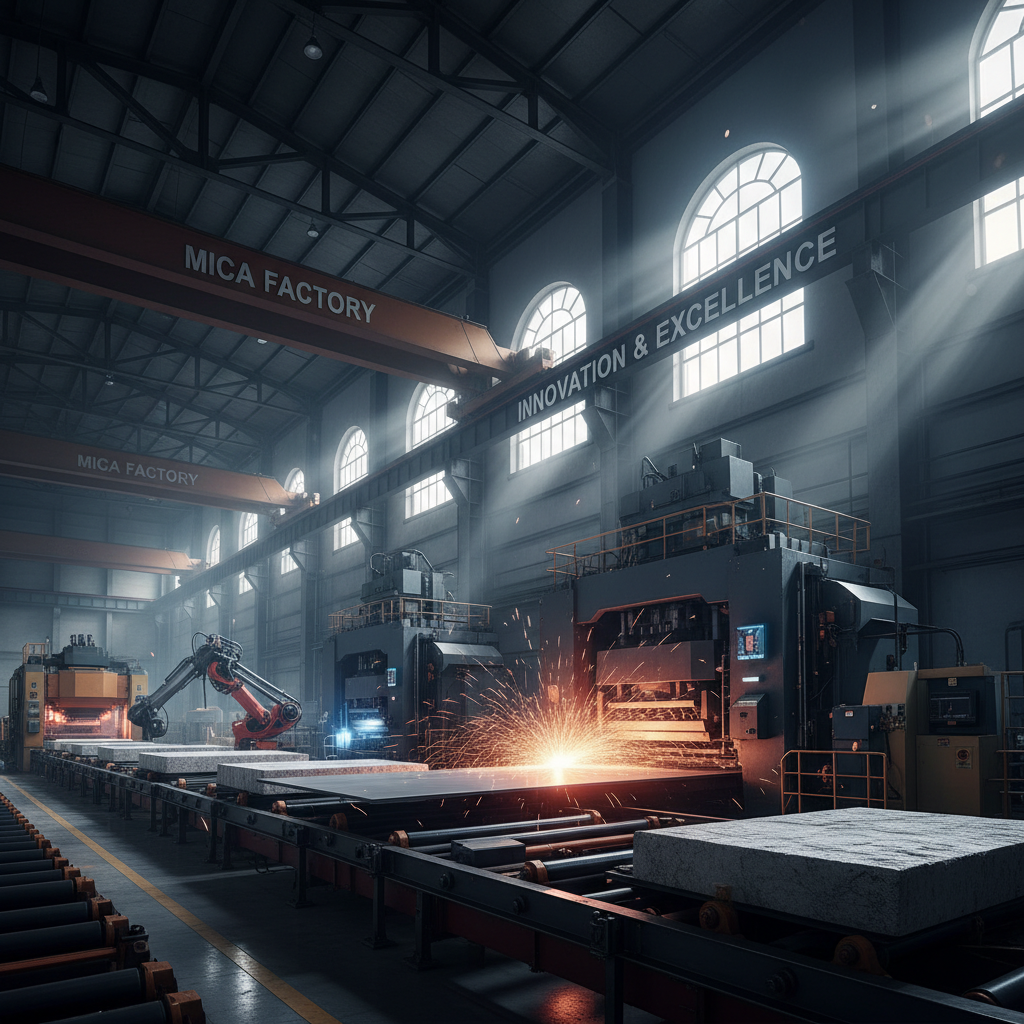
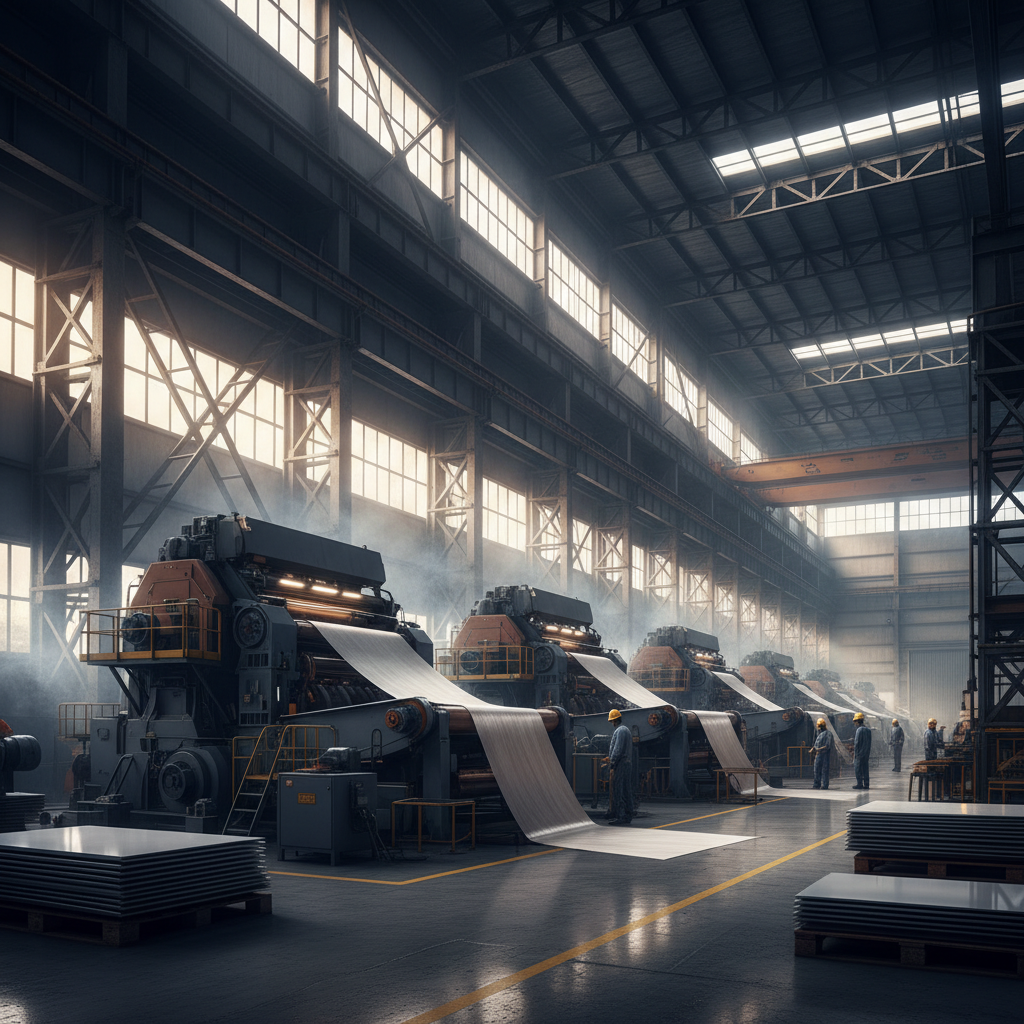
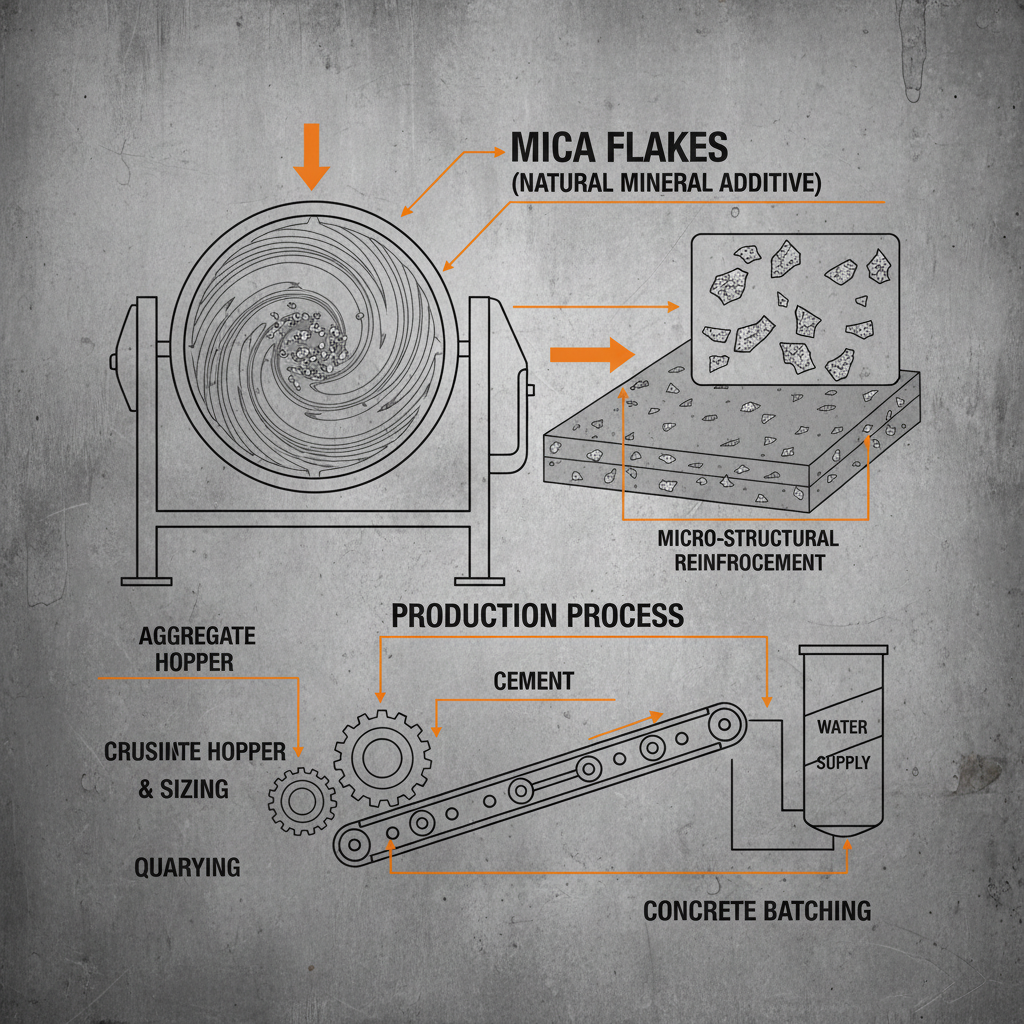
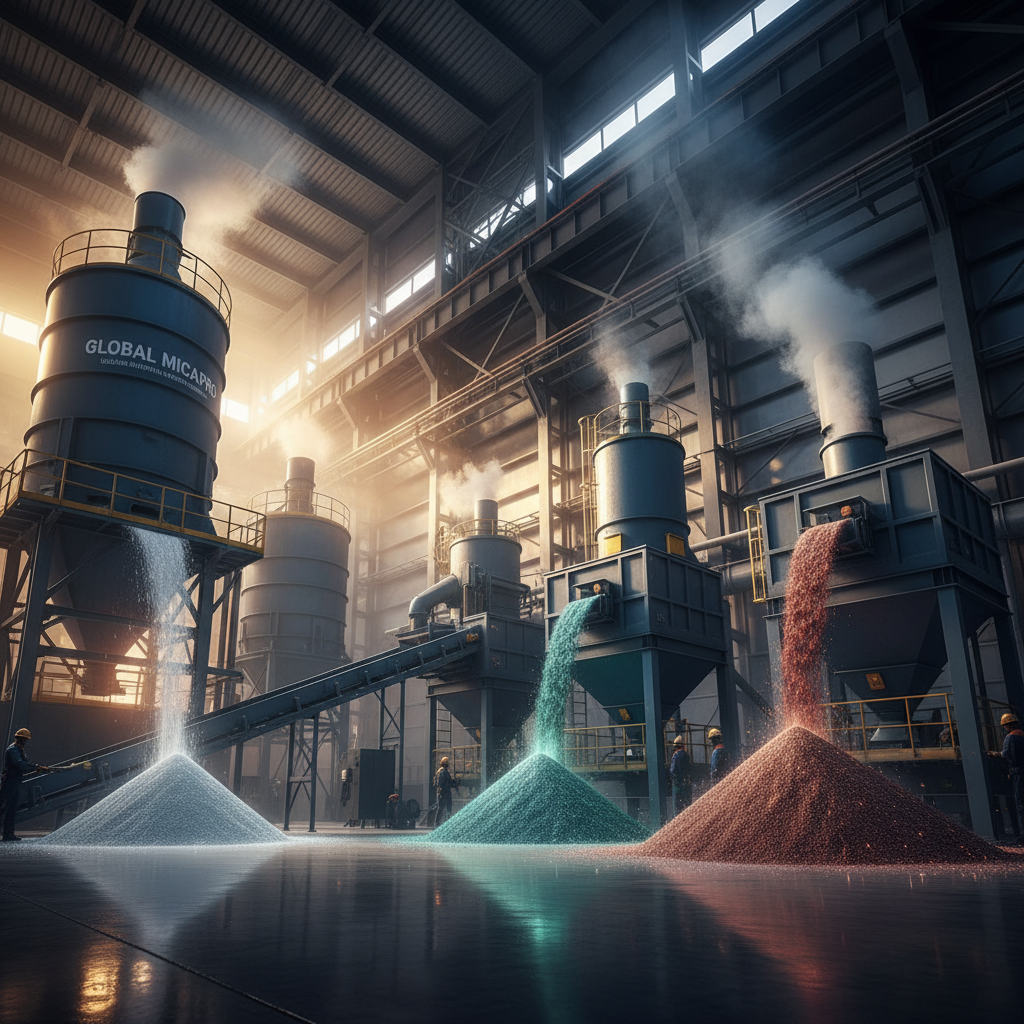
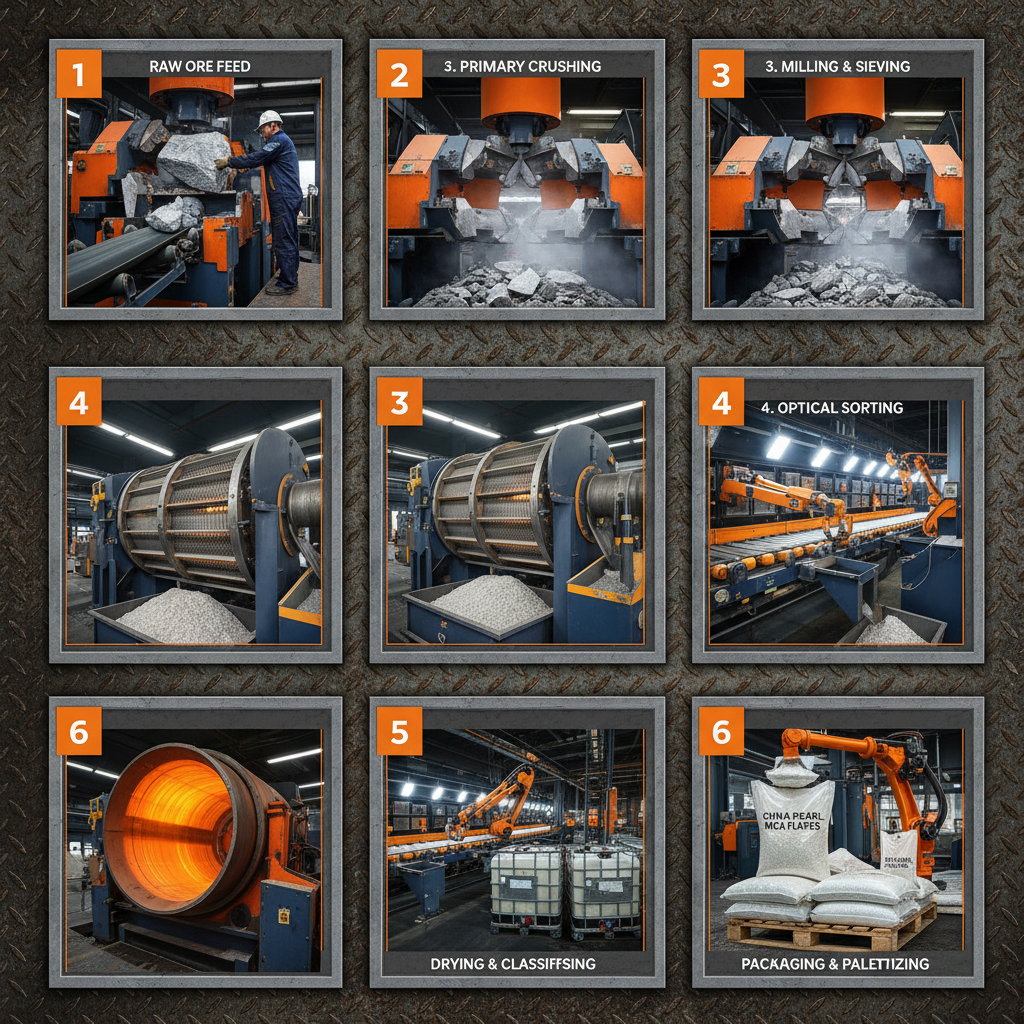
A mica factory is a facility dedicated to the extraction, processing, and refinement of mica minerals. This encompasses a series of operations, beginning with the sourcing of raw mica, often from open-pit or underground mines. This raw material is then processed through crushing, grinding, washing, and sorting to separate the mica from other minerals and impurities. These factories utilize specialized equipment for splitting mica into sheets, or for milling it into various particle sizes for powder applications.
Crucially, a modern mica factory isn’t simply about processing. It also involves rigorous quality control procedures to ensure the final product meets specific industry standards. This includes testing for purity, particle size distribution, color, and other critical characteristics. Many factories now incorporate sustainability initiatives, focusing on waste reduction, water conservation, and responsible sourcing practices.
The connection to modern industry is undeniable. Mica’s unique properties – its dielectric strength, thermal stability, and non-conductivity – make it indispensable in electronics, particularly in capacitors and insulators. Its reflective properties are leveraged in paints, coatings, and cosmetics. Without a functioning network of mica factories, these industries would face significant supply chain disruptions.
Core Components of Mica Factory Operations
The foundation of any successful mica factory lies in its efficient raw material sourcing and management. This includes establishing reliable supply chains with mines that adhere to ethical and environmental standards. Effective inventory control, coupled with robust logistics, ensures a consistent flow of raw mica to meet production demands.
Processing technology is another core component. This includes crushing and grinding equipment, separation systems (gravity, magnetic, and electrostatic), and milling machines. Investing in modern, automated processing technology can significantly increase efficiency, reduce waste, and improve product quality. This is where a mica factory differentiates itself.
Quality control and assurance are paramount. This involves establishing stringent testing protocols at every stage of the production process, from raw material inspection to final product analysis. Advanced analytical instruments and skilled technicians are essential for ensuring that all mica products meet the required specifications and industry standards.
Key Factors Influencing Mica Factory Performance
Durability of equipment and infrastructure is a primary factor. Mica processing can be abrasive, and machinery needs to withstand constant wear and tear. Regular maintenance, timely repairs, and investment in robust equipment are essential for minimizing downtime and maintaining consistent production.
Scalability is another critical consideration. A successful mica factory needs to be able to adapt to fluctuations in demand. This requires flexible production capacity, the ability to quickly ramp up or down output, and the potential for future expansion.
Mica Factory Performance Metrics
Global Applications and Use Cases for Mica
The automotive industry utilizes mica in paints and coatings to enhance durability, corrosion resistance, and aesthetic appeal. Specifically, mica-based pigments provide a metallic luster and improve scratch resistance in car finishes. It’s a crucial component in high-performance automotive coatings.
In the electronics sector, mica serves as a vital insulating material in capacitors, high-voltage equipment, and circuit boards. Its excellent dielectric strength and thermal stability make it ideal for preventing electrical breakdowns and ensuring reliable performance in electronic devices. Modern mica factory processes are crucial to providing this.
Advantages and Long-Term Value of Investing in Quality Mica Factories
Investing in a high-quality mica factory offers significant cost benefits. Efficient processing techniques, reduced waste, and optimized energy consumption all contribute to lower production costs, which can be passed on to customers. The resulting competitive pricing strengthens market position. The best factories maintain strong relationships with raw material suppliers, further contributing to cost stability.
Sustainability is increasingly important. A responsible mica factory minimizes its environmental impact through water conservation, waste reduction, and the implementation of eco-friendly processing methods. This not only benefits the environment but also enhances the company’s reputation and attracts environmentally conscious customers. These practices build trust and demonstrate long-term commitment. The societal impact is also significant, ensuring fair labor practices and contributing to local economic development.
Reliability is paramount for supply chain security. A consistent and dependable supply of high-quality mica ensures that downstream industries can maintain their production schedules and meet customer demands. This reliability fosters strong, long-term partnerships and reduces the risk of disruptions.
Future Trends and Innovations in the Mica Industry
The development of more sustainable mining and processing techniques is a key trend. This includes exploring alternative extraction methods with reduced environmental impact and implementing closed-loop systems to minimize water usage and waste generation. The increasing demand for ethically sourced mica will drive further innovation in this area. The mica factory of the future will embrace circular economy principles.
Digital transformation is playing a growing role. The integration of automation, data analytics, and artificial intelligence can optimize production processes, improve quality control, and enhance supply chain management. Real-time monitoring of equipment performance and predictive maintenance can reduce downtime and improve efficiency.
New applications for mica are constantly emerging. Research and development efforts are exploring the use of mica in advanced materials, such as nanocomposites and energy storage devices. These innovative applications have the potential to significantly expand the market for mica and drive further growth in the industry.
FAQS
A standard mica factory implements rigorous quality control at each processing stage. This includes raw material inspection for purity and size, in-process checks during crushing and grinding, and final product analysis for particle size distribution, color consistency, and dielectric strength. Sophisticated analytical instruments, like spectrophotometers and particle size analyzers, are commonly used to ensure adherence to industry standards and customer specifications. Batch traceability is also crucial for identifying and addressing any quality issues.
Modern mica factories are increasingly focused on minimizing their environmental footprint. Water conservation is achieved through closed-loop recycling systems, where water used in processing is treated and reused. Waste disposal is managed through responsible methods, including the recovery and repurposing of mica fines and the proper disposal of other waste materials. Sustainable sourcing of raw materials and adherence to environmental regulations are also critical components of a factory’s environmental strategy.
The production capacity of a large-scale mica factory varies greatly depending on the type of mica being processed and the technology employed. However, a typical facility can process between 500 to 2000 metric tons of raw mica per year. This translates to several tons of refined mica powder or sheets per month. Factors like raw material availability, processing efficiency, and market demand all influence the actual production output.
Ethical sourcing remains a significant challenge for mica factories. Concerns about child labor and unsafe working conditions in some mica mines are prevalent. Factories are increasingly implementing robust supply chain audits, requiring suppliers to demonstrate compliance with ethical labor standards, and investing in traceability systems to track mica from mine to finished product. Collaboration with NGOs and industry associations is also vital for addressing this issue.
Automation is being integrated into several aspects of mica factory operations. Automated crushing, grinding, and sorting systems improve efficiency and reduce labor costs. Robotic arms are used for handling materials and packaging finished products. Data analytics and machine learning algorithms are employed for process optimization and quality control. These advancements enhance productivity and minimize human error.
Industry analysts project a steady growth rate for the global mica market over the next five years, estimated at around 4-6% annually. This growth is driven by increasing demand from the automotive, electronics, paints & coatings, and cosmetics industries. The rising adoption of electric vehicles and the growing focus on sustainable building materials are also contributing to the market expansion. New applications for mica in advanced technologies are expected to further fuel growth.
Conclusion
The operation of a mica factory is far more complex than simply extracting and processing a mineral. It’s a vital link in global supply chains, demanding a commitment to quality, sustainability, and ethical sourcing. From the initial sourcing of raw materials to the final refined product, each stage requires careful management and technological innovation. The future of the mica industry hinges on embracing these principles and adapting to evolving market demands.
Looking ahead, continuous investment in research and development, coupled with a strong focus on automation and sustainable practices, will be crucial for maintaining competitiveness. Mica factories that prioritize transparency, responsible sourcing, and customer satisfaction are poised to thrive in the years to come. Visit our website at www.kehuimica.com to learn more about our commitment to quality and sustainability.