Mica suppliers play a pivotal role in a vast array of industries, from cosmetics and paints to electronics and automotive. Their ability to source, process, and deliver high-quality mica – a naturally occurring mineral valued for its unique properties – is essential for countless products we use daily. Understanding the complexities of the mica supply chain, including ethical sourcing and quality control, is increasingly important in today’s global marketplace. This understanding empowers businesses to make informed decisions and ensures responsible practices.
The global demand for mica is consistently growing, driven by advancements in technology and expanding applications. Major producing countries like India, China, and Russia are central to the supply network, but challenges such as labor practices and environmental sustainability have brought increased scrutiny to the industry. Effective sourcing strategies and transparent supply chains are becoming vital differentiators for businesses seeking reliable and ethically sourced materials from mica suppliers.
The availability of reliable mica suppliers directly impacts the innovation and production capabilities of numerous sectors. Finding partners who can consistently meet stringent quality standards, navigate complex regulations, and offer competitive pricing is critical for maintaining a strong position in the market. A robust network of reputable mica suppliers is therefore paramount to the success of various downstream industries.
Introduction to mica suppliers
Mica suppliers are specialized businesses responsible for sourcing, processing, and distributing mica minerals to a diverse range of industries. They act as a critical link between mica mines and the manufacturers who rely on mica's unique properties for their products. The success of these suppliers hinges on their ability to maintain consistent quality, adhere to ethical sourcing practices, and adapt to the ever-changing demands of the global market.
Effective mica suppliers offer a comprehensive suite of services, often including mineral grading, milling, surface treatment, and packaging. They also play a crucial role in navigating international regulations and ensuring compliance with industry standards. A strong relationship with reliable mica suppliers provides manufacturers with a competitive advantage through secure supply chains and access to high-performance materials.
Defining mica suppliers
At their core, mica suppliers bridge the gap between the raw mica mineral and the end-user industries that depend on it. They don’t simply sell a commodity; they provide a solution. This involves a deep understanding of the different types of mica (muscovite, phlogopite, vermiculite, etc.), their specific properties, and their suitability for various applications. A qualified mica supplier will possess the expertise to advise clients on the most appropriate mica grade for their needs.
Beyond material sourcing, mica suppliers often offer value-added services such as custom processing, including milling to specific particle sizes, surface modification to enhance compatibility with different matrices, and specialized packaging to maintain product integrity during transit. Their operations contribute significantly to the efficient functioning of industries reliant on mica’s dielectric, insulating, and reflective qualities.
The modern mica supplier isn’t just a distributor. They are increasingly focused on traceability, sustainability, and responsible sourcing, reflecting a growing demand for ethically produced materials. This includes verifying labor practices, minimizing environmental impact, and ensuring fair trade principles are upheld throughout the supply chain.
Key Characteristics of Reliable mica suppliers
One critical aspect of reliable mica suppliers is their commitment to consistent quality control. This involves rigorous testing of each batch of mica to ensure it meets pre-defined specifications for purity, particle size, color, and other key characteristics. Utilizing advanced analytical techniques and maintaining a well-equipped laboratory are essential components of this process.
Another defining characteristic is a robust and transparent supply chain. Reliable mica suppliers can trace the origin of their mica, verifying that it is sourced ethically and responsibly. This often involves close relationships with mining operations and adherence to international standards for labor and environmental protection.
Finally, a responsive and knowledgeable customer service team is vital. Reliable suppliers are able to provide technical support, answer questions about their products, and offer tailored solutions to meet specific customer needs. This proactive approach builds trust and fosters long-term partnerships.
Global Applications of mica suppliers
Mica supplied by reputable companies finds extensive use in the electrical industry, acting as an insulator in capacitors, wiring, and other electronic components. Its high dielectric strength and thermal stability make it an indispensable material for ensuring the safety and reliability of electrical systems. The automotive industry utilizes mica in paints and coatings to provide corrosion resistance and enhance aesthetic appeal.
The cosmetics industry is a significant consumer of mica, prized for its shimmering effect and light-reflecting properties. Mica pigments are used in foundations, eyeshadows, lipsticks, and other cosmetic products to create a luminous and radiant finish. The paint and coatings sector leverages mica’s ability to improve durability, weather resistance, and color vibrancy in various architectural and industrial applications.
In regions like North America and Europe, mica suppliers cater to technologically advanced industries demanding high purity and consistent particle sizes. Simultaneously, growing economies in Asia, particularly China and India, drive demand for mica in construction materials, paints, and increasingly, the electric vehicle sector.
Mica Application Market Share (by Volume)
Advantages of Partnering with Quality mica suppliers
Choosing quality mica suppliers translates to enhanced product performance and consistency. By securing high-purity mica, manufacturers can improve the dielectric strength of electrical components, create more vibrant and durable paints, and formulate cosmetics with superior shimmer and texture. Reliable suppliers offer the assurance of consistent quality, minimizing production disruptions and ensuring product integrity.
A strong partnership with experienced mica suppliers also unlocks access to technical expertise and customized solutions. Suppliers can assist in selecting the optimal mica grade for specific applications, providing guidance on processing techniques, and offering tailored packaging options. This collaborative approach fosters innovation and drives efficiency throughout the supply chain.
Future Trends in the mica suppliers Industry
Sustainability is rapidly becoming a central focus within the mica suppliers industry. Increasingly, buyers are demanding ethically sourced mica, free from child labor and produced with minimal environmental impact. Suppliers are responding by investing in traceability technologies and implementing responsible sourcing programs. The development of synthetic mica alternatives is also gaining momentum, offering a potentially more sustainable and ethically sound solution.
Digital transformation is reshaping the mica supply chain, with suppliers leveraging data analytics and blockchain technology to enhance transparency and traceability. These technologies enable buyers to verify the origin of mica, track its journey through the supply chain, and ensure compliance with ethical and environmental standards. Automated quality control systems and optimized logistics are further enhancing efficiency and reducing costs.
The expanding electric vehicle (EV) market is creating new opportunities for mica suppliers. Mica is a critical component in EV batteries and other electrical systems, and demand is expected to soar as EV adoption continues to grow. Suppliers who can meet the stringent quality and performance requirements of the EV industry will be well-positioned for success.
Challenges and Solutions for mica suppliers
One significant challenge faced by mica suppliers is ensuring ethical sourcing practices, particularly in regions where child labor and unsafe working conditions persist. Solutions include implementing robust auditing programs, collaborating with NGOs to support worker welfare, and promoting transparency throughout the supply chain. Investing in alternative sourcing regions with stricter labor regulations can also mitigate risks.
Maintaining consistent quality can be difficult due to variations in raw material composition and processing techniques. Suppliers can address this challenge by implementing stringent quality control procedures, utilizing advanced analytical equipment, and investing in employee training. Establishing standardized grading systems and certifications can also help ensure product consistency.
Navigating complex international regulations and trade barriers presents another hurdle. Suppliers can overcome this by staying informed about evolving regulatory requirements, establishing strong relationships with customs brokers, and seeking guidance from trade organizations. Diversifying sourcing locations and markets can also reduce reliance on any single region or country.
Summary of Challenges and Solutions for Mica Suppliers
| Challenge Area |
Severity (1-10) |
Potential Solution |
Implementation Cost (1-10) |
| Ethical Sourcing |
9 |
Auditing & Transparency |
7 |
| Quality Control |
8 |
Advanced Analytics & Training |
6 |
| Regulatory Compliance |
7 |
Expert Consultation & Diversification |
5 |
| Supply Chain Disruptions |
6 |
Diversified Supplier Network |
4 |
| Market Volatility |
5 |
Long-Term Contracts & Hedging |
6 |
| Environmental Impact |
7 |
Sustainable Practices & Waste Reduction |
8 |
FAQS
When selecting a mica supplier, prioritize factors like consistent quality, ethical sourcing practices, traceability, and reliable delivery. Evaluate their certifications, assess their quality control processes, and inquire about their commitment to responsible mining and labor standards. Consider their experience serving your specific industry and their ability to provide technical support and customized solutions. A strong reputation and transparent supply chain are also essential indicators.
Verifying ethical sourcing involves requesting documentation from your supplier, such as audit reports and certifications from reputable organizations. Look for suppliers who participate in traceability programs and can demonstrate a clear chain of custody for their mica. Inquire about their relationships with mining communities and their efforts to promote fair labor practices and environmental sustainability. Third-party verification can provide an additional layer of assurance.
Mica grades vary based on purity, particle size, color, and other characteristics. Muscovite mica is commonly used in electrical insulation and high-temperature applications, while phlogopite mica is preferred for its low iron content and is often used in cosmetics. Vermiculite mica is known for its expansion properties and is used in insulation and construction materials. Selecting the appropriate grade depends on the specific requirements of your application.
Lead times can vary depending on the supplier, the quantity ordered, and the availability of the specific mica grade. Generally, standard grades with readily available stock can be shipped within a few days. Customized processing or larger orders may require longer lead times, typically ranging from one to several weeks. It’s crucial to communicate your requirements and deadlines clearly to your supplier to ensure timely delivery.
Mica prices are influenced by several factors, including the grade and purity of the mica, the quantity ordered, the cost of mining and processing, and transportation expenses. Market demand, geopolitical conditions, and currency exchange rates can also impact pricing. Obtaining quotes from multiple suppliers and negotiating terms can help ensure competitive pricing.
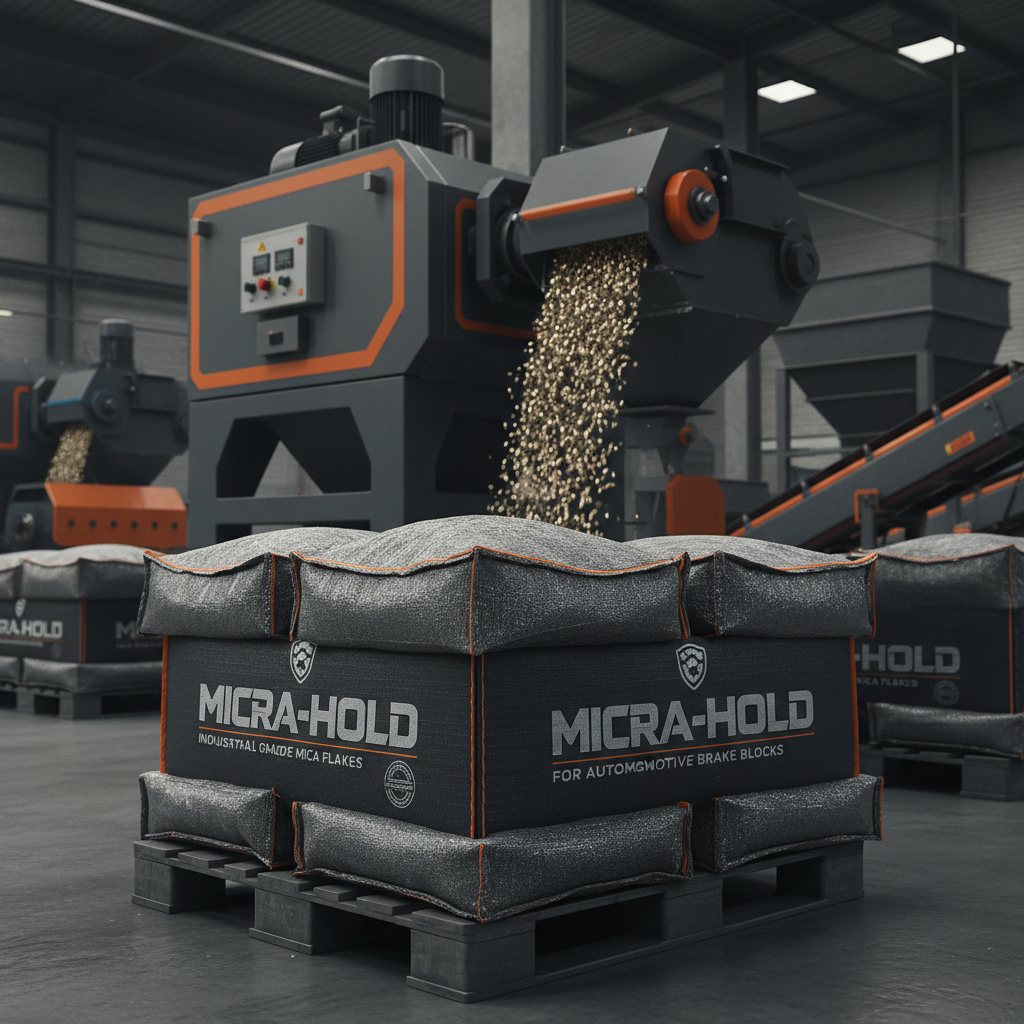
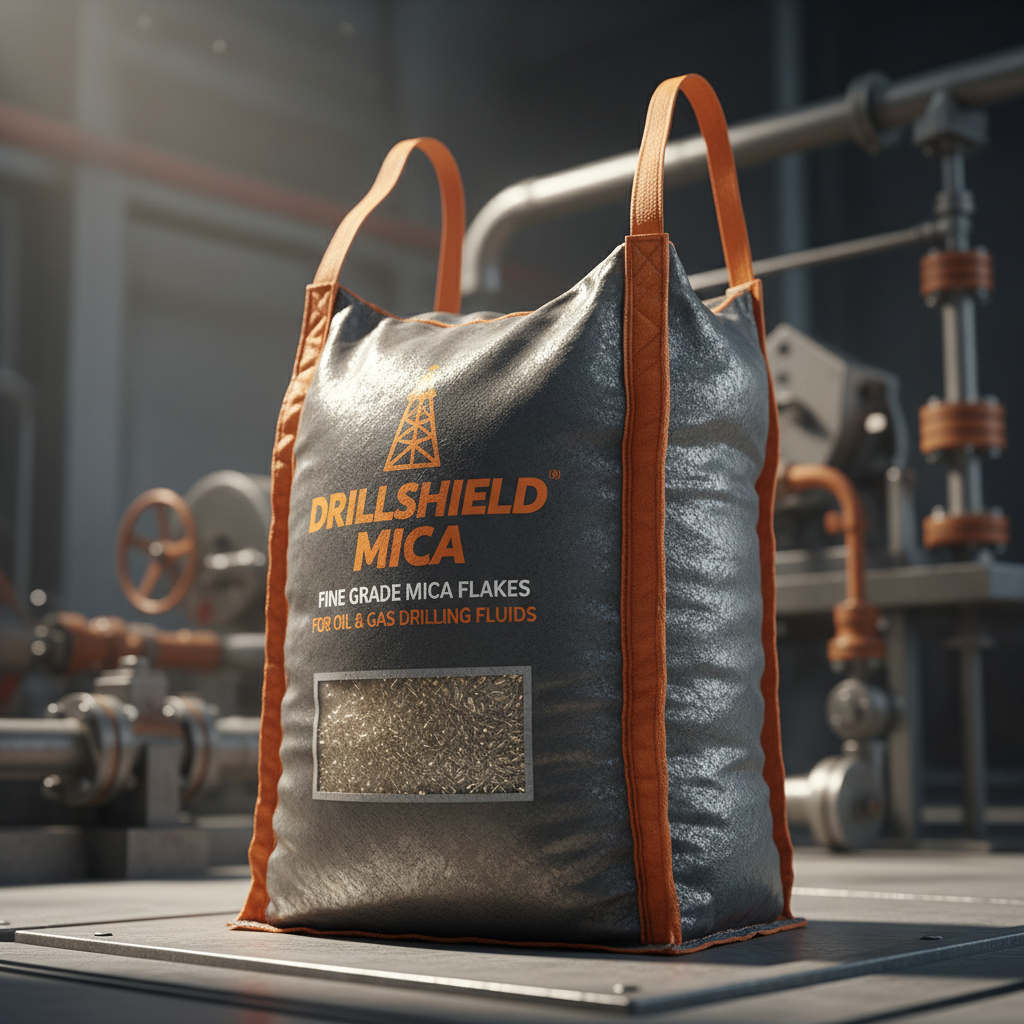
Mica suppliers typically offer a range of packaging options to suit different needs. Common options include multi-layer paper bags, polyethylene bags, fiber drums, and bulk containers. The packaging is designed to protect the mica from moisture, contamination, and physical damage during transit. Custom packaging solutions may be available for specific applications or volume requirements.
Conclusion
In conclusion, choosing the right mica suppliers is critical for businesses across numerous industries. A reliable supplier ensures consistent quality, ethical sourcing, and efficient supply chains, ultimately contributing to superior product performance and a stronger competitive position. The future of the mica industry hinges on embracing sustainability, leveraging technological advancements, and prioritizing responsible practices.
We encourage you to prioritize due diligence when selecting a mica supplier and to demand transparency throughout the supply chain. By partnering with reputable companies committed to ethical and sustainable practices, you can ensure that your mica sourcing contributes to a more responsible and resilient future.