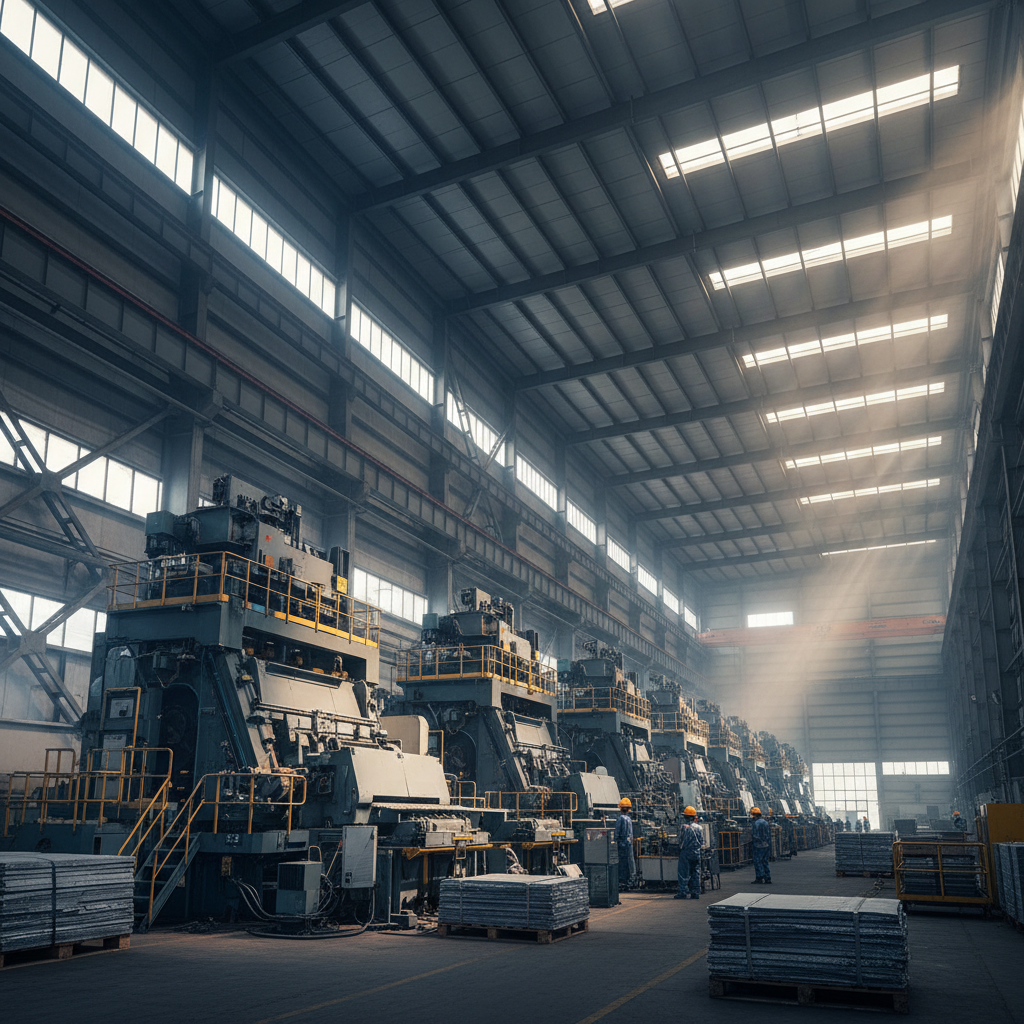
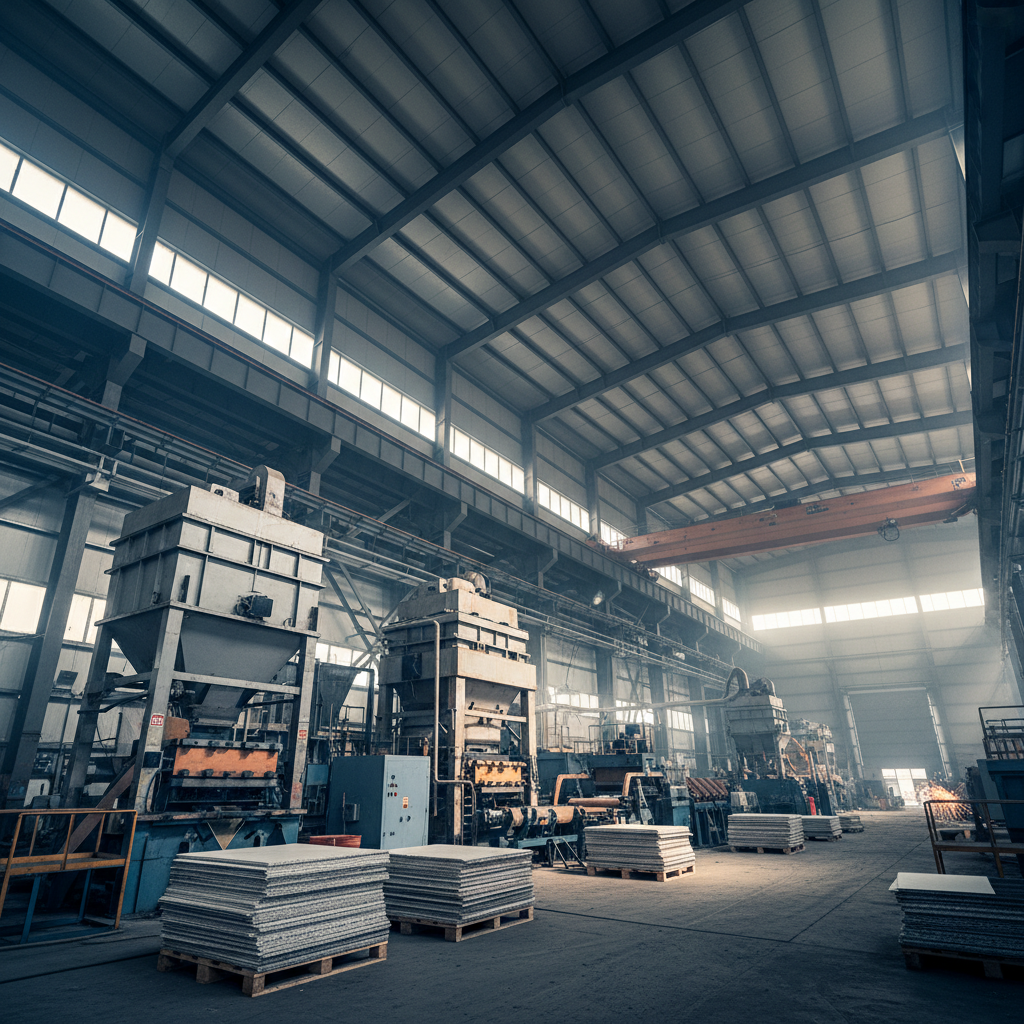
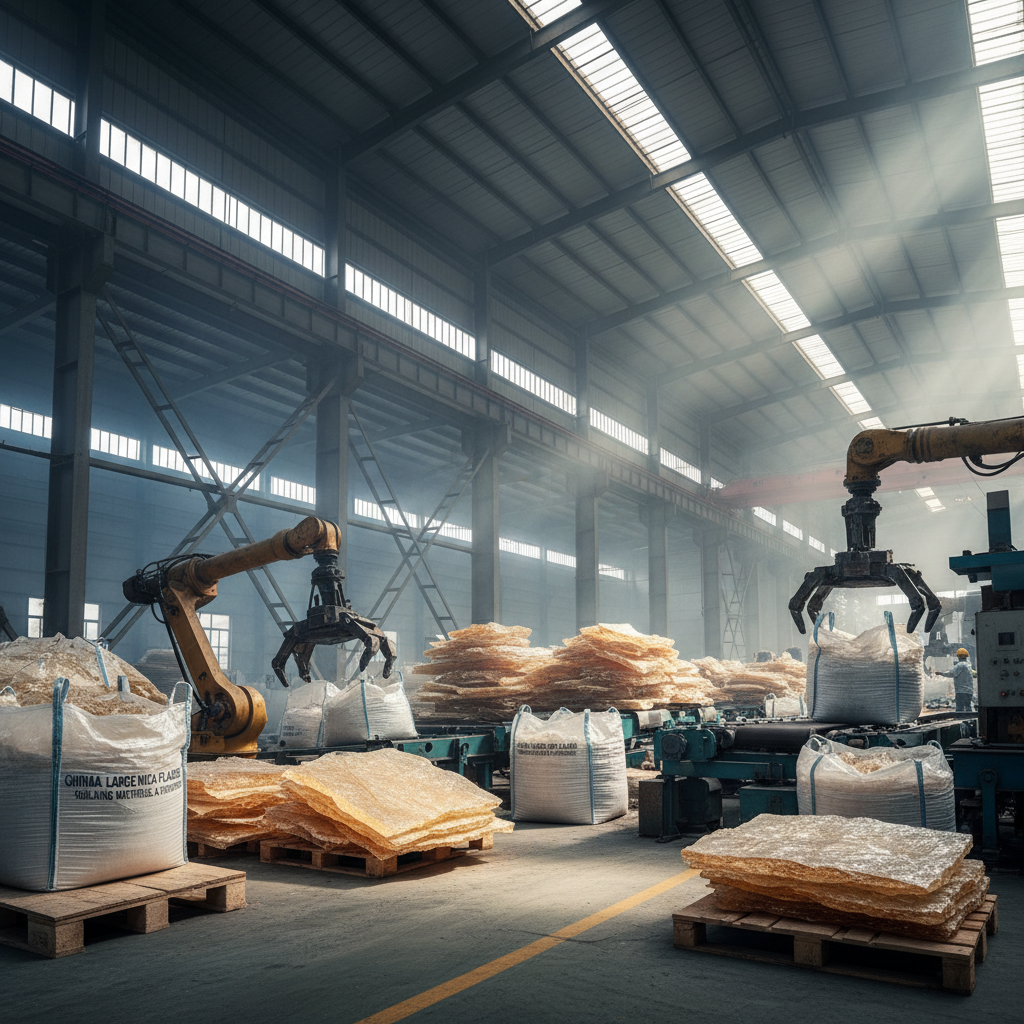
Mica manufacturers play a critical, often unseen, role in a vast array of industries globally. From electronics and cosmetics to paints and even aerospace, the unique properties of mica – its insulating capabilities, pearlescent sheen, and chemical inertness – make it an indispensable component. Understanding the landscape of mica manufacturers, their practices, and the challenges they face is vital for ensuring sustainable sourcing, ethical production, and continued innovation in these diverse sectors. The global demand for mica is steadily increasing, driven by growth in these end-use applications, making the role of these manufacturers increasingly important.
The mica manufacturing industry faces increasing scrutiny regarding labor practices and environmental impact. Historically, mica mining has been associated with child labor and unsafe working conditions, particularly in certain regions. However, a growing number of manufacturers are committed to responsible sourcing and sustainable practices, implementing traceability systems and investing in worker welfare. This shift is driven by both consumer demand and regulatory pressures, highlighting the need for transparency and accountability within the industry. The need for reliable mica manufacturers is paramount.
Ultimately, the quality and reliability of downstream products depend on the expertise and commitment of mica manufacturers. Choosing suppliers who prioritize ethical and sustainable practices not only mitigates risk but also contributes to a more responsible and resilient supply chain. Investing in these responsible mica manufacturers is therefore vital for a diverse range of sectors.
The Global Significance of mica manufacturers
Mica manufacturers are integral to numerous global industries, with a market size estimated at over $2.3 billion in 2023 (source: Global Market Insights). This demand is fuelled by its essential role in sectors like automotive, construction, and increasingly, electric vehicles where its electrical insulating properties are crucial. The United Nations Sustainable Development Goals (SDGs), particularly those related to responsible consumption and production (SDG 12) and decent work and economic growth (SDG 8), highlight the importance of ethical sourcing and fair labor practices within the mica supply chain.
A significant challenge faced by the industry is the historical reliance on artisanal and small-scale mining, which often lacks adequate regulatory oversight and can be associated with exploitative labor practices. This necessitates a collaborative approach involving governments, NGOs, and responsible mica manufacturers to implement and enforce stricter standards and promote sustainable mining practices. The responsible engagement of mica manufacturers is vital for addressing these critical issues.
Defining mica manufacturers and Their Role
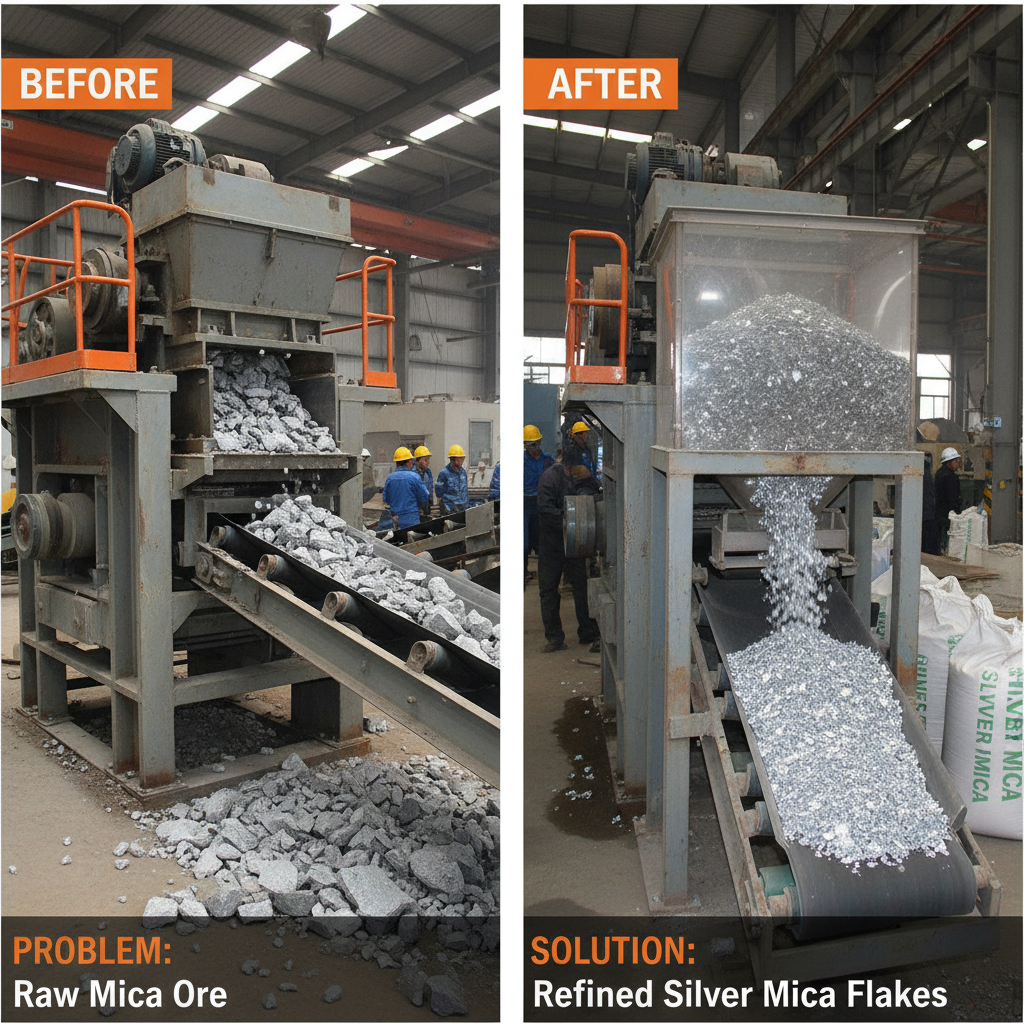
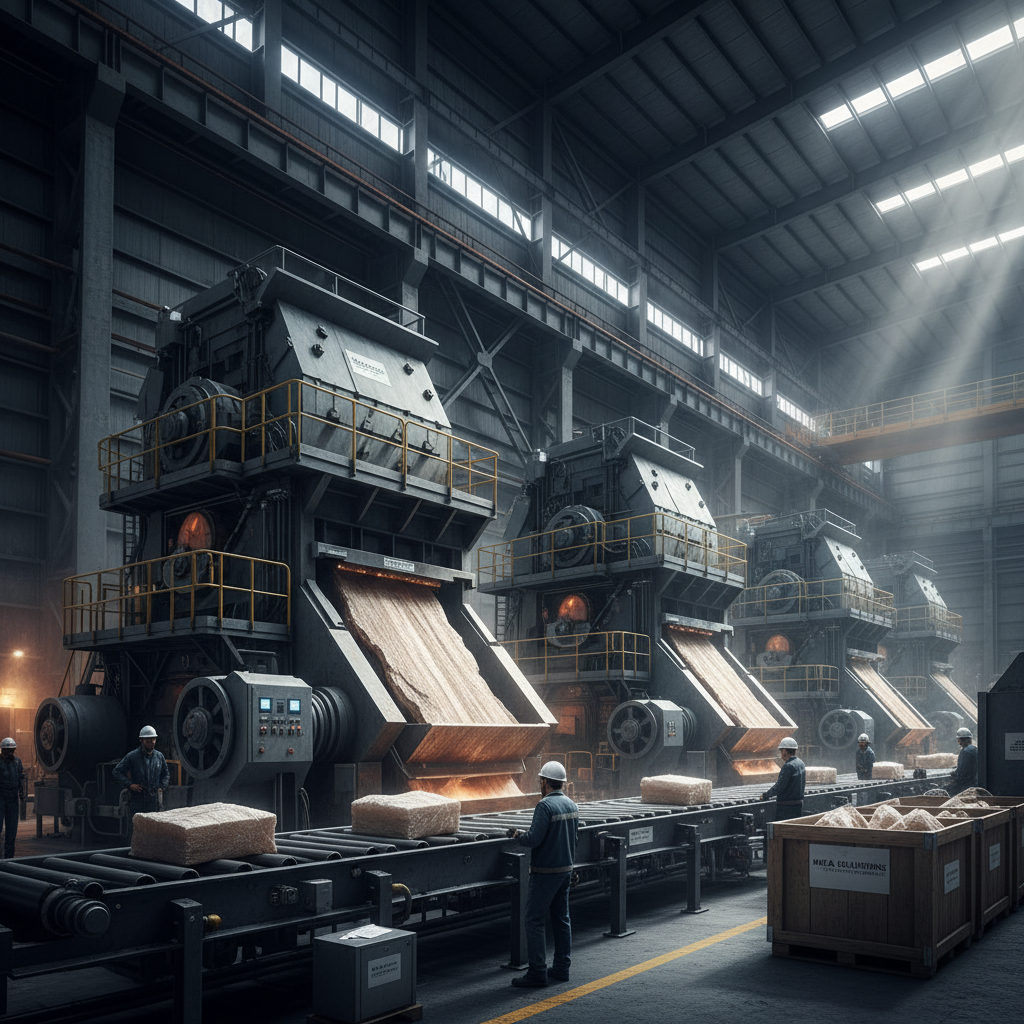
Mica manufacturers are companies specializing in the extraction, processing, and supply of mica minerals. This encompasses a broad range of activities, from mining the raw ore to crushing, grinding, sorting, and surface-treating the mica flakes to meet specific customer requirements. These manufacturers serve as a vital link in the supply chain, providing high-quality mica to various downstream industries.
Unlike companies simply trading in mica, manufacturers actively engage in the physical transformation of the mineral. They control the quality, consistency, and purity of the final product. Their role extends beyond simply providing a raw material; they often collaborate with customers to develop customized mica solutions for specific applications.
The connection to modern industry and humanitarian needs is substantial. In electronics, mica ensures component reliability. In construction, it enhances the durability of paints and coatings. And increasingly, ethical mica sourcing contributes to responsible supply chains, aligning with global sustainability initiatives. mica manufacturers are key to this.
Core Attributes of Leading mica manufacturers
Leading mica manufacturers distinguish themselves through several key attributes. First, a robust commitment to quality control, adhering to international standards such as ISO 9001, is paramount. This ensures consistent product performance and reliability. Second, a dedication to ethical sourcing and responsible mining practices, actively working to eliminate child labor and promote safe working conditions, is essential.
Third, a strong focus on innovation and product development, constantly exploring new applications for mica and improving processing techniques, is critical for staying ahead in a competitive market. Fourth, effective supply chain management and logistics capabilities, ensuring timely and reliable delivery to customers worldwide, are essential. Finally, transparency and traceability, offering clear visibility into the origin and processing of their mica, builds trust with customers.
These attributes translate into tangible benefits for downstream industries, including enhanced product quality, reduced risk, and a more sustainable supply chain. Choosing a manufacturer with these qualities is an investment in long-term success.
Key Factors Influencing mica manufacturers Performance
Several factors significantly impact the performance of mica manufacturers. The availability and cost of raw materials, influenced by geological conditions and mining regulations, are fundamental. Energy costs, particularly for processing and transportation, also play a crucial role.
Furthermore, stringent environmental regulations regarding waste management and water usage necessitate investments in eco-friendly technologies. Labor costs, including skilled workforce availability and wages, impact overall production expenses. Market demand and competition from alternative materials also shape manufacturer strategies.
mica manufacturers Performance Indicators
Global Applications and Impact of mica manufacturers
The applications of mica manufactured products are incredibly diverse. In the automotive industry, mica enhances the thermal stability and electrical insulation of components. In the construction sector, it's used in paints and coatings to improve weather resistance and durability. The electronics industry relies on mica's dielectric properties in capacitors and other critical components. mica manufacturers supply these crucial sectors.
Geographically, major consuming regions include North America, Europe, and Asia-Pacific. India and China are leading producers of raw mica, but processing and manufacturing hubs are distributed globally. Organizations like the Responsible Minerals Initiative are working to promote responsible sourcing practices throughout the supply chain.
Advantages of Partnering with Ethical mica manufacturers
Choosing ethical mica manufacturers offers significant advantages. It mitigates reputational risk associated with unethical sourcing practices. It fosters a more resilient and transparent supply chain. And it supports the economic empowerment of local communities through fair labor practices.
Beyond ethical considerations, these manufacturers often demonstrate higher quality control standards and a commitment to innovation, leading to improved product performance and reduced waste. Partnering with them contributes to a more sustainable and responsible business model.
The long-term value extends beyond immediate cost savings; it builds trust with customers, strengthens brand reputation, and ensures compliance with evolving regulatory requirements.
Future Trends and Innovations in mica manufacturers
The future of mica manufacturing is likely to be shaped by several key trends. Increased adoption of automation and digital technologies will enhance efficiency and improve quality control. The development of new mica-based materials with enhanced properties will expand its applications in emerging industries.
Sustainable mining practices and closed-loop recycling systems will become increasingly important, driven by environmental concerns and regulatory pressures. Blockchain technology may play a role in enhancing traceability and transparency throughout the supply chain. The exploration of alternative mica sources and processing methods will also be a focus.
These innovations will require collaboration between researchers, manufacturers, and end-users to unlock the full potential of mica as a sustainable and versatile material.
Challenges and Solutions in mica manufacturers
Despite progress, the mica manufacturing industry faces ongoing challenges. Ensuring complete supply chain transparency remains a significant hurdle, particularly in artisanal mining regions. Combating the use of child labor requires sustained and collaborative efforts. Addressing environmental concerns related to waste management and water usage necessitates investment in eco-friendly technologies.
Solutions involve implementing robust traceability systems using blockchain or similar technologies. Supporting local communities through education and economic development initiatives. Investing in research and development of sustainable mining and processing methods. Strengthening regulatory oversight and enforcement.
By proactively addressing these challenges, mica manufacturers can ensure a more responsible, sustainable, and ethical future for the industry.
Summary of Key Challenges and Potential Solutions
| Challenge |
Impact on Manufacturers |
Potential Solution |
Implementation Cost (1-10) |
| Lack of Supply Chain Transparency |
Increased risk of unethical sourcing |
Blockchain-based traceability systems |
7 |
| Child Labor |
Reputational damage & Legal repercussions |
Community Development Programs |
6 |
| Environmental Impact |
Regulatory fines & Negative publicity |
Closed-Loop Recycling |
8 |
| Inefficient Mining Practices |
Lower Yield & Increased Costs |
Automation and Modernization |
9 |
| Fluctuating Raw Material Costs |
Price Volatility & Reduced Margins |
Long-Term Supply Contracts |
5 |
| Lack of Skilled Labor |
Reduced productivity & Quality Issues |
Training and Development Programs |
6 |
FAQS
Ethical mica sourcing is crucial due to the historical issues of child labor and unsafe working conditions within the industry. Choosing ethically sourced mica supports fair labor practices, protects vulnerable populations, and promotes sustainable mining operations. This reduces reputational risk for your business and aligns with growing consumer demand for responsible products. It also supports local communities and helps to create a more equitable supply chain.
Verifying a mica manufacturer's ethical practices requires due diligence. Look for certifications from reputable organizations like the Responsible Minerals Initiative (RMI). Request supply chain documentation and traceability reports. Conduct on-site audits or collaborate with third-party auditing firms. Ensure the manufacturer has a clear code of conduct and actively monitors its supply chain for compliance. Transparency and a willingness to share information are key indicators.
Mica's value stems from its unique combination of properties. It's an excellent electrical insulator, making it vital for electronics. Its pearlescent sheen adds aesthetic appeal to cosmetics and paints. It’s chemically inert and resistant to heat, making it ideal for high-temperature applications. Its layered structure provides flexibility and strength. These properties, combined with its relatively low cost, contribute to its widespread use across numerous industries.
Mica mining can have significant environmental impacts, including deforestation, soil erosion, and water pollution. Improper waste disposal can contaminate waterways and harm local ecosystems. The energy-intensive processing of mica also contributes to carbon emissions. Responsible manufacturers are implementing measures to mitigate these impacts, such as land reclamation, water treatment, and the use of renewable energy sources.
Automation is transforming mica manufacturing by increasing efficiency, improving quality control, and reducing labor costs. Automated sorting and grading systems enhance product consistency. Robotic processing techniques minimize waste and maximize yield. Data analytics and machine learning optimize production processes and predict maintenance needs. While automation requires initial investment, it leads to long-term cost savings and enhanced competitiveness.
Emerging applications for mica include energy storage (in batteries), advanced composites (for lightweight materials), and biomedical applications (due to its biocompatibility). Research is also exploring the use of mica in sensors and other innovative technologies. The development of nano-mica materials with tailored properties is opening up even more possibilities for this versatile mineral.
Conclusion
In conclusion, mica manufacturers are pivotal to a wide range of industries, providing an essential mineral with unique properties. However, the industry faces significant challenges related to ethical sourcing, environmental sustainability, and technological innovation. By prioritizing responsible practices, investing in sustainable technologies, and fostering collaboration throughout the supply chain, mica manufacturers can unlock the full potential of this versatile material and contribute to a more responsible and resilient future.
Looking ahead, continued investment in traceability technologies, community development initiatives, and research and development will be crucial for ensuring the long-term viability of the mica industry. Choosing to partner with ethical and sustainable mica manufacturers is not just a matter of corporate responsibility; it's a strategic investment in a more secure and prosperous future. Visit our website: mica manufacturers.