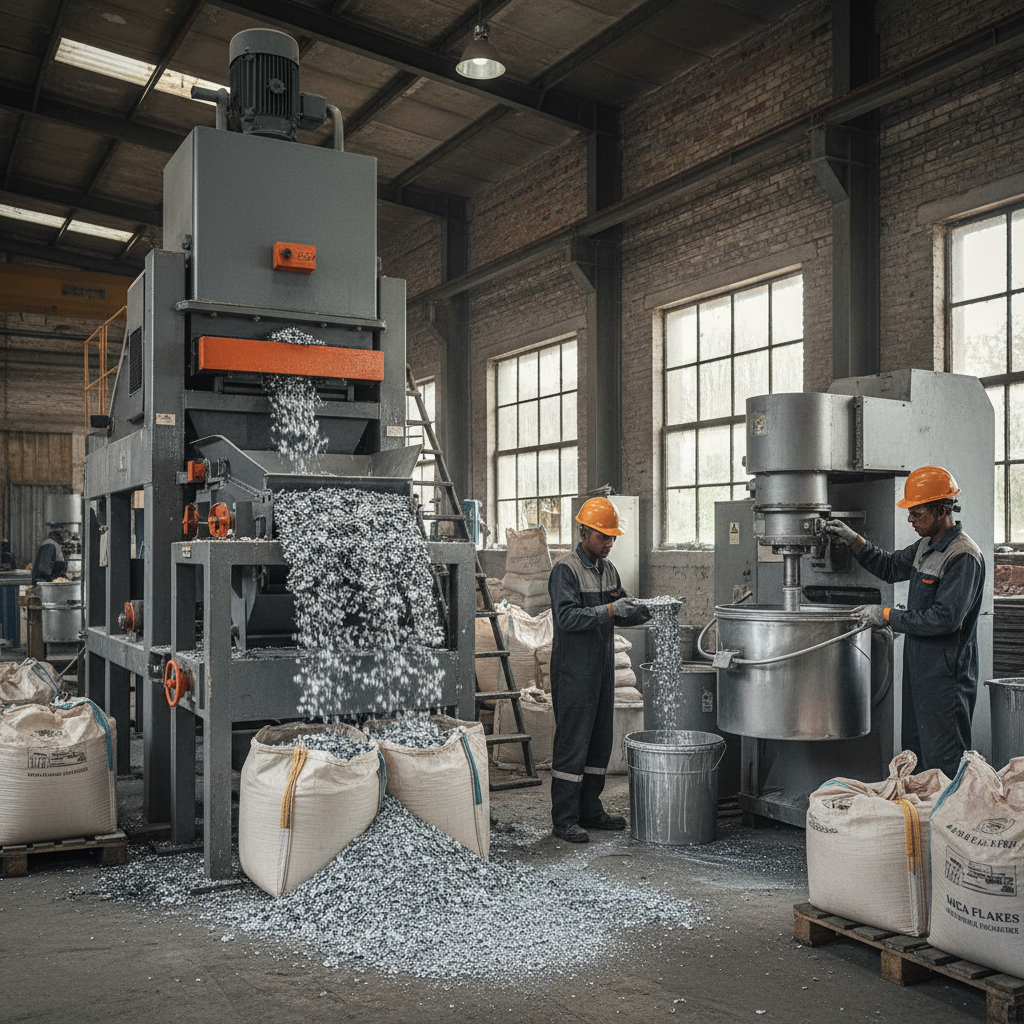
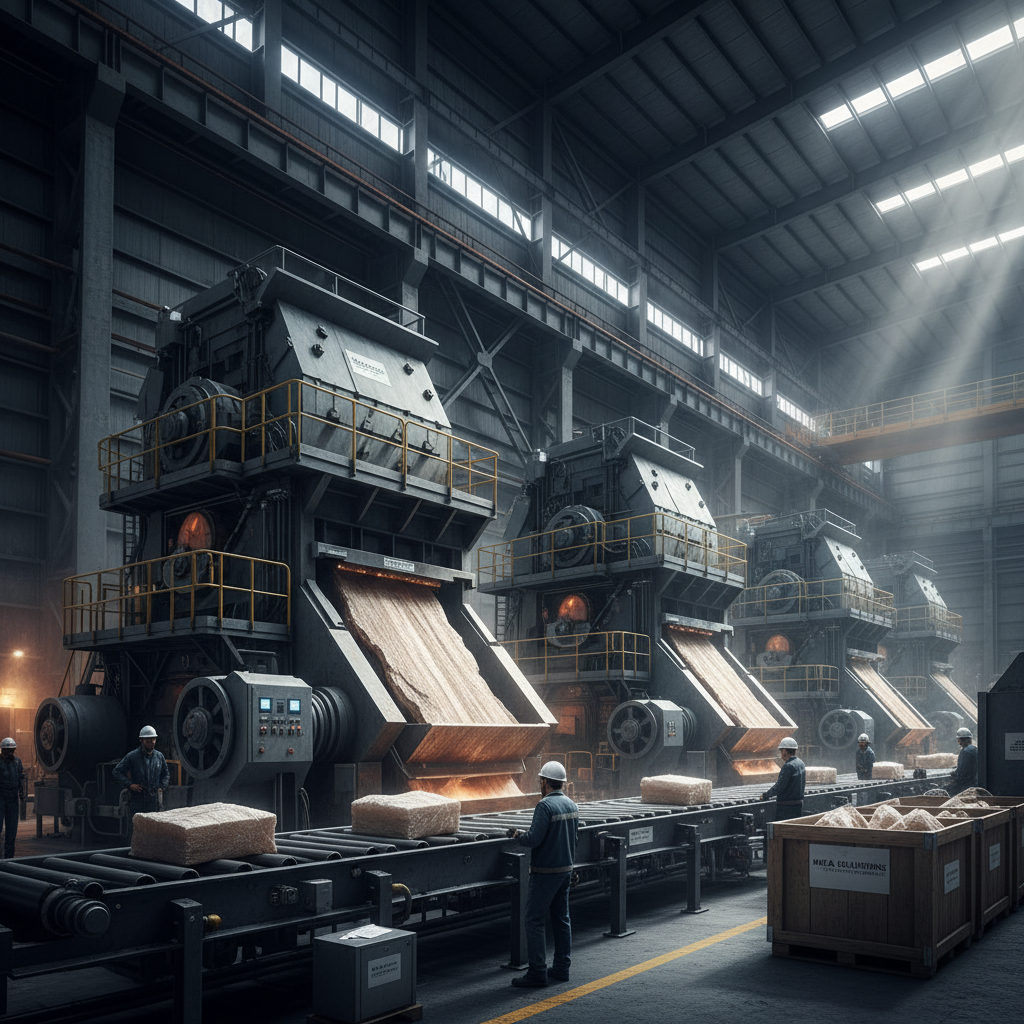
Mine mica, a versatile industrial mineral, is increasingly critical in various sectors globally, from electronics and paints to construction and even cosmetics. Its unique properties – including chemical inertness, thermal stability, and dielectric strength – make it invaluable in modern manufacturing. Understanding mine mica's sourcing, processing, and applications is paramount for businesses, policymakers, and consumers alike, especially given growing concerns around ethical sourcing and supply chain transparency.
Globally, the demand for mine mica is driven by the rapid expansion of technology and infrastructure. Key producing countries like India, China, and Russia face ongoing challenges in balancing economic development with responsible mining practices. The complexities of the mine mica supply chain, often involving artisanal mining operations, necessitate a proactive approach to ensure fair labor standards and environmental sustainability.
The importance of mine mica extends beyond its industrial uses. Its role in creating essential components for green technologies, such as electric vehicles and renewable energy systems, positions it as a key material in the transition towards a more sustainable future. This growing significance demands a deeper understanding of its properties, responsible sourcing, and innovative applications.
The Significance of Mine Mica
Mine mica’s significance is rooted in its unique combination of physical and chemical properties. Its ability to resist electricity, heat, and chemical corrosion makes it crucial for a wide range of industrial applications. From insulating electrical components to providing a shimmer in cosmetics, mine mica’s versatility is unmatched.
Furthermore, the growing demand for sustainable materials is highlighting the potential of mine mica in emerging technologies. Its role in enhancing the performance and longevity of renewable energy systems, such as solar panels and wind turbines, underscores its importance in building a greener future.
Global Relevance and Challenges
The global mine mica market is substantial, with key players concentrated in Asia, particularly India and China. These regions account for a significant percentage of both production and consumption, fueled by burgeoning manufacturing sectors. Data from the United Nations Comtrade database indicates a steady rise in mine mica trade volumes over the past decade, reflecting its increasing demand.
However, this growth is accompanied by significant challenges. Ethical concerns surrounding child labor and unsafe working conditions in artisanal mine mica mines are widespread, particularly in certain regions of India. The lack of transparency in the supply chain makes it difficult to trace the origin of mine mica and ensure responsible sourcing.
Addressing these challenges requires collaborative efforts from governments, industry stakeholders, and NGOs to implement stricter regulations, promote fair labor practices, and invest in sustainable mining technologies. The ISO 22090 standard, focused on responsible mica sourcing, represents a positive step towards improving transparency and accountability in the industry.
Defining Mine Mica
Mine mica is a naturally occurring group of silicate minerals characterized by their perfect basal cleavage, allowing them to be easily split into thin, flexible sheets. These sheet-like structures are responsible for mica’s distinctive properties, such as its electrical insulation, thermal stability, and pearly luster. The most common types of mine mica used in industry are muscovite and biotite.
The connection of mine mica to modern industry is profound. It’s not merely a component but often an enabling factor in various technologies. For example, in the electronics industry, mine mica’s dielectric strength is crucial for capacitors and other electronic devices. Similarly, its heat resistance makes it essential in brake linings and high-temperature insulation.
Furthermore, ethical and humanitarian needs are now inextricably linked to the definition of mine mica. Consumers and businesses increasingly demand transparent and responsibly sourced materials, raising awareness of the social impact of mining operations and driving the adoption of sustainable practices.
Key Properties of Mine Mica
The exceptional properties of mine mica are central to its wide range of applications. First and foremost is its Electrical Insulation, which is superior to many other materials, making it ideal for use in electrical components. Secondly, its Thermal Stability allows it to withstand high temperatures without degradation, crucial for industries like automotive and aerospace.
Mine Mica Property Comparison
Applications Across Industries
In the electronics industry, mine mica serves as a crucial dielectric material in capacitors, providing essential insulation and ensuring reliable performance. In the automotive sector, it's a key component in brake linings and clutches, due to its heat resistance and frictional properties.
Advantages and Long-Term Value
The cost-effectiveness of mine mica, coupled with its exceptional performance characteristics, offers significant economic advantages. Its durability ensures a long service life, reducing replacement costs and minimizing downtime. Beyond economic benefits, the use of ethically sourced mine mica contributes to improved social responsibility and enhances brand reputation.
Furthermore, its sustainability profile is increasingly appealing. Unlike some synthetic alternatives, mine mica is a naturally occurring mineral, reducing reliance on fossil fuels and minimizing environmental impact. This contributes to a more circular economy and supports long-term ecological balance.
The long-term value proposition of mine mica lies not only in its technical superiority but also in its alignment with growing demands for ethical sourcing, sustainability, and responsible manufacturing.
Future Trends and Innovation
The future of mine mica is intertwined with advancements in materials science and green technologies. Research is ongoing to explore new applications, such as enhancing the efficiency of lithium-ion batteries and developing advanced composite materials. Digital transformation is also playing a role, with blockchain technology being implemented to improve supply chain traceability and ensure responsible sourcing.
The drive towards automation in mining operations promises to increase efficiency and improve safety standards. Furthermore, the development of sustainable mining practices, including water conservation and waste reduction, will be critical to minimizing the environmental footprint of mine mica production.
Overview of Mine Mica Industry Trends
| Trend Category |
Impact on Mine Mica Demand |
Implementation Challenges |
Potential Solutions |
| Electric Vehicle Adoption |
Increased demand for mine mica in battery insulation and thermal management. |
Scaling up mine mica production to meet growing demand while maintaining ethical standards. |
Investing in sustainable mining practices and exploring alternative sourcing options. |
| Renewable Energy Expansion |
Higher demand for mine mica in solar panels and wind turbines for insulation and protection. |
Ensuring consistent quality and reliability of mine mica for long-term energy infrastructure. |
Implementing rigorous quality control measures and establishing industry standards. |
| Blockchain Integration |
Enhanced traceability and transparency in the mine mica supply chain. |
Overcoming data privacy concerns and ensuring widespread adoption across the industry. |
Developing secure and scalable blockchain platforms with robust data protection features. |
| Automation in Mining |
Increased efficiency and reduced labor costs in mine mica extraction. |
Potential job displacement and the need for workforce retraining. |
Investing in workforce development programs and creating new opportunities in related fields. |
| Sustainable Mining Practices |
Reduced environmental impact and improved social responsibility in mine mica production. |
Higher initial investment costs and potential delays in project implementation. |
Securing funding and incentives for sustainable mining projects and promoting best practices. |
| Circular Economy Initiatives |
Increased recovery and reuse of mine mica from electronic waste and other sources. |
Developing efficient and cost-effective recycling technologies. |
Investing in research and development of innovative recycling processes and promoting extended producer responsibility. |
FAQS
Mine mica is crucial in electronics primarily for its exceptional dielectric strength and insulating properties. It’s widely used in capacitors to store electrical energy, in high-frequency circuits to prevent signal loss, and as an insulating layer in various electronic components. Its resistance to heat and electrical breakdown makes it superior to many synthetic alternatives, ensuring reliable performance in demanding applications.
Ensuring ethical sourcing involves a multi-faceted approach. Companies should prioritize suppliers who adhere to the ISO 22090 standard for responsible mica sourcing, conduct thorough due diligence on their supply chains, and implement traceability systems – ideally utilizing blockchain technology. Regular audits, collaboration with NGOs, and support for community development initiatives are also essential steps to promote fair labor practices and environmental sustainability.
Mine mica extraction can have environmental impacts such as habitat disruption, soil erosion, and water contamination. However, adopting sustainable mining practices can significantly mitigate these effects. This includes responsible land management, water conservation measures, waste reduction strategies, and the restoration of mined areas. Investing in eco-friendly extraction technologies and promoting responsible disposal methods are also crucial.
Muscovite and biotite are the two most common types of mine mica. Muscovite is typically clear or silvery-white and exhibits excellent electrical insulation properties, making it ideal for electrical applications. Biotite, on the other hand, is dark-colored due to the presence of iron and magnesium and is often used in paints, roofing, and as a filler material. While both share the characteristic sheet-like structure, their chemical composition influences their specific properties and applications.
Compared to many synthetic alternatives, mine mica can be considered more sustainable due to its natural origin and abundance. While extraction does have environmental considerations, it generally requires less energy-intensive processing than creating synthetic materials. However, responsible sourcing is vital to ensure minimal environmental and social impact. Combining the use of mine mica with circular economy principles like recycling further enhances its sustainability profile.
The price of mine mica is determined by a combination of factors, including quality, grade, particle size, and geographic origin. Supply and demand dynamics, production costs, transportation expenses, and regulatory factors also play a significant role. Ethical sourcing certifications and the implementation of traceability systems can sometimes lead to a price premium, reflecting the increased costs associated with responsible production. Political stability in producing regions also impacts pricing.
Conclusion
Mine mica remains an indispensable material across a vast spectrum of industries, from electronics and automotive to paints and cosmetics. Its unique combination of physical and chemical properties, coupled with its growing role in sustainable technologies, ensures its continued relevance in the future. Addressing the ethical and environmental challenges associated with its extraction is paramount for realizing its full potential and ensuring responsible sourcing.
As demand for mine mica continues to rise, proactive investment in sustainable mining practices, innovative technologies, and robust traceability systems is crucial. By embracing a holistic approach that prioritizes both economic viability and social responsibility, we can unlock the long-term benefits of mine mica and contribute to a more sustainable and equitable future. For further information and to explore our products, visit our website: www.kehuimica.com