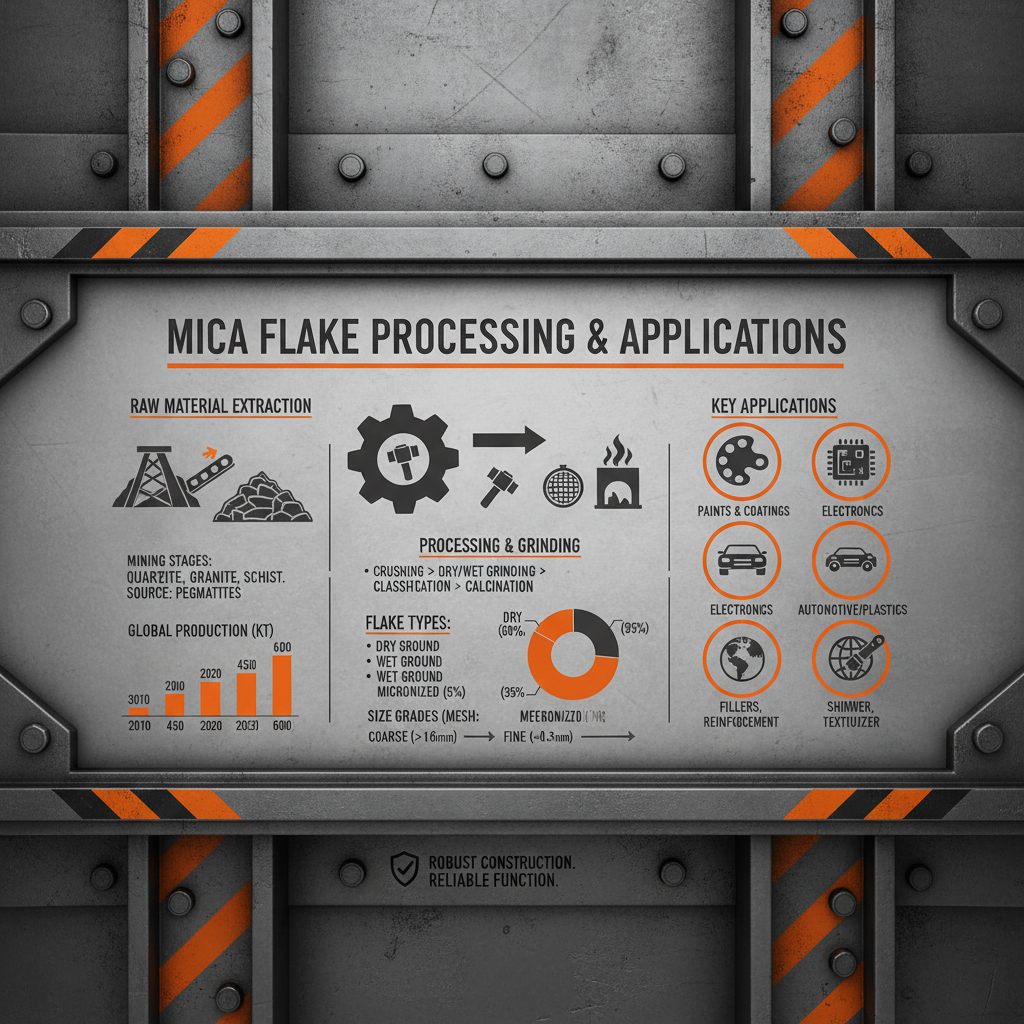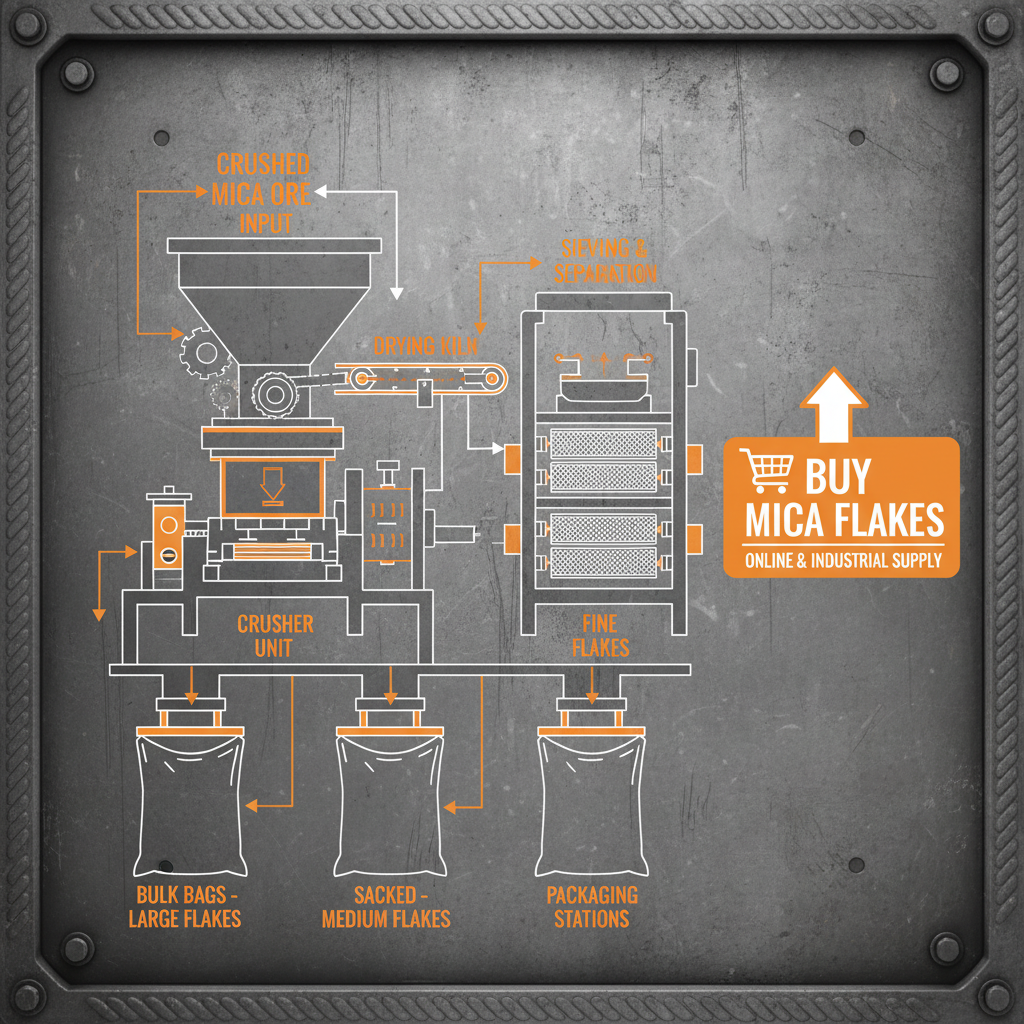
Mica powders are naturally occurring minerals that have been utilized for centuries, finding applications across a surprisingly diverse range of industries. From imparting a shimmer to cosmetics and paints, to acting as critical insulators in electronics, these finely ground silicates are a testament to nature’s versatility and engineering potential. Understanding their properties and applications is increasingly important in a world demanding sustainable, high-performance materials.
The global market for mica powders is substantial and growing, driven by factors like increasing demand for eco-friendly pigments, the expansion of the automotive and construction sectors, and advances in personal care products. Recent data from the United Nations Comtrade database shows a consistent rise in mica exports, particularly from India and China, highlighting its economic importance. This growth, however, brings challenges related to responsible sourcing and ethical labor practices, underscoring the need for transparent supply chains.
The significance of mica powders lies in their unique combination of properties – inertness, dielectric strength, reflectivity, and thermal stability. These attributes make them indispensable in applications ranging from improving the durability of plastics to enhancing the performance of oil drilling fluids. As industries prioritize sustainability and performance, the role of mica powders will only continue to expand.


Mica powders are a group of silicate minerals renowned for their perfect basal cleavage, allowing them to be split into extremely thin, flexible, and lustrous sheets. They are naturally occurring and are found in various igneous and metamorphic rocks. The term “mica” encompasses several different mineral species, each with slightly different chemical compositions and properties.
These properties make mica powders critically important across multiple sectors. For example, the cosmetic industry leverages their shimmer and light-reflecting qualities, while the electronics sector relies on their excellent dielectric strength and thermal stability. Understanding the nuances of different mica varieties is crucial for selecting the optimal material for a specific application.
Natural mica is mined from the earth, offering unique properties due to its complex mineral composition. Synthetic mica, often fluorophlogopite, is lab-grown, providing greater purity and controlled particle size. While natural mica can offer a distinct aesthetic, synthetic options offer consistent quality and eliminate ethical concerns around sourcing. The choice depends on application-specific needs and budget.
Mica acts as a reinforcing filler in plastics, increasing stiffness, strength, and dimensional stability. It also enhances heat resistance and reduces shrinkage during molding. Its layered structure improves barrier properties, reducing permeability to gases and moisture. Depending on the mica grade, it can also improve electrical insulation properties in plastic components.
While generally considered non-toxic, prolonged inhalation of mica powders can cause respiratory irritation. It’s recommended to use appropriate personal protective equipment (PPE) such as respirators and gloves during handling. Adequate ventilation is also essential to minimize dust exposure. Always refer to the Safety Data Sheet (SDS) for specific handling guidelines.
Mica is a naturally occurring mineral, making it inherently renewable. However, sustainability concerns center around mining practices. Responsible sourcing, including fair labor standards and environmental protection, is critical. Look for suppliers committed to ethical and sustainable mica production, and consider utilizing synthetic mica as an alternative.
Particle size significantly influences mica powder performance. Finer particles provide better dispersion and increased surface area, enhancing properties like reinforcement and barrier performance. Coarser particles contribute to opacity and shimmer. The optimal particle size depends on the specific application and desired outcome.
Yes, mica powders are frequently used in exterior paints and coatings. Their excellent weather resistance, UV stability, and chemical inertness contribute to long-lasting and durable finishes. They enhance paint's resistance to cracking, fading, and chalking, protecting the underlying surface from environmental damage.
In conclusion, mica powders are remarkably versatile minerals playing a crucial role in diverse industries ranging from cosmetics and automotive to electronics and construction. Their unique combination of properties – thermal stability, dielectric strength, reflectivity, and chemical inertness – makes them indispensable components in countless applications. Addressing ethical sourcing concerns and embracing innovative technologies will ensure the continued sustainable utilization of this valuable resource.
Looking ahead, the future of mica powder technology is bright. Ongoing research promises even more advanced applications, particularly in emerging fields like electric vehicles and nanotechnology. By prioritizing sustainability, transparency, and innovation, we can unlock the full potential of mica powders and create a more sustainable and efficient future. Visit our website at www.kehuimica.com to learn more about our range of high-quality mica powders and how we can support your specific application needs.