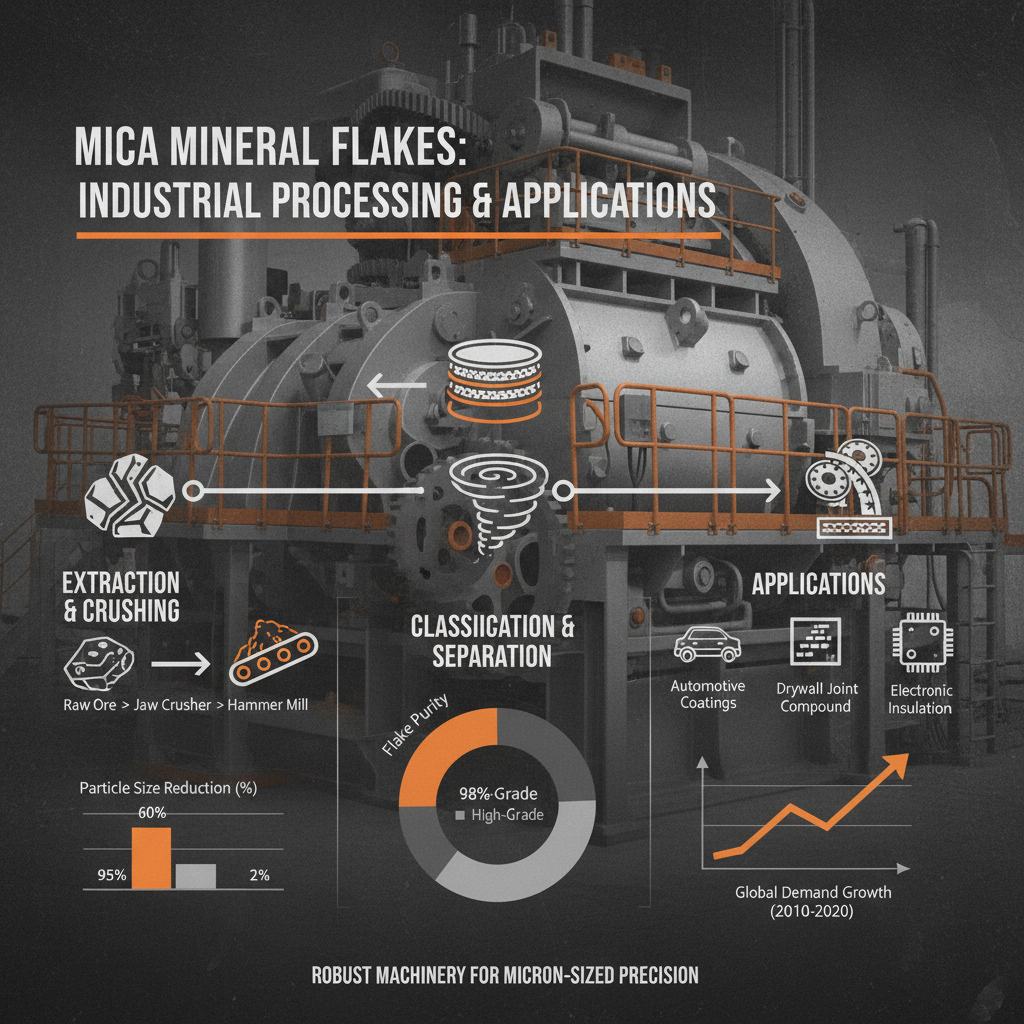
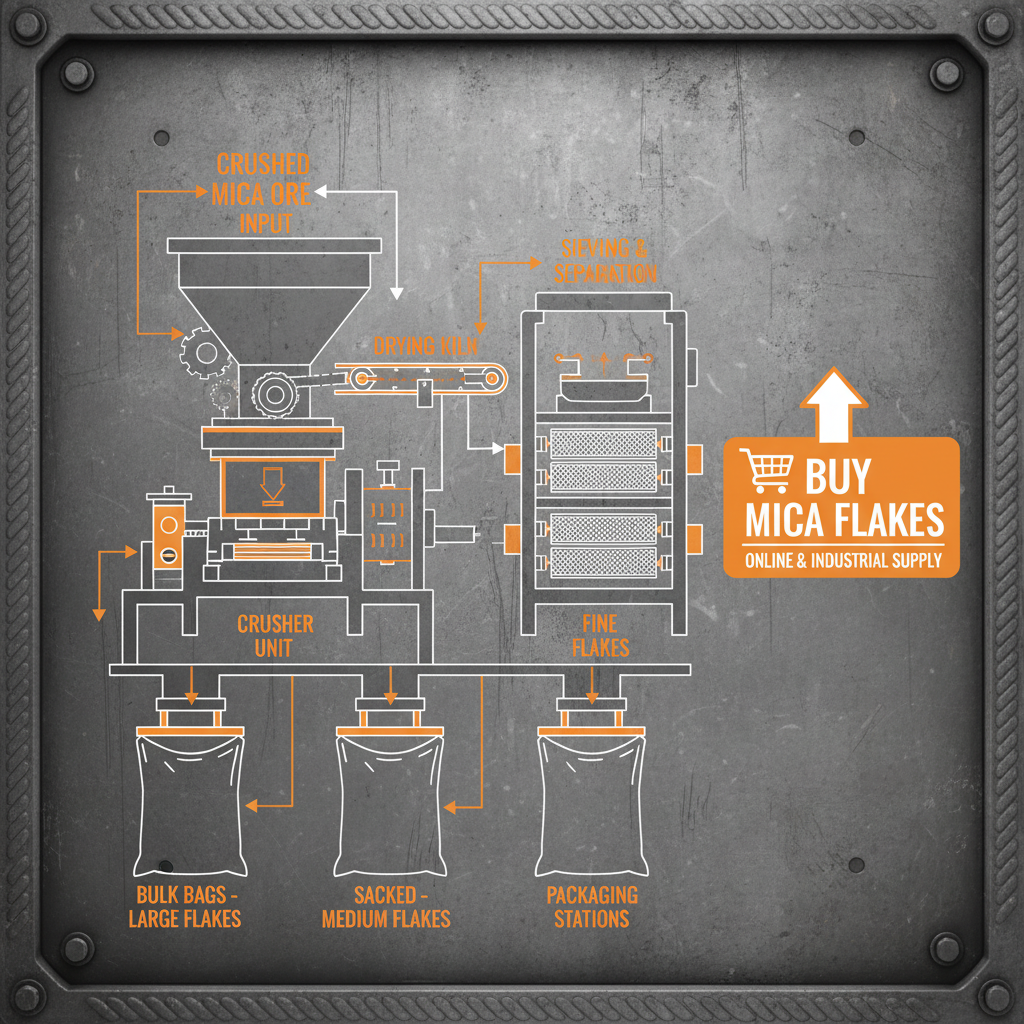
Mica mineral flakes, prized for their unique properties, are increasingly vital across a diverse range of industries. From cosmetics and paints to electronics and construction, these delicate, shimmering materials offer functionality and aesthetic appeal. Understanding their sourcing, processing, and applications is crucial for responsible and innovative use in a globally interconnected market.
The global demand for mica mineral flakes is experiencing steady growth, driven by expanding industries and a rising focus on sustainable materials. However, this demand presents challenges related to ethical sourcing and fair labor practices. This necessitates a critical examination of supply chains and a commitment to transparency and responsible mining.
Exploring the world of mica mineral flakes provides insights into material science, global economics, and the importance of sustainability. This knowledge empowers informed decision-making for manufacturers, consumers, and policymakers alike, paving the way for a more responsible and efficient industry.
Introduction to Mica Mineral Flakes
Mica mineral flakes, naturally occurring silicate minerals, are renowned for their perfect basal cleavage, allowing them to be easily split into thin, flexible sheets. This unique property makes them incredibly versatile for a multitude of applications. mica mineral flakes are prized not only for their physical characteristics but also for their aesthetic qualities, presenting a pearlescent or shimmering appearance.
The composition of mica mineral flakes varies, but common types include muscovite, phlogopite, and biotite. Muscovite is typically preferred for high-performance applications due to its exceptional dielectric strength and thermal stability. Understanding these compositional differences is key to selecting the appropriate mica for a specific industrial need.
Global Relevance and Market Dynamics
The global mica market is a multi-billion dollar industry, with significant production concentrated in India, China, and Russia. Demand is driven by the growth of end-use industries such as paints and coatings, plastics, cosmetics, and electronics. Recent reports indicate a consistent annual growth rate, particularly within the automotive and construction sectors.
However, the industry faces increasing scrutiny regarding ethical sourcing and the eradication of child labor in certain mining regions. Organizations like UNICEF and the Responsible Minerals Initiative are actively working to promote responsible mining practices and improve working conditions. This concern is driving a shift toward greater transparency and traceability throughout the supply chain.
According to data from the United Nations Comtrade database, mica exports have shown a steady increase over the past decade, indicating a robust and growing global demand. The ISO standards related to mineral processing are also increasingly influencing industry practices, demanding higher quality control and sustainability measures.
Defining Mica Mineral Flakes
Mica mineral flakes are a group of silicate minerals known for their laminar structure. This structure allows them to be easily cleaved into thin, flexible, and remarkably strong sheets. These flakes vary in size, thickness, and composition, influencing their suitability for different applications. The term “flakes” denotes a specific morphology – a flattened, plate-like structure – optimized for many industrial processes.
In modern industry, mica mineral flakes are crucial components in numerous products. In the electronics industry, they serve as dielectric insulators, preventing electrical shorts and ensuring device reliability. In cosmetics, they provide a shimmering effect and enhance product texture. The connection between these seemingly disparate applications underscores the versatility of mica.
Understanding the different types of mica – muscovite, phlogopite, biotite, and vermiculite – is fundamental. Muscovite, with its superior dielectric properties, is often preferred for high-tech applications, while phlogopite is valued for its heat resistance. This differentiation is vital for selecting the correct mica for optimal performance.
Key Properties of Mica Mineral Flakes
One crucial property of mica mineral flakes is their exceptional thermal stability. They can withstand high temperatures without significant degradation, making them ideal for use in high-heat applications like fireproofing materials and high-temperature electrical insulation.
Another key factor is their chemical inertness. Mica resists reactions with most chemicals, making it suitable for use in corrosive environments. This resistance contributes to its long-term durability and reliability in a variety of demanding industrial settings.
Mica Mineral Flakes Performance Metrics
Diverse Applications Across Industries
The cosmetics industry extensively utilizes mica mineral flakes to create shimmering effects in eyeshadows, foundations, and lipsticks. The inherent light-reflecting properties of mica enhance the aesthetic appeal of these products, creating a luminous and radiant finish. Furthermore, it’s often used as a filler, contributing to texture and product consistency.
In the automotive sector, mica mineral flakes are incorporated into paints and coatings to improve durability, corrosion resistance, and aesthetic appeal. They contribute to a smoother, more scratch-resistant finish, enhancing the overall quality and longevity of the vehicle’s paintwork.
Advantages and Long-Term Value
Using mica mineral flakes offers significant cost efficiency compared to alternative materials with similar properties. Their abundance and relatively low extraction costs contribute to affordable end products. This cost-effectiveness doesn't compromise on performance; mica continues to deliver high value across applications.
Beyond cost, mica mineral flakes contribute to sustainability by being a naturally occurring, non-toxic material. Their durability extends product lifecycles, reducing the need for frequent replacements and minimizing waste. This aligns with growing consumer demand for environmentally responsible products.
Future Trends and Sustainable Practices
Research is ongoing into enhancing the properties of mica mineral flakes through surface modification and nano-engineering. These advancements aim to create materials with even greater thermal stability, dielectric strength, and chemical resistance. This opens possibilities for applications in cutting-edge technologies.
A significant trend is the increased focus on traceability and ethical sourcing. Companies are investing in blockchain technology and supply chain audits to ensure mica is mined and processed responsibly, eliminating child labor and promoting fair working conditions. This commitment builds trust with consumers and stakeholders.
Furthermore, the integration of mica into green energy solutions, such as battery technology and solar panel components, represents a promising avenue for future growth. Its insulating properties and thermal stability make it a valuable asset in these emerging fields.
Summary of Key Factors Influencing Mica Mineral Flakes Quality
| Mica Type |
Particle Size |
Purity Level |
Surface Treatment |
| Muscovite |
5-15 μm |
98% |
Silane Coupling Agent |
| Phlogopite |
10-20 μm |
95% |
None |
| Biotite |
2-8 μm |
90% |
Polymeric Coating |
| Vermiculite |
1-5 mm (expanded) |
85% |
Magnesium Oxide |
| Synthetic Mica |
Customizable |
99% |
Titanium Dioxide Coating |
| Fluorophlogopite |
10-30 μm |
97% |
Plasma Treatment |
FAQS
Mica mineral flakes are extensively used in electronics as a dielectric insulator, preventing short circuits and ensuring reliable performance. Their high dielectric strength and thermal stability are crucial for components like capacitors, printed circuit boards, and microwave devices. They also serve as a critical barrier against voltage breakdown, protecting sensitive electronic circuitry.
Particle size significantly impacts the shimmer and texture of cosmetic products. Finer mica flakes create a subtle, pearlescent glow, while larger flakes provide a more dramatic, noticeable sparkle. The size also influences how the mica feels on the skin – finer flakes offer a smoother, silkier texture, and are less abrasive.
Several organizations and initiatives are working to improve ethical sourcing in mica mining. These include supply chain audits, blockchain traceability systems, and direct partnerships with mining communities to promote fair labor practices. The Responsible Minerals Initiative and UNICEF are key players in these efforts, aiming to eliminate child labor and improve working conditions.
Synthetic mica, created in a laboratory, is increasingly viewed as a sustainable alternative. It bypasses the ethical and environmental concerns associated with mining. While generally more expensive, it offers consistent quality, controlled particle size, and can be produced with a lower carbon footprint than certain mining operations. It provides a viable solution for companies prioritizing sustainability.
The lifespan of products with mica varies depending on the application. In paints and coatings, mica enhances durability, extending the product’s life by several years. In electronics, mica’s thermal stability and dielectric properties contribute to the long-term reliability of components. In cosmetics, the lifespan is tied to the product's shelf life and formulation stability.
Surface treatment, such as silane coupling, modifies the surface chemistry of mica flakes, enhancing their compatibility with different matrices like polymers and resins. This improves dispersion, adhesion, and overall performance in composite materials. Coatings can also alter properties like hydrophobicity or conductivity, tailoring the mica for specific applications.
Conclusion
In conclusion, mica mineral flakes represent a remarkable material with a broad spectrum of applications and enduring value. From enhancing the performance of electronic devices to adding brilliance to cosmetic formulations and bolstering the durability of coatings, their unique properties make them indispensable across numerous industries. The ongoing commitment to ethical sourcing and sustainable practices will further solidify their role in a responsible and innovative future.
Looking ahead, continued research and development into new applications and processing techniques will unlock even greater potential for mica mineral flakes. Embracing technologies like nanotechnology and focusing on circular economy principles will ensure their continued relevance in a world increasingly focused on sustainability and high-performance materials.