0%

Table of Contents

Flake of mica, a naturally occurring mineral, plays a vital role in a surprisingly diverse range of industries. From paints and coatings to cosmetics and even advanced technological applications, its unique properties are highly sought after globally. Understanding the characteristics and applications of flake of mica is crucial for professionals across various sectors seeking to optimize product performance, enhance aesthetics, and explore innovative solutions. The demand for high-quality flake of mica continues to grow, driven by its inherent qualities and increasing industrial needs.

The global market for mica is substantial, with major production centers in India, China, Russia, and the United States. According to reports from the United Nations Comtrade database, the international trade in mica and mica products consistently exceeds billions of dollars annually. The challenge lies in ensuring sustainable and ethical sourcing practices, as concerns regarding child labor in some mining regions have prompted increased scrutiny from international organizations like the Responsible Minerals Initiative. Addressing these concerns is paramount to maintaining a responsible supply chain.

This essential mineral is not merely a component; it’s an enabler of innovation. Its ability to improve durability, reduce weight, and enhance thermal stability make it indispensable in modern manufacturing. Exploring the multifaceted applications and future trends of flake of mica empowers industries to create more efficient, sustainable, and advanced products.

Exploring the Versatile Applications of Flake of Mica in Modern Industries

Introduction to flake of mica

Exploring the Versatile Applications of Flake of Mica in Modern Industries

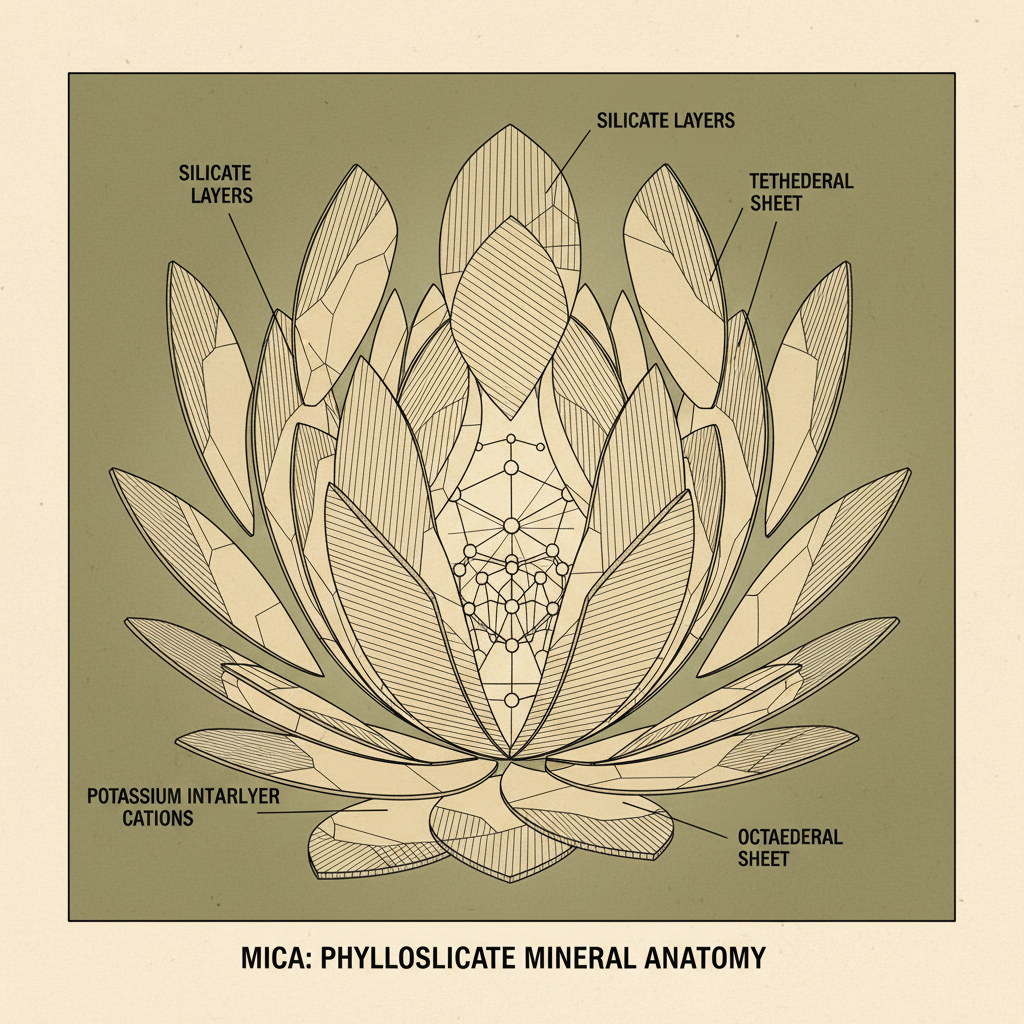
Flake of mica, characterized by its thin, plate-like structure, is a silicate mineral renowned for its exceptional properties. These properties include chemical inertness, dielectric strength, and thermal stability, making it a valuable component in numerous applications. Its natural layering allows it to be easily split into thin, flexible sheets, contributing to its versatility.

The application spectrum of flake of mica extends far beyond traditional uses. While historically utilized in paints to impart shimmer and improve durability, modern advancements have integrated it into high-tech industries such as electronics, automotive, and aerospace. Its ability to act as an electrical insulator and heat-resistant barrier makes it indispensable in these sectors.

Defining Flake of Mica

Flake of mica refers to a specific morphology of mica minerals, where the mineral is naturally cleaved into thin, flat platelets. These flakes are composed of various silicate minerals, primarily muscovite and biotite, each possessing unique chemical compositions and properties. The term "flake" distinguishes this form from other mica presentations like powder or block mica.

Its connection to modern industry stems from its unique ability to enhance the performance and characteristics of a wide array of products. In paints, it improves weather resistance and color retention. In plastics, it boosts strength and reduces permeability. In cosmetics, it provides a pearlescent effect and enhances texture.

Fundamentally, flake of mica functions as a reinforcing agent, a barrier, and an aesthetic enhancer. Its intrinsic properties are leveraged to overcome limitations and improve the overall quality of products across numerous industries. The inherent stability of flake of mica makes it a preferred choice for applications requiring long-term reliability.

Key Characteristics of Flake of Mica

One of the most significant characteristics of flake of mica is its exceptional dielectric strength. This property refers to its ability to resist the flow of electrical current, making it an ideal insulator in electrical and electronic applications. This characteristic is pivotal in components like capacitors and printed circuit boards.

Thermal stability is another crucial attribute. Flake of mica can withstand high temperatures without significant degradation, making it invaluable in applications involving heat exposure. This resistance to thermal shock prevents cracking or deformation, ensuring prolonged functionality in demanding environments.

Furthermore, flake of mica exhibits remarkable chemical inertness, meaning it doesn't readily react with other substances. This resistance to chemical attack contributes to its longevity and reliability in corrosive environments. This is a critical benefit for its use in coatings and sealants.

Diverse Applications of Flake of Mica

The versatility of flake of mica leads to its widespread application across diverse industries. In the paint and coatings sector, it functions as a pigment extender, improving coverage, durability, and weather resistance. It also provides a pearlescent effect, enhancing aesthetic appeal.

Within the plastics industry, flake of mica serves as a reinforcing filler, increasing strength, stiffness, and dimensional stability. This is particularly beneficial in automotive components and other applications demanding robust materials. It also improves electrical insulation properties of plastic components.

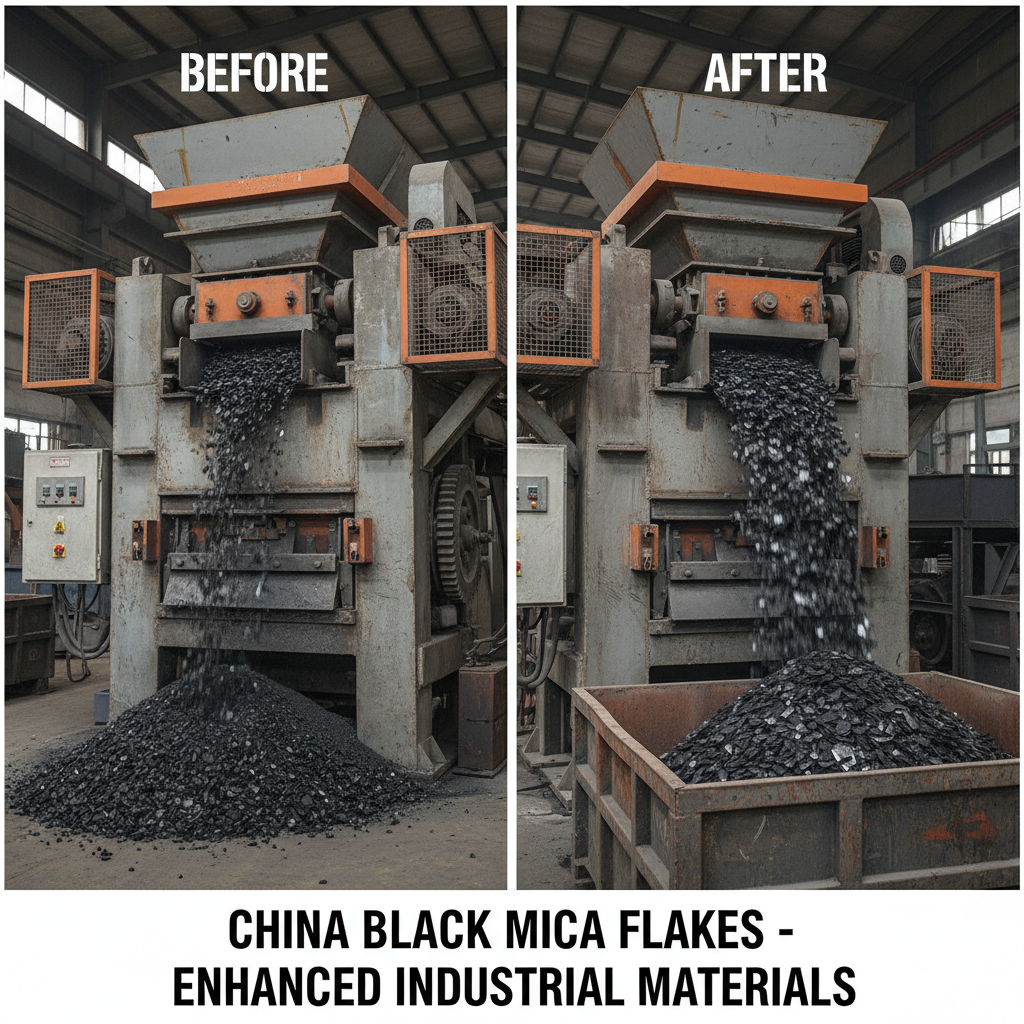
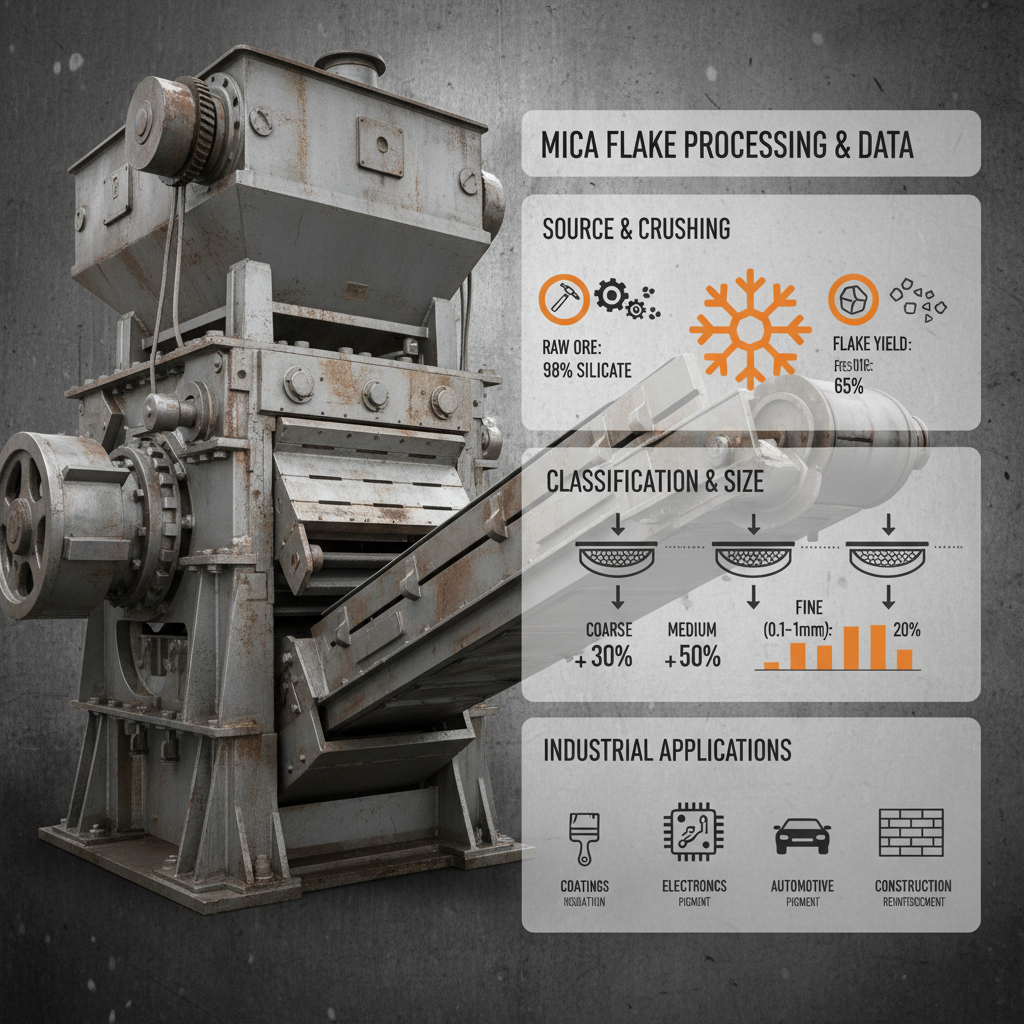
Performance of Different flake of mica Treatment Methods


Advantages and Long-Term Value

The use of flake of mica delivers significant cost benefits due to its inherent stability and durability. Reduced maintenance and extended product lifecycles translate to long-term savings for manufacturers and consumers alike. Its widespread availability also contributes to its cost-effectiveness.

From a sustainability perspective, mica is a naturally occurring mineral, making it an environmentally friendly alternative to synthetic materials. Responsible sourcing practices further enhance its ecological profile, aligning with growing consumer demand for sustainable products. Utilizing flake of mica supports a circular economy.

Future Trends in Mica Utilization

Ongoing research is exploring novel applications for flake of mica in emerging technologies, such as advanced battery systems and high-performance composites. Its dielectric properties are particularly promising for improving energy storage capacity and efficiency.

The integration of nanotechnology with mica is also gaining traction. Nano-sized mica platelets can be incorporated into materials to further enhance their strength, barrier properties, and thermal resistance. This opens up exciting possibilities for innovative product development.

Expect increased demand for ethically sourced and processed mica, driven by growing consumer awareness and stricter regulatory standards. Traceability and transparency in the supply chain will become increasingly important.

Challenges and Sustainable Solutions

One of the primary challenges associated with flake of mica is ensuring ethical sourcing. Addressing concerns regarding child labor in some mining regions requires robust due diligence, transparent supply chains, and collaborative efforts with local communities.

Another challenge is optimizing processing techniques to minimize environmental impact. Developing eco-friendly milling and beneficiation methods is crucial for reducing waste and energy consumption. The utilization of closed-loop systems and water recycling are key sustainable practices.

Promoting responsible mining practices and investing in worker safety programs are essential steps towards creating a sustainable mica industry. Certification schemes and independent audits can help ensure compliance with ethical and environmental standards.

Summary of Key Sustainability Factors for flake of mica

Mining Location Ethical Sourcing Score (1-10) Environmental Impact Processing Efficiency
India (Rajasthan) 6 Moderate 70%
China (Yunnan) 8 Low 85%
Russia (Karelia) 9 Very Low 90%
United States (North Carolina) 7 Moderate 75%
Brazil (Minas Gerais) 5 High 60%
Madagascar 4 Very High 55%

FAQS

What makes flake of mica a superior choice for electrical insulation?

Flake of mica boasts exceptional dielectric strength and high electrical resistance, making it an ideal insulator. Its layered structure minimizes the risk of electrical breakdown, ensuring reliable performance in high-voltage applications. Compared to many polymers, mica maintains its insulating properties at higher temperatures, increasing safety and longevity in demanding environments. Its chemical inertness also prevents degradation over time, prolonging its effectiveness.

How does the particle size of flake of mica affect its performance in paints and coatings?

The particle size distribution of flake of mica significantly impacts the properties of paints and coatings. Larger flakes provide better barrier properties, reducing permeability to moisture and gases, and enhancing corrosion resistance. Smaller flakes contribute to improved smoothness and gloss. Optimal particle size depends on the specific application and desired performance characteristics. A well-controlled particle size distribution ensures uniform dispersion and maximizes the benefits of mica in the coating.

What are the sustainability concerns surrounding mica mining?

The primary sustainability concerns surrounding mica mining relate to ethical sourcing and environmental impact. Historically, illegal and unregulated mining operations have been associated with child labor and unsafe working conditions. Additionally, mining activities can lead to deforestation, soil erosion, and water pollution. Responsible sourcing initiatives, traceability programs, and adherence to ethical mining standards are crucial for mitigating these concerns and promoting a sustainable mica industry.

Can flake of mica be recycled or reused?

While directly recycling flake of mica from end-of-life products is challenging, it can often be recovered during manufacturing processes as scrap material and reused. Furthermore, the long lifespan and durability of mica-containing products reduce the need for frequent replacements, indirectly contributing to resource conservation. Research is ongoing to develop more effective methods for recovering and repurposing mica from waste streams.

What is the difference between muscovite and biotite flake of mica?

Muscovite and biotite are the two primary types of flake of mica, differing in their chemical composition and properties. Muscovite is a white or silver-colored mica, known for its excellent dielectric strength and thermal stability. Biotite is a dark-colored mica containing iron and magnesium, which imparts a slight magnetic property. Muscovite is preferred for electrical applications, while biotite is often used in applications where heat resistance and shielding are required.

How does flake of mica contribute to the fire resistance of materials?

Flake of mica contributes to fire resistance through several mechanisms. It acts as a physical barrier, slowing down the spread of flames. It releases water molecules when exposed to high temperatures, providing a cooling effect. Furthermore, it forms a protective char layer that insulates the underlying material, preventing it from reaching its ignition temperature. Its inherent incombustibility makes it a valuable fire retardant additive in plastics, coatings, and other materials.

Conclusion

In summary, flake of mica is a remarkably versatile mineral with a broad range of applications spanning numerous industries. Its unique combination of properties – including dielectric strength, thermal stability, chemical inertness, and natural layering – makes it an indispensable component in everything from paints and coatings to electronics and advanced composites. The value proposition extends beyond performance to encompass sustainability, as mica is a naturally occurring and durable material.

Looking ahead, continued innovation in processing techniques and a commitment to ethical sourcing practices will unlock even greater potential for flake of mica. Further research into nanotechnology and advanced materials will expand its applications in emerging fields, such as energy storage and sustainable construction. To learn more about the diverse applications and superior quality of our mica products, please visit our website: www.kehuimica.com.


David Miller

David Miller

David Miller is the Senior Market Analyst at Lingshou Kehui Mica Co., Ltd., focusing on the North American construction industry. With over 15 years of experience in mineral filler applications, David specializes in identifying emerging trends and client needs. He holds a Bachelor’s degree in Materials Science from the University
Previous Exploring the Versatile World of Mica Mineral Flakes and Their Applications
Next Exploring the Multifaceted Applications of Mica Flake in Modern Industries