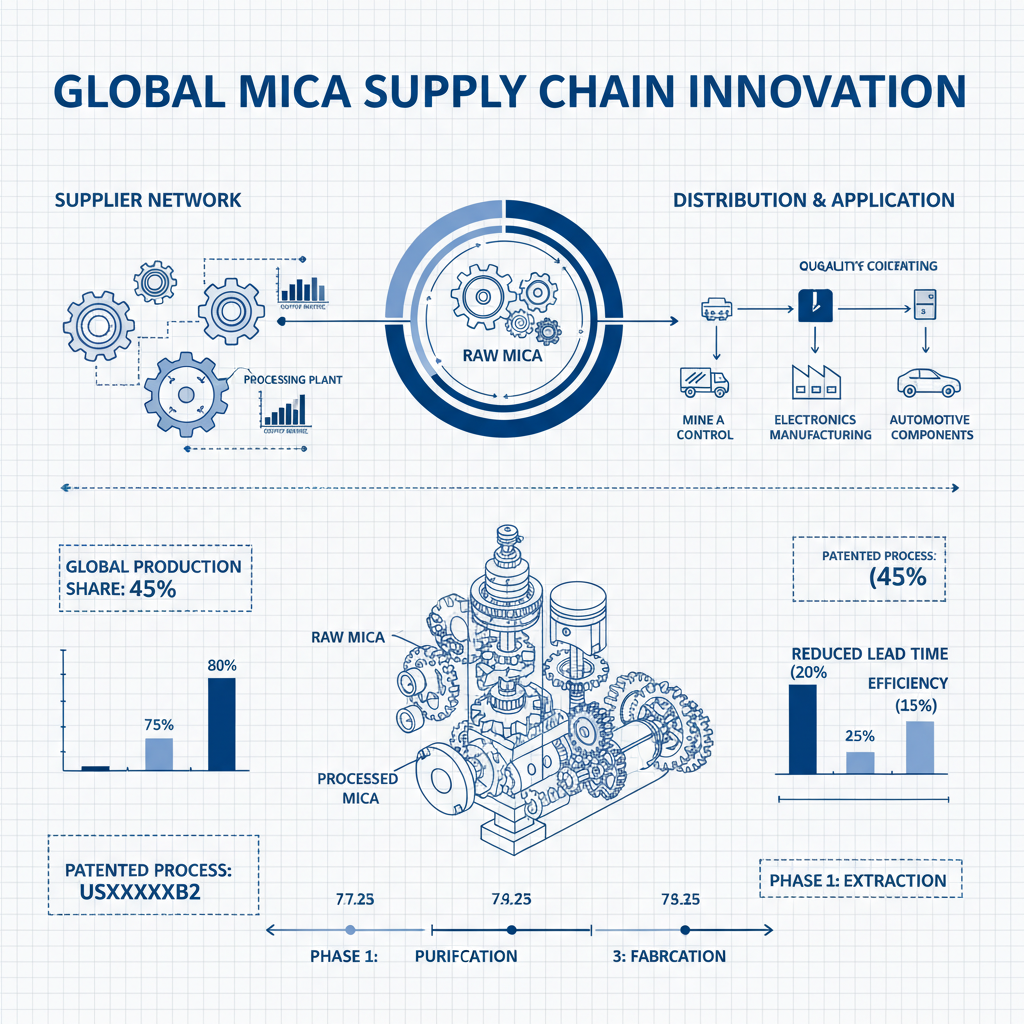
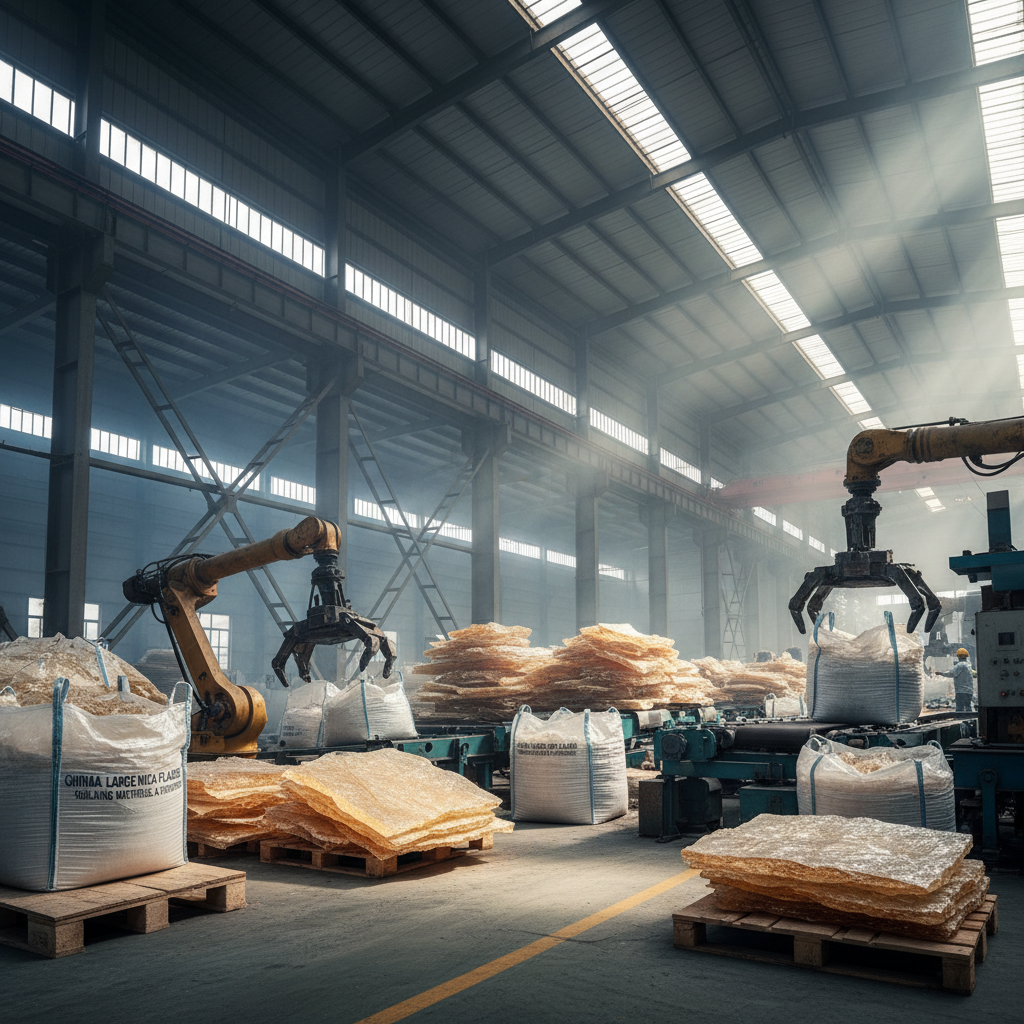
Mica, a naturally occurring mineral, is a crucial component in numerous industries worldwide, ranging from cosmetics and paints to electronics and automotive. The sourcing and supply of mica are therefore vitally important, and understanding the role of a mica supplier is key to ensuring ethical and sustainable practices. Efficient mica supply chains are essential for maintaining production across these diverse sectors, contributing significantly to global economic activity.
The global mica market is experiencing consistent growth, driven by increasing demand from emerging economies and advancements in technological applications. A reliable mica supplier plays a pivotal role in navigating the complexities of this market, including sourcing, quality control, and logistical challenges. Concerns surrounding child labor and unsustainable mining practices necessitate a focus on responsible sourcing and transparent supply chains, demanding accountability from every mica supplier.
Ultimately, a dependable mica supplier offers not only a material, but a partnership built on trust, quality, and commitment to ethical standards. This translates to predictable supply, consistent product quality, and peace of mind for manufacturers and end-users alike, ensuring the continued innovation and growth across various industries reliant on this versatile mineral.
The Importance of a Reliable mica supplier
In today’s interconnected global market, a consistent and high-quality supply of mica is critical for numerous industries. A reliable mica supplier doesn’t simply provide a material; they offer a robust logistical network, quality assurance procedures, and often, specialized processing capabilities. Disruptions in the supply chain, even minor ones, can have cascading effects on production schedules and product quality.
Furthermore, the growing emphasis on ethical and sustainable sourcing adds another layer of complexity. Companies are increasingly seeking mica suppliers who demonstrate a commitment to responsible mining practices and fair labor standards. This commitment isn't just about compliance; it’s about safeguarding brand reputation and fostering long-term sustainability.
Defining a mica supplier: Roles and Responsibilities
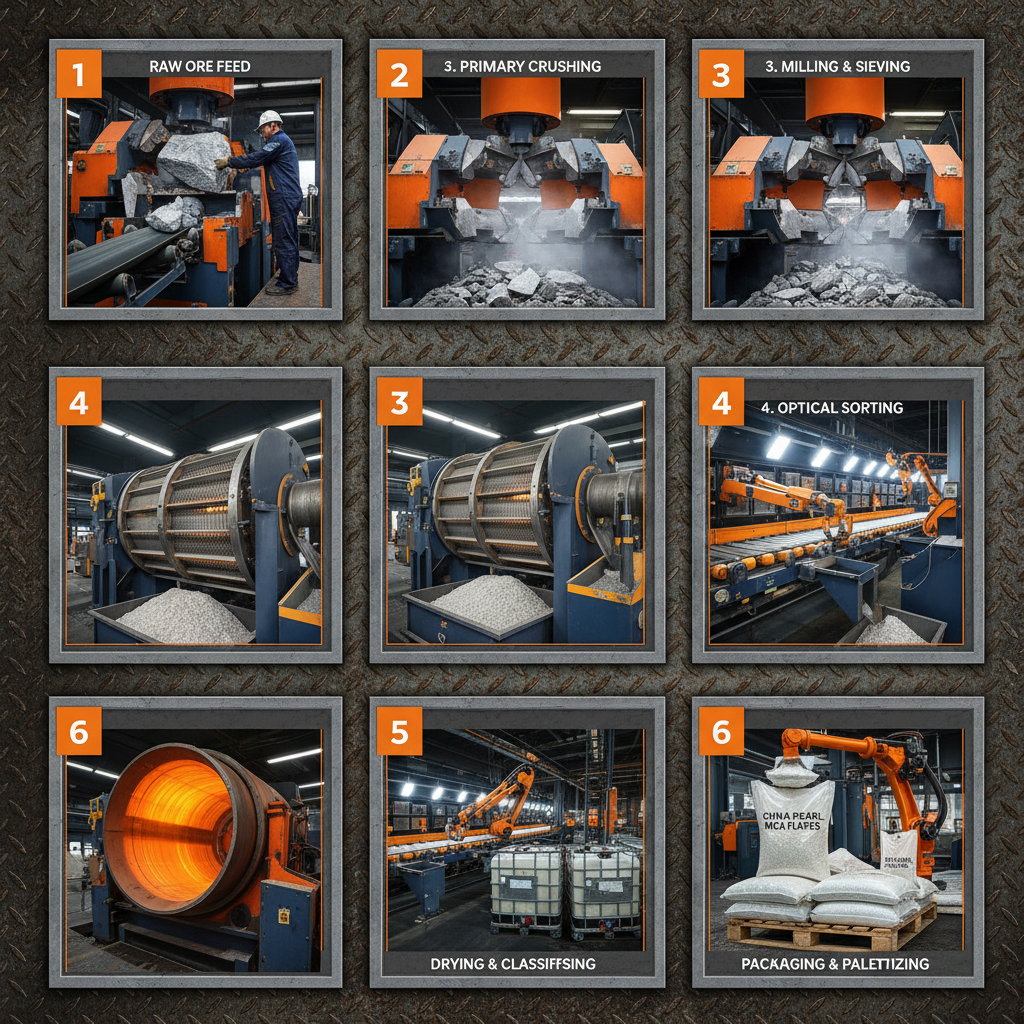
A mica supplier is an entity responsible for the sourcing, processing, and distribution of mica to various industries. Their responsibilities extend beyond simply delivering the mineral. They often include quality control testing to ensure compliance with industry standards and customer specifications, as well as providing technical support to help clients optimize mica usage in their applications.
Crucially, a responsible mica supplier will actively manage their supply chain to ensure traceability and adherence to ethical sourcing guidelines. This includes verifying the origin of the mica, confirming the absence of child labor, and promoting environmentally sound mining practices. Transparency in the supply chain is becoming increasingly important for both regulatory compliance and consumer trust.
Finally, a comprehensive mica supplier offers logistical solutions, including packaging, shipping, and inventory management, to ensure timely and cost-effective delivery of the material to clients worldwide.
Core Competencies of a Leading mica supplier
A leading mica supplier possesses several key competencies. First and foremost is a robust sourcing network, enabling them to secure high-quality mica from diverse geographical locations. This network must be built on strong relationships with mining operations and a deep understanding of market dynamics.
Secondly, a strong commitment to quality control is paramount. This includes rigorous testing throughout the entire process, from raw material assessment to final product inspection, utilizing advanced analytical techniques to ensure purity, particle size distribution, and other critical specifications. A reputable mica supplier will readily provide certificates of analysis and technical data sheets to their clients.
Thirdly, logistical expertise is essential. The ability to efficiently manage transportation, warehousing, and customs clearance is critical for delivering mica to clients on time and within budget. Furthermore, a forward-thinking mica supplier invests in sustainable practices and transparent supply chains.
Global Applications and the Role of the mica supplier
Mica's unique properties – including its excellent dielectric strength, thermal stability, and reflectivity – make it indispensable in a wide range of applications. The paints and coatings industry utilizes mica for improved durability, corrosion resistance, and aesthetic appeal. The automotive sector relies on it for lightweight composites and heat shielding.
In electronics, mica’s insulating properties are critical for capacitors, semiconductors, and other components. The cosmetics industry incorporates mica for its pearlescent effect, enhancing the appearance of makeup and personal care products. A reliable mica supplier must be able to cater to the specific requirements of each of these diverse industries, offering tailored products and technical support.
Global Mica Consumption by Industry
Advantages of Partnering with a Quality mica supplier
Choosing a quality mica supplier translates to numerous benefits. Consistent product quality ensures reliable performance in your applications, reducing the risk of defects and improving overall product longevity. A strong supply chain minimizes disruptions, maintaining production schedules and preventing costly delays.
Furthermore, a dedicated mica supplier provides valuable technical expertise, helping you optimize mica usage and potentially reduce material costs. By prioritizing ethical sourcing and sustainability, you demonstrate a commitment to responsible business practices, enhancing your brand reputation and appealing to environmentally conscious consumers.
Future Trends Shaping the mica supplier Landscape
The mica supply chain is evolving rapidly, driven by technological advancements and shifting consumer demands. Increasing automation in mining operations promises to improve efficiency and reduce environmental impact. The development of new mica-based materials, such as advanced composites and functional fillers, is expanding the potential applications of this versatile mineral.
Furthermore, the growing emphasis on circular economy principles is driving the demand for recycled mica and sustainable packaging solutions. Mica suppliers who embrace these trends and invest in innovation will be best positioned to thrive in the future market.
Digitalization and blockchain technology are also playing an increasing role, enhancing traceability and transparency throughout the supply chain, allowing consumers to verify the origin and ethical sourcing of mica.
Evaluating and Selecting the Right mica supplier
Selecting the right mica supplier requires careful consideration. Begin by assessing your specific needs and technical requirements. Request detailed product specifications, certificates of analysis, and technical data sheets. Investigate the supplier's sourcing practices, ensuring they adhere to ethical and sustainable standards.
Examine their logistical capabilities, including shipping options, warehousing facilities, and inventory management systems. Seek references from other clients and evaluate the supplier's responsiveness to inquiries and ability to provide technical support.
Finally, consider the supplier's long-term vision and commitment to innovation. A forward-thinking mica supplier will be a valuable partner in helping you navigate the evolving landscape of the mica market.
Summary of Key Evaluation Criteria for a mica supplier
| Sourcing & Ethics |
Product Quality |
Logistics & Delivery |
Technical Support |
| Transparency of supply chain |
Consistency of particle size |
Shipping options available |
Responsiveness to technical inquiries |
| Compliance with labor standards |
Purity and chemical composition |
Lead times and delivery reliability |
Material testing and analysis support |
| Commitment to sustainable mining |
Certificates of Analysis provided |
Packaging options and security |
Application-specific advice |
| Verification of mica origin |
Adherence to industry standards |
Inventory management capabilities |
Problem-solving expertise |
| Audits of mining operations |
Customizable product specifications |
Insurance and liability coverage |
Training and educational resources |
| Fair trade certifications |
Batch-to-batch consistency |
Customs clearance assistance |
On-site technical support availability |
FAQS
When selecting a mica supplier, prioritize factors such as product quality, ethical sourcing practices, supply chain reliability, and technical support capabilities. Ensure the supplier provides certificates of analysis, demonstrates transparency in their sourcing, and can consistently meet your specific requirements. Consider their logistical infrastructure and ability to handle your volume needs.
Verification requires diligence. Ask for detailed information about the supplier’s sourcing locations, audits conducted on mining operations, and certifications related to fair labor practices. Inquire about their policies on child labor and environmental protection. Traceability documentation is crucial. A reputable mica supplier will be transparent about their supply chain.
Common types include muscovite, phlogopite, and biotite, each with varying properties. Muscovite is known for its high dielectric strength, making it ideal for electronics. Phlogopite offers excellent thermal stability for high-temperature applications. Biotite is often used in paints and coatings. The best choice depends on your specific requirements for insulation, heat resistance, chemical inertness, and other factors.
Lead times vary depending on the supplier’s inventory levels, the quantity ordered, and your geographical location. Typical lead times range from a few days to several weeks for standard products. Custom orders or large quantities may require longer lead times. Discuss delivery schedules and potential contingencies with your mica supplier upfront to ensure timely fulfillment.
Quality control involves rigorous testing at various stages, from raw material inspection to final product analysis. Suppliers typically assess purity, particle size distribution, color, and other critical parameters. They may use techniques such as X-ray diffraction, microscopy, and chemical analysis to ensure compliance with industry standards and customer specifications. Certificates of Analysis are routinely provided.
Packaging options vary depending on the quantity and form of the mica (powder, flakes, sheets). Common options include multi-layer paper bags, polypropylene bags, and fiber drums. Suppliers may also offer customized packaging solutions to meet specific requirements. Proper packaging is essential to protect the mica from moisture, contamination, and physical damage during transit and storage.
Conclusion
In conclusion, selecting a dependable mica supplier is a strategic decision that impacts product quality, supply chain stability, and ethical sourcing practices. A quality supplier offers not only a consistent supply of high-grade mica but also valuable technical expertise, logistical support, and a commitment to sustainable and responsible operations. Investing in a strong supplier relationship is essential for long-term success across various industries.
Looking ahead, the mica industry will continue to evolve with advancements in technology and increasing demands for sustainability. Choosing a forward-thinking mica supplier who embraces innovation and prioritizes ethical sourcing will be crucial for navigating these changes and ensuring a secure and responsible supply of this vital mineral. Visit our website at www.kehuimica.com to learn more about our commitment to quality and sustainability.