Muscovite mica is a critical mineral resource that has quietly powered the evolution of modern electronics and industrial insulation for decades. Known for its exceptional dielectric strength and thermal stability, this silicate mineral is indispensable in an era where miniaturization and high-voltage efficiency are paramount for technological advancement.
Globally, the demand for muscovite mica extends far beyond simple electrical components, touching sectors from automotive manufacturing to the cosmetic industry. Its unique crystalline structure allows it to be split into incredibly thin, flexible sheets, providing a level of versatility that synthetic alternatives often struggle to replicate.
Understanding the properties and processing of this mineral is essential for engineers and procurement specialists who seek to optimize product reliability. By leveraging its natural resistance to heat and chemical erosion, industries can ensure the longevity of their hardware while adhering to increasingly stringent safety and performance standards.
Global Relevance and Industrial Context of Muscovite Mica
In the current global industrial landscape, muscovite mica acts as a silent backbone for the energy transition. As the world shifts toward electric vehicles (EVs) and renewable energy grids, the need for materials that can withstand extreme thermal stress without conducting electricity has surged. ISO standards for electrical insulation often reference the benchmarks set by high-purity mica due to its unmatched stability.
However, the industry faces a significant challenge in balancing supply chain transparency with the high technical purity required for aerospace and medical applications. The volatility of raw mineral extraction means that refined, processed mica is becoming more valuable than raw ore, driving a shift toward advanced calcination and purification techniques to ensure consistency across batches.
Defining Muscovite Mica and Its Technical Essence
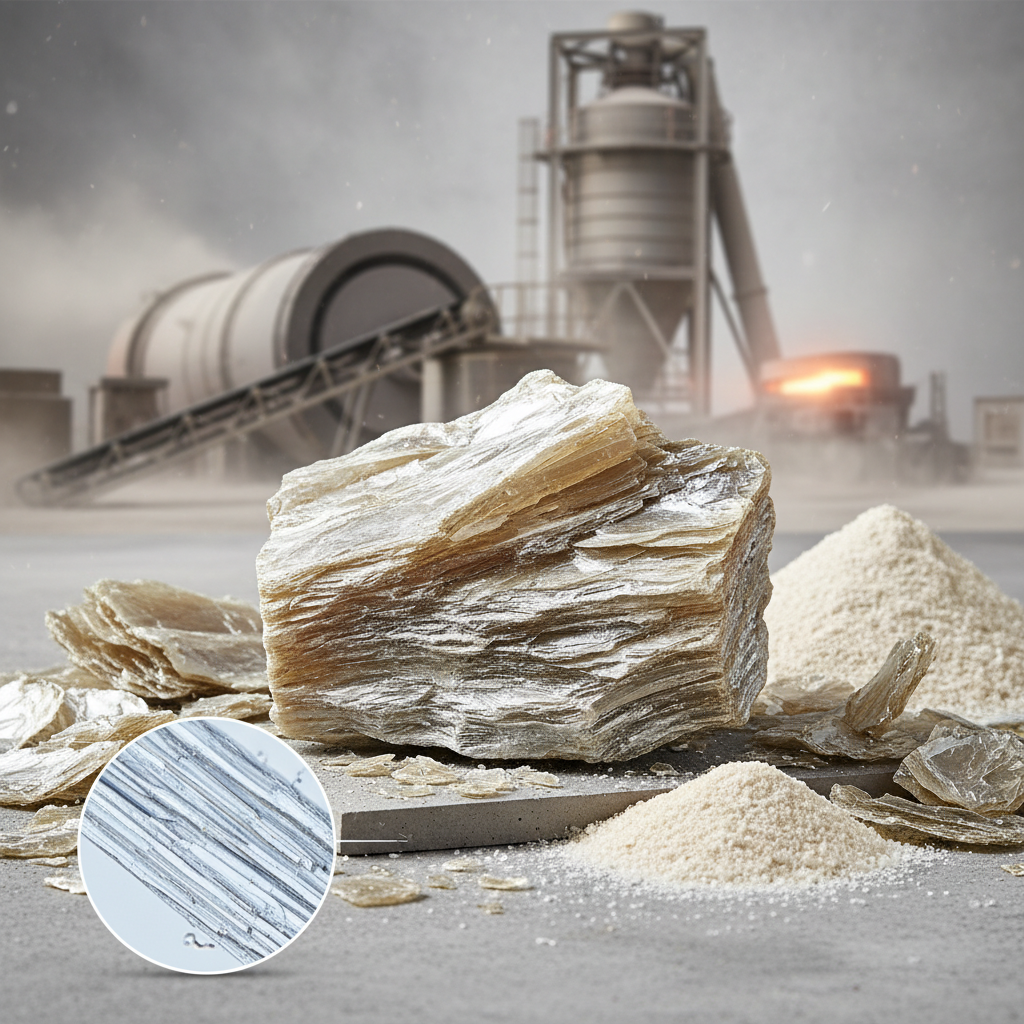
Muscovite mica, often referred to as "white mica," is a phyllosilicate mineral characterized by its perfect basal cleavage. This means it can be split into thin, transparent, and flexible sheets. Chemically, it is a potassium aluminum silicate, and its unique atomic arrangement creates a natural barrier against moisture and electrical current, making it an ideal insulator.
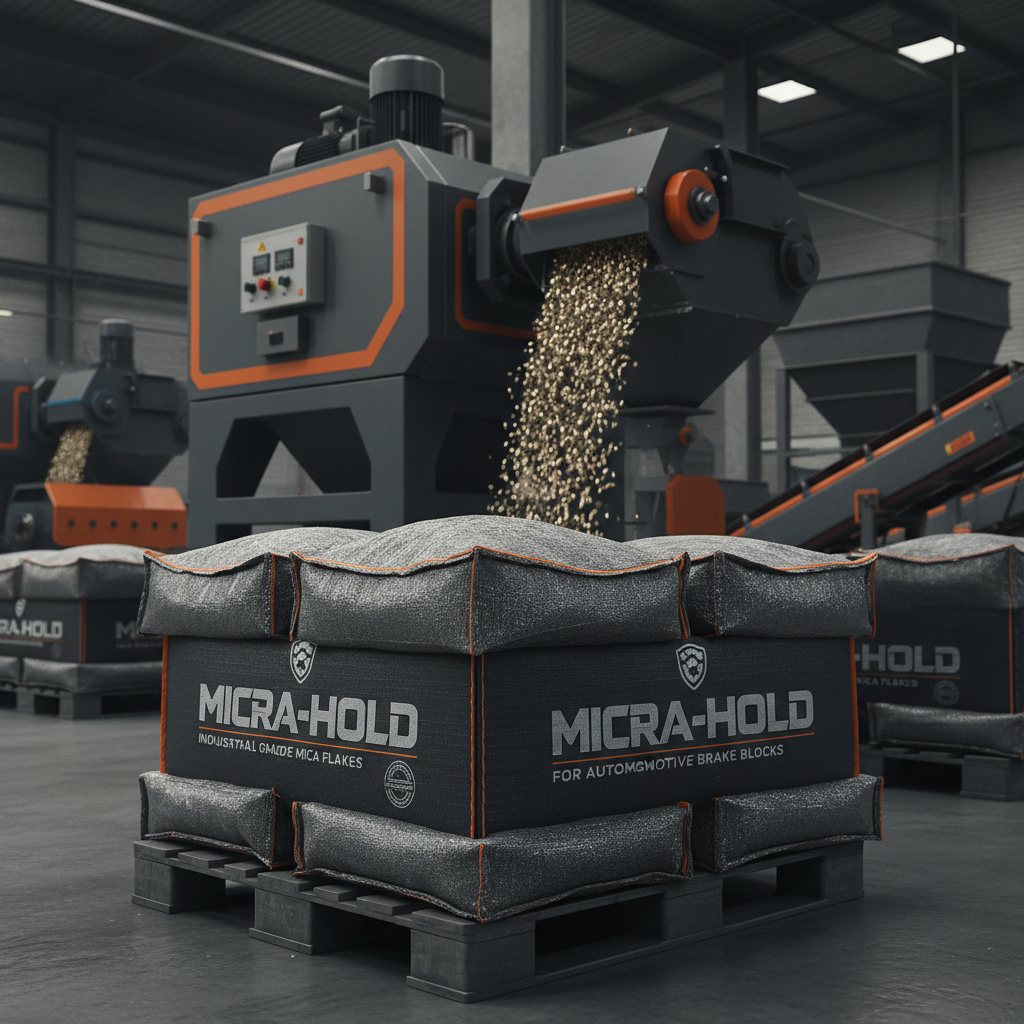
In modern industry, this mineral is not just a raw stone but a engineered material. Whether it is used as mica flakes for reinforcement or as a powder for pearlescent effects in cosmetics, the essence of muscovite mica lies in its ability to maintain structural integrity at temperatures where plastics and organic polymers would simply melt or degrade.
Beyond its physical properties, it addresses a critical humanitarian and safety need by preventing electrical fires in high-voltage infrastructure. By providing a reliable thermal shield, it ensures that the energy systems powering hospitals, schools, and factories operate without the risk of catastrophic insulation failure.
Core Components and Material Properties
The primary value of muscovite mica is derived from its exceptional dielectric strength. This allows it to prevent electrical arcing even in extremely thin layers, which is vital for the production of capacitors and high-frequency vacuum tubes where space is limited but voltage is high.
Thermal stability is another cornerstone of its utility. Unlike many synthetic insulators, muscovite mica can withstand continuous exposure to high temperatures without losing its mechanical properties, making it the gold standard for heating elements and oven liners.
Chemical inertness ensures that the mineral does not react with other industrial chemicals or atmospheric pollutants. This resistance to corrosion makes it highly scalable for use in harsh environments, such as chemical processing plants or undersea cabling, where longevity is the primary metric of success.
Practical Performance Metrics in Industry
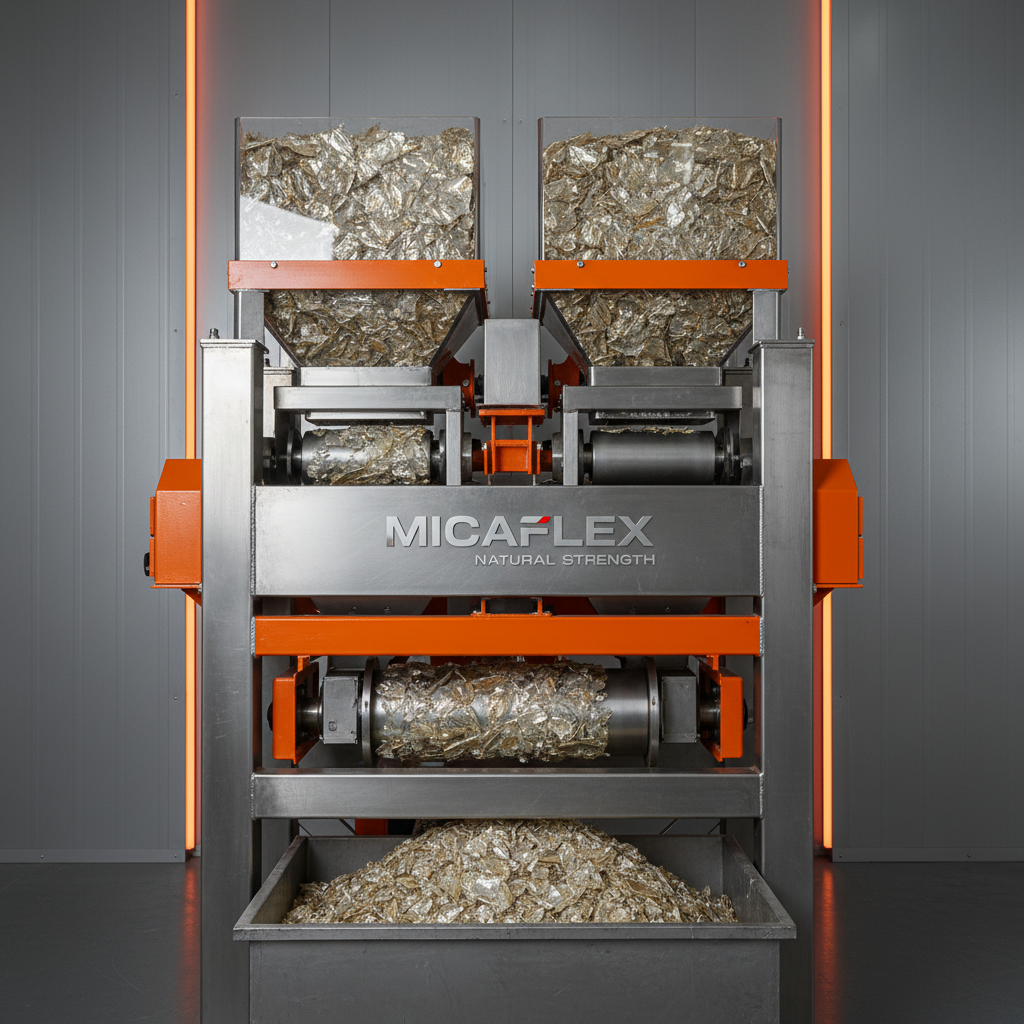
When evaluating the efficiency of different mica processing methods, engineers look at purity, flake size consistency, and thermal conductivity. The transition from raw muscovite to industrial-grade material involves precise grinding and sorting to ensure that the final product meets the specific tolerances of the application, whether it be for high-end electronics or construction fillers.
To better understand how various forms of this mineral perform, we can examine the relative ratings of different grades. For instance, calcined versions offer higher thermal resistance, while natural flakes are preferred for their mechanical flexibility and cost-effectiveness in composite materials.
Industrial Performance Ratings of Muscovite Mica Variants
Global Applications and Strategic Use Cases
In the automotive sector, muscovite mica is increasingly utilized in the insulation of EV battery packs and power inverters. Its ability to prevent electrical leakage while managing heat dissipation is critical for preventing thermal runaway, thereby enhancing the safety of millions of passengers worldwide.
Furthermore, in remote industrial zones—such as deep-sea oil rigs or Arctic research stations—mica-based insulation is preferred over synthetic polymers. Because it does not embrittle in extreme cold or melt in high-pressure heat, it provides a reliable fail-safe for critical communication and power systems where maintenance is nearly impossible.
Long-Term Value and Sustainability Benefits
The long-term value of integrating muscovite mica into product design lies in the significant reduction of replacement cycles. Because the material does not degrade over time under electrical stress, products using mica insulation typically have a longer operational lifespan, reducing electronic waste and lowering the total cost of ownership for the end-user.
From a sustainability perspective, mica is a naturally occurring mineral that, when sourced ethically, offers a lower carbon footprint than the complex chemical synthesis required for high-performance fluoropolymers. Its ability to enhance the thermal efficiency of buildings and appliances also contributes to overall energy savings.
Moreover, there is an emotional layer of trust associated with mica. In critical safety components, such as fire-wall barriers in aircraft, the reliability of muscovite mica provides peace of mind to engineers and passengers alike, knowing that the material is physically incapable of fueling a fire.
Future Innovations and Technical Challenges
The future of muscovite mica is closely tied to the digital transformation of the mining and processing industry. Automation and AI-driven sorting are now being used to identify the highest purity veins of mica, reducing waste and ensuring that the chemical composition is perfectly consistent for the semiconductor industry.
One of the emerging trends is the development of "hybrid mica composites," where muscovite mica is blended with nano-materials to create ultra-thin, transparent conductive films. These innovations are paving the way for the next generation of flexible displays and wearable health-monitoring sensors.
Despite these advances, the industry must overcome the challenge of ethical sourcing. The transition toward "Green Mica" certifications ensures that the mineral is extracted without child labor and with minimal environmental impact, aligning industrial growth with global humanitarian goals.
Comparison of Muscovite Mica Grades across Industrial Applications
| Mica Grade |
Primary Application |
Thermal Stability |
Cost Efficiency |
| High-Purity Flake |
Aerospace Capacitors |
Excellent (10/10) |
Low |
| Calcined Powder |
Industrial Ceramics |
Very High (9/10) |
Medium |
| Standard Muscovite |
General Electronics |
High (7/10) |
High |
| Cosmetic Grade |
Pearlescent Pigments |
Moderate (5/10) |
Medium |
| Reinforced Sheet |
Oven Insulation |
High (8/10) |
High |
| Fine Mesh Mica |
Filter Media |
Moderate (6/10) |
Medium |
FAQS
Muscovite mica offers a unique combination of extreme thermal stability and high dielectric strength that most synthetics cannot match. While plastics may melt or outgas at high temperatures, mica remains structurally sound, providing a reliable barrier against electrical failure in high-heat environments.
In the automotive sector, particularly for EVs, it is used as a thermal shield and electrical insulator for battery cells and power electronics. It prevents short circuits and manages heat, which is essential for battery safety and longevity.
As a naturally occurring mineral, it has a lower chemical processing footprint than many synthetic polymers. When sourced from certified ethical mines, it provides a sustainable, long-lasting alternative that reduces electronic waste due to its durability.
Yes, fine-ground muscovite mica is widely used in cosmetics to create a pearlescent or shimmering effect. Its chemical inertness makes it safe for skin contact, and its reflective properties provide the desired aesthetic finish in makeup products.
Muscovite is typically colorless or light-colored and is preferred for electrical insulation due to its higher dielectric properties. Phlogopite is usually brown and can withstand even higher temperatures, making it better suited for extreme industrial furnace applications.
Quality is ensured by checking the purity levels, flake size distribution, and thermal conductivity certifications. Working with a reputable supplier who provides detailed lab analysis and adheres to ISO standards is the best way to guarantee performance.
Conclusion
Muscovite mica remains an irreplaceable asset in the global industrial toolkit, bridging the gap between raw mineral power and high-tech application. From its role in preventing electrical disasters to its contribution to the efficiency of green energy technologies, its unique dielectric and thermal properties provide a level of security and performance that is fundamental to modern infrastructure.
As we move toward a more sustainable and digitally integrated future, the focus will shift toward enhancing the purity and ethical sourcing of this mineral. For businesses looking to future-proof their hardware and ensure maximum reliability, investing in high-grade mica solutions is not just a technical choice, but a strategic one. Visit our website for more information: www.kehuimica.com