The industrial landscape is increasingly reliant on materials that offer a unique combination of thermal stability, electrical insulation, and chemical inertness. Among these, mineral muscovite stands out as a critical resource, providing the structural integrity and dielectric properties required for high-performance applications in electronics, aerospace, and heavy manufacturing. Understanding the nuances of this mineral is essential for engineers and procurement specialists seeking to optimize product lifespan and safety.
Across the global supply chain, the demand for high-purity mica variations has surged, driven by the transition toward green energy and the miniaturization of electronic components. As industries push the boundaries of heat resistance and voltage endurance, the role of mineral muscovite has evolved from a simple filler to a strategic functional additive. Its ability to withstand extreme environments without degrading makes it indispensable in the modern industrial toolkit.
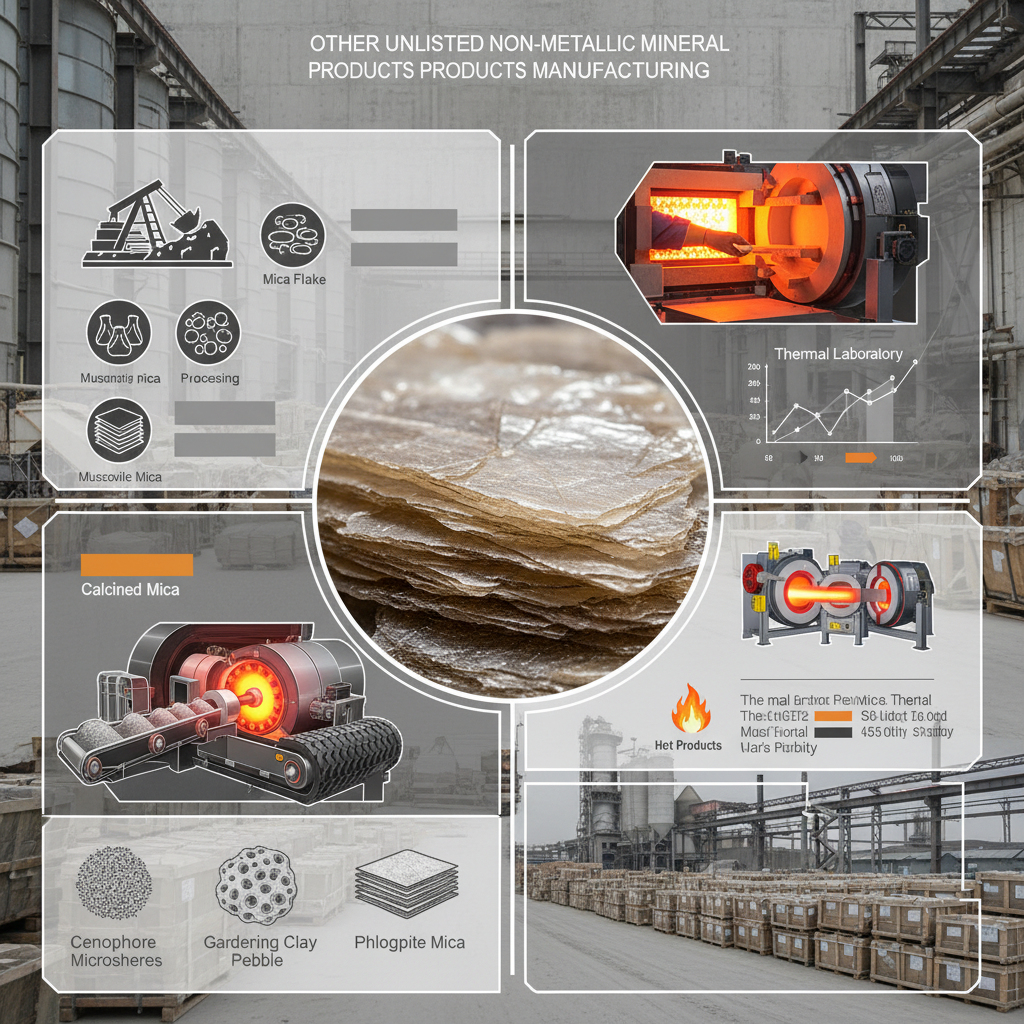
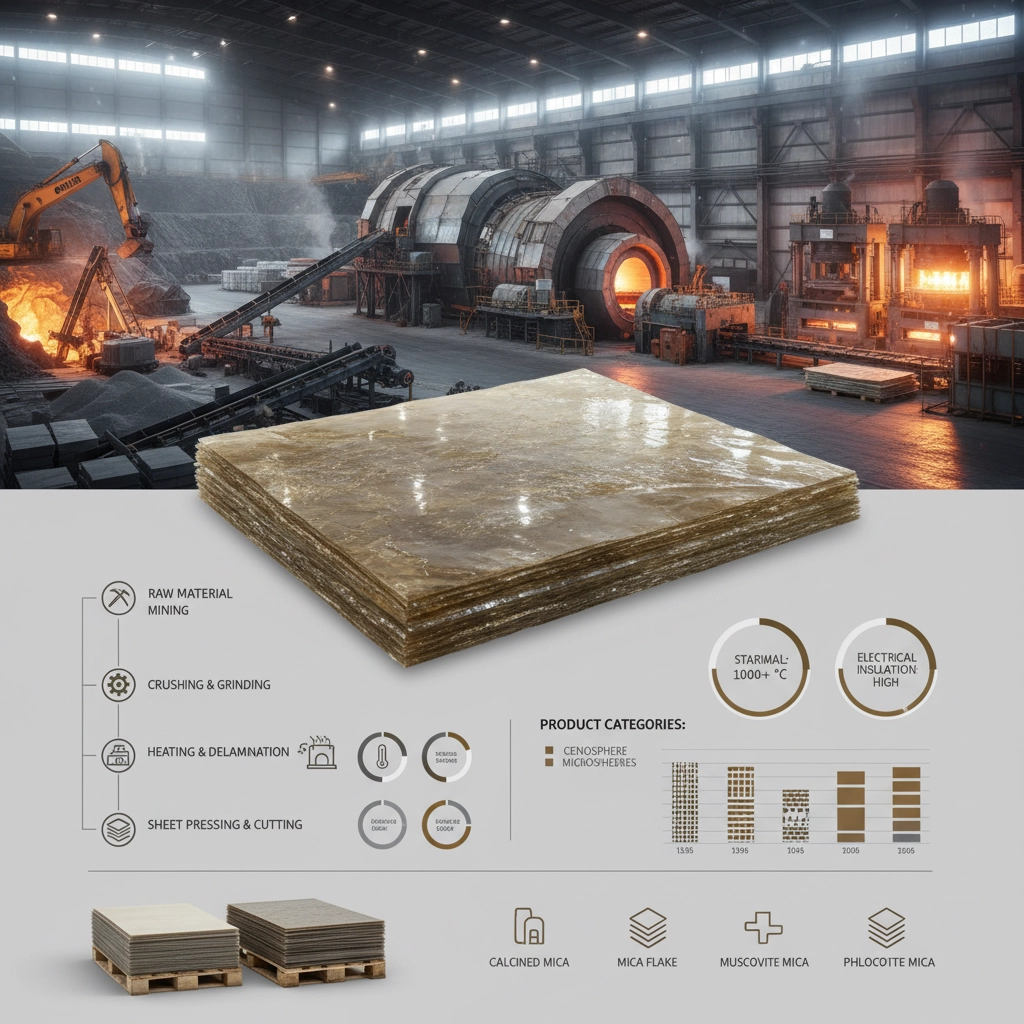
However, sourcing and utilizing this mineral requires a deep understanding of its crystalline structure and purity levels. Whether integrated into calcined mica products or used in its raw flake form, the quality of the mineral directly impacts the reliability of the end product. This guide explores the technical dimensions, global applications, and future innovations surrounding mineral muscovite to provide a comprehensive resource for industry professionals.
Global Context and Industrial Relevance of Mineral Muscovite
In the current global economy, mineral muscovite serves as a cornerstone for the electrical insulation industry. According to international trade data and ISO standards for mineral fillers, the demand for high-dielectric materials has grown steadily, particularly in the Asia-Pacific and European markets. The ability of muscovite to maintain stability under high voltage and temperature makes it a primary choice for capacitors, heating elements, and automotive electrical systems.
The primary challenge facing the industry is the balance between purity and sustainable extraction. As regulatory bodies like the UN emphasize ethical sourcing and environmental protection, the industry is shifting toward refined processing techniques. This evolution ensures that the unique physical properties of muscovite are preserved while minimizing the ecological footprint of mining operations, thereby securing the long-term availability of this vital resource.
Defining Mineral Muscovite and Its Chemical Nature
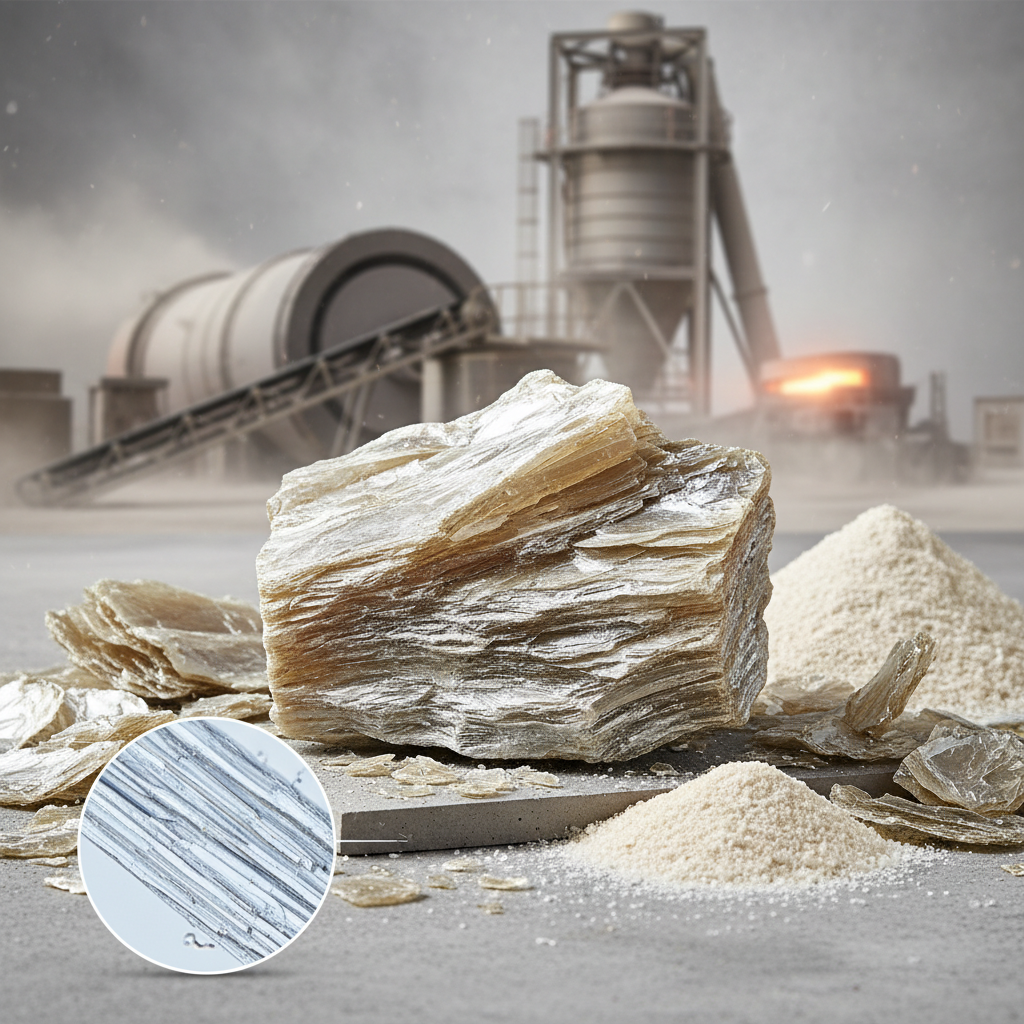
Mineral muscovite is a potassium-rich aluminum phyllosilicate, commonly known as "white mica." It is characterized by its perfect basal cleavage, which allows it to be split into extremely thin, flexible, and transparent sheets. Chemically, its structure consists of layers of silica and alumina tetrahedrons, creating a robust framework that is naturally resistant to most acids and alkalis.
Beyond its basic chemistry, the importance of muscovite in modern industry lies in its "dielectric strength." This means it can prevent electrical current from leaking even when the material is incredibly thin. This property is essential for the fabrication of mica tapes and sheets used in high-voltage motors and power generators, where space is limited but insulation requirements are stringent.
In humanitarian and infrastructure contexts, the stability of muscovite-based materials ensures the longevity of power grids in remote areas. By reducing the frequency of insulation failure, mineral muscovite contributes to the reliability of essential services, demonstrating that a geological resource can have a direct impact on social stability and technological progress.
Core Technical Components of Muscovite Performance
The performance of mineral muscovite is defined by its thermal durability. Unlike organic insulators, muscovite can withstand temperatures exceeding 500°C without melting or losing its insulating properties. This makes it the gold standard for furnace windows and high-temperature gaskets in industrial kilns.
Scalability in application is another key factor. Whether processed into a fine powder for paint additives or kept as large flakes for electrical sheets, mineral muscovite adapts to various manufacturing workflows. Its consistent particle morphology allows for precise control over the viscosity and strength of composite materials.
Finally, cost efficiency is achieved through the mineral's inherent durability. By reducing the rate of wear and tear in harsh chemical environments, mineral muscovite lowers the total cost of ownership for industrial machinery, offering a logical financial advantage over more expensive, synthetic alternatives.
Global Applications and Real-World Use Cases
In the realm of electronics, mineral muscovite is utilized in the production of high-frequency capacitors and insulators. In regions like Japan and South Korea, where semiconductor manufacturing is concentrated, the purity of muscovite is scrutinized to ensure zero contamination, as even trace impurities can lead to electrical breakdown in micro-circuits.
Beyond electronics, this mineral finds critical use in the automotive sector, specifically in the insulation of spark plug boots and high-temperature sensors. In remote industrial zones—such as oil rigs in the North Sea or mining operations in the Andes—muscovite-insulated cabling is preferred because it resists the corrosive effects of saltwater and extreme temperature fluctuations.
Industrial Performance Rating of Muscovite Variations
Tangible Advantages and Long-Term Industrial Value
The long-term value of mineral muscovite is rooted in its reliability. Unlike polymers that age and crack over time, mica remains chemically stable for decades. This reliability fosters trust between manufacturers and end-users, particularly in safety-critical applications like aerospace braking systems or nuclear power plant insulation.
From a sustainability perspective, muscovite offers a natural alternative to synthetic fluoropolymers. Its abundance and the ability to process it with minimal toxic additives align with global "Green Chemistry" initiatives. By choosing mineral muscovite, companies can reduce their reliance on petroleum-based insulators while enhancing the thermal safety of their products.
Future Trends and Sustainable Innovations in Mica
The future of mineral muscovite is being reshaped by nanotechnology. Researchers are currently developing "exfoliated mica nanosheets," which can be dispersed into polymers to create ultra-strong, gas-barrier coatings. These innovations are expected to revolutionize food packaging and hydrogen fuel cell membranes, where preventing gas leakage is paramount.
Digital transformation is also hitting the mining sector. The use of AI-driven sorting technology allows for the precise separation of muscovite from gangue minerals, significantly increasing yield and reducing waste. This automation ensures that the high-purity grades required for 5G infrastructure and high-speed rail electronics are produced more consistently.
Furthermore, the integration of mineral muscovite into 3D printing filaments is an emerging trend. By adding mica particles to thermoplastic resins, engineers can create 3D-printed parts with enhanced heat resistance and dimensional stability, paving the way for rapid prototyping in the automotive and aerospace sectors.
Overcoming Challenges in Mineral Muscovite Processing
One of the primary challenges in processing mineral muscovite is the removal of iron oxide impurities, which can compromise the dielectric strength. Traditional acid leaching is effective but environmentally taxing. The industry is now moving toward "closed-loop" chemical recovery systems that neutralize waste and recycle reagents, ensuring compliance with strict environmental laws.
Another limitation is the inherent brittleness of large mica sheets. To overcome this, manufacturers are developing composite laminates that combine mineral muscovite with flexible resins. This hybrid approach retains the thermal properties of the mineral while providing the mechanical toughness needed for vibration-heavy environments.
Expert insights suggest that the key to future growth lies in standardization. By establishing global benchmarks for "mica purity grades," the industry can eliminate ambiguity in procurement and ensure that every application of mineral muscovite meets the specific safety and performance requirements of the project.
Comparative Analysis of Muscovite Processing Methods
| Processing Method |
Purity Level |
Thermal Stability |
Eco-Impact Score |
| Raw Flake Sorting |
Medium |
High |
9/10 |
| Acid Leaching |
Very High |
Very High |
4/10 |
| Calcination |
High |
Exceptional |
7/10 |
| Micronization |
Medium-High |
High |
8/10 |
| Centrifugal Separation |
Medium |
High |
9/10 |
| Plasma Treatment |
Extreme |
Very High |
6/10 |
FAQS
Mineral muscovite is preferred over phlogopite or other micas primarily due to its higher dielectric strength and superior transparency. While phlogopite handles slightly higher temperatures, muscovite provides a more consistent electrical barrier and is more readily available in high-purity forms, making it the ideal choice for precise electronic applications.
Purity is critical; trace metallic impurities in muscovite can create conductive paths, leading to "dielectric breakdown" or leakage currents. High-purity muscovite ensures a stable capacitance over time and prevents premature failure of the component, especially in high-voltage environments where any impurity can trigger an electrical arc.
Yes, it is a naturally occurring mineral with a significantly lower carbon footprint than synthetic polymer insulators. When sourced ethically and processed using modern closed-loop systems, muscovite is a sustainable choice that adds thermal efficiency to buildings and industrial plants, reducing long-term energy consumption.
Absolutely. In its micronized form, muscovite is used as a filler and pigment extender in paints and cosmetics. Its natural pearlescent shimmer and chemical inertness make it an excellent additive for creating high-gloss finishes and skin-safe cosmetic powders without causing irritation.
The choice depends on the application. Flake muscovite is used when a physical barrier or sheet is required (e.g., electrical gaskets). Powder or micronized muscovite is used when the mineral needs to be integrated into a matrix, such as in plastics, ceramics, or coatings, to provide uniform heat resistance.
Companies should look for suppliers who provide transparent supply chain documentation and adhere to ISO certifications or the OECD Due Diligence Guidance for Responsible Supply Chains. Requesting third-party audits and verifying the origin of the raw ore are the best ways to ensure ethical sourcing.
Conclusion
In summary, mineral muscovite remains an irreplaceable asset in the global industrial landscape. From its exceptional dielectric properties and thermal stability to its versatility in various physical forms, it provides the necessary foundation for safety and efficiency in high-voltage and high-temperature environments. The transition toward higher purity and sustainable processing ensures that this mineral will continue to support the next generation of technological breakthroughs.
As we look toward a future defined by green energy and advanced electronics, the strategic adoption of high-quality muscovite will be a key differentiator for companies aiming for reliability and sustainability. We encourage engineers and procurement officers to prioritize purity and ethical sourcing to maximize the long-term value of their materials. For premium solutions and expert guidance on mica products, visit our website: www.kehuimica.com.