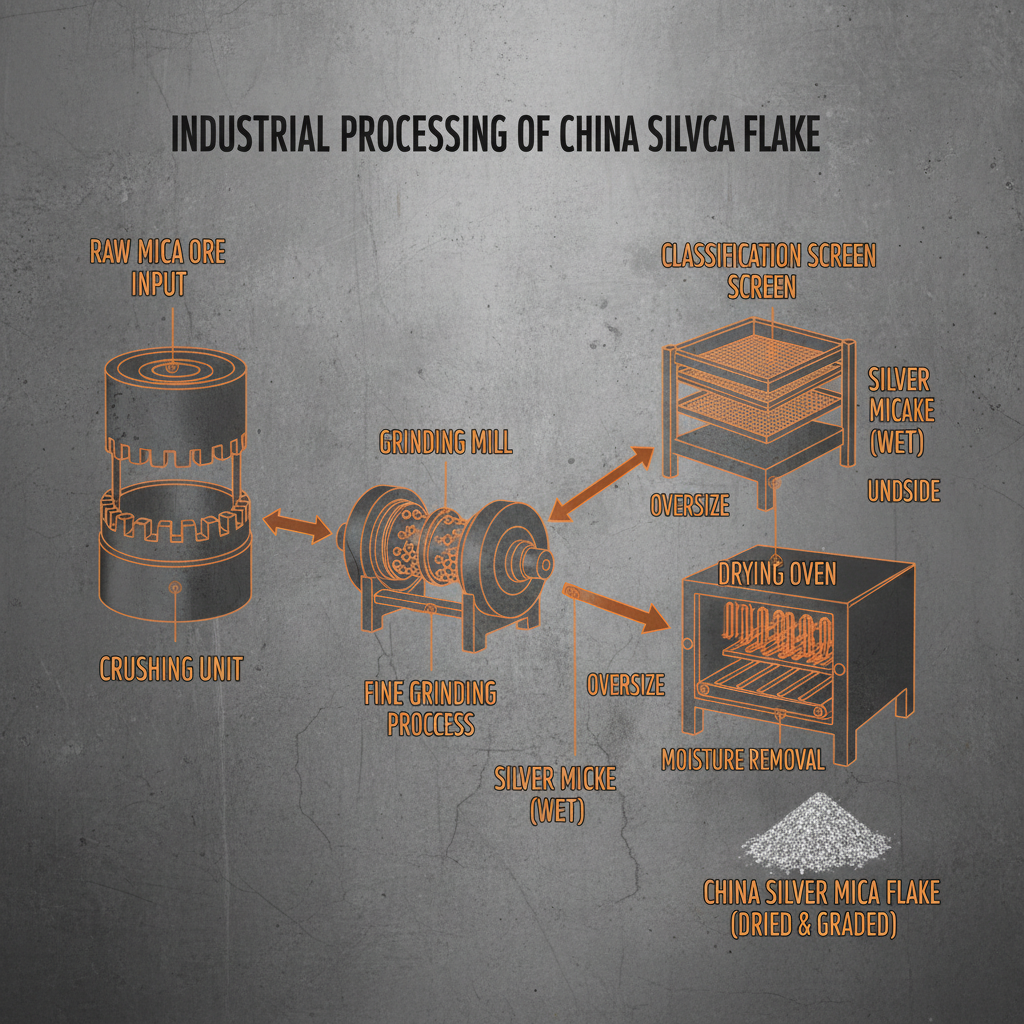
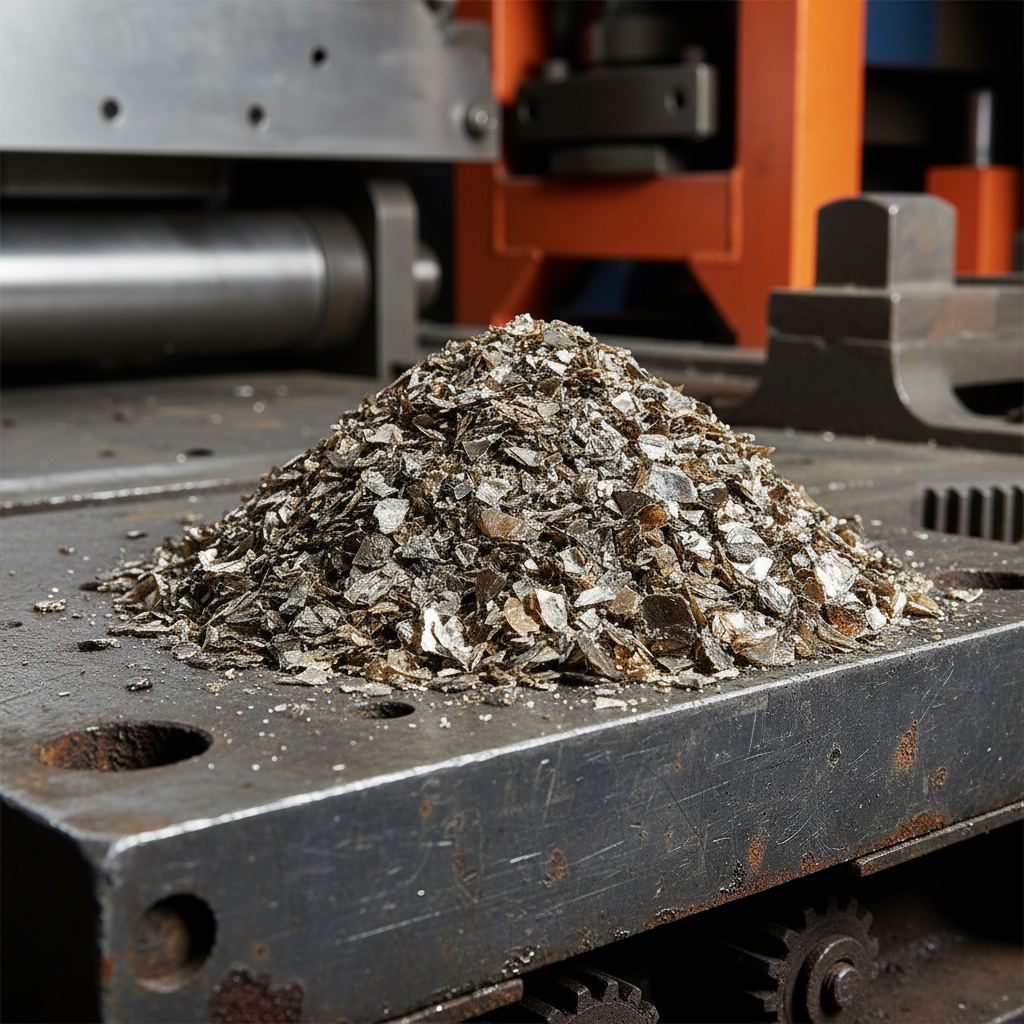
In the sophisticated landscape of industrial minerals, muscovite 2m1 stands as a critical crystalline polymorph, essential for high-performance electrical insulation and thermal stability. Its unique structural arrangement allows it to maintain integrity under extreme conditions, making it an indispensable asset in the manufacturing of capacitors, heating elements, and aerospace components. Understanding the specific properties of this mineral is not merely a technical requirement but a commercial necessity for industries striving for precision and safety.
Globally, the demand for high-purity mica variants is surging as electronic devices become smaller and more powerful. The role of muscovite 2m1 is particularly vital in bridging the gap between raw geological materials and refined industrial applications, ensuring that voltage breakdowns are minimized and thermal conductivity is optimized. As global standards for electronic safety evolve, the precision grading of this mineral becomes a benchmark for quality assurance in the non-metallic mineral sector.
For procurement managers and engineers, distinguishing the 2m1 polytype from other muscovite structures is key to achieving long-term product reliability. This guide explores the technical nuances, global applications, and the future trajectory of muscovite 2m1, providing a comprehensive resource for those seeking to integrate this high-value mineral into their production cycles with maximum efficiency.
Global Relevance and Industrial Context of Muscovite 2m1
The global industrial landscape relies heavily on materials that can withstand extreme electrical stress. muscovite 2m1 serves as a cornerstone in this regard, with its global supply chain stretching from high-grade mines to precision laboratories. According to industry standards aligned with ISO mineral classifications, the purity and structural consistency of this specific polytype are what differentiate a standard insulator from a high-performance dielectric material.
The primary challenge facing modern electronics is "thermal runaway" and dielectric failure. By implementing high-purity muscovite 2m1, manufacturers can significantly reduce the risk of short circuits in high-voltage environments. This global relevance is underscored by the increasing demand in the electric vehicle (EV) sector, where battery management systems require minerals that offer both stability and heat resistance.
Defining the Structural Essence of Muscovite 2m1
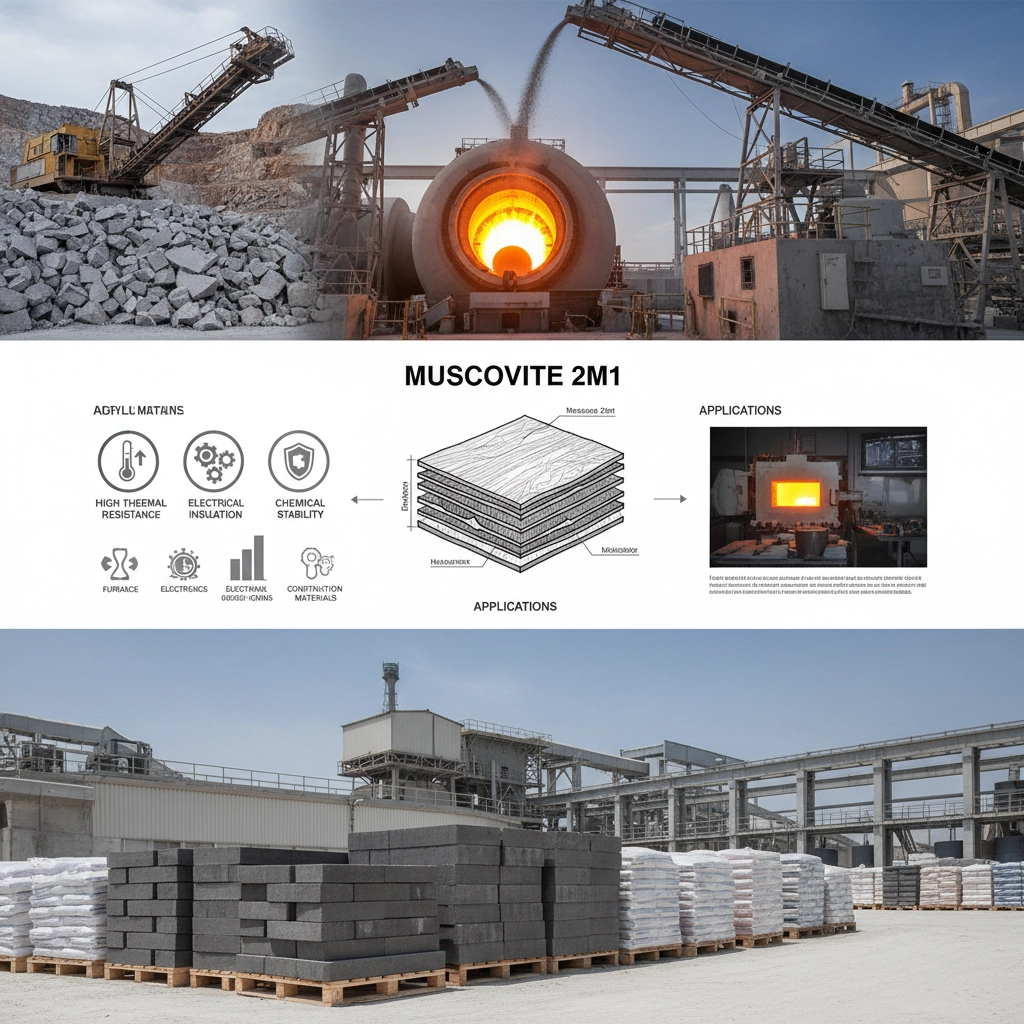
In simple terms, muscovite 2m1 is a specific structural variation of the common muscovite mica. The "2m1" designation refers to its periodic stacking sequence of atomic layers, which provides it with distinct physical and chemical properties compared to other polytypes. This atomic precision is what allows the mineral to be cleaved into incredibly thin, yet strong, sheets that are chemically inert and electrically non-conductive.
From a humanitarian and safety perspective, the stability of muscovite 2m1 is critical. In critical infrastructure—such as power grids and medical imaging equipment—the failure of an insulating component can have catastrophic consequences. By providing a reliable barrier against electrical leakage, this mineral ensures that life-saving technology and essential power services remain operational without compromise.
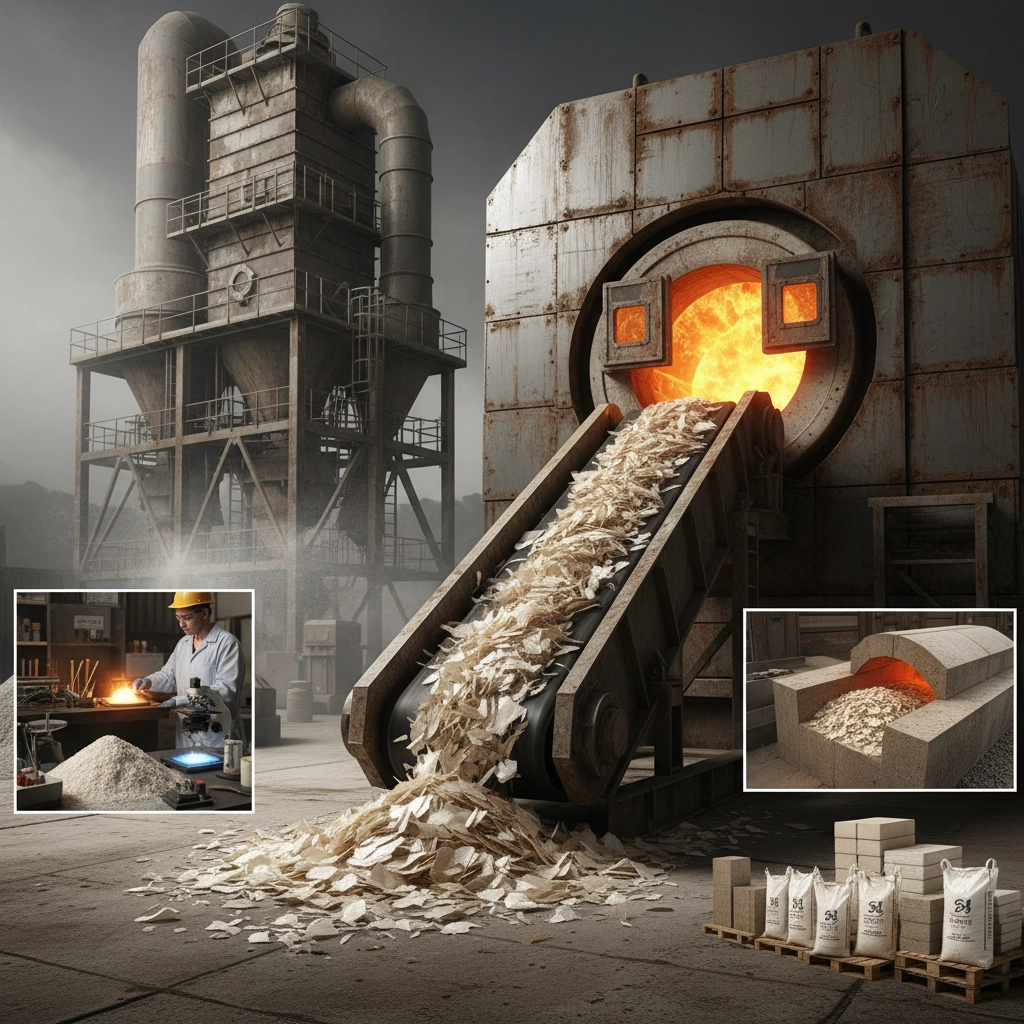
Modern industry views this mineral not just as a raw material, but as a functional component. Whether it is used in its natural flake form or processed into calcined versions, muscovite 2m1 is the invisible guardian of electronic circuitry, ensuring that energy is directed precisely where it is needed while protecting the surrounding hardware from destructive heat.
Core Components and Technical Factors of Muscovite 2m1
The effectiveness of muscovite 2m1 is primarily determined by its Dielectric Strength. This factor defines the maximum electric field the material can withstand before breaking down. In high-voltage applications, a high dielectric rating ensures that the material does not become conductive under stress, which is the primary reason engineers specify the 2m1 polytype over lower-grade alternatives.
Thermal Stability is another core component of muscovite 2m1 performance. Unlike organic insulators that degrade or melt at high temperatures, this mineral maintains its structural integrity and insulating properties even when exposed to intense heat. This makes it ideal for use in industrial furnaces and aerospace heat shields, where material failure is not an option.
Chemical Inertness and Scalability complete the technical profile. muscovite 2m1 is resistant to most acids and alkalis, preventing corrosion in harsh industrial environments. Furthermore, the ability to process this mineral into various forms—from fine powders to large sheets—allows it to be scaled across different product lines, from micro-electronics to heavy machinery.
Performance Metrics and Comparative Analysis of Muscovite 2m1
When evaluating the commercial viability of muscovite 2m1, it is essential to look at performance metrics across different processing methods. Whether the mineral is used in its natural state or undergoes calcination, its ability to inhibit electrical flow remains superior. The following analysis compares different grades of 2m1 based on their industrial application efficiency.
The data indicates that the refined "Method A" processing of muscovite 2m1 yields the highest reliability scores, particularly in high-frequency environments. By optimizing the particle size and removing impurities, the mineral's inherent advantages are amplified, leading to a significant increase in the lifespan of the end-product.
Industrial Performance Ratings of Muscovite 2m1 Variants
Global Applications and Use Cases for Muscovite 2m1
In real-world applications, muscovite 2m1 is deployed in some of the most demanding environments on Earth. In the automotive industry, particularly within the production of high-voltage EV batteries, it acts as a critical separator and insulator, preventing internal arcs that could lead to battery failure. This application is vital for the safety of millions of commuters worldwide.
Beyond the automotive sector, muscovite 2m1 is extensively used in remote industrial zones, such as deep-sea drilling rigs and polar research stations. In these areas, equipment is exposed to extreme temperature fluctuations and corrosive salt air; the mineral's chemical stability ensures that electrical control panels remain functional, preventing costly downtime and ensuring the safety of personnel in isolated regions.
Long-Term Value and Sustainability of Muscovite 2m1
The long-term value of muscovite 2m1 extends beyond its immediate technical utility. By increasing the lifespan of electronic components, it reduces the frequency of replacements, thereby lowering the volume of electronic waste (e-waste) entering landfills. This aligns with global sustainability goals and the transition toward a circular economy in the manufacturing sector.
From a logical perspective, investing in higher-grade muscovite 2m1 reduces long-term maintenance costs. While the initial procurement cost may be higher than standard mica, the reduction in failure rates and the increased reliability of the final product provide a significant return on investment (ROI). This is a strategic advantage for companies that prioritize quality and brand trust.
Emotionally, the use of this mineral represents a commitment to safety and dignity. Whether it is used in a medical ventilator or a power grid, the reliability offered by muscovite 2m1 provides peace of mind to the end-user. It is the invisible layer of trust that allows modern society to rely on complex electrical systems without constant fear of failure.
Future Innovations and Challenges in Muscovite 2m1 Technology
Looking ahead, the integration of muscovite 2m1 with nanotechnology is one of the most promising trends. Researchers are exploring the creation of "nano-mica" composites that combine the insulating properties of the 2m1 polytype with the strength of carbon nanotubes. This could lead to a new generation of ultra-thin, ultra-strong insulators for the next wave of quantum computing hardware.
However, the industry faces challenges, primarily concerning the sustainability of mining practices. The transition toward "Green Mining" is essential to ensure that the extraction of muscovite 2m1 does not harm local ecosystems. Innovative approaches, such as closed-loop water recycling in processing plants and the use of automated, low-impact extraction tools, are currently being implemented to solve these issues.
Furthermore, the digital transformation of the supply chain—using blockchain to track the origin and purity of the mineral—is becoming a standard. This ensures that the muscovite 2m1 used in critical aerospace components is ethically sourced and meets the exact technical specifications required for flight safety, eliminating the risk of counterfeit or sub-standard materials.
Technical Analysis of Muscovite 2m1 Application Frameworks
| Application Sector |
Required Purity Level |
Primary Benefit |
Reliability Score (1-10) |
| Electric Vehicles |
Ultra-High (>99%) |
Thermal Insulation |
9.8 |
| Aerospace Systems |
Medical Grade |
Dielectric Strength |
9.5 |
| Industrial Furnaces |
High Grade |
Heat Resistance |
8.7 |
| Consumer Electronics |
Standard Grade |
Cost Efficiency |
7.2 |
| Power Grid Hardware |
High Grade |
Voltage Stability |
9.0 |
| Medical Imaging |
Ultra-High (>99%) |
Signal Precision |
9.6 |
FAQS
The primary difference lies in the atomic stacking sequence. Muscovite 2m1 has a specific periodic arrangement of layers that enhances its dielectric strength and thermal stability. While regular mica is a general term, 2m1 is a precise polymorph that offers superior performance in high-voltage and high-temperature environments, making it the preferred choice for precision engineering.
Yes, it is highly suitable. Due to its exceptional thermal resistance and electrical insulation properties, muscovite 2m1 is used as a barrier material to prevent short circuits and manage heat within battery cells. This helps in reducing the risk of thermal runaway, significantly increasing the safety and longevity of the battery pack.
Purity is critical. Impurities such as iron or other metallic oxides can create conductive paths within the mineral, which lowers its dielectric strength and increases the risk of electrical breakdown. High-purity muscovite 2m1 ensures a consistent insulating barrier, which is essential for applications in aerospace and medical devices where zero failure is the requirement.
Absolutely. One of the standout features of muscovite 2m1 is its ability to remain stable at temperatures where most organic insulators would vaporize or melt. It provides excellent thermal shielding and electrical insulation for heating elements, ensuring that the furnace operates efficiently without leaking current into the chassis.
While mining always has an impact, the industry is moving toward "Green Mining" practices. This includes implementing closed-loop water systems to prevent contamination and utilizing precision extraction to minimize surface disruption. Many suppliers now provide certifications to ensure that the mineral is sourced ethically and sustainably.
The most accurate way to verify the 2m1 polytype is through X-Ray Diffraction (XRD) analysis. XRD allows technicians to see the specific stacking sequence of the atomic layers. Reputable suppliers provide a Certificate of Analysis (CoA) that includes XRD data to prove the mineral is indeed the 2m1 variant and meets the required purity levels.
Conclusion
In summary, muscovite 2m1 is far more than a simple geological specimen; it is a high-performance industrial tool that ensures the safety and efficiency of our most critical technologies. From its unmatched dielectric strength and thermal stability to its role in reducing e-waste through increased product longevity, the 2m1 polytype represents the pinnacle of mineral engineering in the non-metallic sector. By understanding its structural advantages and application metrics, industries can optimize their designs for maximum reliability.
As we move toward a future defined by electric mobility and quantum computing, the importance of precision materials like muscovite 2m1 will only grow. We recommend that procurement teams prioritize high-purity, XRD-verified sources to ensure that their components meet the rigorous safety standards of tomorrow. For those looking to integrate these advanced mineral solutions into their production, we invite you to explore our specialized offerings. Visit our website: www.kehuimica.com