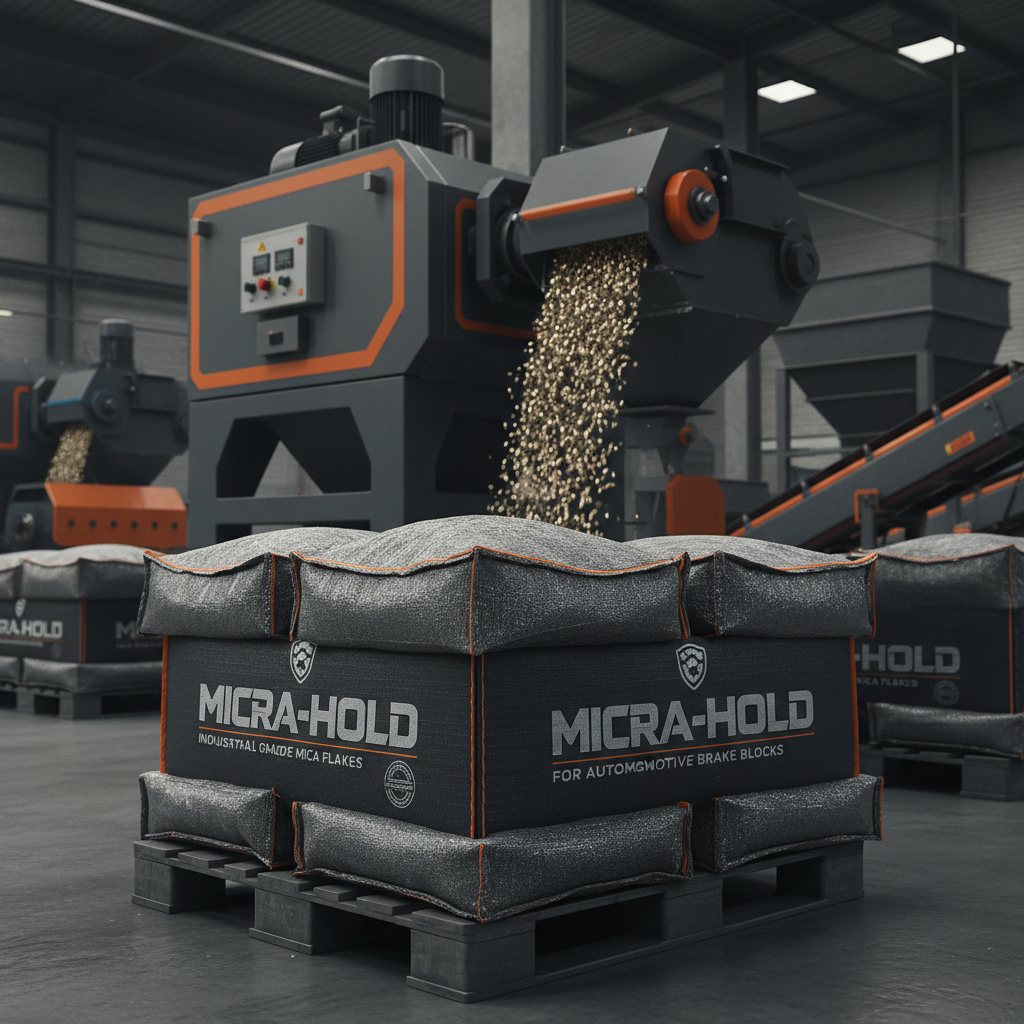
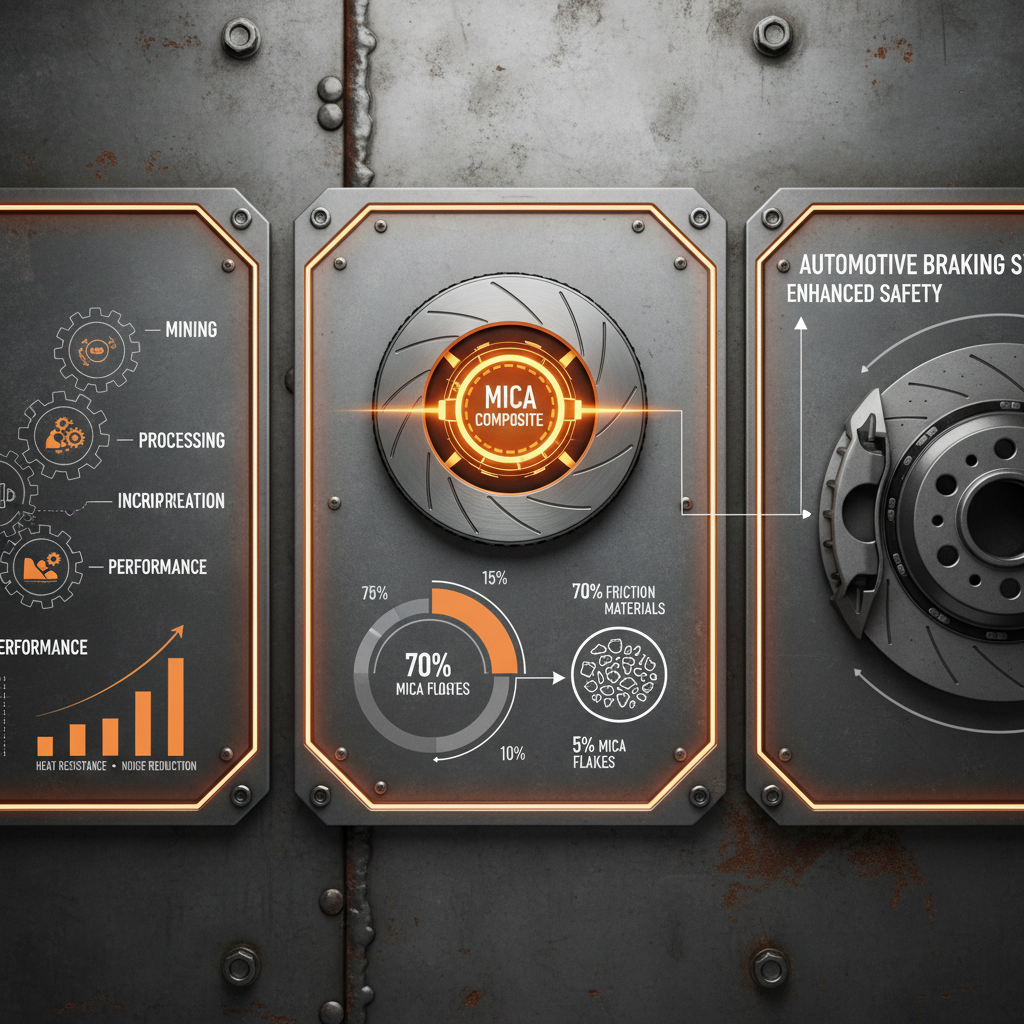
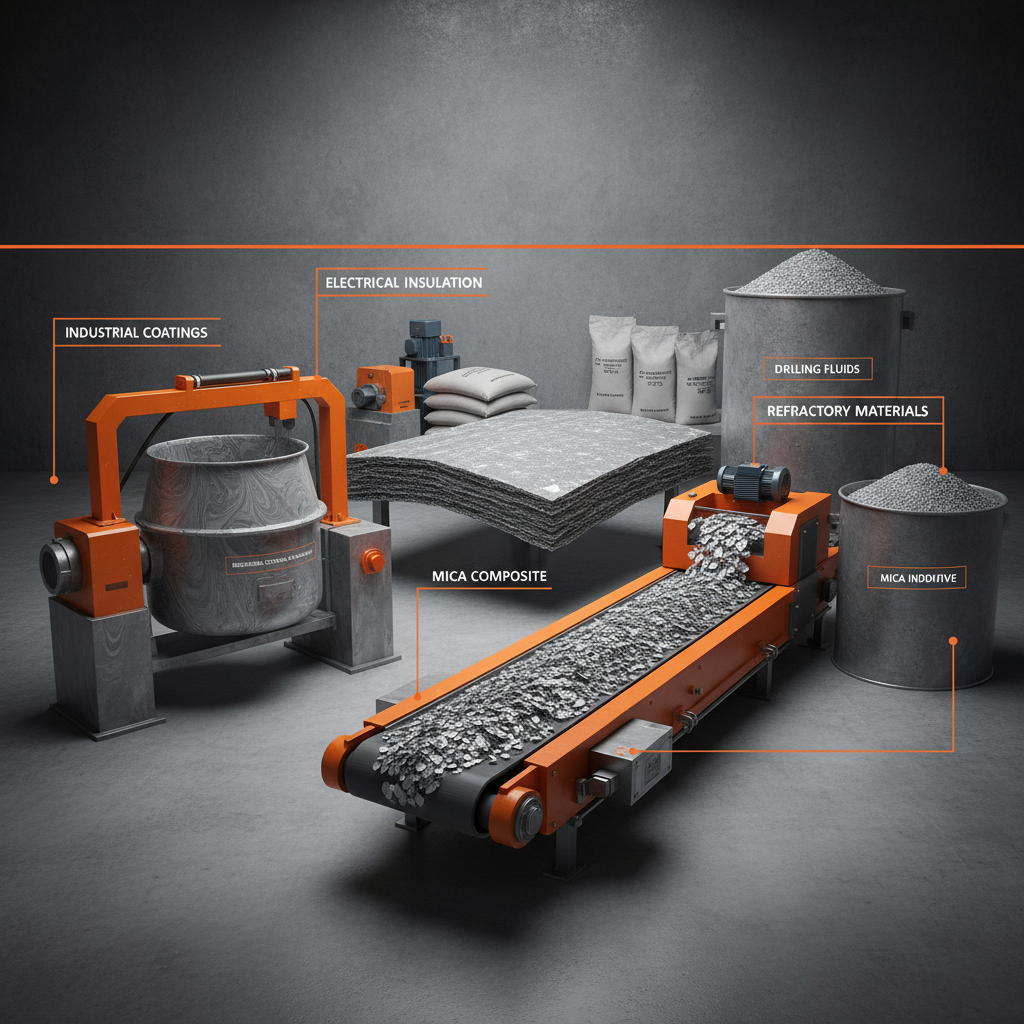
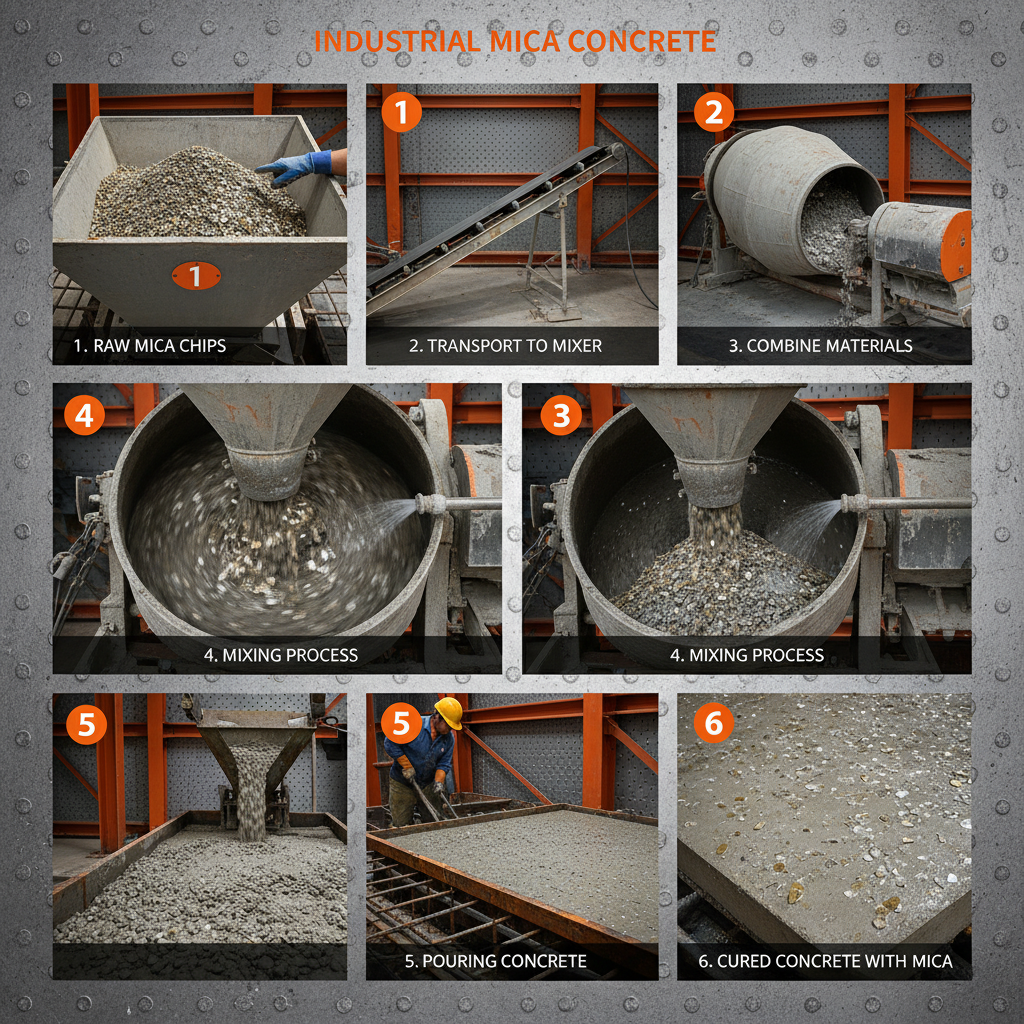
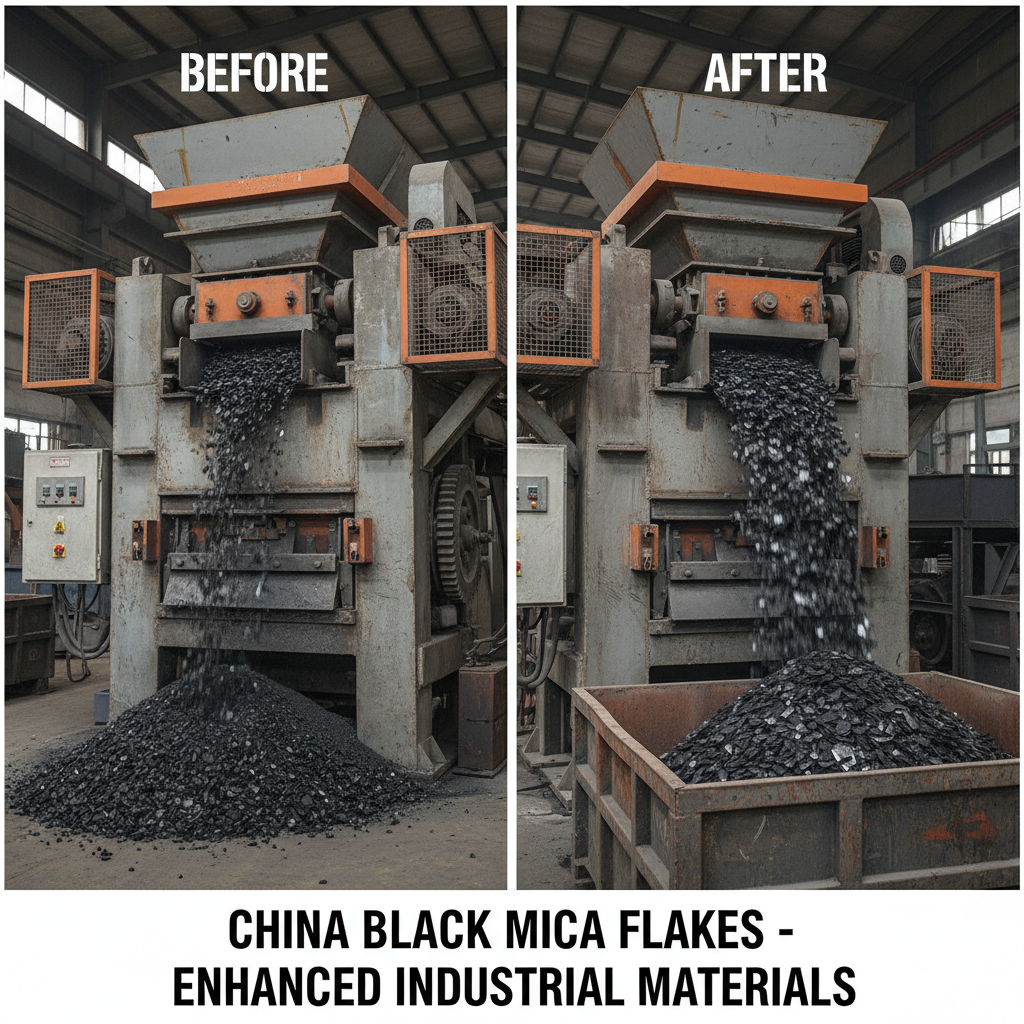
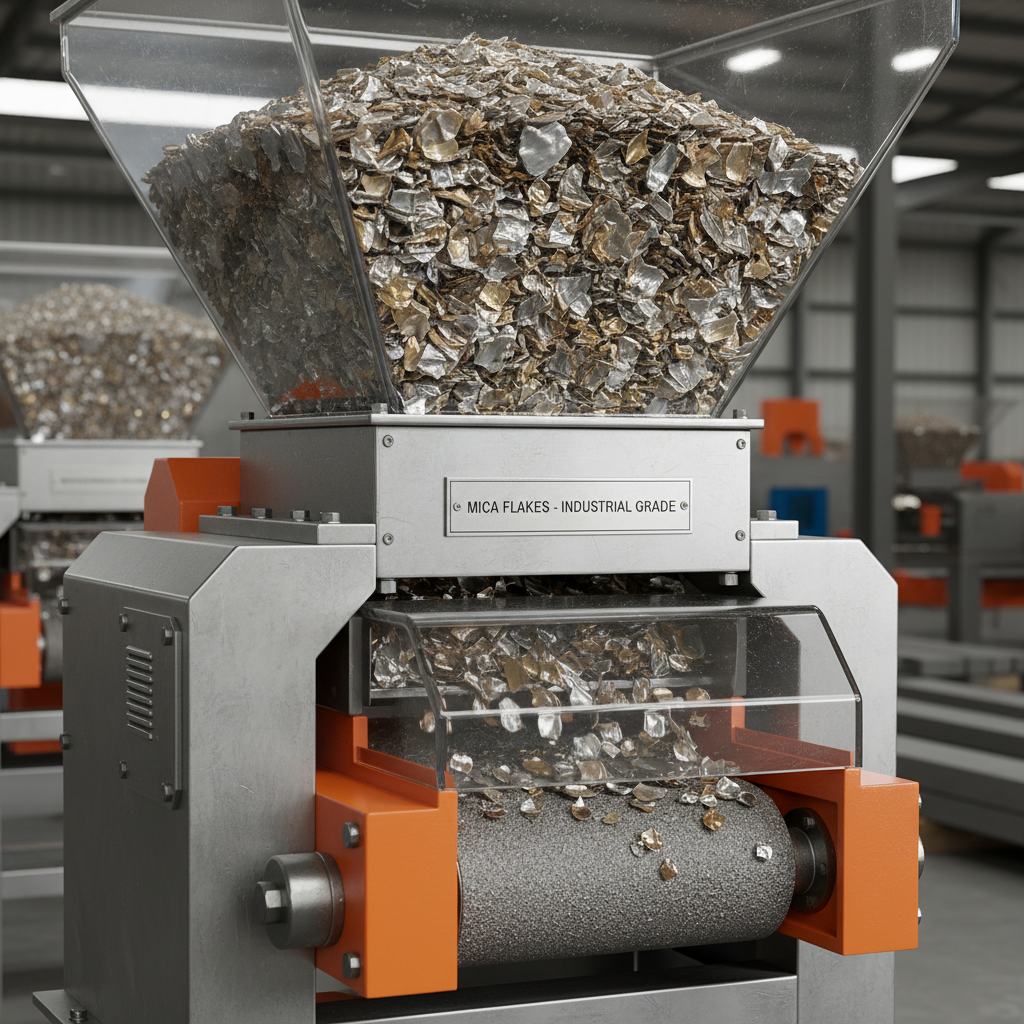
The automotive industry is constantly seeking materials that can withstand extreme thermal stress and mechanical friction, making the integration of mica flakes for brake block of car a critical innovation in safety engineering. These specialized mineral flakes provide a unique combination of heat resistance and lubrication, ensuring that braking systems remain stable even under the most demanding driving conditions.
From a global perspective, the demand for high-performance friction materials is surging as vehicles become heavier and faster, necessitating components that can dissipate heat rapidly without losing structural integrity. By utilizing mica flakes for brake block of car, manufacturers can significantly reduce brake fade and extend the operational lifespan of the friction lining, directly enhancing passenger safety.
Understanding the chemical and physical properties of these flakes allows engineers to optimize the composition of brake pads, balancing the need for high friction coefficients with the requirement for low wear rates. This synergy of mineral science and mechanical engineering is what makes the use of mica flakes for brake block of car indispensable for modern automotive standards.
The Role of Mica Flakes in Automotive Braking Systems
In the high-pressure environment of a vehicle's braking system, the friction material must act as a bridge between the rotor and the caliper. The introduction of mica flakes for brake block of car serves as a critical thermal barrier, preventing the excessive transfer of heat from the friction surface to the brake fluid, which could otherwise lead to vapor lock and total brake failure.
Furthermore, the plate-like structure of these mica flakes allows them to align themselves during the pressing process of the brake pad. This creates a reinforced matrix that manages wear more effectively, ensuring that the brake block maintains a consistent surface area and friction coefficient over thousands of stop-and-go cycles.
Global Industry Demand and Technical Challenges
The global automotive sector is currently grappling with the transition toward heavier Electric Vehicles (EVs), which place significantly more strain on braking components due to increased curb weight. According to standards aligned with ISO automotive quality systems, the need for materials like mica flakes for brake block of car has increased as manufacturers strive to maintain stopping distances while reducing the environmental impact of brake dust.
One of the primary challenges in the industry is the "trade-off" between aggressive stopping power and component longevity. Traditional metallic friction materials often cause excessive rotor wear and noise (squeal), whereas organic materials may fail under high thermal loads. The strategic integration of mica flakes provides a middle ground, offering the stability of a mineral with the noise-dampening properties of an organic composite.
Additionally, global regulatory shifts toward copper-free brake pads have forced a redesign of friction formulas. As manufacturers move away from copper, they are turning to high-grade muscovite and phlogopite mica flakes to maintain thermal conductivity and structural stability, ensuring that safety is not compromised in the pursuit of sustainability.
Material Definition and Chemical Composition
Technically, mica flakes for brake block of car are thin, layered aluminosilicate minerals characterized by their perfect basal cleavage. This unique crystalline structure allows the material to be split into extremely thin, flexible sheets that remain chemically inert and thermally stable at temperatures where other minerals would decompose.
The effectiveness of these flakes depends heavily on their purity and particle size distribution. In the context of brake blocks, high-grade Phlogopite or Muscovite mica is used because of its ability to withstand temperatures exceeding 800°C, ensuring that the mica flakes for brake block of car do not melt or react with the resin binder during the high-heat curing process.
When blended into the friction compound, these flakes act as a solid lubricant and a reinforcing agent. By creating a micro-layered architecture within the brake pad, they help in managing the "transfer film" that forms on the brake disc, which is essential for reducing noise and ensuring a smooth, linear braking feel for the driver.
Core Performance Factors of Friction Modifiers
The performance of a brake block is measured by its ability to convert kinetic energy into thermal energy efficiently. When analyzing mica flakes for brake block of car, the most critical factors are the aspect ratio of the flakes and their thermal expansion coefficient. A higher aspect ratio typically leads to better structural reinforcement of the composite matrix.
Moreover, the compatibility between the mica flakes and the phenolic resins used in the binding process determines the overall durability of the pad. If the interface between the mineral and the binder is weak, the pad may suffer from "chunking," where pieces of the friction material break away under heavy load.
Performance Comparison of Mica-Enhanced Brake Compounds
Industrial Applications Across Vehicle Classes
The application of mica flakes for brake block of car varies significantly depending on the vehicle's intended use. For passenger cars and city commuters, the focus is on noise reduction (NVH - Noise, Vibration, and Harshness) and low dust emission. In these cases, finer mica flakes are used to create a smoother surface that minimizes the "shudder" felt during low-speed braking.
Conversely, for heavy-duty trucks, SUVs, and performance sports cars, the emphasis shifts toward thermal stability and wear resistance. In these high-stress environments, larger, more robust mica flakes are integrated to prevent the material from glazing over at high temperatures, ensuring that the vehicle can perform emergency stops repeatedly without a significant drop in braking efficiency.
Long-term Economic and Safety Advantages
Implementing high-quality mica flakes for brake block of car leads to a measurable reduction in the total cost of ownership for the vehicle. By slowing the rate of wear on both the brake pads and the rotors, these materials extend the service interval for braking system maintenance, reducing the frequency of costly replacements.
From a safety perspective, the logical advantage lies in the prevention of "brake fade." Brake fade occurs when the friction material overheats and loses its grip; by optimizing heat dissipation, mica-enhanced pads ensure that the driver maintains a predictable and reliable stopping distance, even during long descents in mountainous terrain.
Beyond the technical metrics, there is an emotional value: trust. A driver who feels a consistent, silent, and powerful response from their brake pedal experiences less fatigue and more confidence on the road, which is the ultimate goal of any automotive safety component.
Future Innovations in Mineral Friction Materials
The future of mica flakes for brake block of car is closely tied to the development of "green" friction materials. Researchers are currently exploring the use of nano-sized mica particles to create composite materials that are even more resistant to wear while remaining completely free of heavy metals and hazardous resins.
Furthermore, the integration of automated precision blending is allowing manufacturers to create "graded" brake pads. In this design, the concentration of mica flakes varies from the backing plate to the friction surface, optimizing the pad for both structural support and thermal management in a single component.
As we move toward autonomous driving, the braking systems will be operated by AI, which can apply pressure with mathematical precision. This will allow for the development of mica-based compounds tailored specifically for robotic actuation, focusing on extreme linearity and zero-latency response times.
Analysis of Mica Variations in Friction Material Performance
| Mica Type |
Thermal Stability |
Wear Resistance |
Noise Reduction |
| Muscovite Flakes |
High |
Moderate |
Excellent |
| Phlogopite Flakes |
Ultra-High |
High |
Good |
| Calcined Mica |
Moderate |
High |
Moderate |
| Fine-Grade Powder |
High |
Moderate |
Ultra-High |
| Coarse-Grade Flakes |
Very High |
Excellent |
Moderate |
| Hybrid Mica Mix |
High |
High |
High |
FAQS
Mica flakes are preferred because of their unique combination of thermal insulation and lubrication. Unlike other minerals, mica can withstand extreme heat without decomposing, which prevents the brake pad from glazing and maintains a consistent friction coefficient, ensuring reliable stopping power under stress.
Actually, they often help reduce rotor wear. Because mica flakes act as a solid lubricant and help form a stable transfer film on the disc surface, they prevent the "scoring" or deep scratching often caused by purely metallic friction materials, extending the life of the brake rotor.
Yes, they are ideal for EVs. Electric vehicles are generally heavier due to battery packs, leading to higher thermal loads during braking. Mica flakes help manage this extra heat and contribute to the quieter braking experience expected in the silent environment of an EV.
Muscovite is generally used for passenger vehicles where noise reduction and stability are key. Phlogopite has a significantly higher thermal threshold, making it the better choice for heavy-duty trucks or performance cars that experience extreme heat during aggressive braking.
Mica flakes help dampen the high-frequency vibrations that occur when the pad contacts the rotor. By acting as a buffer, they reduce the "squeal" often associated with semi-metallic pads, resulting in a smoother and quieter braking experience for the driver.
Yes, mica is a naturally occurring mineral and is an excellent alternative to hazardous materials like asbestos or copper. Using mica flakes supports the industry's move toward non-toxic, sustainable friction materials without compromising on safety or performance.
Conclusion
The integration of mica flakes for brake block of car represents a sophisticated intersection of geology and automotive engineering. By leveraging the natural thermal stability and lubricating properties of mica, manufacturers can produce brake pads that are not only safer and more durable but also quieter and more environmentally sustainable. From managing the extreme heat of heavy-duty haulers to ensuring the silent stop of a luxury electric sedan, these mineral flakes are essential for modern road safety.
Looking forward, as the automotive world shifts toward smarter, heavier, and greener vehicles, the role of advanced mineral modifiers will only grow. We encourage manufacturers and engineers to prioritize high-purity, specifically graded mica to maximize the lifespan of braking systems. For more information on high-performance mineral solutions, visit our website: www.kehuimica.com.