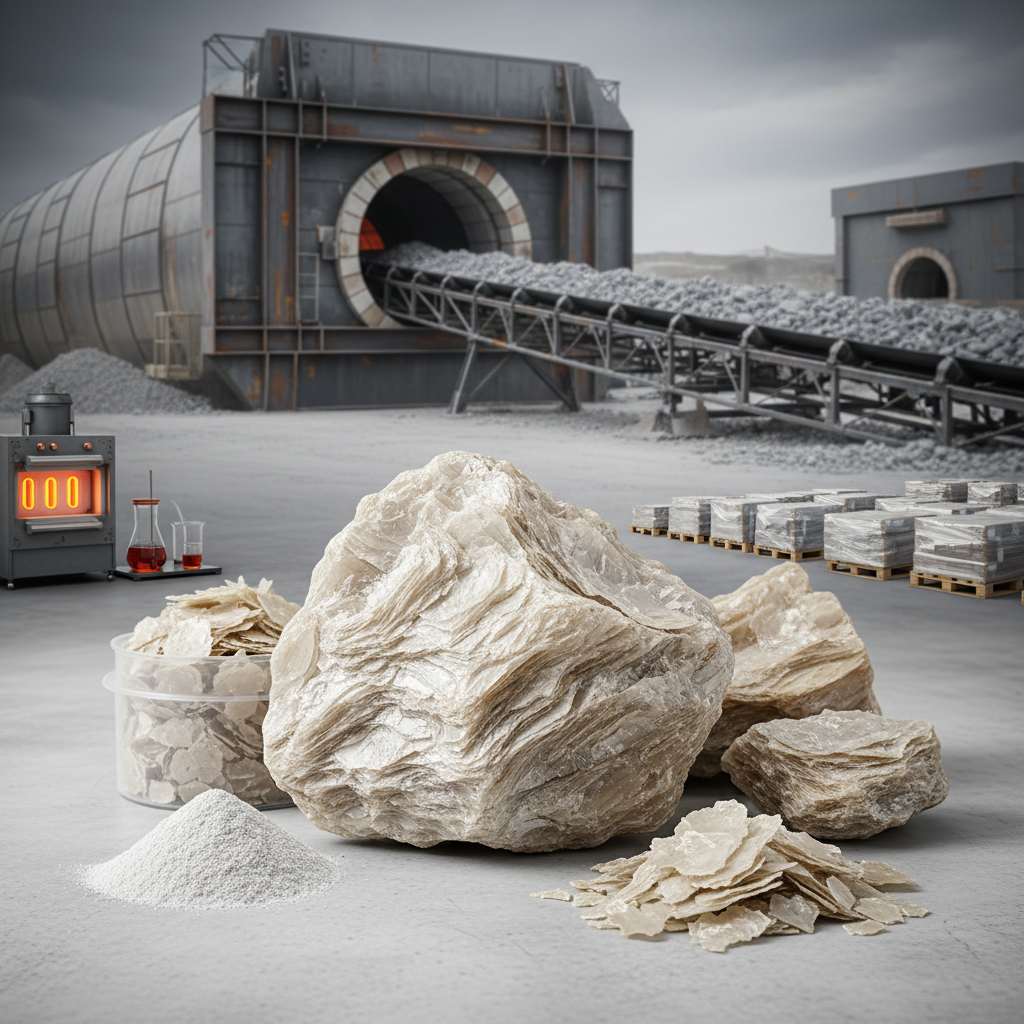
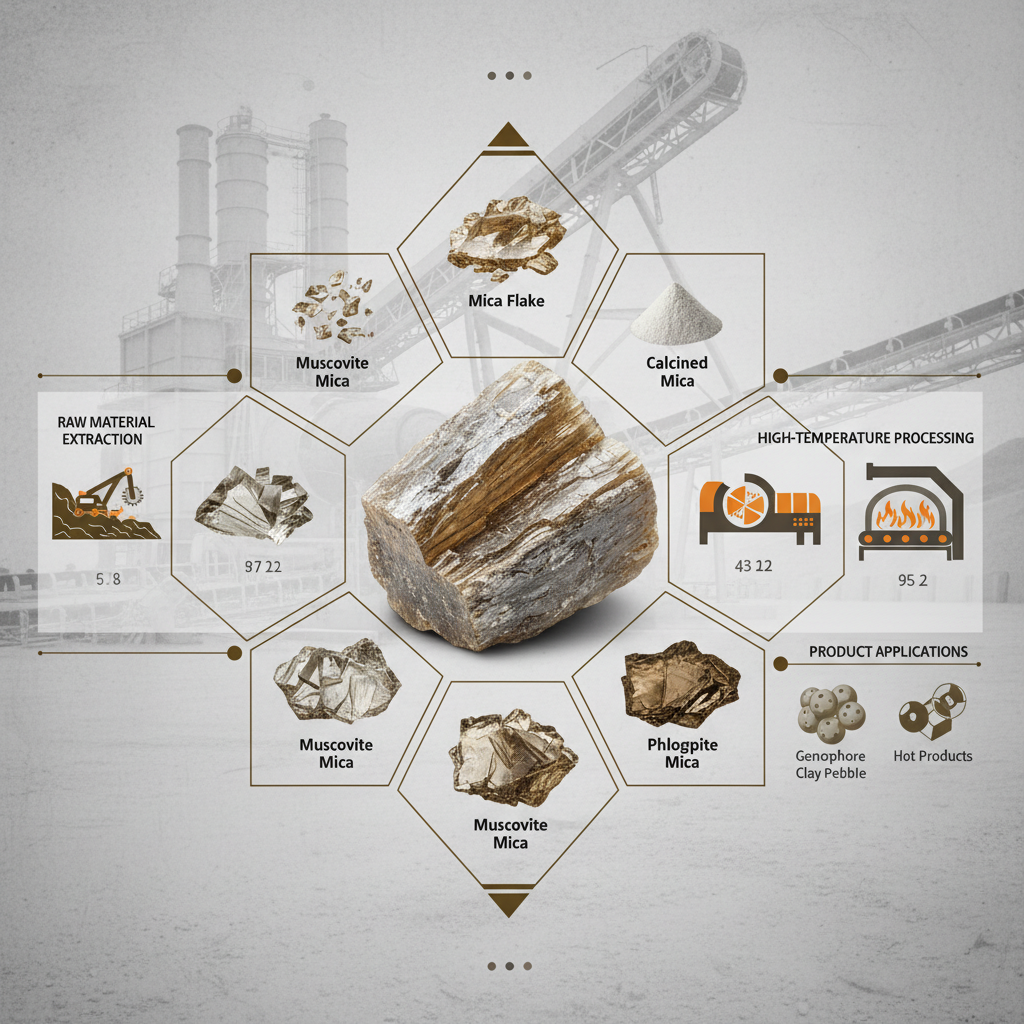
The exploration of mica muscovite mineral genel> represents a intersection of geological wonder and industrial necessity. As a phyllosilicate mineral known for its perfect basal cleavage and exceptional dielectric strength, muscovite has evolved from a simple curiosity of the natural world into a cornerstone of modern electronic and thermal insulation. Understanding its properties is not merely an academic exercise but a strategic requirement for engineers and manufacturers aiming for high-performance stability in extreme environments.
Globally, the demand for high-purity muscovite is driven by the rapid expansion of the electronics sector and the transition toward green energy infrastructure. From the capacitors in our smartphones to the heavy-duty insulators in industrial power grids, this mineral provides a level of reliability that few synthetic alternatives can match. Its ability to withstand high temperatures while remaining chemically inert makes it indispensable across diverse sectors, including aerospace, automotive, and specialized construction.
By delving into the technical nuances of mica muscovite mineral//a>, stakeholders can unlock significant efficiencies in product durability and safety. Whether it is through the use of calcined mica for thermal barriers or mica flakes for reinforcement, the versatility of this mineral allows for tailored solutions that address specific industrial pain points. This guide provides a comprehensive overview of its global context, practical applications, and the future trajectory of its usage in the non-metallic mineral industry.
Global Relevance of Mica Muscovite Mineral
The global distribution and utilization of mica muscovite mineral are deeply intertwined with the industrialization of emerging economies. With significant deposits found across India, Brazil, and parts of Africa, the supply chain for muscovite is a complex network that balances raw extraction with high-tech refining. According to industrial mineral standards, the consistency of the mineral's sheet structure is what makes it a globally traded commodity of high value.
However, the industry faces a critical challenge: the need for ethically sourced and ultra-pure materials. As ISO standards for electronic components become more stringent, the pressure on miners and processors to eliminate impurities has intensified. This has led to a shift toward advanced processing techniques, ensuring that the mica provided to the global market meets the precise dielectric and thermal requirements of 21st-century technology.
Technical Definition and Industrial Significance
In simple terms, mica muscovite mineral is a potassium-rich aluminum silicate that naturally forms in distinct, flexible sheets. This "sheet-like" morphology is the secret to its industrial power, allowing it to be split into incredibly thin films that remain electrically insulating yet physically robust. Unlike other minerals, muscovite maintains its structural integrity even when subjected to extreme heat, making it the gold standard for electrical insulation.
The connection between this mineral and modern humanitarian needs often manifests in the infrastructure of safety. In high-voltage power distribution systems that bring electricity to remote regions, muscovite-based insulators prevent catastrophic failures and fires. By providing a reliable barrier against electrical leakage, it ensures that the expansion of the global power grid is both safe and sustainable for the populations it serves.
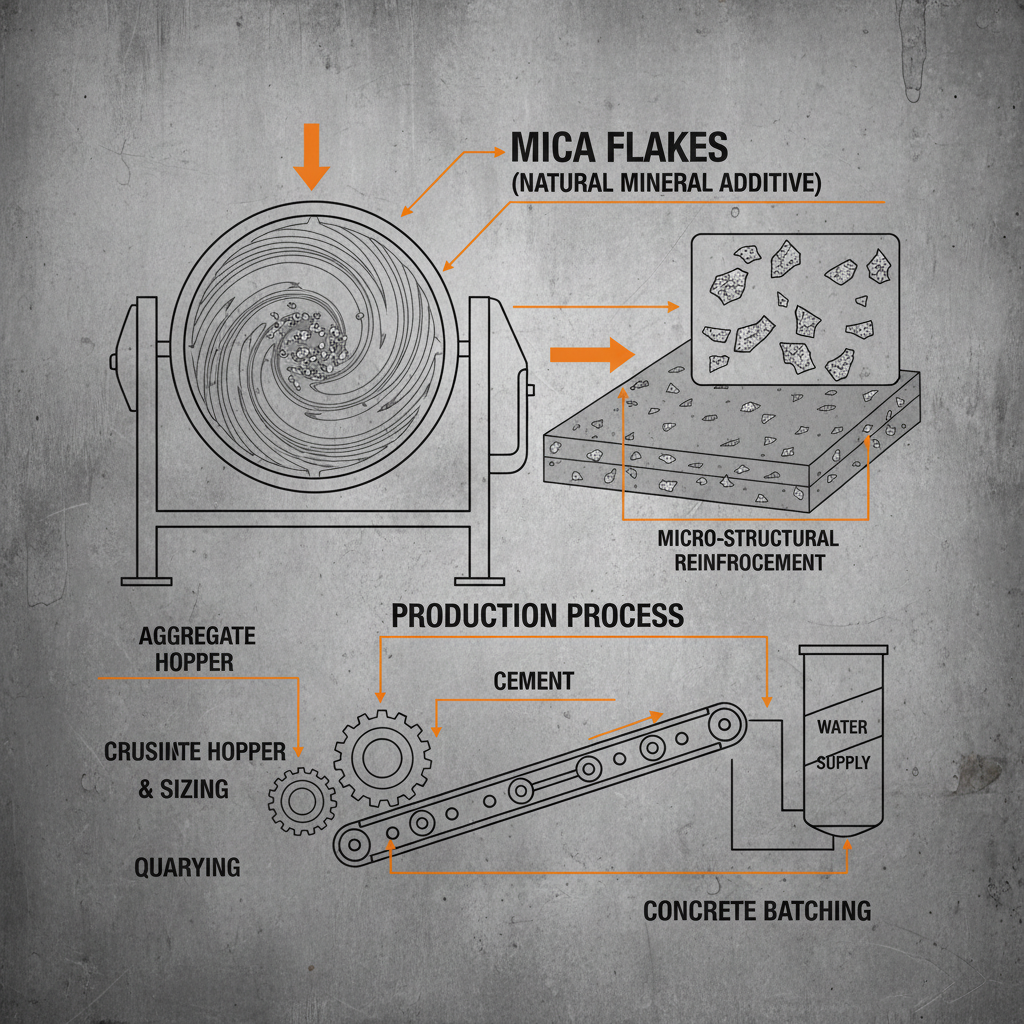
Beyond electronics, its significance extends to the construction and cosmetic industries. When processed into fine flakes or powders, it provides a unique pearlescent effect and structural reinforcement. Whether it is preventing the cracking of high-temperature ceramics or adding shimmer to a luxury product, the versatility of muscovite ensures its place as a vital raw material in the non-metallic mineral sector.
Core Components of Muscovite Performance
The performance of mica muscovite mineral is defined by its exceptional Dielectric Strength. This property allows the mineral to withstand high voltage without breaking down, which is critical for the production of capacitors and high-tension insulators. The internal atomic bonding of the muscovite structure ensures that electrons cannot easily pass through the crystal lattice, providing a natural shield.
Thermal Stability is another core pillar. Muscovite can endure significant temperature fluctuations without undergoing chemical decomposition or losing its physical shape. This makes it an ideal candidate for heat shields and gaskets in automotive engines, where materials must resist the punishing cycle of heating and cooling without degrading.
Finally, the Chemical Inertness of mica muscovite mineral ensures that it does not react with most acids or alkalis. This property is highly valued in industrial coatings and specialized plastics, where the mineral acts as a filler that improves the overall stability of the composite material without introducing corrosive vulnerabilities.
Global Applications and Real-World Use Cases
The practical application of mica muscovite mineral spans across the most demanding industrial zones in the world. In the aerospace industry, for instance, muscovite is used in the insulation of wiring and sensors within jet engines, where failure is not an option. The mineral's ability to maintain insulation at temperatures where plastics would melt is essential for flight safety.
In remote industrial zones, such as mining operations in the Andes or oil rigs in the North Sea, muscovite-based components are used to protect sensitive electronic control systems from extreme environmental stress. Its resistance to moisture and salt corrosion ensures that critical machinery remains operational, reducing downtime and preventing environmental accidents in fragile ecosystems.
Comparative Efficiency of Mica Muscovite Mineral Grades
Long-Term Value and Sustainability Benefits
Investing in mica muscovite mineral provides tangible long-term value through the lens of reliability and sustainability. Because muscovite-based insulators have a significantly longer lifespan than polymer-based alternatives, they reduce the frequency of replacement and the volume of industrial waste. This longevity translates directly into cost savings for infrastructure operators and a lower carbon footprint for the project lifecycle.
From an emotional and logical perspective, the use of high-grade mica is about trust and safety. In high-voltage environments, the reliability of the insulation is the only thing standing between normal operation and a catastrophic event. By choosing a mineral with a proven track record of stability, engineers can ensure the dignity and safety of the workers who maintain these systems, fostering an environment of innovation built on a foundation of security.
Future Innovations in Mica Technology
The future of mica muscovite mineral is being reshaped by the digital transformation and the push for green energy. We are seeing a rise in the development of "nano-mica" composites, where muscovite particles are engineered at the molecular level to create ultra-thin, flexible insulators for the next generation of wearable electronics and foldable screens. This innovation allows for the miniaturization of hardware without sacrificing thermal protection.
Furthermore, the integration of muscovite in electric vehicle (EV) battery thermal management systems is a growing trend. As batteries become more energy-dense, the risk of thermal runaway increases. Advanced mica-based barriers are being developed to provide a lightweight, fireproof shield between battery cells, ensuring that EVs are safer and more efficient for the mass market.
Automation in the processing of mica muscovite mineral is also optimizing purity. AI-driven sorting and precision milling are allowing manufacturers to produce specific grain sizes with unprecedented accuracy. This ensures that every batch of mica flakes or powders performs exactly as specified, reducing waste and enhancing the precision of the end products.
Overcoming Industrial Challenges in Mica Processing
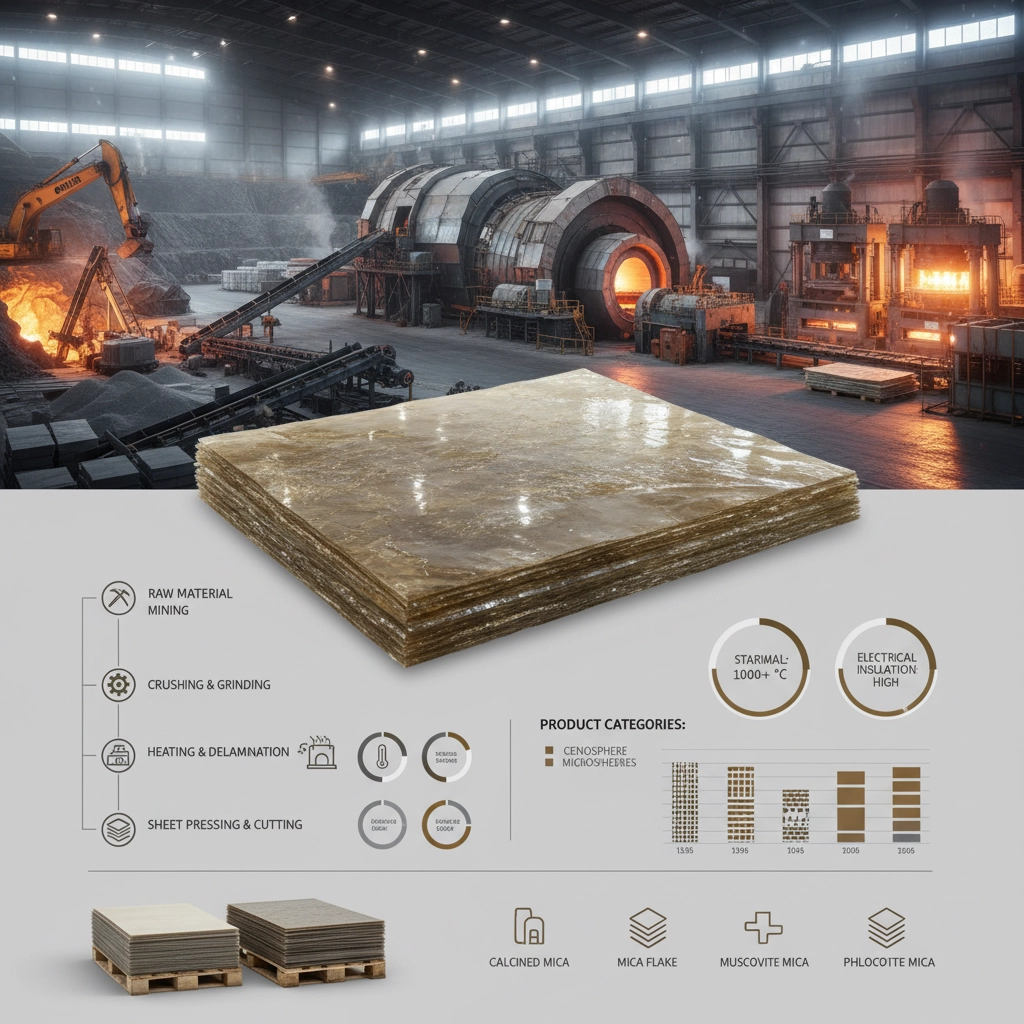
Despite its benefits, the production of mica muscovite mineral faces challenges, primarily regarding raw material consistency and environmental impact. The natural variance in mineral deposits can lead to inconsistencies in dielectric strength. To solve this, industry leaders are implementing rigorous pre-treatment processes, including advanced calcination, to homogenize the mineral's properties before it reaches the fabrication stage.
Another hurdle is the environmental footprint of traditional mining. The industry is pivoting toward "circular mica" initiatives, where scrap mica from the manufacturing process is recovered and re-processed into lower-grade fillers. This not only reduces the reliance on virgin mining but also lowers the overall cost of raw materials for secondary applications.
Expert insights suggest that the key to future growth lies in the adoption of "green chemistry" for mica purification. By replacing harsh chemical agents with biodegradable alternatives during the cleaning phase, producers can maintain the high purity of mica muscovite mineral while adhering to strict global environmental regulations.
Technical Analysis of Mica Muscovite Mineral Processing Methods
| Processing Method |
Purity Level |
Cost Efficiency |
Primary Application |
| Mechanical Flaking |
Medium |
High |
Industrial Fillers |
| Advanced Calcination |
High |
Medium |
Thermal Barriers |
| Chemical Purification |
Ultra-High |
Low |
High-End Electronics |
| Centrifugal Separation |
High |
Medium |
Precision Flakes |
| Nano-Milling |
High |
Low |
Composite Polymers |
| Water-Jet Sorting |
Medium |
High |
General Construction |
FAQS
Muscovite offers a unique combination of natural dielectric strength and extreme thermal stability that is difficult and expensive to replicate synthetically. Its naturally occurring sheet structure allows for the creation of thin, flexible barriers that can withstand higher temperatures than most polymers without melting or degassing, making it safer for critical high-voltage applications.
Purity is paramount; any iron or other metallic impurities within the mineral crystal can create conductive paths, leading to "leakage current" and potential electrical failure. High-purity muscovite ensures maximum resistivity and prevents dielectric breakdown, which is essential for the longevity and safety of capacitors and high-tension equipment.
Yes, primarily due to its extreme durability. Because it does not degrade like plastics, it reduces the need for frequent replacements. Furthermore, the industry is moving toward more sustainable mining practices and the recycling of mica scraps into industrial fillers, minimizing the overall environmental impact of its lifecycle.
Absolutely. In construction, it is used in specialized cements and heat-resistant coatings. In gardening, related minerals like gardening clay pebbles or mica-based soil conditioners are used to improve aeration and mineral content, though industrial-grade muscovite is more common in technical building materials.
Manufacturers should look for suppliers who adhere to strict OECD guidelines and third-party certifications. Transparent supply chains that track the mineral from the mine to the processing plant ensure that the material is free from child labor and produced under fair environmental regulations.
While both are micas, muscovite is typically colorless or light-colored and is preferred for general electrical insulation. Phlogopite is generally darker and has a higher thermal resistance, making it more suitable for extremely high-temperature environments, such as furnace linings, although muscovite remains the more versatile choice for electronics.
Conclusion
The strategic importance of mica muscovite mineral cannot be overstated in an era defined by electrification and high-performance engineering. From its unmatched dielectric properties to its steadfast thermal stability, this mineral provides the invisible foundation upon which much of our modern technology rests. By bridging the gap between raw geological resources and refined industrial application, muscovite enables safer power grids, more efficient electronics, and more durable aerospace components.
Looking forward, the continued evolution of mica processing—driven by AI and green chemistry—will likely unlock new possibilities in nano-technology and renewable energy storage. We encourage engineers and procurement specialists to prioritize high-purity, ethically sourced muscovite to ensure the long-term reliability of their projects. To explore our full range of high-performance mica products, visit our website: www.kehuimica.com