In the sophisticated landscape of mineralogy and industrial engineering, mica var muscovite stands as a cornerstone material, prized for its exceptional dielectric strength and thermal stability. This specific variety of mica, known for its colorless to pale yellow transparency, provides the essential insulation required for high-voltage electronics and aerospace components, making it indispensable in an era of rapid electrification.
Understanding the properties of mica var muscovite is not merely a technical exercise but a strategic necessity for manufacturers seeking to optimize product longevity and safety. Its unique crystalline structure allows it to withstand extreme temperature fluctuations without losing its structural integrity, bridging the gap between raw mineral extraction and high-tech application.
Globally, the demand for high-purity muscovite derivatives continues to climb as industries shift toward green energy and sustainable infrastructure. By mastering the integration of this mineral into composites and insulators, companies can achieve a superior balance of performance and cost-efficiency, ensuring that their products meet rigorous international safety and quality standards.
Global Industrial Relevance of mica var muscovite
The global market for mica var muscovite is deeply intertwined with the growth of the electronics and automotive sectors. According to industry standards aligned with ISO guidelines, the demand for high-grade electrical insulation has surged as the world transitions toward electric vehicles (EVs) and smart grids. The ability of muscovite to remain chemically inert under high stress makes it a critical component in preventing electrical leakage and catastrophic failure in power converters.
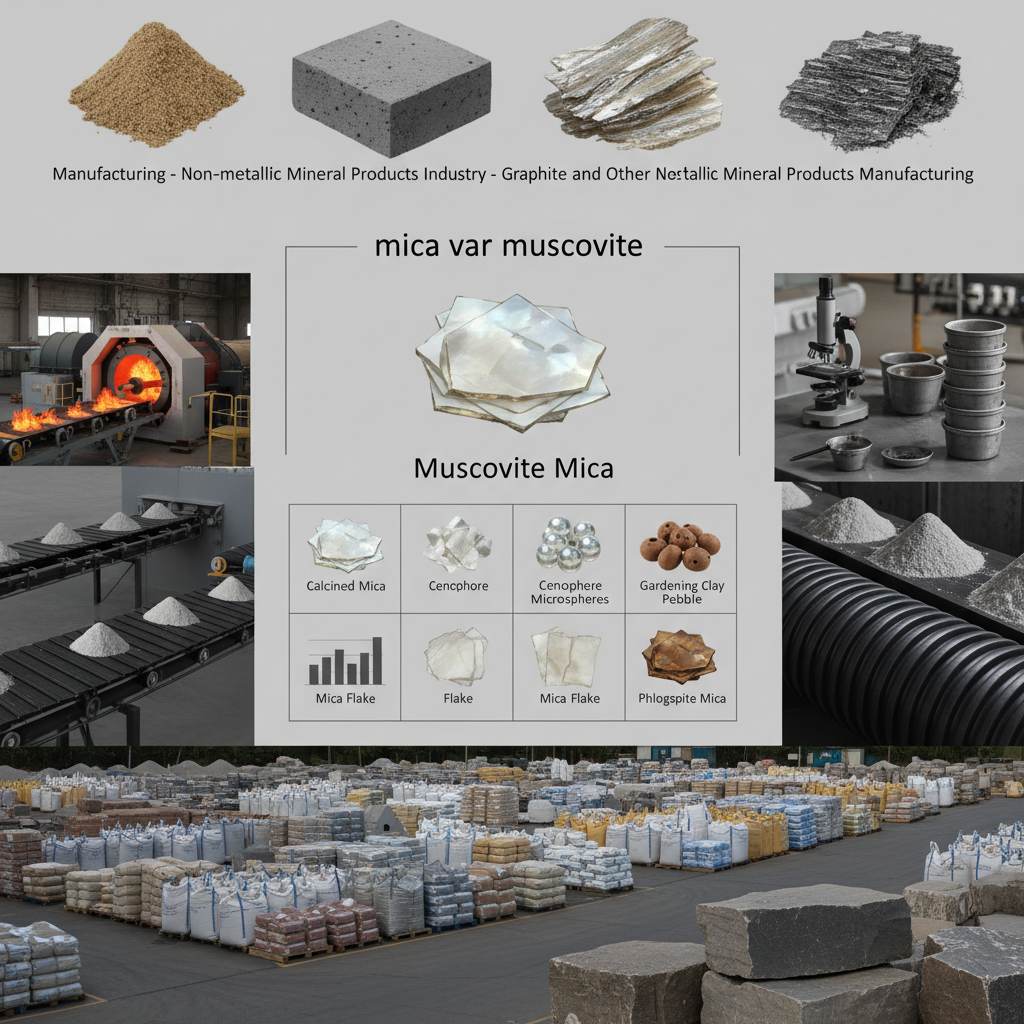
However, the industry faces a significant challenge in sourcing consistent, high-purity deposits that meet strict environmental and ethical guidelines. As global supply chains become more transparent, the focus has shifted toward processed variants, such as calcined mica, to ensure that the material properties are standardized across different manufacturing batches, reducing the risk of production defects in precision engineering.
Defining the Technical Essence of mica var muscovite
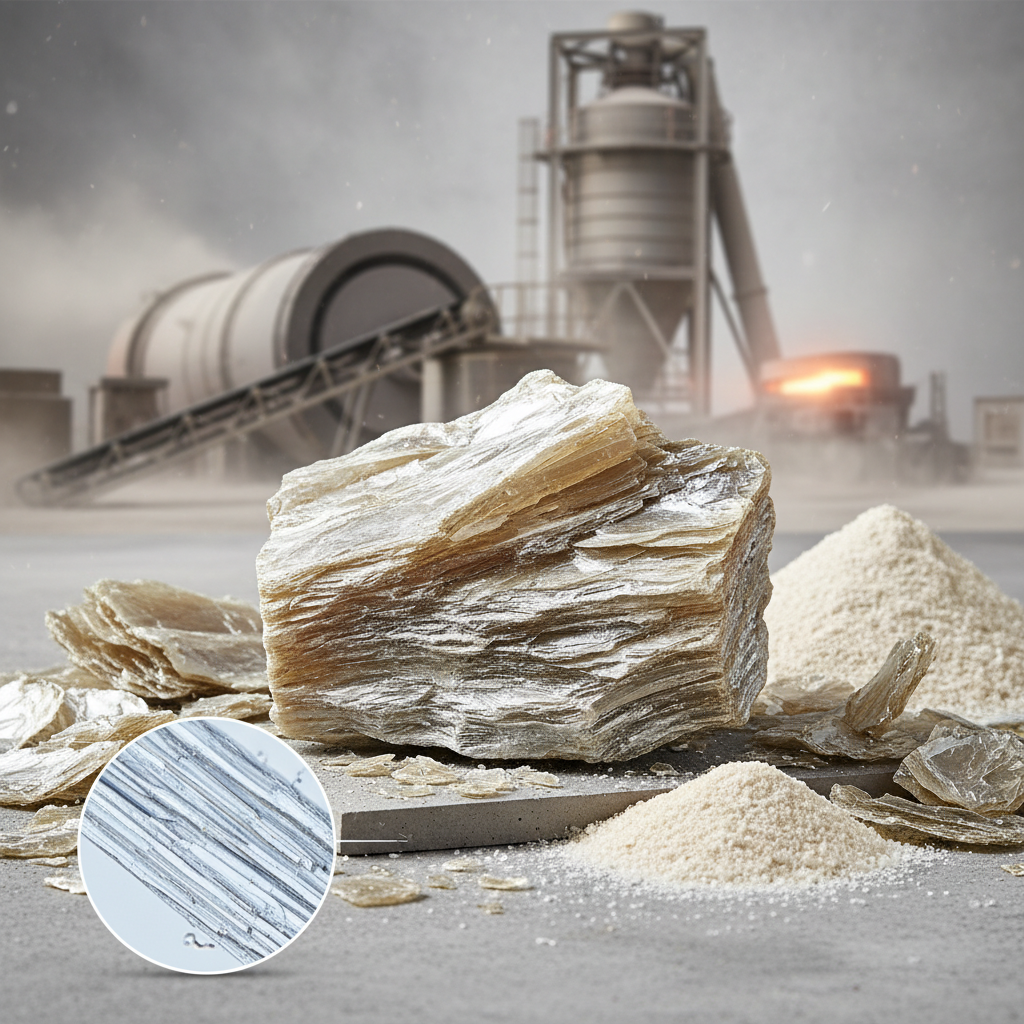
At its core, mica var muscovite is a phyllosilicate mineral, characterized by its perfect basal cleavage which allows it to be split into incredibly thin, flexible, and transparent sheets. This physical characteristic is not just a curiosity of nature but the very foundation of its utility; these thin layers act as an impenetrable barrier to electrons while allowing heat to be managed effectively.
In the context of modern industry, this mineral serves as more than just a raw material; it is a high-performance functional filler. Whether used in its flake form or processed into specialized powders, it provides a level of dielectric strength that few synthetic polymers can match, especially when operating in environments where temperature spikes are common.
Beyond electrical uses, the chemical stability of muscovite makes it a vital additive in the cosmetics and paint industries, where its reflective properties and resistance to oxidation ensure a high-quality finish. This versatility demonstrates how a single mineral variety can solve diverse problems across vastly different humanitarian and commercial needs.
Core Components and Material Properties
The primary value of mica var muscovite lies in its exceptional Thermal Stability. Unlike many organic insulators that degrade or ignite when exposed to high temperatures, muscovite remains stable, ensuring that critical electrical connections in industrial furnaces and aircraft engines do not short-circuit.
Another critical factor is its Dielectric Strength. The crystalline arrangement of mica var muscovite prevents the flow of current even under extreme voltage, which is essential for the production of high-performance capacitors and heating elements used in medical and industrial equipment.
Finally, the Chemical Inertness of the material ensures that it does not react with acids or alkalis in corrosive industrial environments. This durability makes it a preferred choice for lining chemical reactors or as a reinforcement agent in specialized plastics, providing a long-term solution for infrastructure that must withstand harsh atmospheric conditions.
Performance Metrics and Scalability Analysis
When evaluating the integration of mica var muscovite into a manufacturing process, scalability is key. The transition from laboratory-scale testing to mass production requires a precise understanding of how particle size and purity affect the final product's mechanical strength and insulation capacity.
By analyzing various processing methods, manufacturers can determine the most cost-effective way to implement muscovite without compromising on quality. The following data illustrates the relative performance ratings of different processing variants used in industrial applications.
Comparative Performance of mica var muscovite Variants
Global Applications and Sector Use Cases
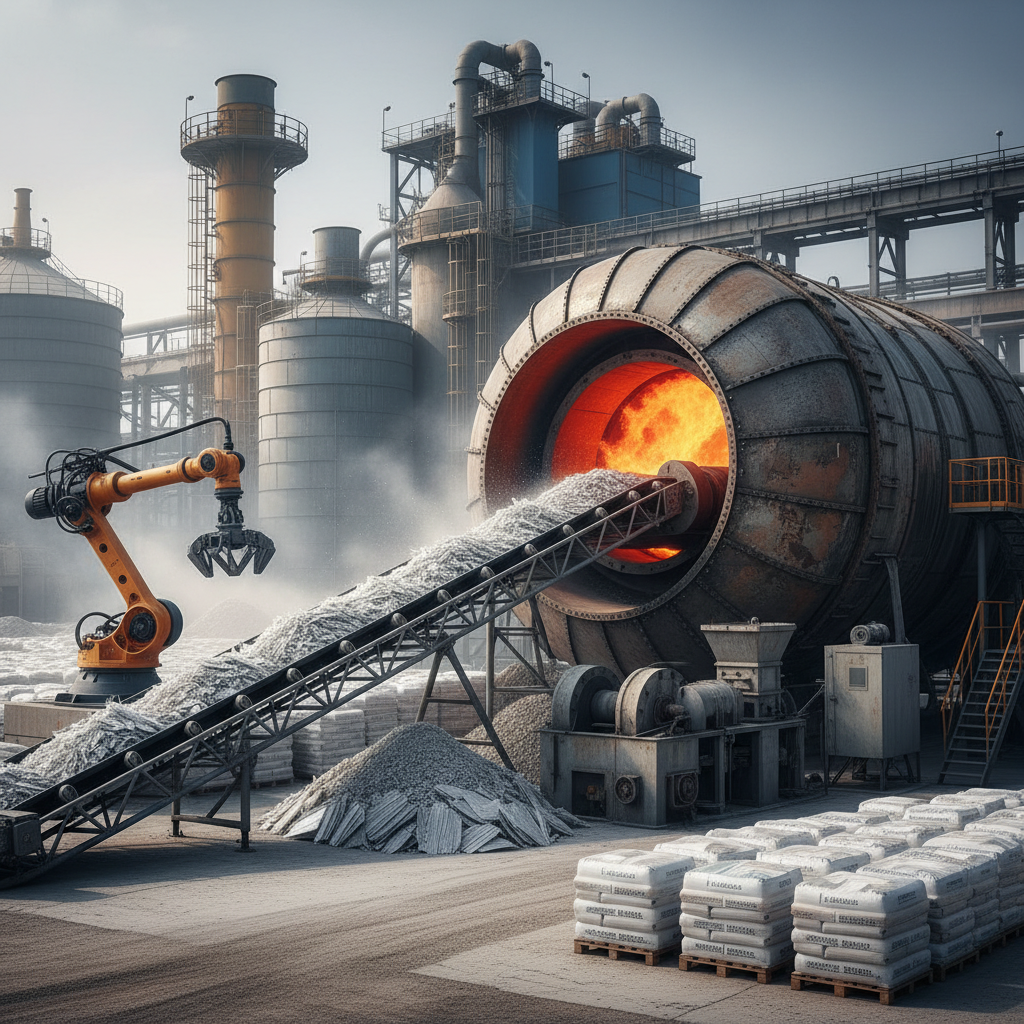
The application of mica var muscovite spans across several high-stakes industries. In the aerospace sector, it is used in heat shields and insulating gaskets for jet engines, where the material must endure rapid temperature cycles without cracking. In remote industrial zones, such as deep-sea mining rigs or Arctic research stations, muscovite-based insulators prevent equipment failure caused by extreme moisture and cold.
Furthermore, the automotive industry has integrated mica var muscovite into battery separators and motor windings. As the shift toward higher-voltage battery architectures continues, the reliability of the insulation becomes a matter of safety. By using high-purity muscovite, manufacturers can reduce the risk of internal shorts, thereby enhancing the overall safety and lifespan of the vehicle's energy storage system.
Long-Term Value and Sustainability Gains
Investing in high-quality mica var muscovite provides tangible long-term value by extending the maintenance cycles of industrial machinery. Because the material does not degrade over time like many synthetic alternatives, the total cost of ownership for equipment is significantly reduced, leading to higher operational uptime and reduced waste.
From a sustainability perspective, the shift toward minerals like muscovite is a move toward more stable, earth-derived solutions. When sourced responsibly, these minerals offer a lower carbon footprint compared to the complex chemical synthesis required for advanced polymers, aligning corporate goals with global ESG (Environmental, Social, and Governance) targets.
Beyond the logical cost-savings, there is an emotional component of trust. Engineers and safety inspectors rely on the proven history of mica var muscovite to ensure that the systems they design will not fail under pressure, providing a sense of security and reliability that is priceless in critical infrastructure.
Future Trends and Innovation in Mica Technology
The future of mica var muscovite is being reshaped by nanotechnology and digital transformation. Researchers are currently exploring "nano-mica" composites, where muscovite particles are engineered at the molecular level to create ultra-thin, flexible films that can be integrated into wearable electronics and foldable screens without losing their insulating properties.
Automation in the mining and refining process is also playing a huge role. AI-driven sorting technologies now allow for the extraction of mica var muscovite with unprecedented purity, removing impurities that previously caused dielectric breakdown. This ensures a more consistent raw material supply for the next generation of 5G infrastructure and quantum computing hardware.
Additionally, the drive toward green energy is pushing the development of mica-based thermal interface materials (TIMs). These innovations allow for more efficient heat dissipation in high-power LEDs and EV fast-chargers, proving that this ancient mineral remains at the cutting edge of modern technological evolution.
Analysis of mica var muscovite Application Performance across Industries
| Industry Sector |
Primary Function |
Efficiency Score (1-10) |
Durability Rating |
| Aerospace |
High-Temp Insulation |
9.8 |
Excellent |
| EV Automotive |
Battery Separation |
9.2 |
High |
| Electronics |
Capacitor Dielectric |
8.5 |
Very High |
| Cosmetics |
Optical Reflectivity |
7.9 |
Moderate |
| Construction |
Thermal Barriers |
8.1 |
High |
| Medical Tech |
Equipment Insulation |
9.0 |
Excellent |
FAQS
Unlike many synthetic insulators that degrade under high heat or chemical exposure, mica var muscovite offers natural thermal stability and an incredibly high dielectric strength. Its unique crystalline structure allows it to withstand extreme voltages and temperature spikes that would typically melt or ignite polymers, making it the safer choice for critical high-voltage applications.
In the electric vehicle sector, muscovite is primarily used in battery separators and insulating layers. It prevents thermal runaway by acting as a fire-resistant barrier between cells and ensures that current does not leak between high-voltage components, which is essential for maintaining the safety and longevity of the battery pack.
Yes, when sourced from certified mines that follow ethical labor and environmental practices, muscovite is a sustainable alternative to complex synthetic chemicals. Its long lifecycle and durability mean that components last longer, reducing the frequency of replacement and decreasing the overall volume of industrial waste.
Absolutely. mica var muscovite can be processed into flakes, powders, or calcined forms. Flakes are ideal for layered insulation, while powder is used as a filler in composites. Calcining the mica further enhances its thermal properties for ultra-high-temperature environments.
Poor quality muscovite often contains impurities like iron or other minerals, which can lead to "dielectric breakdown" or electrical arcing. Visual indicators include inconsistent coloring or fragility in the sheets. Testing for purity and particle size distribution is the best way to ensure the material meets industrial standards.
Manufacturers should partner with suppliers who provide comprehensive Material Safety Data Sheets (MSDS) and Certificates of Analysis (CoA). Ensuring the supplier complies with international shipping standards and provides documentation on the mineral's origin is key to avoiding customs delays and ensuring ethical procurement.
Conclusion
In summary, mica var muscovite remains an irreplaceable asset in the global manufacturing toolkit. Its rare combination of thermal resilience, electrical insulation, and chemical stability allows it to solve complex engineering challenges across the aerospace, automotive, and electronic sectors. By transitioning from raw mineral use to precision-engineered variants, industries can achieve unprecedented levels of product reliability and safety.
Looking forward, the integration of mica var muscovite into nanotechnology and green energy systems will likely accelerate. We suggest that companies prioritize the sourcing of high-purity, ethically mined muscovite to future-proof their supply chains against evolving environmental regulations. Embracing these mineral innovations today will ensure a more sustainable and technologically advanced tomorrow. Visit our website: www.kehuimica.com