Apr . 07, 2026 02:25
Back to list
Superior Calcined Mica for Electrical Insulators Applications and Benefits
Calcined Mica for Electrical Insulators: A Comprehensive Guide
In the realm of electrical engineering and manufacturing, reliable insulation is paramount. Calcined mica stands out as a superior material for electrical insulators, offering exceptional performance in high-temperature, high-voltage applications. This article delves into the properties, applications, and benefits of using calcined mica in electrical insulation, providing a detailed understanding for engineers, procurement specialists, and manufacturers. Choosing the right insulating material can significantly impact the lifespan and safety of electrical components. We'll explore why calcined mica is a trusted choice for demanding environments.
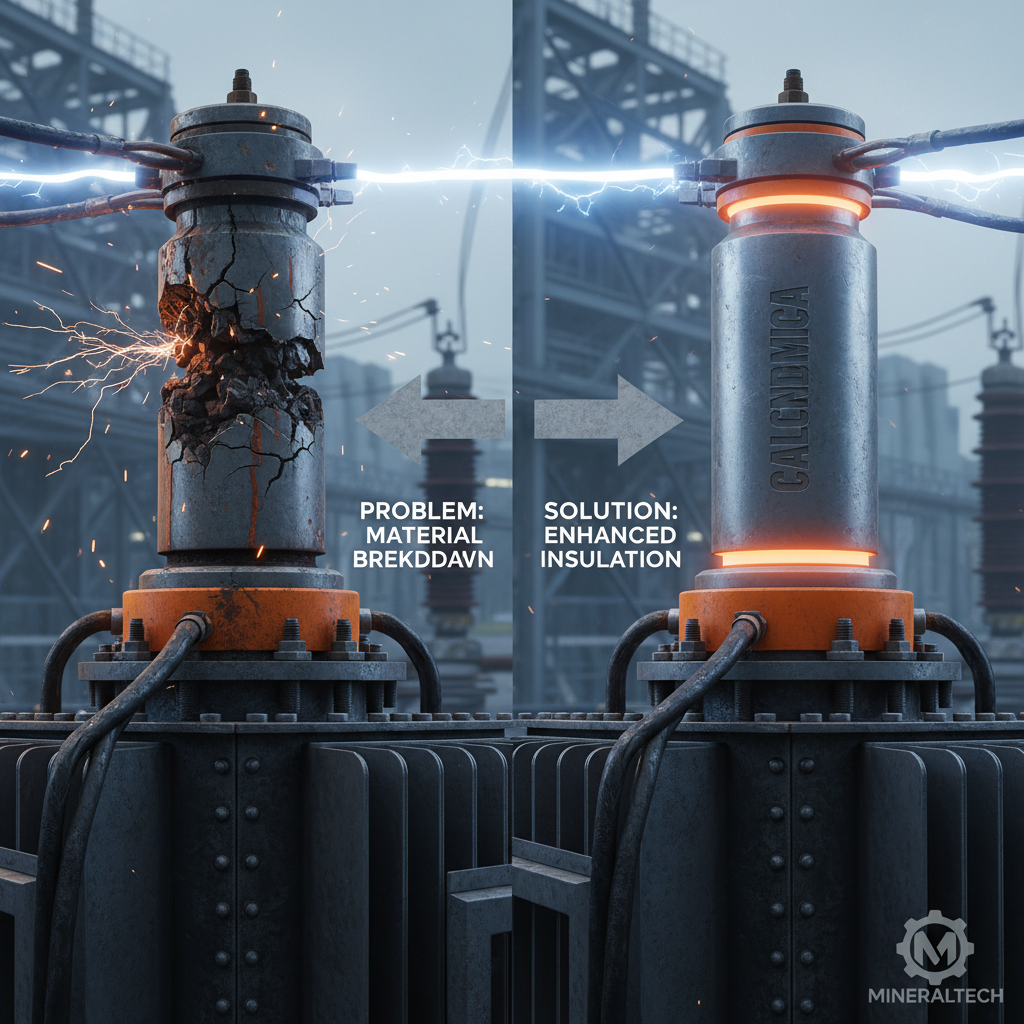
What is Calcined Mica and Why is it Ideal for Insulation?
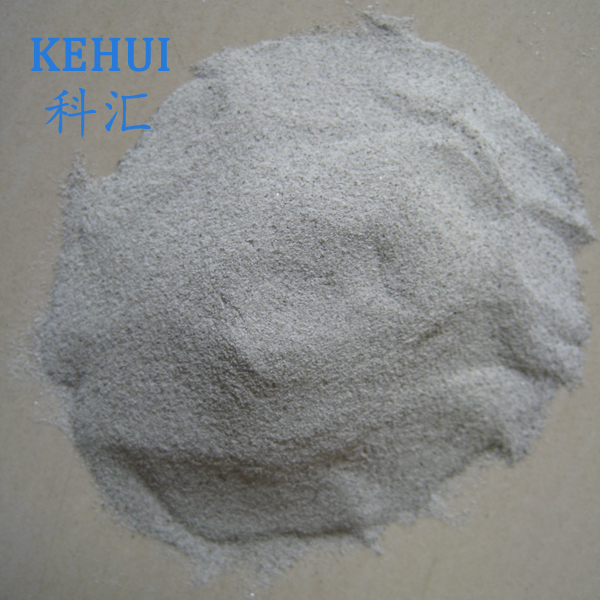
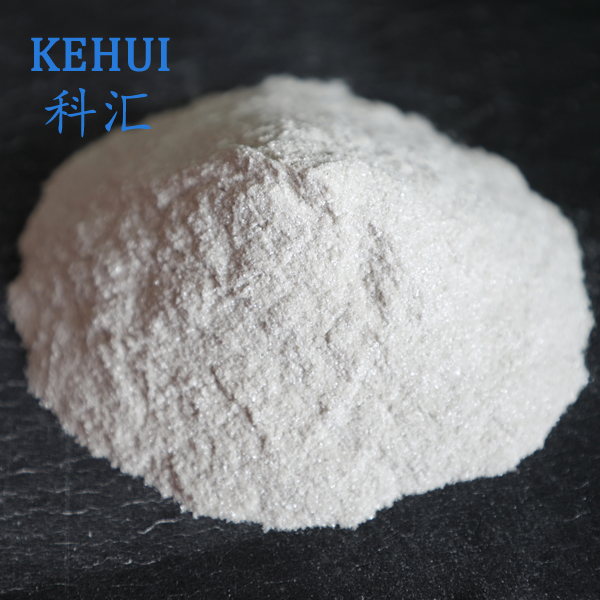
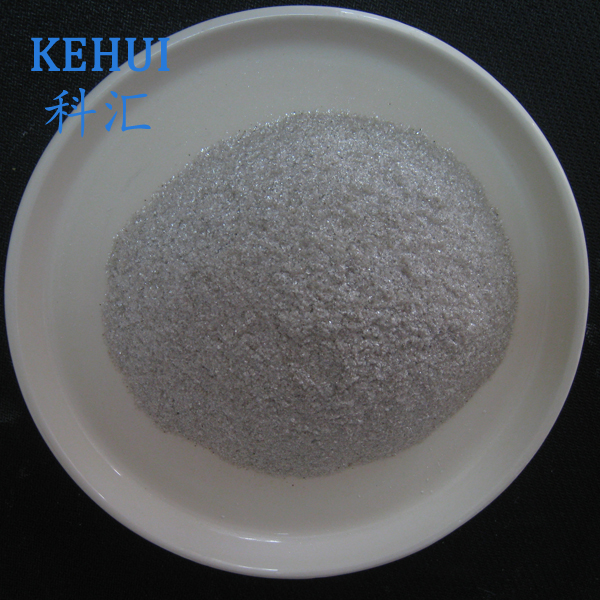
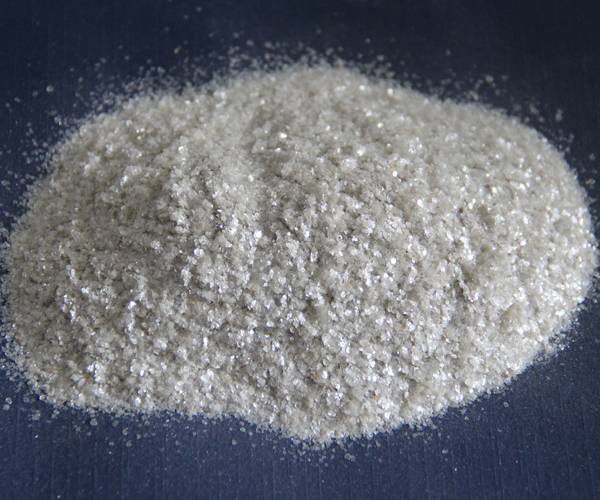
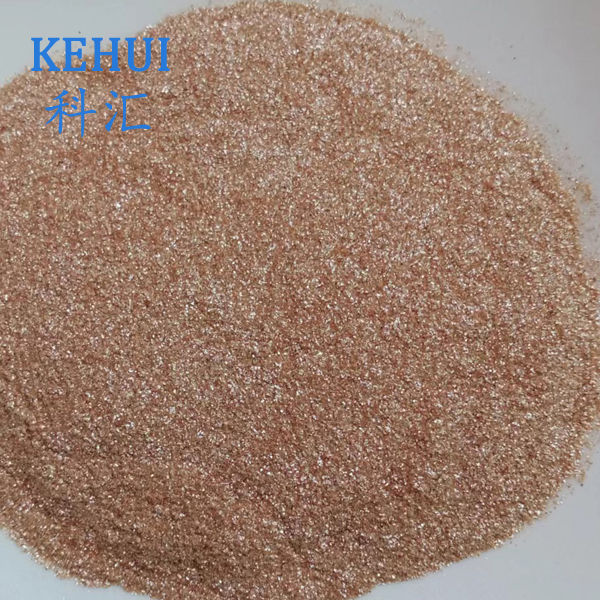
Calcined mica is produced by heating raw mica to high temperatures, typically between 700°C and 900°C. This process removes volatile substances and alters the crystal structure, resulting in a material with enhanced electrical insulation properties. The resulting product is a lightweight, flexible, and highly resilient insulator. Key benefits include exceptional dielectric strength, high thermal stability, and resistance to chemicals and abrasion. These attributes make it ideal for applications requiring reliable performance under harsh conditions. The process ensures consistent quality and predictable performance, crucial for demanding electrical applications. Kehui Mica specializes in the production of high-quality calcined mica for a range of industrial uses.
Key Highlights: Exceptional dielectric strength, high thermal stability, and resistance to chemicals and abrasion. Lightweight and flexible for easy integration into various designs.
Applications of Calcined Mica in Electrical Insulation
Calcined mica finds widespread use in numerous electrical applications, including: mica sheets, insulating tubes, varnishes and coatings, heater bands, and high-temperature cables. It's commonly used in electric motors, generators, transformers, and high-voltage equipment where reliable insulation is critical. The material’s ability to withstand extreme temperatures and voltages makes it essential in aerospace, power generation, and industrial automation. It is also utilized in creating flexible heating elements and specialized components requiring precise thermal control.
Key Application Areas:
• Electric Motors & Generators
• High-Voltage Transformers
• Heating Elements
• High-Temperature Cables
Calcined Mica vs. Other Insulation Materials: A Comparative Overview
While various materials can be used for electrical insulation, calcined mica often outperforms alternatives in demanding applications. Compared to materials like epoxy resins, fiberglass, and ceramics, calcined mica boasts superior thermal stability and resistance to electrical breakdown. It maintains its insulating properties at higher temperatures and under more stressful conditions. While ceramics offer excellent temperature resistance, they are often brittle and prone to cracking. Fiberglass is more flexible but has lower thermal endurance. Calcined mica provides a balanced combination of properties, making it a versatile and reliable choice.
Factors to Consider When Selecting Calcined Mica
When sourcing calcined mica, several factors are crucial. Purity levels directly impact the material's insulating properties, so selecting a reliable supplier is essential. Particle size distribution influences the material’s processability and performance in different applications. Different grades are available to suit various manufacturing processes, such as sheet production or varnish formulation. Consider the specific operating conditions of your application – temperature, voltage, and environmental factors – to choose the appropriate grade of calcined mica. Contact Kehui Mica to discuss your specific requirements and receive expert guidance.
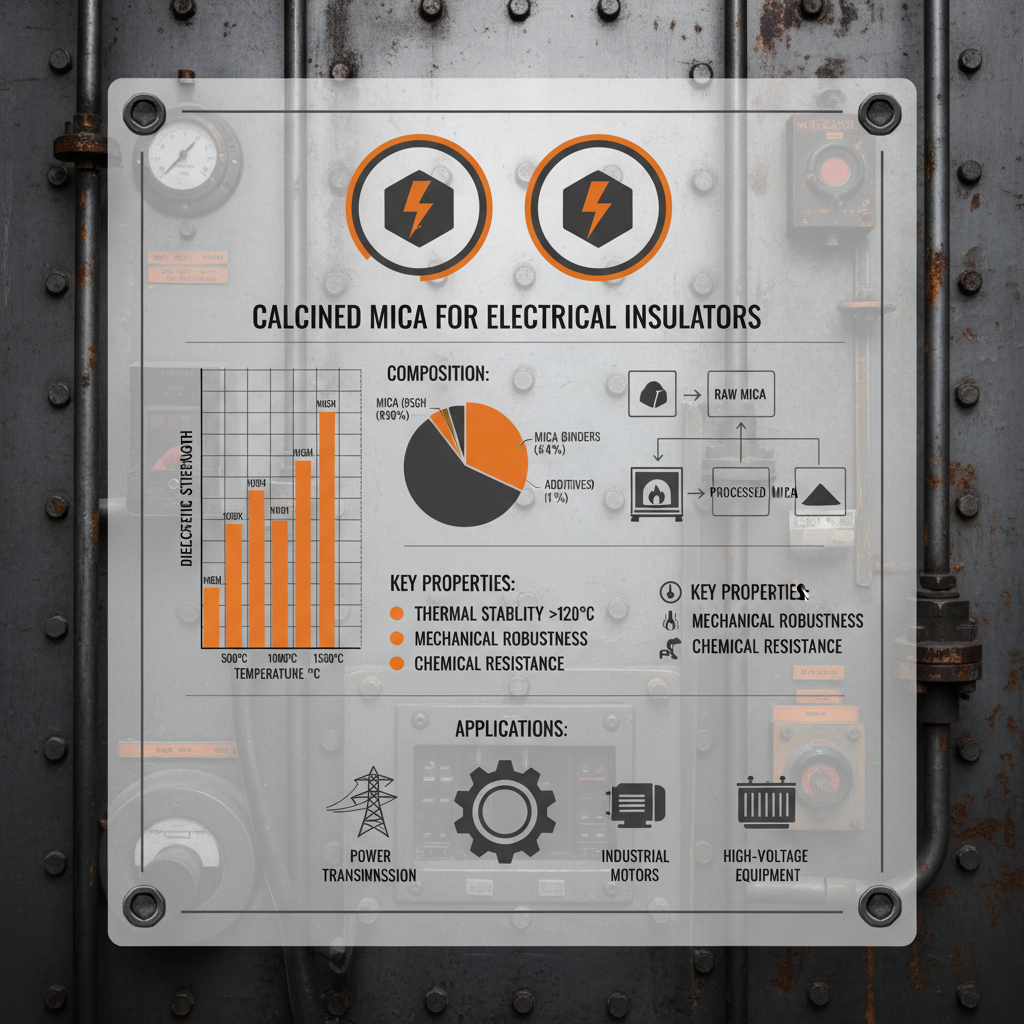
Conclusion: Ensuring Reliable Performance with Calcined Mica
Calcined mica remains a cornerstone material for electrical insulation, providing unmatched reliability and performance in demanding environments. Its exceptional thermal stability, dielectric strength, and chemical resistance make it an ideal choice for a wide range of applications. By carefully considering your specific needs and selecting a reputable supplier like Kehui Mica, you can ensure the long-term performance and safety of your electrical components.
Frequently Asked Questions (FAQs)
What are the key advantages of using calcined mica over other insulating materials?
Calcined mica excels in high-temperature applications, offering superior thermal stability compared to materials like epoxy resins and fiberglass. It also possesses a higher dielectric strength, enabling it to withstand greater voltage stress. While ceramics also have high thermal resistance, they are more brittle. Calcined mica strikes a balance between thermal endurance, electrical performance, and flexibility, making it ideal for dynamic environments and applications requiring long-term reliability.
How is calcined mica processed into different insulation products?
Calcined mica can be processed into various forms, including sheets, powders, and flakes. For sheet production, mica flakes are layered and bonded with a resin binder. Powders are used in varnishes, coatings, and molding compounds. The process involves careful control of particle size distribution and resin formulation to achieve desired electrical and mechanical properties. Specialized equipment is used for calendaring, pressing, and curing to create the final insulation products. Different processing techniques allow for tailoring the material to specific application requirements.
What quality control measures are essential for calcined mica production?
Rigorous quality control is critical throughout the calcined mica production process. Key parameters monitored include particle size distribution, purity, moisture content, and dielectric strength. Regular testing ensures consistent material properties and adherence to industry standards. Manufacturers typically employ techniques like sieve analysis, X-ray diffraction, and electrical testing to verify product quality. Traceability of raw materials and batch-to-batch consistency are also essential for maintaining high-quality standards.
Latest news
-
Technical Benefits of Calcined Mica for Welding ElectrodesNewsApr.09,2026
-
Exploring the Versatility of Calcined Mica for Decoration and Diverse ApplicationsNewsApr.04,2026
-
Exploring Calcined Mica Properties Applications and Sourcing OptionsNewsMar.31,2026
-
Exploring the Versatile Applications of Mica Flakes Powder Across IndustriesNewsMar.28,2026
-
Synthetic Mica Flakes- Kehui Mica Co.|Heat-Resistant, High WhitenessNewsMar.27,2026
-
Synthetic Mica Flakes- Kehui Mica Co.|Heat-Resistant, High WhitenessNewsMar.27,2026
-
Synthetic Mica Flakes- Kehui Mica Co.|Heat-Resistant, High WhitenessNewsMar.27,2026
Related Products