Dec . 03, 2025 14:02
Back to list
What Is Horticulture Expanded Perlite? Definition, Uses & Benefits in Modern Agriculture
Understanding Horticulture Expanded Perlite: A Versatile Solution in Modern Agriculture
Horticulture expanded perlite might sound like a mouthful, but it’s quite a fascinating material with a quietly significant role worldwide. In essence, this is a lightweight volcanic glass that’s been processed to expand at high temperatures, transforming it into a porous, sterile medium widely used in agriculture and horticulture. But why does it matter globally? Well, with environmental challenges mounting and sustainable agriculture becoming more of a necessity than a trend, understanding and utilizing horticulture expanded perlite effectively can enhance soil performance, improve water conservation, and support crop yields - all vital in feeding growing populations.
Introduction: The Global Impact of Horticulture Expanded Perlite
The agricultural sector accounts for a significant piece of the global economy. According to the United Nations Food and Agriculture Organization (FAO), over 33% of the earth's land surface is used for crop cultivation and animal farming. However, soil degradation, water scarcity, and intensive farming practices threaten long-term productivity. This is where horticulture expanded perlite steps into the spotlight. The material’s capacity to promote aeration, improve drainage, and retain moisture makes it a crucial ally in sustainable farming practices worldwide, from the sunny vineyards of Italy to high-tech greenhouses in the Netherlands.
Worldwide demand for quality, yet environmentally responsible growing media has increased by over 12% annually several recent years - a stat from markets monitored by ISO shows. This growth echoes an underlying challenge: how do growers maintain or increase productivity on less-than-ideal soils without compromising environmental integrity? Expanded perlite answers this question in part.
Defining horticulture expanded perlite
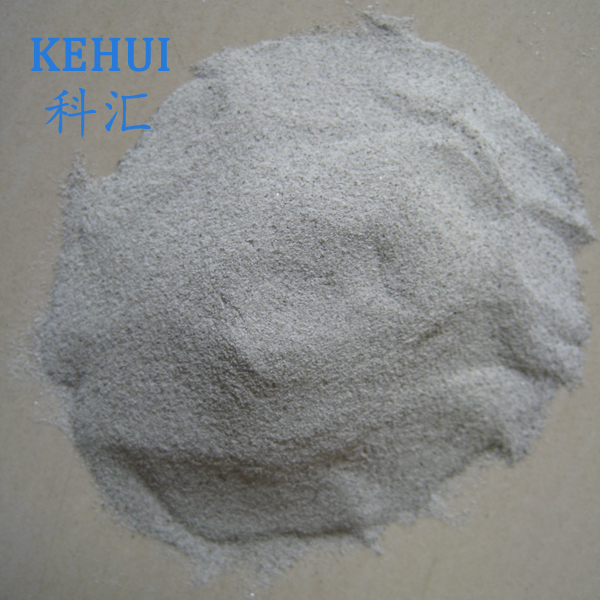
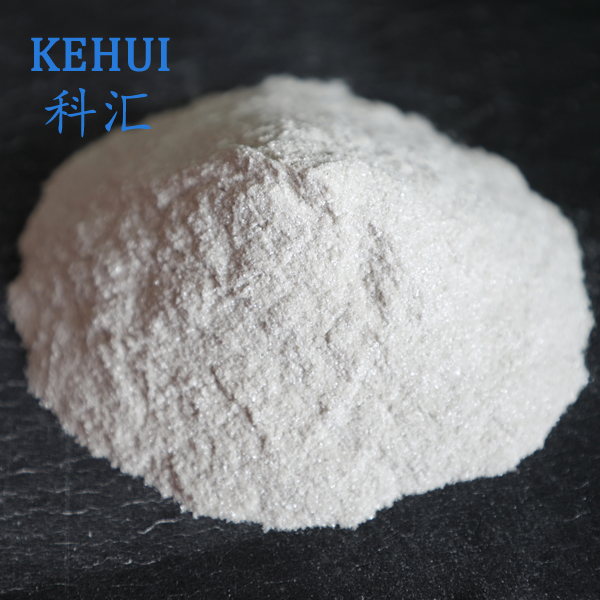
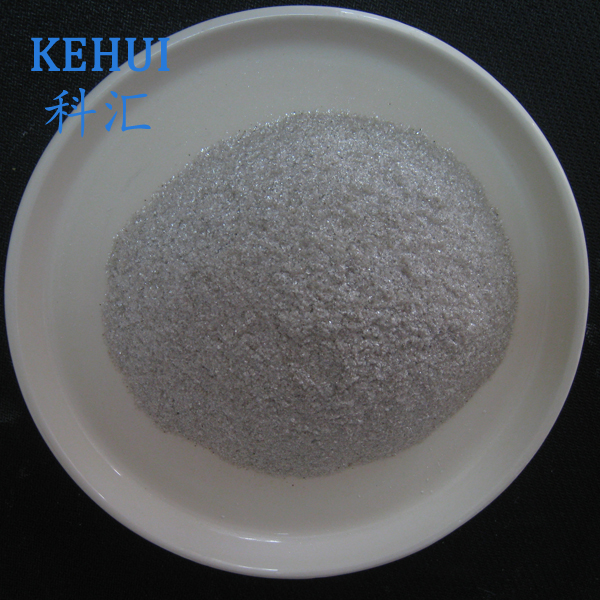
So, what exactly is horticulture expanded perlite? It’s a naturally occurring siliceous rock that, when heated to around 850-900°C, expands like popcorn due to trapped water vaporizing inside it. Result? Lightweight, porous granules packed with tiny air pockets. This makes it hydrophilic (water-loving) but well-draining, sterile, chemically inert, and pH-neutral. Such characteristics tailor it perfectly for growing mediums in horticulture and hydroponics, seed starting, and soil conditioning.
Its use isn’t merely a neat trick of nature; it supports modern agriculture’s demands for higher yields, better root oxygenation, and reduced reliance on chemical fertilizers. Oddly enough, while ancient agricultural methods relied heavily on soil amendments, modern growers increasingly turn to expanded perlite as part of integrated resource management strategies globally.
Key Characteristics of Horticulture Expanded Perlite
1. Porosity and Aeration
Expanded perlite’s highly porous nature lets it trap air within the growing medium, improving root oxygenation. Healthy roots mean robust plants. Without oxygen, roots can suffocate—something many growers stress about constantly.
2. Water Retention and Drainage
It strikes a careful balance — retaining enough moisture for roots but draining excess water to prevent rot. This helps manage irrigation more efficiently, reducing water waste – a real plus given growing global water shortages.
3. Chemical Inertness
Being chemically neutral means it won't react with fertilizers or soil amendments, allowing precise nutrient management. This inertness also prevents unwanted contamination, enhancing crop safety.
4. Lightweight and Easy Handling
Its surprisingly light weight not only makes transportation easier but also reduces wear on greenhouse infrastructure or hydroponic systems. Practical, especially when scaling operations.
5. Sterility
Expanded perlite is sterilized during its heat processing, so it’s free from pathogens and weed seeds, a crucial requirement in disease-sensitive environments or post-disaster agricultural rehabilitation.
Product Specification Table: Typical Horticulture Expanded Perlite
| Specification | Value/Range |
|---|---|
| Bulk Density | 80–160 kg/m³ |
| Particle Size | 0.5–4 mm (commonly) |
| pH Range | 6.5 – 7.5 |
| Water Absorption | 3–5 times its weight |
| Thermal Conductivity | ~0.05 W/mK |
Global Applications & Use Cases
Horticulture expanded perlite’s versatility unlocks numerous applications worldwide. Greenhouses in Europe use it extensively as a soil alternative in hydroponic systems, enabling precise water and nutrient control. In North America and Australia, it’s common in nurseries for seed germination and rooting cuttings, hastening plant propagation with better success rates.
In developing countries and disaster-sensitive regions, international NGOs employ expanded perlite for soilless gardening initiatives to help communities grow food where soils are poor or contaminated. Interestingly, this lightweight medium also finds its way into rooftop gardens in urban areas, contributing to sustainable city greening efforts.
Vineyards in California and Italy swear by it to prevent waterlogging on sloped terrain, ensuring consistent grape quality, while flower growers in Kenya rely on it to maximize water efficiency amid dry seasons. It’s even become a staple in some organic farming practices, supporting crops without synthetic additives.
Vendor Comparison Table: Top Suppliers of Horticulture Expanded Perlite
| Supplier | Origin | Particle Size Range (mm) | Certifications | Typical Applications |
|---|---|---|---|---|
| Kehuimica | China | 0.5–3 | ISO 9001, SGS | Greenhouse media, seed-starting, soil amendment |
| Perlite USA | USA | 0.5–4 | Organic Certified | Horticulture, hydroponics |
| Horticultural Perlite Ltd. | Turkey | 1–3.5 | ISO, REACH | Soil conditioner, hydroponics |
Advantages & Long-Term Value
Frankly, the benefits of horticulture expanded perlite stretch beyond immediate plant health. The environmental advantages alone - conserving water, reducing chemical runoff, and enabling sustainable growing methods - cannot be overstated. Cost-wise, while it might initially seem pricier than native soil amendments, the longer-term savings from reduced watering, less replanting, and improved yields often justify that upfront investment.
On another note, there’s the social dimension. By empowering growers with improved growing conditions, it indirectly supports food security and farmer earnings, fostering resilience in vulnerable communities. It’s not just about plants — it’s about people’s livelihoods and dignity.
Future Trends & Innovations in Horticulture Expanded Perlite
Looking ahead, innovations are cropping up, some frankly quite exciting. There’s growing exploration into combining expanded perlite with biochar or polymers to tune water retention further for climate-smart agriculture. Digital farms equipped with sensors are optimizing perlite use dynamically, adjusting irrigation in real-time. Moreover, greener production techniques are gaining ground, aiming to reduce the energy footprint of perlite expansion itself.
Policy-wise, international sustainability goals like the UN’s SDG 2 (Zero Hunger) and SDG 12 (Responsible Consumption and Production) encourage integrating materials like perlite into eco-friendly horticultural practices. Automation in packaging and supply chain technologies also promise to make it more accessible globally.
Challenges & Solutions
However, it’s not all sunshine and roses. Expanded perlite’s dusty nature can cause respiratory issues during handling, so proper safety gear is a must. In very arid environments, its moisture retention might still be limited compared to peat or coco coir, a limitation that some growers note.
But solutions are emerging — encapsulating perlite particles, blending it with organic materials, and improving dust control during transport are practical steps. As always, expert consultation helps tailor mixes to specific crops and climates, an approach that’s indispensable for success.
FAQ: Frequently Asked Questions About horticulture expanded perlite
- What makes horticulture expanded perlite suitable for soilless growing systems?
- Because it’s lightweight, sterile, and has excellent aeration and drainage qualities, expanded perlite supports root health effectively without soil. Its inert nature also ensures it doesn’t alter nutrient mixes, making it perfect for hydroponic or container systems.
- Can expanded perlite improve water conservation in drought-prone areas?
- Yes, by retaining moisture near roots and preventing waterlogging through good drainage, it helps optimize irrigation efficiency. Though it does not hold water as much as peat, its air space benefits make it a valuable medium for conserving water while maintaining plant health.
- Is horticulture expanded perlite environmentally sustainable?
- It is naturally derived and reusable to an extent, with a low environmental impact during use. However, energy is required for expansion, so sourcing from suppliers with efficient, eco-friendly production methods improves its sustainability.
- How do I select the right particle size for my application?
- Larger granules improve drainage and aeration for mature plants; smaller sizes work better for seed starting or cuttings. Consulting with a supplier or agronomist can help tailor particle size to your crop and growing method for best results.
- Where can I purchase reliable horticulture expanded perlite?
- Reputable vendors include global suppliers like Kehuimica, Perlite USA, and Horticultural Perlite Ltd., verified for quality and certification standards to ensure consistency and safety.
Conclusion
To wrap it up, horticulture expanded perlite is more than just a soil amendment — it’s an enabling material that aligns with the challenges of modern agriculture and sustainability efforts. Its benefits in water management, root health, and crop productivity make it indispensable for growers intent on future-proofing their operations.
If you’re curious to explore applications tailored to your needs or want high-quality expanded perlite, I encourage you to visit Kehuimica’s website. It’s a great resource to dig deeper into specs, variants, and best practices.
Here’s to smarter growing and greener futures!
Reflection: Having written this, it’s intriguing how such a simple volcanic glass can carry so much potential for agronomists and growers worldwide. Sometimes, solutions are quite literally right beneath our feet.
References:
1. UN Food and Agriculture Organization (FAO) - www.fao.org
2. ISO Growth Reports on Horticultural Media - www.iso.org
3. Perlite Institute - www.perlite.org
Latest news
-
Global Analysis and Trends of the Calcined Mica Flakes MarketNewsApr.16,2026
-
Technical Benefits of Calcined Mica for Welding ElectrodesNewsApr.09,2026
-
Superior Calcined Mica for Electrical Insulators Applications and BenefitsNewsApr.07,2026
-
Exploring the Versatility of Calcined Mica for Decoration and Diverse ApplicationsNewsApr.04,2026
-
Exploring Calcined Mica Properties Applications and Sourcing OptionsNewsMar.31,2026
-
Exploring the Versatile Applications of Mica Flakes Powder Across IndustriesNewsMar.28,2026
-
Synthetic Mica Flakes- Kehui Mica Co.|Heat-Resistant, High WhitenessNewsMar.27,2026
Related Products