Horticulture Perlite: The Unsung Hero of Modern Growing Media
Having spent over a decade within industrial equipment and materials sectors, I’ve seen many specialty products make their way into horticulture. But horticulture perlite holds a unique place. It’s one of those quietly indispensable inputs that anyone in commercial or even serious home growing quickly learns to appreciate — especially once you get your hands dirty and see the results firsthand.
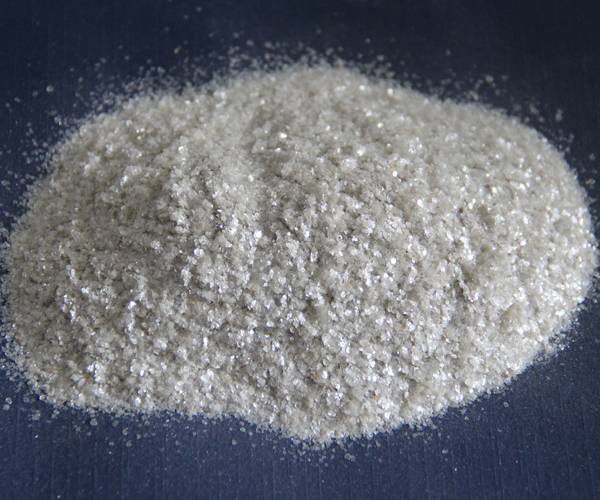
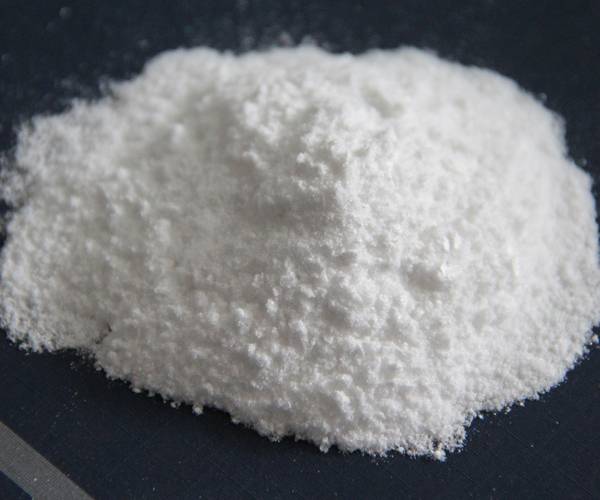
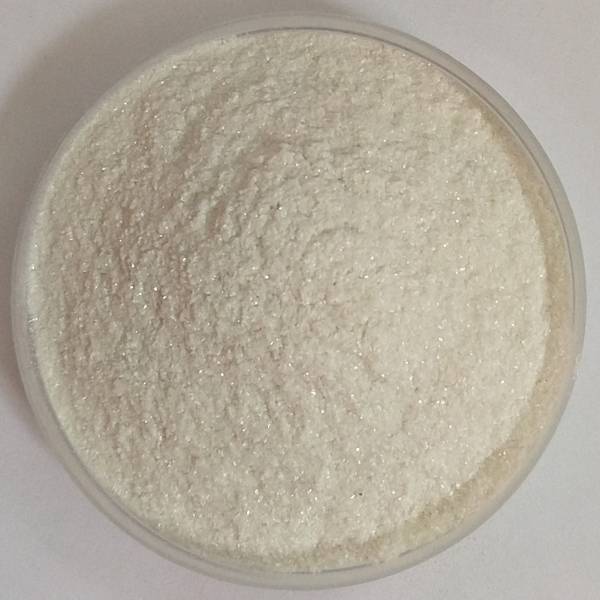
Oddly enough, perlite’s simplicity is what makes it so effective. Basically, it’s a natural volcanic glass that’s rapidly heated until it explosively expands — think popcorn, but for soil amendments. This process results in lightweight, porous granules that provide incredible aeration and drainage. I remember early in my career, during a site visit with some nursery engineers, they mentioned how perlite dramatically improved root oxygenation, hence healthier plants, better growth rates, and fewer stresses.
In terms of horticultural applications, perlite’s versatility is what stood out to me. You can mix it into potting soil to enhance drainage, use it in seed-starting mixes, or combine it with coco coir and peat moss for custom blends. Because perlite doesn’t decompose, it maintains structure season after season. Frankly, some growers say it’s a “low maintenance” secret to consistent yields. While it might sound like a minor tweak, its impact on water retention and root environment is huge — which, if you ask me, is where the real value lies.
Now, one thing to highlight is the quality variability you can find across sources. Not every horticulture perlite is created equal, and testing specs are crucial to confirm lightweight density, particle size, and purity. Let me share a quick snapshot of typical product specs you might expect from a reliable supplier like Kehuimica:
| Specification | Typical Value | Unit |
|---|---|---|
| Bulk Density (loose) | 90–110 | kg/m³ |
| Particle Size Range | 2–4 | mm |
| pH | 6.5–7.5 | – |
| Water Absorption | 3–5 | % wt. |
| Moisture Content (max) | 2 | % wt. |
It's worth mentioning how keen growers must be on sourcing perlite from vendors who properly sieve and wash the product, ensuring contaminants are minimal. I’ve encountered batches where dust content was overly high, which can clog irrigation emitters and affect plant health—something you definitely want to avoid.
From a vendor perspective, I’ve put together a quick comparison — not comprehensive, but enough to guide someone new to this material:
| Feature | Kehuimica | Competitor A | Competitor B |
|---|---|---|---|
| Particle Size Consistency | High | Medium | Low |
| Purity Level | >99% | ~95% | ~90% |
| Bulk Density (kg/m³) | 100 | 115 | 105 |
| Dust Content | Low | Medium | High |
| Price (per ton) | Competitive | Higher | Lower-quality Tier |
Looking back, one of my favorite anecdotes involves a client — a commercial greenhouse grower — struggling with soggy root zones in their tomato propagation beds. Introducing perlite into their mix, they saw quicker drainage, less root rot, and an uptick in early fruit set. They humorously dubbed it “the miracle gravel” after that.
So, if you’re intrigued by the idea of steady, well-aerated growth media, horticulture perlite remains a smart, proven choice. It’s low-tech yet essential, and frankly, there’s something satisfying about using a material that’s both natural and engineered by nature to perform.
In real terms, whether you’re scaling operations or just experimenting in your garden, assessing vendor specs and understanding the physical properties of perlite will pay dividends. After all, the medium is the message when it comes to healthy plant roots.
To wrap up, I suppose the biggest takeaway is this: don’t underestimate the small amendments. Perlite might seem like just “white rocks,” but it quietly powers the root zones and sets the stage for success. And in horticulture, success grows on good roots.
References:
- USDA Perlite Fact Sheet, 2021
- Journal of Horticultural Science, Vol. 45 (2019)
- Kehuimica Technical Data Sheet, 2023
Latest news
-
Global Analysis and Trends of the Calcined Mica Flakes MarketNewsApr.16,2026
-
Technical Benefits of Calcined Mica for Welding ElectrodesNewsApr.09,2026
-
Superior Calcined Mica for Electrical Insulators Applications and BenefitsNewsApr.07,2026
-
Exploring the Versatility of Calcined Mica for Decoration and Diverse ApplicationsNewsApr.04,2026
-
Exploring Calcined Mica Properties Applications and Sourcing OptionsNewsMar.31,2026
-
Exploring the Versatile Applications of Mica Flakes Powder Across IndustriesNewsMar.28,2026
-
Synthetic Mica Flakes- Kehui Mica Co.|Heat-Resistant, High WhitenessNewsMar.27,2026
Related Products