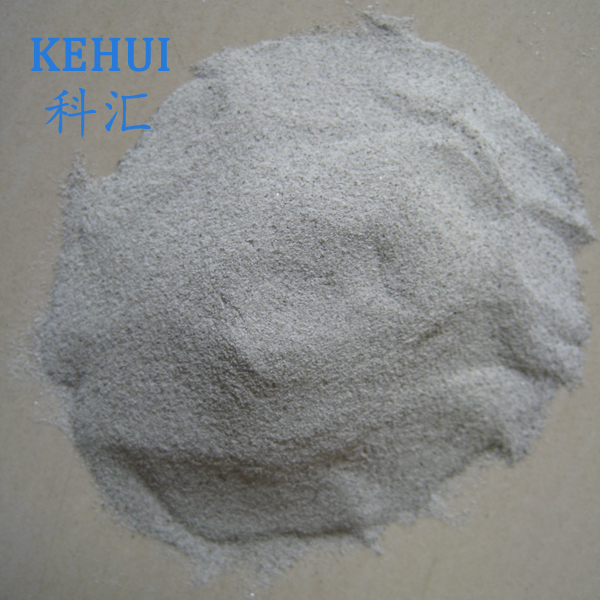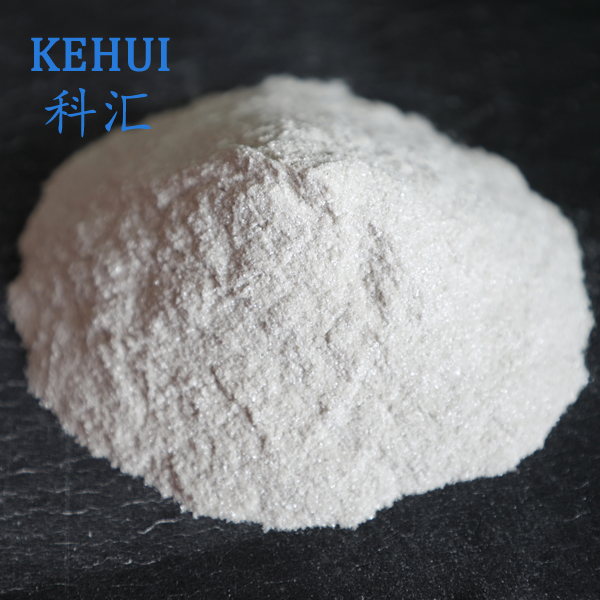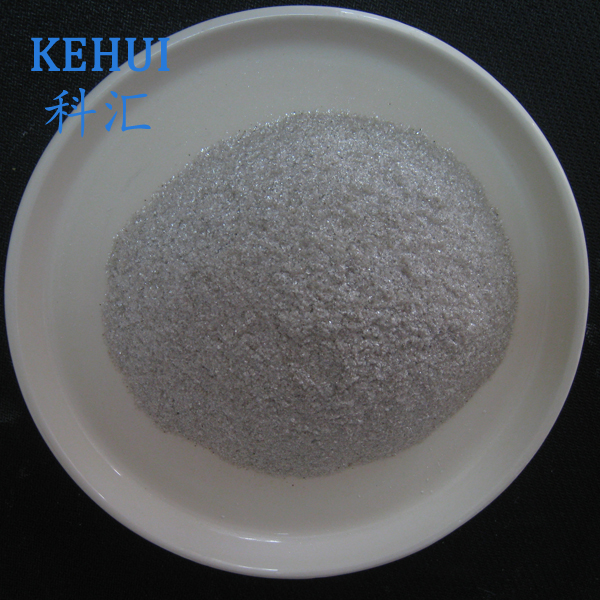
Bulk expanded clay pebbles for Industrial & Hydroponic Use
You know, after working in the industrial equipment sector for more than a decade, it’s fascinating how some materials almost quietly become essential. Bulk expanded clay pebbles are one of those unsung heroes — versatile, durable, and frankly, a little underrated. Whether you’re growing hydroponic vegetables or dealing with water filtration, these tiny porous spheres tend to have a lot to offer.
At their core, expanded clay pebbles are exactly what they sound like: small, rounded pellets made from natural clay, fired at high temperatures so they puff up and become porous. This porous structure is what makes them so prized. It’s like a sponge and a rock had a baby. The result is a lightweight, stable medium that drains incredibly well yet retains moisture just enough to keep roots happy or aid filtration.
Oddly enough, the industrial applications, especially in hydroponics, have ramped up in recent years. A lot of growers I've chatted with swear by it compared to traditional soil or even other inert mediums. It’s reusable, doesn't break down, and helps promote oxygen flow – all critical if you want healthy, vigorous growth.
What Makes Bulk Expanded Clay Pebbles Special?
Is it just me, or does the product design of these pebbles feel very thoughtfully engineered? The spherical shape isn’t just for aesthetics — it improves drainage and airflow in the same way gravel does but with a lighter weight and cleaner profile. Plus, the consistent sizing (usually between 8 to 16mm) gives a uniform texture that's easier to work with, whether you’re packing trays or filling grow beds.
Another thing I noticed: the quality control on reputable suppliers is pretty strict, meaning these pebbles won’t crumble or produce dust easily. For an industrial setting, where contaminant-free environments matter, that’s a huge plus.
| Specification | Details |
|---|---|
| Material | Natural clay, fired at approx. 1200°C |
| Size Range | 8-16 mm diameter |
| Bulk Density | ~550 kg/m³ |
| pH | 7.0 - 8.5 (neutral/slightly alkaline) |
| Water Retention | Approx. 30-35% by volume |
| Reusable | Yes, after simple cleaning |
Frankly, the fact they’re reusable really sets them apart. I once spoke to a hydroponic farm manager who told me they’ve been using the same batch of clay pebbles for over three years – that’s sustainability meeting efficiency.
Comparing Top Vendors of Bulk Expanded Clay Pebbles
If you’re hunting for a supplier, choice can get overwhelming. To help, here’s a quick side-by-side of common player features in the market. Of course, quality, price points, and origin can vary — so do your own due diligence.
| Vendor | Clay Source | Particle Size | Bulk Packaging | Typical Price/kg |
|---|---|---|---|---|
| Kehuimica | High-quality local clay | 8-16 mm | Big bags (1 ton) | $0.50 - $0.60 |
| ClayGrow Inc. | Imported clay from Europe | 6-15 mm | Bulk totes | $0.55 - $0.65 |
| EcoPebbles | Mixed sourced clays | 7-14 mm | 50 kg bags | $0.60 - $0.70 |
I suppose one of the best ways to gauge a supplier is how transparent they are about the clay source and testing standards. Photos and physical samples tell a lot, but so does the documentation on chemical neutrality, contaminants, and bulk density.
In real terms, the right choice comes down to your application and budget. Are you looking for something premium and consistent? Or a value approach for large volumes that can handle some variance? Both paths have their merits.
One anecdote, if I may? A customer once shared that switching to expanded clay pebbles from rockwool in their vertical farm not only improved root vitality but also simplified their cleaning process thanks to the pebbles’ durability. Less downtime, more yield — that sort of feedback never gets old.
Ultimately, bulk expanded clay pebbles aren’t just “some rocks.” They’re an engineered, tested medium that bridges industrial rigor and nature’s simplicity. Whether you’re new to hydroponics or a seasoned technical buyer, it’s worth giving them a proper look.
So next time you’re selecting a growing or filtration medium, consider bulk expanded clay pebbles — they might surprise you with what they can do.
References:
1. Industry conversations with hydroponic growers, 2022.
2. Supplier specifications and testing data from Kehuimica.
3. Technical briefs on expanded clay applications, 2023.
Latest news
-
Global Analysis and Trends of the Calcined Mica Flakes MarketNewsApr.16,2026
-
Technical Benefits of Calcined Mica for Welding ElectrodesNewsApr.09,2026
-
Superior Calcined Mica for Electrical Insulators Applications and BenefitsNewsApr.07,2026
-
Exploring the Versatility of Calcined Mica for Decoration and Diverse ApplicationsNewsApr.04,2026
-
Exploring Calcined Mica Properties Applications and Sourcing OptionsNewsMar.31,2026
-
Exploring the Versatile Applications of Mica Flakes Powder Across IndustriesNewsMar.28,2026
-
Synthetic Mica Flakes- Kehui Mica Co.|Heat-Resistant, High WhitenessNewsMar.27,2026
Related Products