Dec . 03, 2025 13:44
Back to list
Expanded Perlite: Lightweight Industrial and Agricultural Innovation
Expanded Perlite: A Lightweight Solution with Global Impact
Expanded perlite might not be a term you hear in everyday conversation, but it quietly shapes industries worldwide. This versatile material—a volcanic glass transformed by heat—brings unique benefits that resonate across construction, agriculture, and humanitarian aid. Understanding expanded perlite and its applications is more important than ever, as sustainability, cost-efficiency, and innovation become priorities on a global scale.
Introduction: Why Expanded Perlite Matters Globally
Today’s industries face many challenges: climate change, resource scarcity, and rapidly growing urban populations demand smarter, more sustainable materials. Expanded perlite answers several of these worries. According to the United Nations Sustainable Development Goals, promoting innovative, environmentally sound technologies is critical by 2030. Perlite fits well here—mainly because it’s lightweight, durable, and energy efficient.
Globally, perlite production has increased steadily over the past decade, with countries like the U.S., Greece, Turkey, and China leading mining and expansion. Its low thermal conductivity makes it ideal for insulation, and its porous nature aids water retention in soil. The problem it tackles is twofold: how to reduce energy consumption in buildings and how to improve agricultural productivity without harming the environment.
What Is Expanded Perlite?
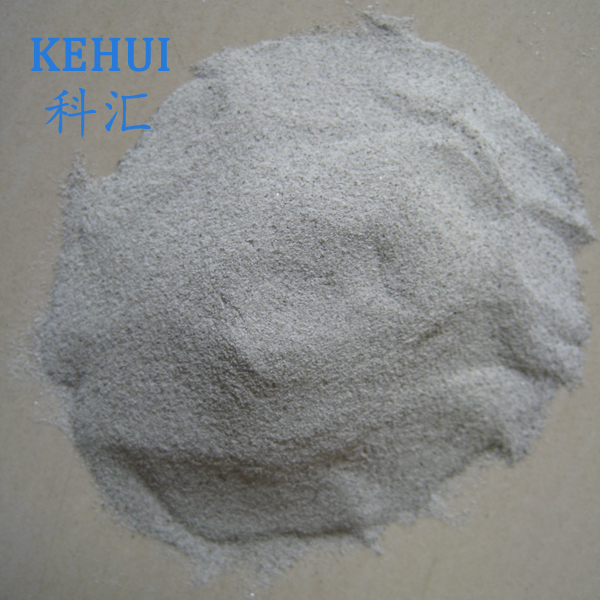
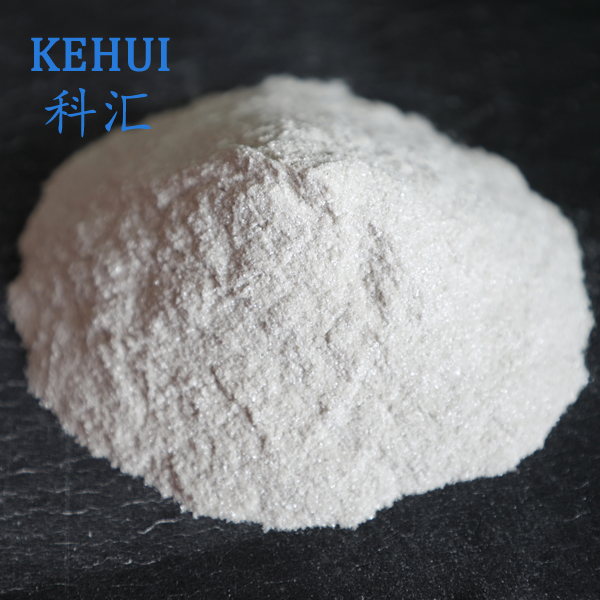
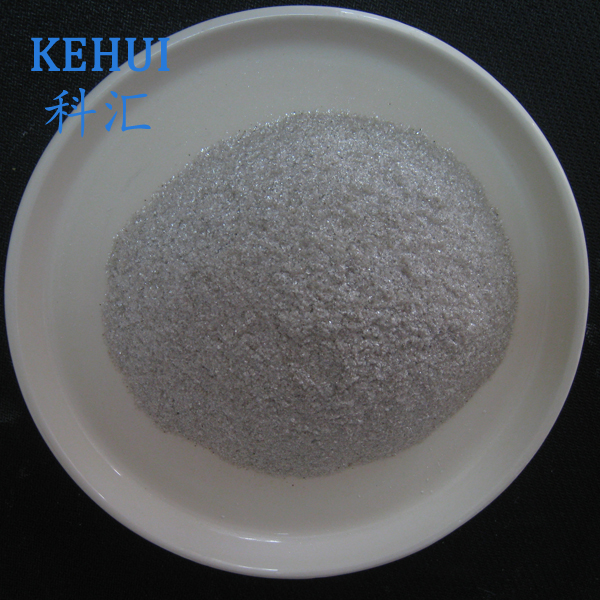
Simply put, expanded perlite is raw perlite ore heated to about 900–1,000°C, causing the moisture trapped inside to vaporize rapidly. This expansion “pops” the volcanic glass into tiny, lightweight, porous beads or granules. It's sort of like popcorn—but for industrial use. This transformation gives perlite unique properties such as very low density, excellent insulation, and high surface area.
Industrially, expanded perlite is a staple for lightweight concrete, insulating plaster, hydroponic growth media, and even filters. Humanitarian projects also use it during disaster relief—for example, as a lightweight filler in insulation panels for emergency shelters that need to be shipped and set up quickly.
Key Characteristics of Expanded Perlite
- Lightweight Nature: Its density ranges from 30 to 150 kg/m³, making it ideal where weight is a concern.
- Thermal Insulation: Thanks to its high porosity, expanded perlite resists heat transfer and reduces building energy costs.
- Water Retention: It holds water in soil mixes, improving moisture retention without compacting.
- Fire Resistance: It can withstand temperatures over 1,000°C—great for safety in construction.
- Non-Toxic and Chemically Stable: It does not off-gas or degrade, so it’s safe for indoor use.
- Scalability and Availability: Being mined across many global sites, production can meet diverse industrial demands.
Each characteristic corresponds directly to practical applications—from insulating walls in a cold climate to lightening soil mixes in arid zones.
Expanded Perlite Product Spec Table
| Property | Typical Range | Unit |
|---|---|---|
| Bulk Density | 30 - 150 | kg/m³ |
| Particle Size | 0.25 - 5 | mm |
| Thermal Conductivity | 0.04 - 0.06 | W/m·K |
| Moisture Content | <1 | % |
| pH Value | 6 - 8 | — |
Global Applications of Expanded Perlite
In construction, expanded perlite lightens concrete blocks, improves insulation, and reduces costs. For instance, European green building projects often mandate materials with low embodied energy and high recyclability—perlite fits perfectly here.
In agriculture, it optimizes hydroponics and greenhouse substrates worldwide, especially in the U.S. and Japan. It retains water and air in soil mixes, helping crops thrive with less irrigation.
Humanitarian organizations also utilize expanded perlite in disaster zones—emergency shelters get insulated panels that are lighter and easier to ship. For example, NGOs building post-earthquake housing in Nepal have integrated expanded perlite-infused panels to balance protection and rapid deployment.
Other sectors include filtration of liquids (food and pharmaceutical industries), cryogenics, and even horticulture—each industry appreciating perlite’s unique physical properties.
Vendor Comparison: Leading Expanded Perlite Suppliers
| Supplier | Origin | Typical Density Range (kg/m³) | Special Features | Certification |
|---|---|---|---|---|
| KeHuimica | China | 30 - 130 | Custom grades, low moisture | ISO 9001 |
| Güney Perlit | Turkey | 40 - 150 | Wide particle size range | CE Mark |
| Northern Perlite Co. | USA | 50 - 140 | Food-grade filtration | FDA approved |
Advantages & Long-Term Value of Using Expanded Perlite
Why choose expanded perlite? Frankly, it feels like a rare material that balances so many needs—lightweight yet strong, simple yet highly functional. Using it cuts building mass, leading to lower transportation and foundation costs. Its insulation quality helps reduce heating and cooling demand, translating into long-term utility savings.
Environmentally, perlite is natural and recyclable, with minimal environmental impact in production compared to synthetic alternatives. For communities, it offers safety through fire resistance and sustains agricultural productivity where water resources are scarce.
Emotionally, investing in products with expanded perlite can symbolize innovation and responsibility in your company or project—a message increasingly important to stakeholders and customers.
Future Trends & Innovations Around Expanded Perlite
The green construction wave keeps expanding, and new formulations of perlite composites emerge accordingly. Researchers explore combining expanded perlite with bio-based binders, making fully eco-friendly insulation panels. Digital manufacturing techniques, like 3D printing concrete with perlite aggregates, are in early stages but promising.
In agriculture, precision farming integrates sensors with perlite-based substrates to optimize water use, advancing sustainable food production. Also, tighter regulations on volatile organic compounds (VOCs) push industries toward non-toxic, inert materials like perlite.
Challenges & Solutions in the Expanded Perlite Industry
Though remarkable, expanded perlite isn’t flawless. Its fragility sometimes causes dust generation during handling, potentially affecting worker health unless safety measures are in place. Standardization across suppliers is another issue—sometimes inconsistent particle sizing impacts product performance.
Innovative packaging techniques and mechanized handling systems help reduce dust. Meanwhile, quality certifications and cooperation with producers—like expanded perlite suppliers committed to ISO standards—improve reliability for end-users.
FAQ: Frequently Asked Questions About Expanded Perlite
- What makes expanded perlite better than traditional insulation materials?
Expanded perlite is naturally fire-resistant, lightweight, and non-toxic, unlike some synthetic foams. It’s also recyclable and doesn’t release harmful gases, making it safer for indoor environments and environmentally friendly. - How does expanded perlite improve soil quality?
It increases aeration and water retention by its porous structure, helping roots breathe while holding moisture. This is particularly useful in sandy or drought-prone soils, promoting healthier plant growth. - Is expanded perlite suitable for large-scale industrial use?
Absolutely. Due to its abundant supply and ease of transport, expanded perlite scales well for construction projects, agriculture, filtration, and more, offering consistent performance at volume. - Can NGOs use expanded perlite in emergency shelter construction?
Yes, many humanitarian organizations rely on expanded perlite panels for insulation in quick-build shelters. Its low weight reduces transportation costs, and durability improves shelter lifespan in disaster-prone areas.
Conclusion
Expanded perlite feels like a quietly powerful material, helping address some of the most pressing global demands—from cutting energy use in buildings to boosting agricultural efficiency. Its unique properties and versatility underline its growing importance worldwide. If your next project or initiative could benefit from this remarkable mineral, why not explore options at KeHuimica?
Light, sustainable, effective—expanded perlite might just be what you didn't know you needed.
Mini takeaway: Expanded perlite sustainably enhances industries by combining natural origin with modern needs—think insulation, agriculture, and humanitarian aid rolled into a single, lightweight material.
References
Latest news
-
Global Analysis and Trends of the Calcined Mica Flakes MarketNewsApr.16,2026
-
Technical Benefits of Calcined Mica for Welding ElectrodesNewsApr.09,2026
-
Superior Calcined Mica for Electrical Insulators Applications and BenefitsNewsApr.07,2026
-
Exploring the Versatility of Calcined Mica for Decoration and Diverse ApplicationsNewsApr.04,2026
-
Exploring Calcined Mica Properties Applications and Sourcing OptionsNewsMar.31,2026
-
Exploring the Versatile Applications of Mica Flakes Powder Across IndustriesNewsMar.28,2026
-
Synthetic Mica Flakes- Kehui Mica Co.|Heat-Resistant, High WhitenessNewsMar.27,2026
Related Products