Understanding Vermiculite Function in Industrial Applications
Having spent years around heavy machinery, insulation materials, and industrial manufacturing—both on the shop floor and in planning meetings—I can't help but appreciate how versatile certain materials are. One of those unsung heroes is vermiculite. Sure, it might sound exotic or maybe just a fancy mineral name, but in real terms, this stuff plays a subtle but crucial role in several industries.
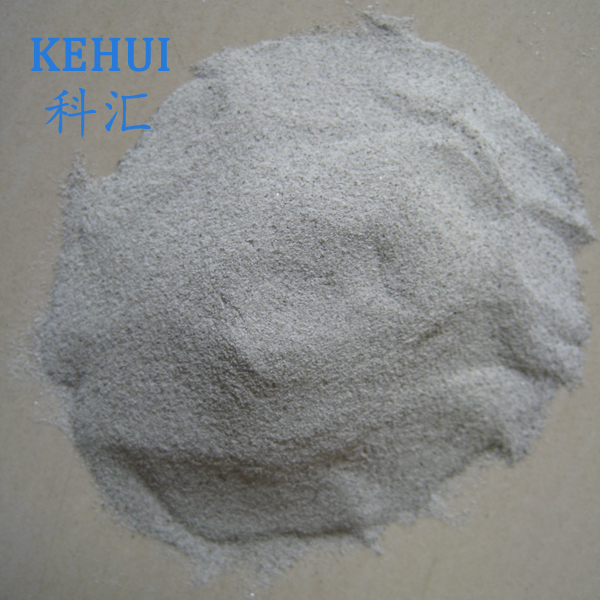
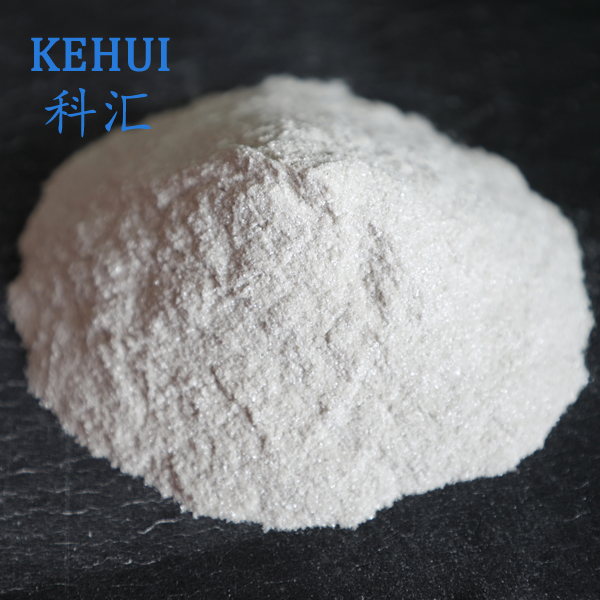
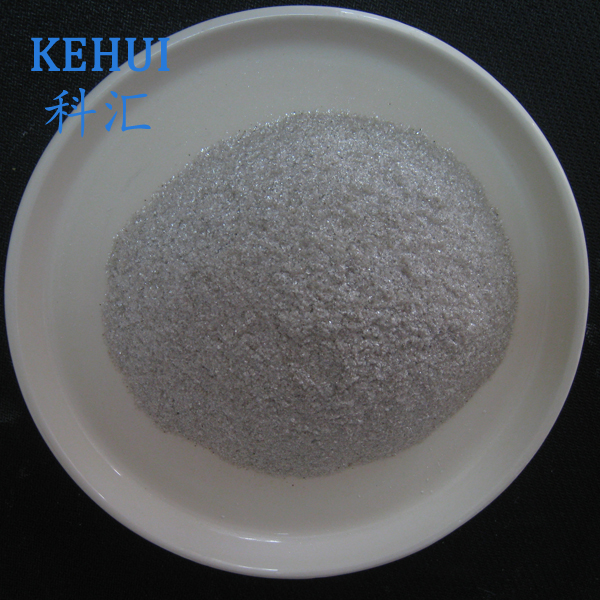
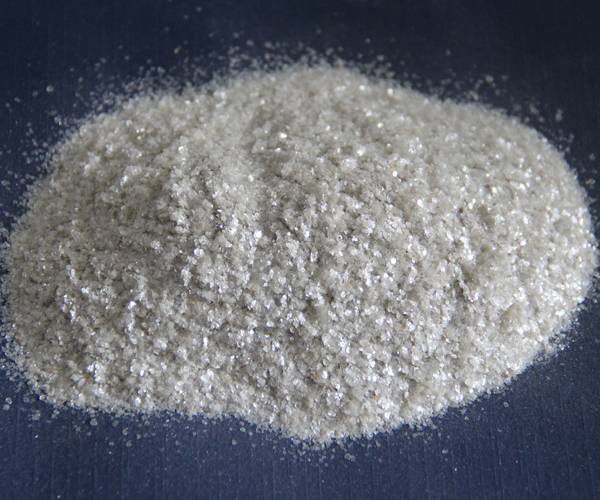
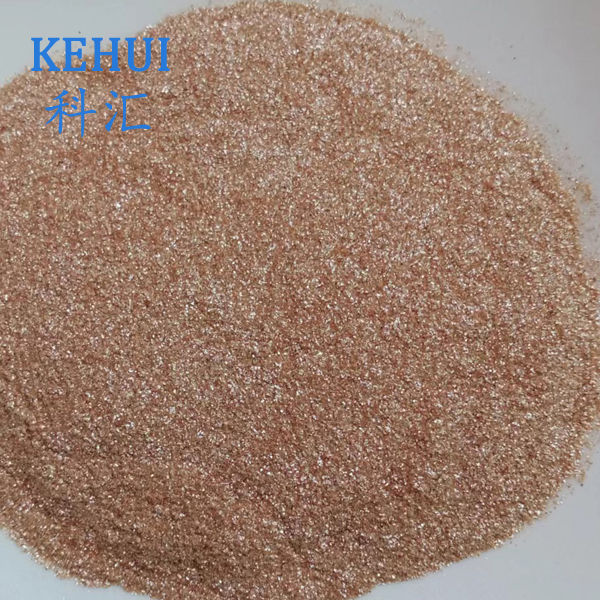
I remember the first time I encountered vermiculite. It was during a plant retrofit, where thermal management was key. Oddly enough, vermiculite’s natural heat resistance and expansion properties made it an ideal candidate for insulation and fireproofing. It’s flaky, lightweight, and once heated, it expands dramatically—like popcorn but with purpose. This expansion traps air, providing insulation and fire-resistance, which frankly can be a game-changer in industrial settings.
You might wonder, what exactly makes vermiculite function so effectively? At the microscopic level, it's a hydrated laminar magnesium-aluminum-iron silicate. When subjected to rapid heating (around 900°C), it exfoliates, releasing steam and expanding up to 30 times its original volume. This transformation yields a low-density, fireproof material that doesn’t break down easily.
Beyond just heat resistance, vermiculite's structure also traps moisture and offers a high cation-exchange capacity. This makes it valuable not only as insulation but also in agriculture and as a carrier for chemicals—some industries use it as a biofilter medium. In industrial construction, it often serves as a key ingredient in lightweight concrete blocks, plaster, and even brake linings.
From my experience, its adaptability is what really stands out. It can be mixed into cementitious compounds or layered as loose fill insulation. Plus, compared to other insulating materials, it doesn’t settle or degrade as fast—so the maintenance cycle can stretch a good deal longer, saving time and cost on facility management.
| Property | Typical Value | Unit |
|---|---|---|
| Bulk Density (Exfoliated) | 80 - 110 | kg/m³ |
| Particle Size | 1 - 3 | mm |
| Thermal Conductivity (Dry) | 0.04 - 0.06 | W/m·K |
| Expansion Ratio | >20 times | - |
| Maximum Service Temperature | 1100 | °C |
Now, when it comes to sourcing vermiculite, not all suppliers are created equal. Some offer materials optimized for specific applications like horticulture, others for fireproofing or lightweight concrete. Here’s a quick vendor comparison based on what I’ve learned from industry forums and direct experience:
| Vendor | Application Focus | Expansion Quality | Consistency | Availability |
|---|---|---|---|---|
| Kehuimica | Industrial insulation, construction | High, uniform exfoliation | Excellent | Strong global supply chain |
| Expanded Minerals Co. | Horticulture, biofilters | Medium | Good | Regional availability |
| InsulMat Solutions | Fireproof coatings | High | Variable batches | Limited |
To put a finer point on it: I’ve worked on projects where the choice of vermiculite supplier meant the difference between on-budget success and costly rework. Kehuimica, in particular, impressed me with uniform particle size and dependable delivery schedules—which is a relief when deadlines loom.
In closing, vermiculite functions as a sort of quiet workhorse in industrial environments. It provides insulation and fire resistance, helps reduce weight in composite materials, and even plays a part in environmental controls. If you’re involved in design or maintenance where thermal management is critical, it’s worth giving vermiculite a closer look. Just don’t think of it as a magical silver bullet—choose the right grade and supplier based on your specific needs.
Reflecting on all this, it strikes me how often the materials we take for granted are the very ones keeping operations smooth behind the scenes.
- "Industrial Applications of Vermiculite" – Materials Science Journal, 2021
- Kehuimica Product Brochure, 2023 Edition
- Thermal Insulation Manual, 5th Edition, 2019
Latest news
-
Global Analysis and Trends of the Calcined Mica Flakes MarketNewsApr.16,2026
-
Technical Benefits of Calcined Mica for Welding ElectrodesNewsApr.09,2026
-
Superior Calcined Mica for Electrical Insulators Applications and BenefitsNewsApr.07,2026
-
Exploring the Versatility of Calcined Mica for Decoration and Diverse ApplicationsNewsApr.04,2026
-
Exploring Calcined Mica Properties Applications and Sourcing OptionsNewsMar.31,2026
-
Exploring the Versatile Applications of Mica Flakes Powder Across IndustriesNewsMar.28,2026
-
Synthetic Mica Flakes- Kehui Mica Co.|Heat-Resistant, High WhitenessNewsMar.27,2026
Related Products