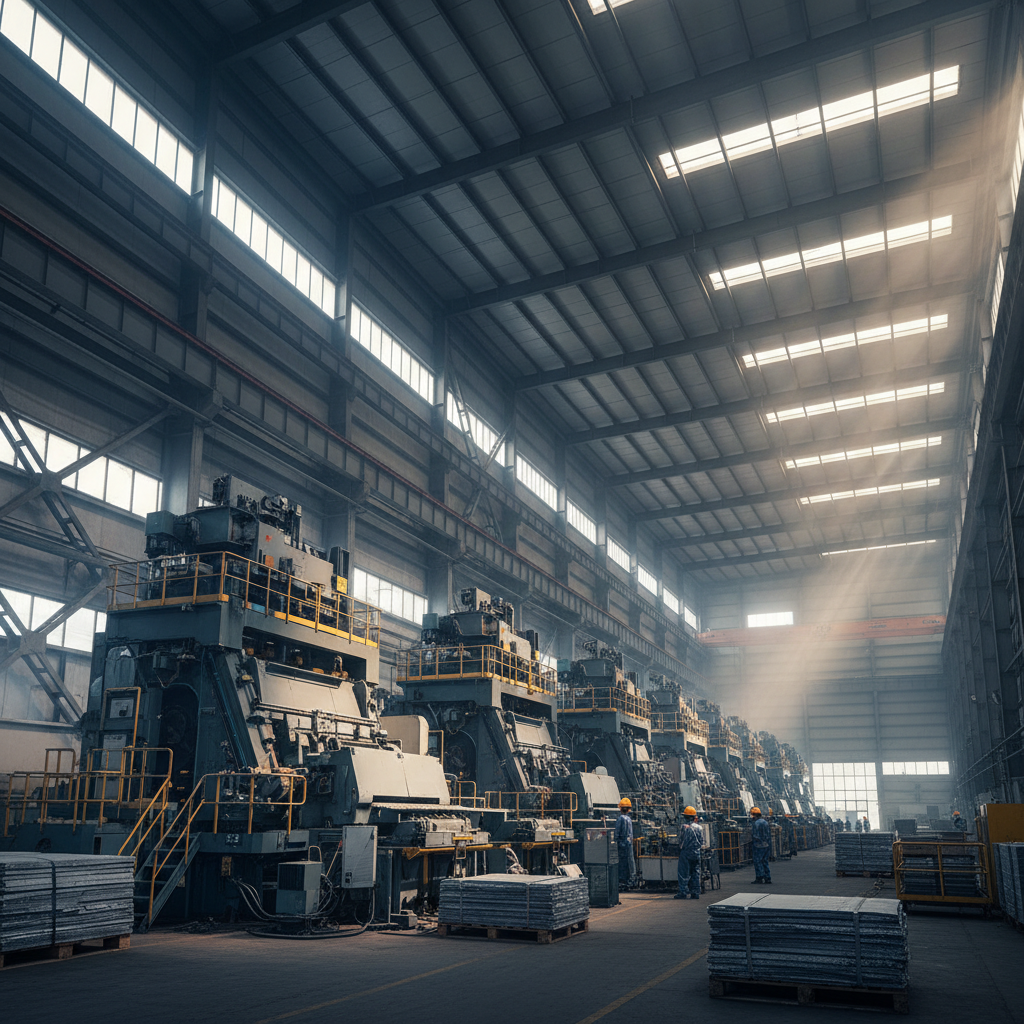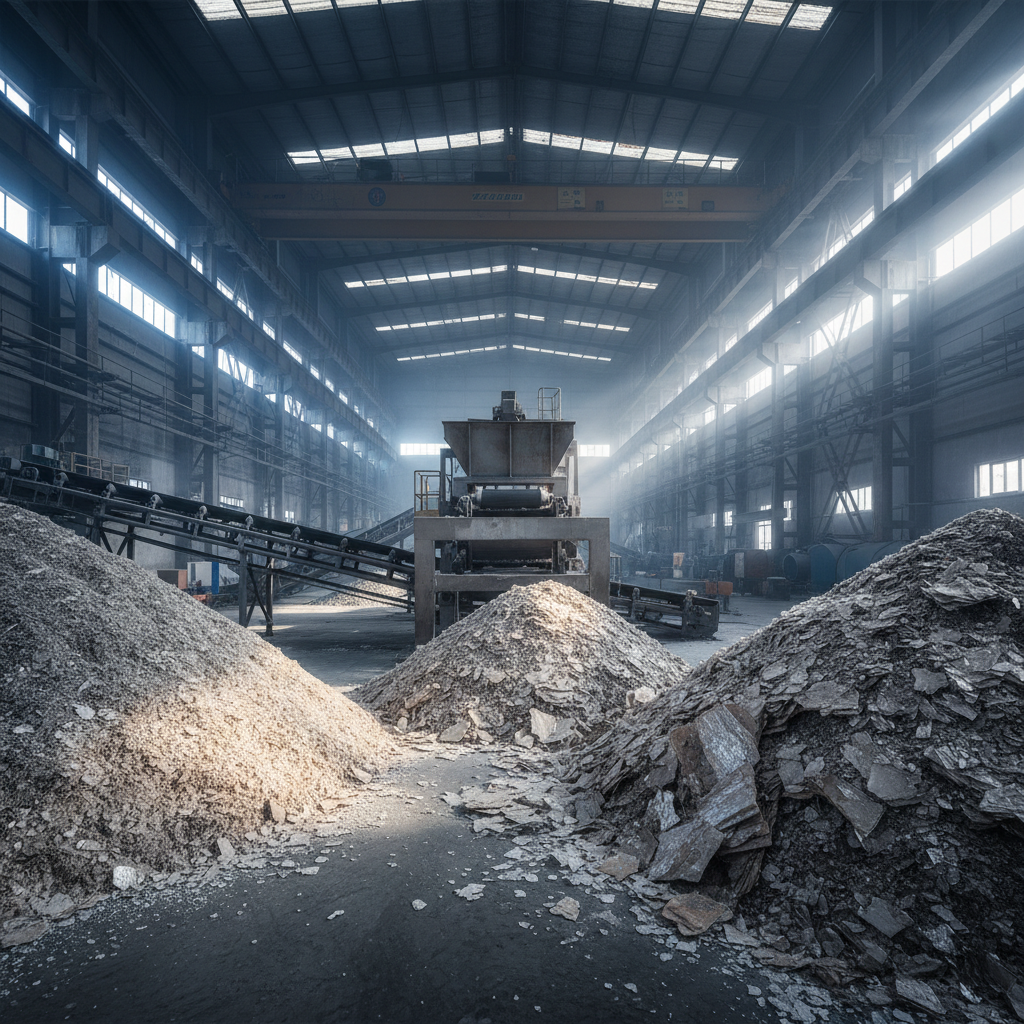
The global demand for high-performance mineral fillers has led to a sophisticated evolution in the procurement of specialized materials, specifically regarding the sourcing of vermiculite china and related silicate minerals. As industrial applications in construction and thermal insulation become more stringent, the focus has shifted from bulk availability to precise mineralogical purity and structural consistency.
This shift is critical because the thermal stability and chemical resistance of a final composite are directly tied to the raw material's crystalline structure. Engineers are increasingly facing challenges in maintaining consistent insulation properties when integrating mineral fillers into complex resin systems or oil-drilling fluids, where thermal shock and chemical aggression are constant variables.
This analysis examines the technical requirements for sourcing industrial minerals from China, the critical performance metrics for mica-based fillers, and how to evaluate material purity to ensure long-term reliability in high-stress environments.


Industrial mineral fillers, including the varieties found in vermiculite china, rely on a layered phyllosilicate structure. This atomic arrangement allows for unique expansion properties and thermal resistance, making them indispensable for high-temperature shielding and lightweight aggregate production.
The efficiency of these minerals is determined by their purity and the consistency of their flake size. When these minerals are used as reinforcements, the aspect ratio of the flakes dictates the mechanical strength and the barrier properties of the resulting composite material.
For high-precision applications such as Oil Drilling Grade Mica, the chemical composition is the primary determinant of performance. A typical high-purity specification requires SiO2 levels between 44.5% and 46.5%, paired with Al2O3 concentrations of 32% to 34%. These ratios ensure that the material maintains its structural integrity when exposed to the aggressive chemical environments found in deep-well drilling.
Physical properties such as a melting point of 1250°C and heat resistance up to 650°C are essential for insulation materials. The transparency (ranging from 71.7% to 87.5%) and a Mohs hardness of 2.5 indicate a material that is stable yet workable, allowing for seamless integration into various resin-based composites without causing excessive abrasive wear on production equipment.
Moreover, the disruptive strength, typically around 146.5KV/mm, makes these minerals critical for electrical insulation. Buyers must evaluate the purity—which should be 99% minimum—to avoid premature dielectric breakdown in electrical components.
The presence of iron contaminants in mineral fillers is a significant risk factor for industrial failure. In electrical insulation, iron particles create conductive paths that lead to short circuits, while in chemical processing, they can catalyze unwanted reactions or cause localized corrosion.
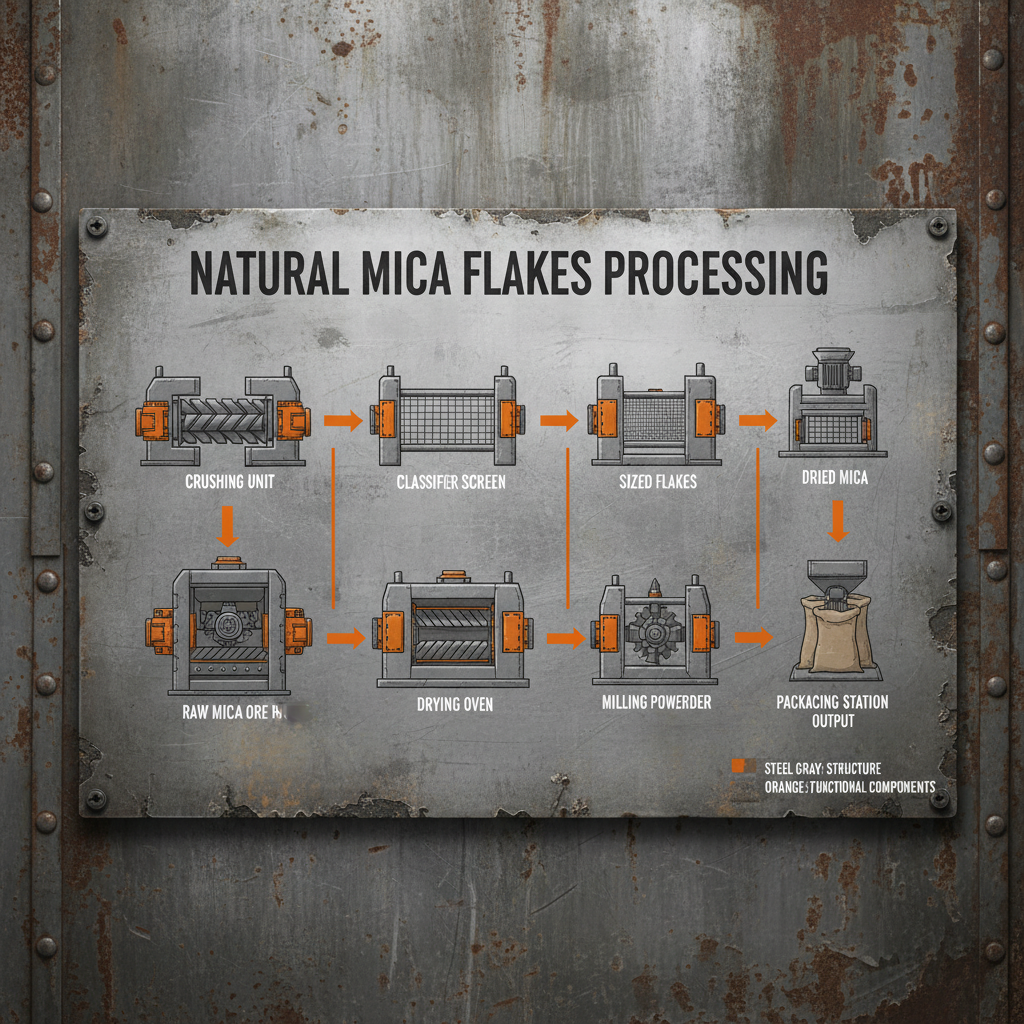
When sourcing vermiculite china or mica flakes, the verification of the removal process is more important than the final certificate. A documented "Totally Closed Filling Process" prevents secondary contamination during the classification and screening stages, guaranteeing that the refined material reaches the end-user without atmospheric pollutants.
Understanding the relative performance of different mineral configurations is key to optimizing material costs without sacrificing quality. The following assessment compares typical mineral profiles based on their normalized engineering ratings across key industrial dimensions.
These values represent a relative assessment of how different grade configurations perform in terms of thermal stability, chemical resistance, and mechanical durability.
In the oil and gas sector, mica flakes are deployed as critical additives for drilling fluids to prevent fluid loss into permeable formations. The effectiveness of this deployment depends on the mesh size; for instance, 60-mesh (fine), 20-mesh (medium), and 16-mesh (coarse) options are used depending on the pore size of the rock formation being drilled.
In the construction and electronics industries, these minerals are integrated into mica paper and insulation materials. The ability of the mineral to maintain a high refractive index and compatibility with various resins allows for the creation of lightweight, heat-resistant panels that meet ISO 9001:2015 quality standards.
The industry is currently moving toward "Initiative Sterilization Equipment" and "High Temperature Dehydration" to eliminate organic impurities and moisture. This evolution is driven by the need for fillers that can be integrated into ultra-high temperature polymers without causing void formation or gas evolution during the curing process.
Furthermore, the transition toward ECOVADIS and SMETA audited supply chains indicates a shift where environmental and social governance (ESG) is becoming as critical as technical specifications. Buyers are no longer just looking for the lowest cost per ton, but for a sustainable lifecycle from mine to factory.
We expect to see a greater emphasis on "Tailored Logistics" and "Just-in-Time" stockpiling to reduce the carbon footprint associated with bulk mineral transport, utilizing a mix of sea, train, and air shipments to optimize lead times.
Selecting the right mineral filler requires a balance between mechanical requirements and chemical compatibility. The following matrix provides a framework for evaluating different configurations based on typical industrial needs.
It is essential to match the mesh size and purity level to the specific stress factors of the application environment, whether it be the high pressure of an oil well or the high voltage of an electrical transformer.
The profiles below represent evaluation categories rather than specific product models, providing a benchmark for technical procurement.
| Configuration Type | Primary Specification | Key Performance Factor | Recommended Use Case |
|---|---|---|---|
| Precision Grade | Fine 60 Mesh / 99% Purity | High Dielectric Strength | Electronic Insulation |
| Industrial Standard | Medium 20 Mesh | Thermal Stability | Composite Reinforcement |
| Heavy Duty | Coarse 16 Mesh | Mechanical Stability | Oil Drilling Additives |
| Chemical Resistant | Acid/Alkali Stable | Low Reactivity | Industrial Coatings |
| Thermal Shield | High Heat Resistance | Low Thermal Conductivity | Fireproof Paneling |
| Baseline Mineral | Standard Mesh Range | General Filling | General Construction |
The mesh size determines the particle diameter, which must correspond to the pore size of the formation being drilled. Fine 60-mesh flakes are ideal for tight formations to create a thin, impermeable filter cake, whereas coarse 16-mesh flakes are used for larger pore structures to prevent fluid loss. Selecting the incorrect mesh size can lead to inefficient sealing and potential wellbore instability.
Iron particles are conductive. Even trace amounts of iron in mica or vermiculite can create microscopic conductive bridges within an insulating material, significantly lowering the disruptive strength (KV/mm). This increases the risk of electrical arcing and total component failure. Strict magnetic removal processes are therefore mandatory for electrical grade materials.
Yes, high-purity mica flakes are generally compatible with a wide range of resins due to their chemical inertness and stable surface chemistry. However, for optimal bonding, it is recommended to verify the PH value (typically around 7.8) and ensure the material is free from surface moisture through high-temperature dehydration before mixing.
Professional buyers should verify ISO 9001:2015 for quality management systems. Additionally, social and environmental audits like SMETA and ECOVADIS assessments provide assurance regarding workplace conditions and sustainability practices, which are increasingly required for integration into global supply chains.
Heat resistance is typically verified through thermogravimetric analysis (TGA) and differential scanning calorimetry (DSC). For industrial grade mica, the material should maintain its structural integrity up to 650°C, with a melting point around 1250°C, ensuring it does not degrade or lose its insulating properties under extreme thermal stress.
Depending on the volume, minerals are packed in 20kg or 25kg plastic woven or paper bags for small-scale precision use, or in large 500kg to 800kg "big bags" for industrial bulk shipments. Proper moisture-proof packaging is critical to prevent clumping and maintain the purity of the mineral during sea or train transit.
The technical viability of vermiculite china and related mica products depends entirely on the rigorous control of purity and the precision of the processing workflow. By prioritizing "Strict Sand Iron Remove" procedures and verifying the chemical ratios of SiO2 and Al2O3, engineers can ensure that their composites maintain high disruptive strength and thermal stability.
For procurement managers, the practical implication is clear: move beyond simple cost-per-ton analysis and evaluate the supplier's technical infrastructure, including their classification screening and dehydration capabilities. Ensuring a stable, audited supply chain is the only way to guarantee the reliability of high-performance mineral fillers in critical industrial applications.