Understanding mica mineral flakes in Industrial Applications
Having been around the industrial equipment sector for more than a decade, it’s interesting how some raw materials quietly earn their reputation behind the scenes. Mica mineral flakes are one such unsung hero. You probably won’t spot them on flashy product brochures, but frankly, without mica, certain components just wouldn’t perform the way engineers expect. It's one of those materials that, when you first encounter it, can seem a bit dry or “just a crystal,” but in real terms, its versatility and thermal stability have kept industries running smoothly.
Now, mica isn’t some new discovery — it’s been mined and used since antiquity — but its modern industrial-grade flakes bring nuances that often get overlooked. I remember a project years ago, working on electrical insulation components, where switching to high-quality mica flakes made a tangible difference in heat resistance and durability. The engineers were thrilled — and honestly, it felt like a small victory for mineral science.
What makes mica so special?
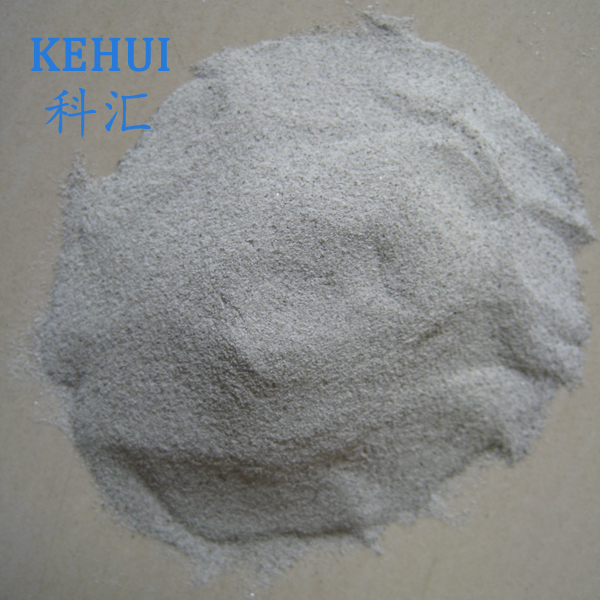
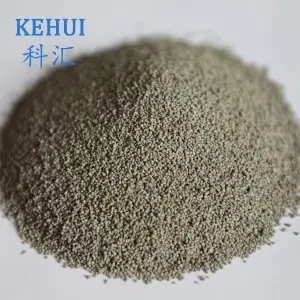
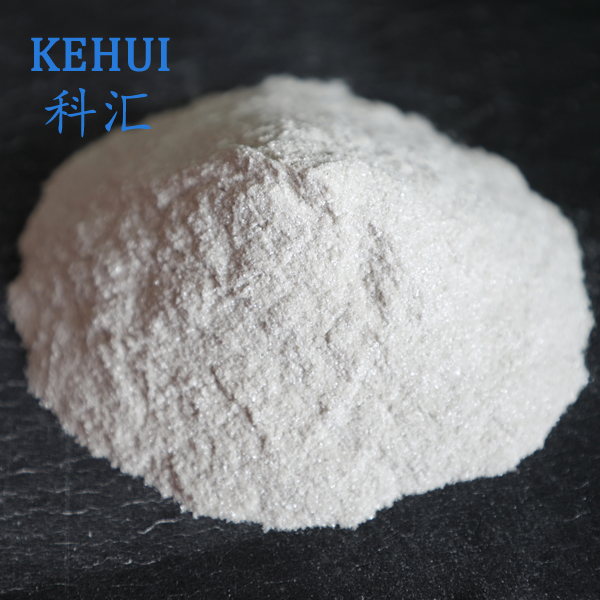
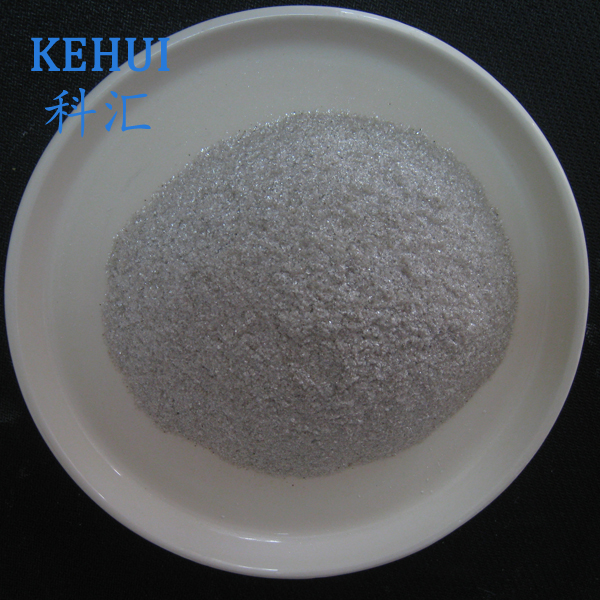
Mica comes from a group of silicate minerals, naturally occurring in layers that can be peeled off in flakes. These flakes are electrically insulating and highly heat-resistant, which is why they’re prized in industries like electronics, automotive, and construction. One fascinating thing I’ve noticed over the years is how mica’s structure influences performance: the flake size, thickness, and purity each play a role and require careful processing.
Many engineers I’ve met are quick to note its fire-resistant qualities. Often, mica flakes serve as fillers or reinforcement in plastics and paints, boosting flame retardancy without sacrificing mechanical properties. It’s also “kind of” hydrophobic, which means it doesn’t absorb water readily — a bonus for outdoor or moisture-prone environments.
A quick glance at typical mica mineral flakes specs
| Specification | Typical Value | Notes |
|---|---|---|
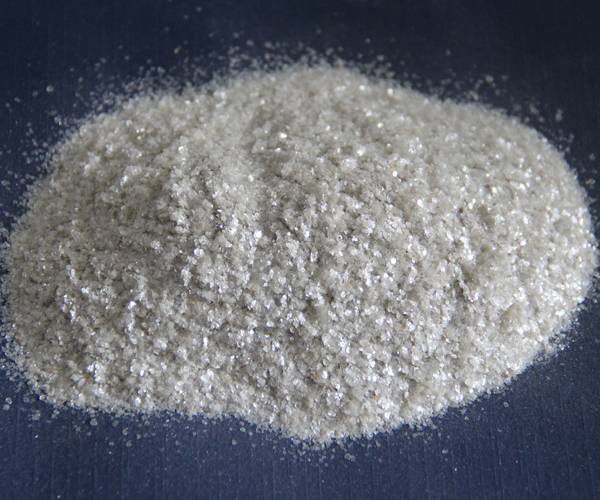
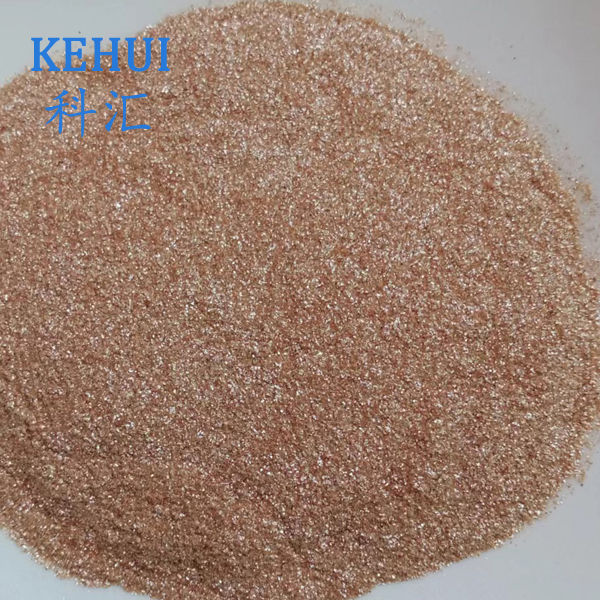
| Appearance | Silvery to golden flakes | Visual inspection |
| Flake size | 50–100 mesh | Adjustable |
| Purity | >95% mica content | Usually muscovite variety |
| Thermal stability | Up to 900°C | Depends on treatment |
| Electrical resistivity | 10^13 Ω·cm | Excellent insulator |
How does mica compare among vendors?
Oddly enough, not all mica flakes are created equal. One thing I’ve learned the hard way is vendor reliability, especially on consistency and quality control, can make or break your application.
| Vendor | Purity (%) | Flake Size Range (mesh) | Typical Lead Time | Customization Options |
|---|---|---|---|---|
| Kehuimica | >95% | 20–100 | 1–2 weeks | Flake size, packaging |
| Vendor B | 90–94% | 40–100 | 3+ weeks | Limited |
| Vendor C | >95% | 30–70 | 2 weeks | Mostly standard sizes |
Personally, I’ve often leaned on Kehuimica for mica flakes. Their combination of purity, lead time, and customization options tends to outshine other suppliers — especially when you’re racing against a tight project schedule and can’t afford any slip-ups. I suppose, it’s that peace of mind which ultimately counts.
Applications and Adaptability
If you’re wondering where mica flakes typically shine, think of thermal insulation, capacitors, brake linings, roofing materials, and even some cosmetics. Its fire retardant nature is a lifesaver for safety-critical components. On a recent job, a client’s engineer mentioned switching to mica-filled composites reduced product weight and improved flame retardance — a “win” that also cut costs down the line.
Customization matters too. Flake size impacts how mica disperses in a matrix, and purity influences mechanical strength and electrical properties. So, specifying the right flakes isn’t just a checkbox exercise — it’s a bit of an art informed by experience.
A final thought
After years handling mica mineral flakes and witnessing those subtle differences that can "make or break" a batch, I’ve grown to respect this translucent mineral a lot. It’s a small ingredient with outsized impact. Whether it’s improving flame resistance or providing reliable insulation, mica mineral flakes remain a quiet cornerstone in many manufacturing lines.
Curious about quality mica flakes for your next venture? Check out Kehuimica — they’ve got the right balance of performance and flexibility that I keep recommending.
References:
1. U.S. Geological Survey data on mica minerals
2. Industrial Minerals and Their Applications, 3rd Ed.
3. Personal interviews with materials engineers
Latest news
-
Global Analysis and Trends of the Calcined Mica Flakes MarketNewsApr.16,2026
-
Technical Benefits of Calcined Mica for Welding ElectrodesNewsApr.09,2026
-
Superior Calcined Mica for Electrical Insulators Applications and BenefitsNewsApr.07,2026
-
Exploring the Versatility of Calcined Mica for Decoration and Diverse ApplicationsNewsApr.04,2026
-
Exploring Calcined Mica Properties Applications and Sourcing OptionsNewsMar.31,2026
-
Exploring the Versatile Applications of Mica Flakes Powder Across IndustriesNewsMar.28,2026
-
Synthetic Mica Flakes- Kehui Mica Co.|Heat-Resistant, High WhitenessNewsMar.27,2026
Related Products