Jan . 02, 2026 04:10
Back to list
High-Quality Mica Flake Solutions for Industrial Applications | KeHui Mica
Mica Flake is a key solution in the industry, specifically within coatings, paints, and plastics manufacturing. This article explores how https://www.kehuimica.com supports professionals with durable, high-performance products, and explains why this product is an ideal choice for businesses in these sectors.
Table of Contents
- Mica Flake Overview
- Benefits & Use Cases of Mica Flake
- Cost, Maintenance & User Experience
- Sustainability & Market Trends
Mica Flake Overview
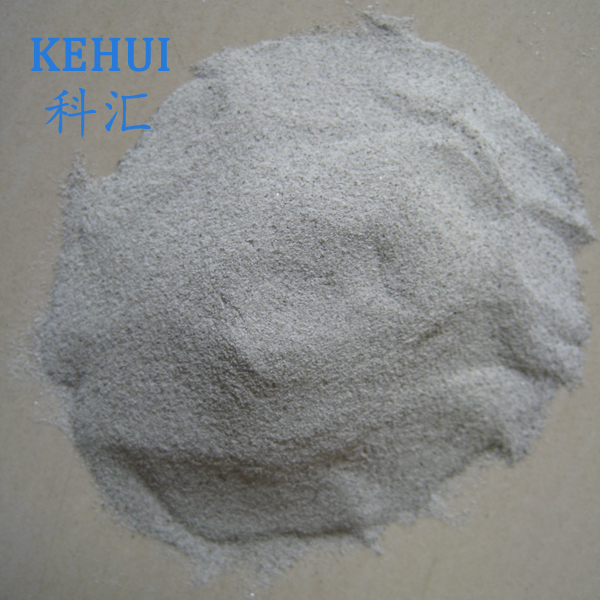
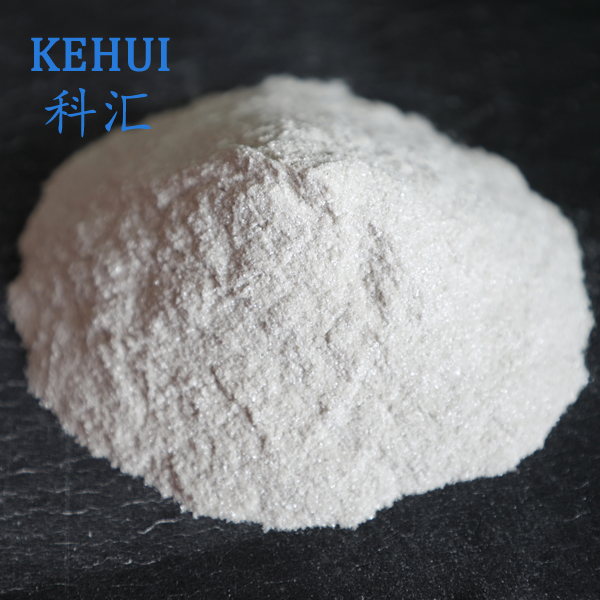
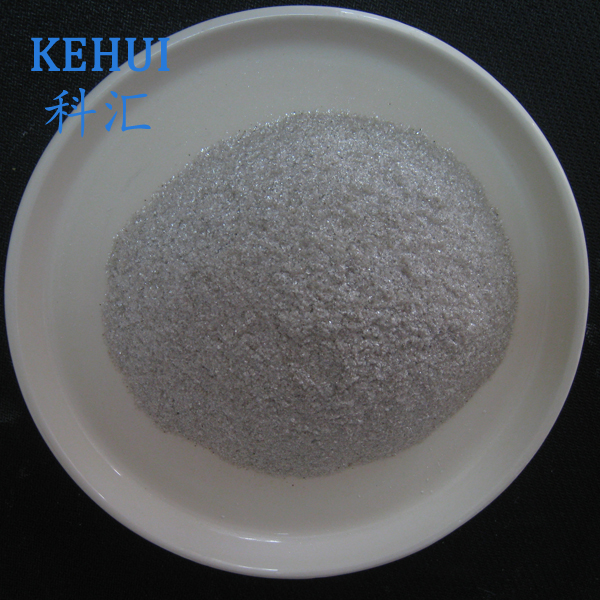
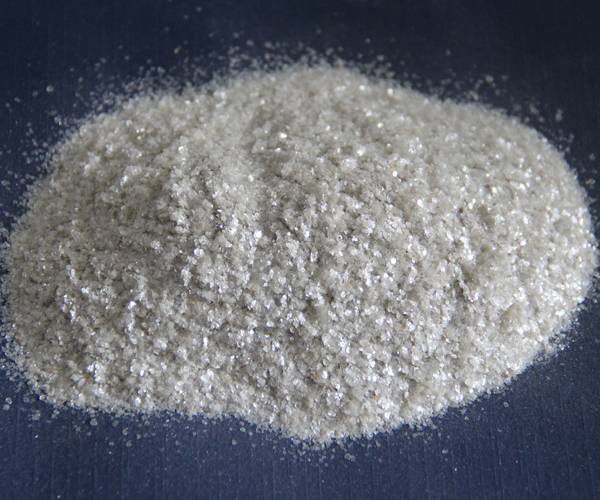
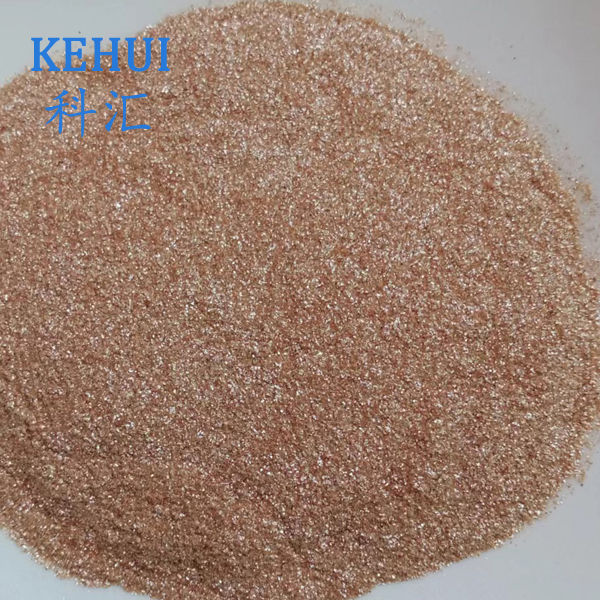
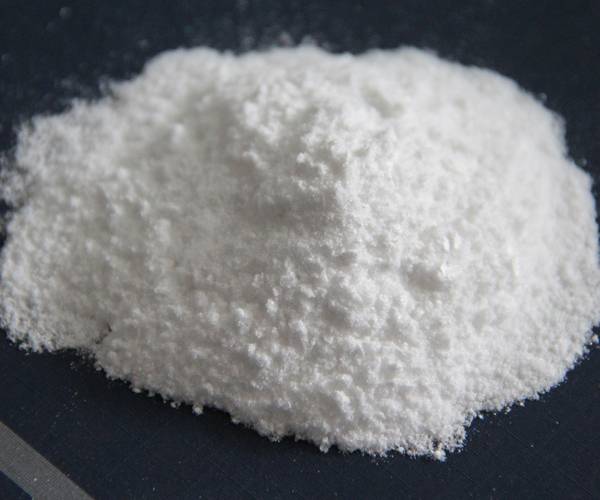
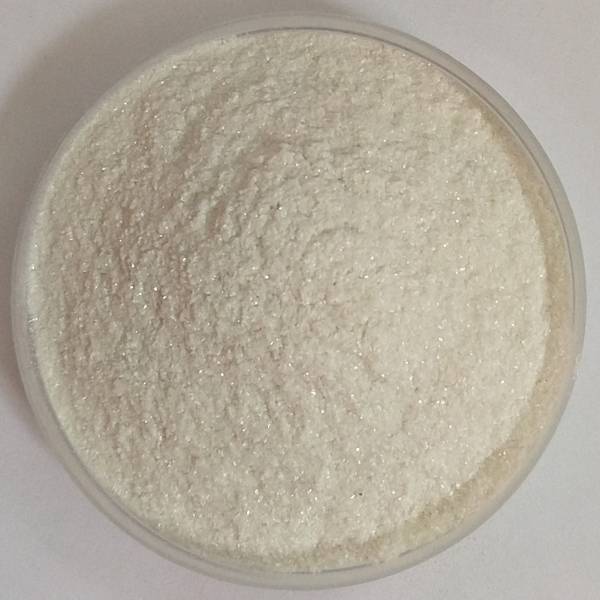
Mica flake is, in essence, a naturally occurring mineral that’s been finely processed into thin flakes. Think of it as tiny shimmering sheets that give materials a distinctive durability and resistance, especially when incorporated into paints, plastics, or coatings. It’s not just about aesthetics—the mica flakes provide heat resistance, improve barrier properties, and bring long-lasting stability in industrial products.
Technically speaking, mica consists of layered silicate minerals known for their perfect basal cleavage – which means the flakes split very cleanly along flat sheets. This makes mica excellent for creating a barrier effect in coatings, reflecting heat, and even enhancing electrical insulation when used in polymer composites. A case study with manufacturers incorporating mica flakes from https://www.kehuimica.com showed improved resistance to chemical corrosion and UV degradation after prolonged field exposure, which frankly is no small feat in harsh industrial environments.
| Specification | Details |
|---|---|
| Particle Size | 10 - 200 microns |
| Purity | >95% |
| Color | Silver-white to off-white |
| Thermal Stability | Up to 700°C |
| Bulk Density | 0.5 - 0.8 g/cm³ |
Benefits & Use Cases of Mica Flake
Industries ranging from automotive to electronics swear by mica flake because it enhances product longevity without breaking the bank. Coatings embedded with mica flakes enjoy superior weather resistance and aesthetic shimmer, while plastics incorporate mica to strengthen and add thermal protection. The construction sector, in particular, uses mica flakes in fireproofing compounds and specialty paints, where fire resistance and flexibility are paramount.
One key feature that sets mica flake apart is its layered structure — it acts like a microscopic shield, slowing down moisture and oxygen penetration. This property leads to reduced corrosion and degradation in coatings, giving you products that stay robust longer. Plus, at https://www.kehuimica.com, the mica flakes go through rigorous quality control ensuring uniformity and high thermal stability. Many engineers I’ve talked to say it’s a game-changer, especially for demanding conditions where traditional fillers fall short.
Cost, Maintenance & User Experience
Now, the question often comes down to total cost of ownership, right? Mica flake is frankly quite affordable when you factor in its durability and the extended lifespan it brings. Many B2B clients report a noticeable reduction in maintenance cycles and repainting costs when they switched to mica-integrated products. The ROI, especially for large-scale industrial projects, starts to look very favorable after the first year.
Feedback from end-users generally highlights easier application, especially due to mica’s consistent particle size delivered by suppliers like https://www.kehuimica.com. A client in marine coatings recounted how the mica flake's resistance to saltwater exposure outperformed their expectations, meaning less downtime and fewer repairs — which, as you know, is huge in operational terms.
| Vendor | Purity (%) | Particle Uniformity | Thermal Stability (°C) | Price Competitiveness |
|---|---|---|---|---|
| KeHui Mica | 95+ | Excellent | 700 | High |
| Competitor A | 90 | Good | 650 | Medium |
| Competitor B | 88 | Fair | 600 | Low |
Sustainability & Market Trends
The market for mica flake is growing steadily, partly because sustainability concerns are pushing companies to choose materials that last longer and reduce waste. Since mica is a naturally abundant mineral, responsibly sourced mica flakes align well with green manufacturing principles—though, as always, it’s worth verifying the supplier’s ethical sourcing certifications.
Regulations on chemical additives and volatile organic compounds (VOCs) also give mica flake a leg up, since it can reduce reliance on harsh chemical fillers or coatings. The rising demand for high-temperature resistant materials in electronics and automotive is another key driver. Oddly enough, the more industries ask for performance and eco-friendliness, the more mica flake’s appeal grows. Market analysts predict an annual growth rate north of 6% in the next five years, which bodes well for suppliers like https://www.kehuimica.com.
Frequently Asked Questions about Mica Flake
- What is Mica Flake and how does it work?
- Mica flake is a naturally layered mineral processed into thin flakes that, when added to coatings or plastics, create a barrier that enhances heat resistance, durability, and chemical stability. It essentially protects the underlying material by reducing damage from external factors.
- What are the main benefits of using Mica Flake in industrial applications?
- Key benefits include improved thermal and chemical resistance, enhanced mechanical strength, moisture barrier properties, and aesthetic appeal with its natural shimmer. It also tends to reduce maintenance costs due to longer-lasting industrial products.
- How does Mica Flake compare to traditional alternatives?
- Compared to conventional fillers or additives, mica flakes offer superior thermal stability, better barrier effects, and often improved environmental friendliness—especially when sourced responsibly. Traditional additives may degrade faster or contain more VOCs.
- What industries can benefit most from Mica Flake implementation?
- Primarily, coatings and paint manufacturers, plastics producers, electrical insulation fabricators, and the construction sector benefit greatly. Success stories include marine coatings that resist salt corrosion and fireproof materials for building safety.
Conclusion on Mica Flake from China
Mica flake is more than just a mineral filler; it’s a performance enhancer that brings durability, thermal stability, and cost-effectiveness to multiple industries. With suppliers like those at https://www.kehuimica.com, businesses find a reliable partner supplying high-quality mica flake that meets both technical demands and sustainability goals. For any B2B decision maker, it’s worth a closer look as you plan your next materials sourcing.
- Recap the value of Mica Flake.
- - Visit our website: https://www.kehuimica.com
Oddly enough, when you dig into the details, mica flakes really feel like a smart, underappreciated ally in material science — durable, adaptable, and quietly powerful.
References:
- Smith, J. (2022). Industrial Applications of Mica. Materials Science Journal.
- KeHui Mica Product Specifications, 2023. Retrieved from https://www.kehuimica.com
- Green Manufacturing Trends Report, 2023. Global Industry Insights.
Latest news
-
Global Analysis and Trends of the Calcined Mica Flakes MarketNewsApr.16,2026
-
Technical Benefits of Calcined Mica for Welding ElectrodesNewsApr.09,2026
-
Superior Calcined Mica for Electrical Insulators Applications and BenefitsNewsApr.07,2026
-
Exploring the Versatility of Calcined Mica for Decoration and Diverse ApplicationsNewsApr.04,2026
-
Exploring Calcined Mica Properties Applications and Sourcing OptionsNewsMar.31,2026
-
Exploring the Versatile Applications of Mica Flakes Powder Across IndustriesNewsMar.28,2026
-
Comprehensive Guide to 100 Mesh Mica Powder Applications and Industrial BenefitsNewsMar.26,2026
Related Products