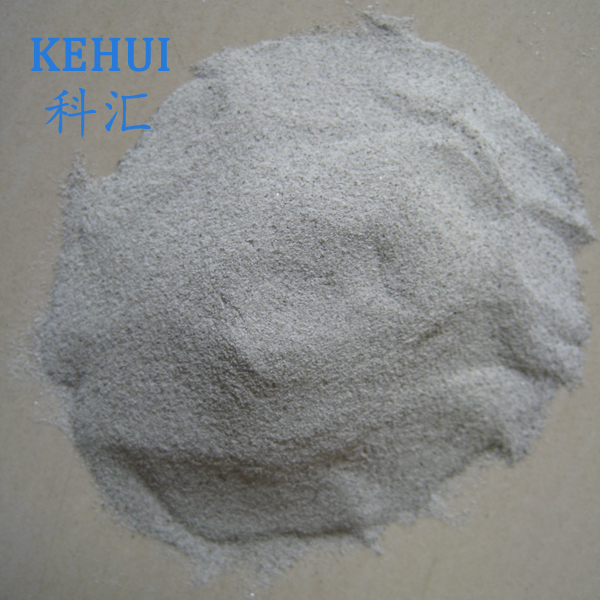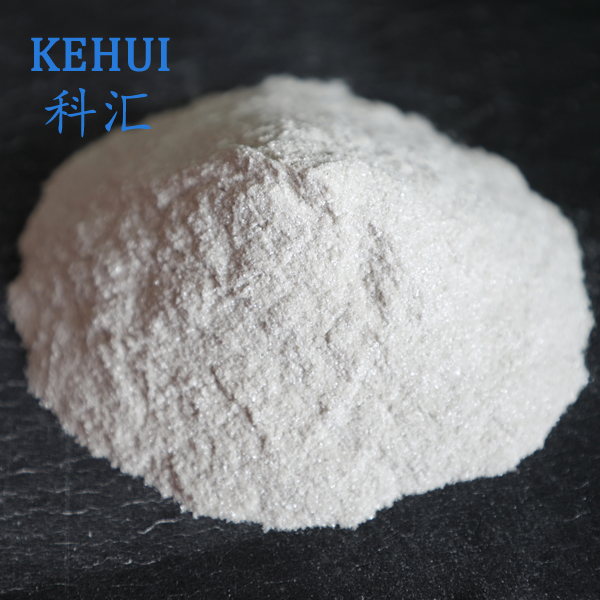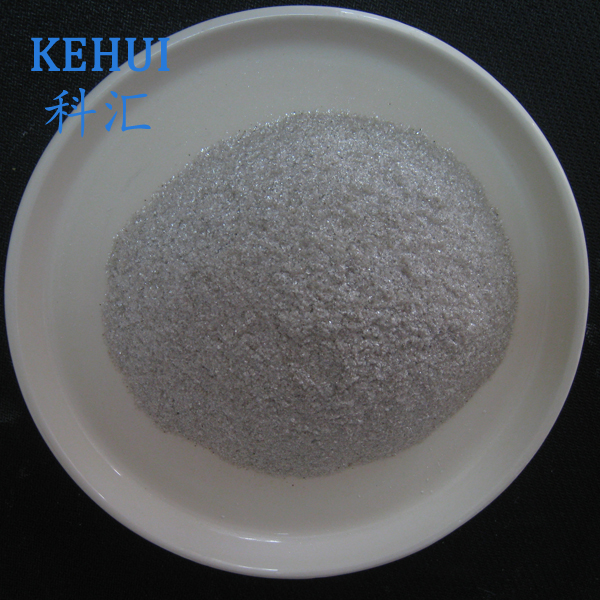
Exploring the Versatility of flake of mica in Industrial Applications
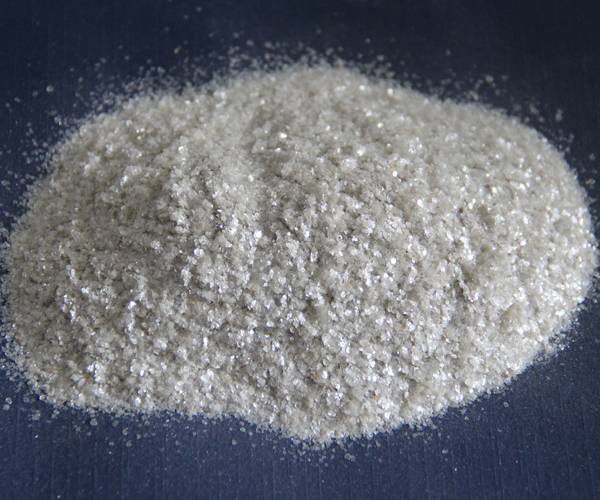
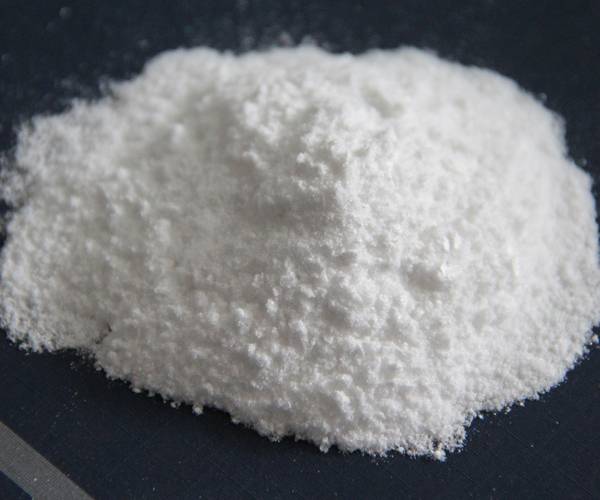
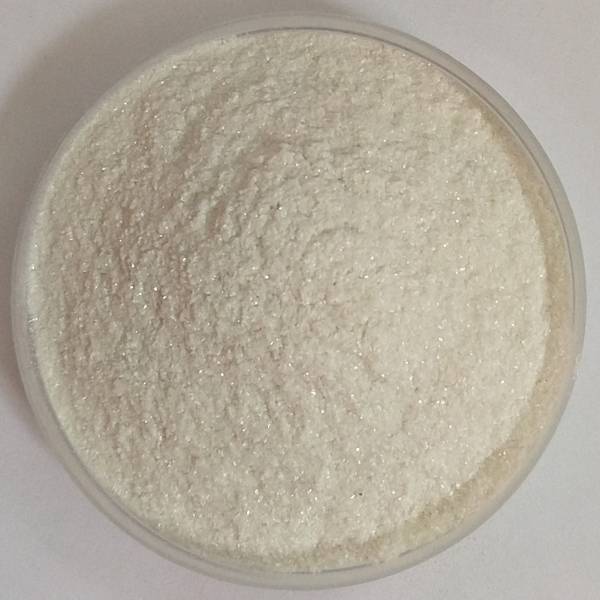
Having spent quite a few years in the industrial equipment sector, I've come to realize just how valuable certain “simple” materials can be. Take mica flakes, for instance. At first glance, they might seem like just tiny shiny scales—hardly the headline act of manufacturing. But, frankly, they're a subtle powerhouse in many niches, from insulation to coatings.
Oddly enough, mica's layered crystalline structure gives it this unique combination of heat resistance, electrical insulation, and chemical stability. That trifecta is why so many engineers keep it on their short list when designing components meant to endure tough environments. I remember a client once telling me that without mica flakes in their high-temperature paint, their equipment panels would have corroded far faster. In real terms, mica adds value because it’s reliable where many materials just fall apart.
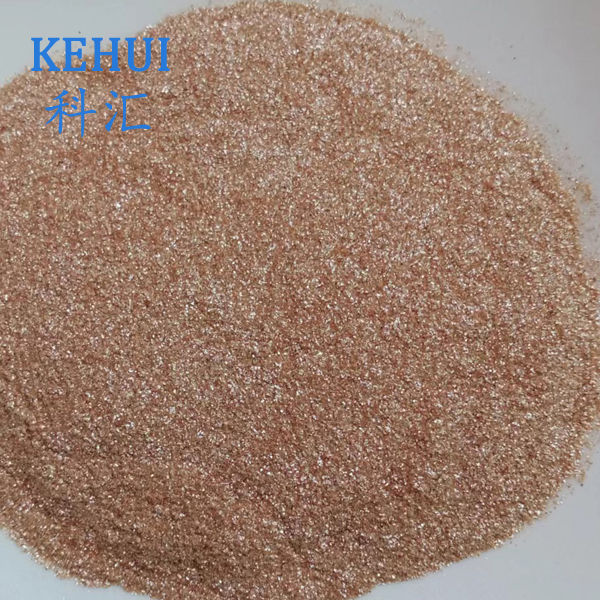
What’s particularly interesting is how the production process affects mica flakes’ quality. They’re split from natural mica sheets to ensure ultra-thin, uniform flakes. This results in better coverage and performance in composite materials, coatings, and thermal insulation blankets. Manufacturers like Ke Hu Mica specialize in these refined flakes that small differences in size and thickness can dramatically influence the final product’s function.
Key Specifications of Flake of Mica
| Specification | Typical Range | Remarks |
|---|---|---|
| Flake Size | 50–500 microns | Impacts coating smoothness |
| Purity | > 98% | Ensures chemical stability |
| Thickness | 0.01–0.05 mm | Controls flexibility |
| Electrical Resistivity | > 10^12 Ω·cm | Critical for insulation |
| Temperature Stability | Up to 900°C | Suitable for high-heat uses |
It's worth noting, not all mica flakes are created alike. Differences in geographic origin and processing methods can lead to varied properties, which is crucial depending on your end-use. In fact, I often advise peers that sourcing and testing small batches before scaling is essential—a little extra due diligence saves headaches down the road.
Vendor Comparison: Top Manufacturers of Mica Flakes
| Vendor | Purity (%) | Available Sizes (μm) | Customization Options | Lead Time |
|---|---|---|---|---|
| Ke Hu Mica | ≥ 98.5 | 50–500 | Thickness, Size, Packing | 2-3 weeks |
| Vendor B | 96-98 | 100–400 | Size only | 3-4 weeks |
| Vendor C | 97+ | 50–300 | Limited | 1-2 months |
Customization is surprisingly a big deal here. You'd think flakes are flakes, but tuning thickness or size distribution changes how they behave in a matrix — whether it acts tougher or more flexible, for example. When we customized mica for a thermal barrier coating once, the improved layer adhesion was noticeable. It’s in these small details where quality really shines, and suppliers like Ke Hu Mica have mastery over that balance between consistency and customization.
Another thing I liked from my experience is their responsiveness. As you know, industrial schedules aren't always neat. Getting your mica shipment delayed throws off the whole chain. So, a vendor who understands urgency is worth their weight in crystals.
Why Flake of Mica Remains a Go-To Material
Now, why does mica keep a solid foothold in this ever-changing industrial landscape? Partly because alternatives often fall short in resistance or stability. Many engineers I work with say that when insulating at high temps or waterproofing surfaces while maintaining breathability, mica's safety margin simply can’t be matched. Plus, its natural origin appeals to manufacturers looking for eco-friendlier, inorganic options.
In short, if you haven’t worked much with mica flakes, they’re worth a look. Whether in coatings, composites, or as fillers, they provide a versatile backbone to products where durability and performance count. In fact, I sometimes liken their role to the unsung hero in a complex mechanized orchestra—you don't notice them unless they're missing.
So next time you’re specifying materials, give flake of mica a thought. Sometimes the quietest components hold the stage together better than the flashiest parts.
That’s just a bit from someone who’s turned over plenty of rocks in industrial supply—mica flakes included.
References:
1. "Properties and Applications of Mica," Industrial Minerals Review, 2020.
2. Ke Hu Mica Official Product Data Sheets, 2023.
3. Personal experience consulting for coatings manufacturers, 2015–2023.
Latest news
-
Global Analysis and Trends of the Calcined Mica Flakes MarketNewsApr.16,2026
-
Technical Benefits of Calcined Mica for Welding ElectrodesNewsApr.09,2026
-
Superior Calcined Mica for Electrical Insulators Applications and BenefitsNewsApr.07,2026
-
Exploring the Versatility of Calcined Mica for Decoration and Diverse ApplicationsNewsApr.04,2026
-
Exploring Calcined Mica Properties Applications and Sourcing OptionsNewsMar.31,2026
-
Exploring the Versatile Applications of Mica Flakes Powder Across IndustriesNewsMar.28,2026
-
Comprehensive Guide to 100 Mesh Mica Powder Applications and Industrial BenefitsNewsMar.26,2026
Related Products