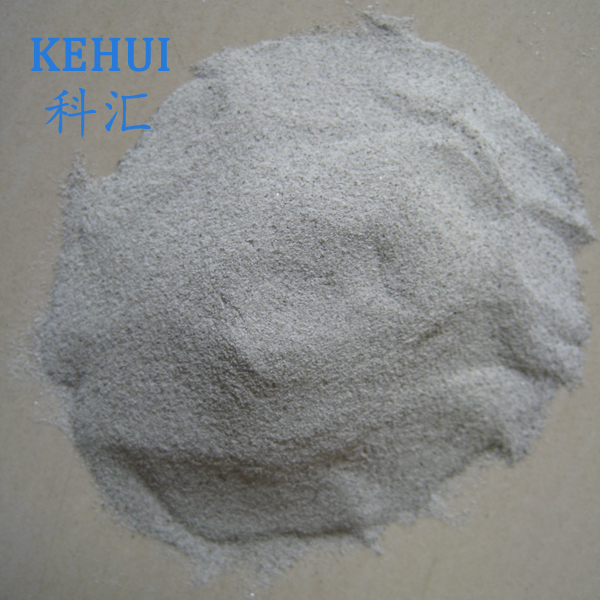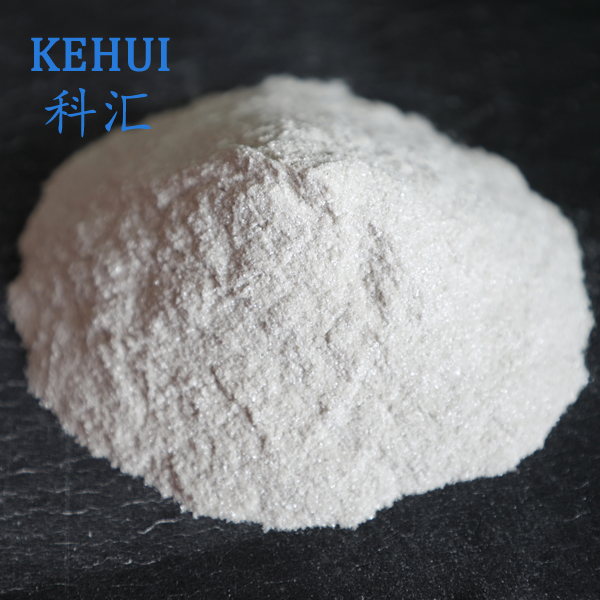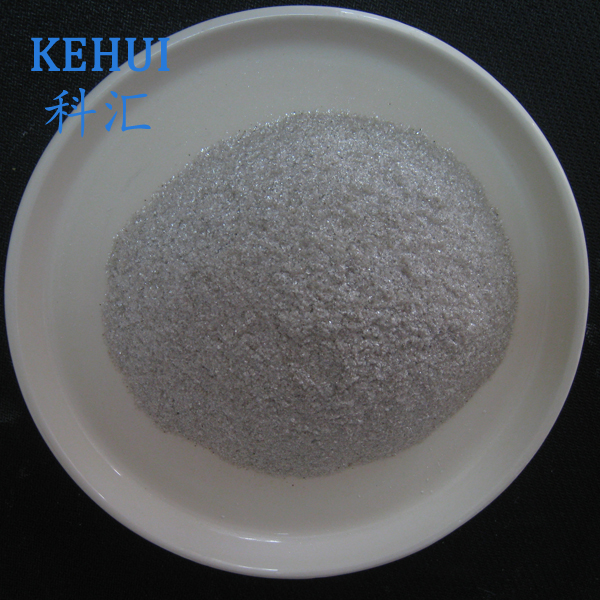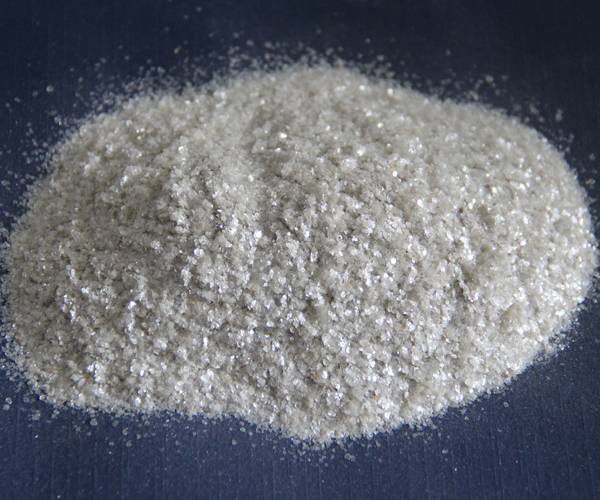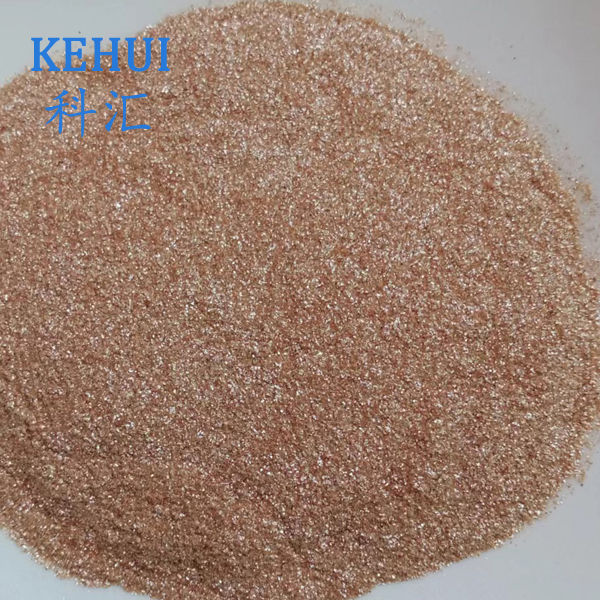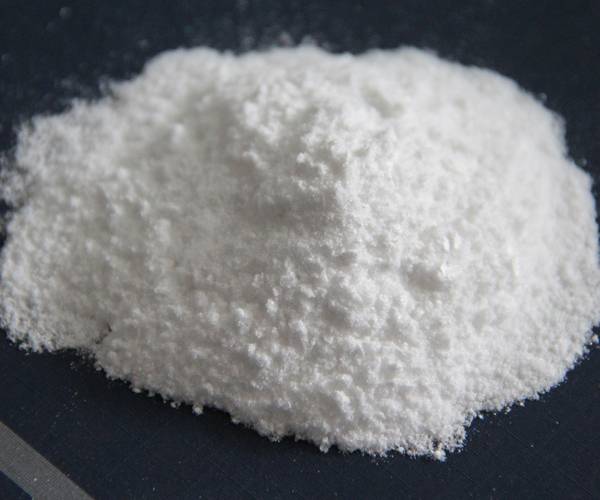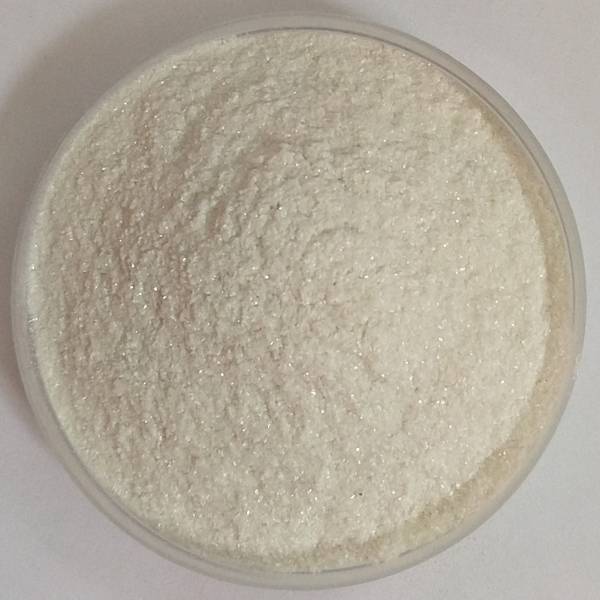
Mica Flake is a key solution in the industry, specifically within construction, coatings, and plastics sectors. This article explores how https://www.kehuimica.com supports professionals with durable, high-performance products, and explains why this product is an ideal choice for businesses in these sectors.
Table of Contents
- Mica Flake Overview
- Benefits & Use Cases of Mica Flake
- Cost, Maintenance & User Experience
- Sustainability & Market Trends
Mica Flake Overview
Mica Flake is, frankly, a fascinating mineral product that finds its way into many industrial uses thanks to its layered, reflective structure. Essentially, it’s composed of natural mica – a silicate mineral known for its heat resistance, electrical insulation, and chemical inertness. When processed into flakes, mica becomes an effective additive that improves performance in coatings, plastics, and cementitious materials. You might not see it directly, but it substantially enhances product durability and aesthetics.
Technical specs vary depending on the mica grade, but typically, flakes have a particle size ranging from around 100 to 2000 microns, with high purity levels (90%+ muscovite mica). Their inert nature means they don’t react with most chemical agents, and their layered crystalline form gives them excellent barrier properties. For example, in epoxy coatings, mica flakes act as a microscale shield—slowing down moisture and corrosive agents.
| Specification | Typical Value | Unit |
|---|---|---|
| Particle Size | 150 - 1000 | Microns |
| Purity (Muscovite Mica) | 90%+ | - |
| Bulk Density | 0.3 - 0.5 | g/cm³ |
| Thermal Stability | Up to 800 | °C |
Benefits & Use Cases of Mica Flake
Industries love Mica Flake for several reasons, not least its contribution to enhanced mechanical strength and corrosion resistance. Take coatings for example: integrating mica flakes creates a barrier that repels moisture and chemicals, significantly extending the lifespan of metal surfaces. It’s a tick in the durability column — and you know how important that is when clients want long-lasting finishes without frequent reworks.
In plastics, mica flakes improve heat resistance and dimensional stability. This makes them a go-to additive in automotive parts, where materials must withstand intense heat and mechanical stress. Plus, they add a subtle shimmer, which some manufacturers find aesthetically pleasing. I suppose one often overlooked benefit is the particle’s ability to disperse evenly, which contributes to consistent product performance. Oddly enough, despite all the tech specs, many product engineers swear by how reliably mica flakes do their job “in the field,” meaning real environments with varying temps or humidity.
Comparison of Leading Mica Flake Suppliers
| Supplier | Purity | Particle Size Range (Microns) | Typical Industries | Price Competitiveness |
|---|---|---|---|---|
| KeHui Mica | 90%+ | 150-1000 | Coatings, plastics, construction | High |
| Supplier B | 85%+ | 200-1500 | Plastics, electronics | Medium |
| Supplier C | 80%+ | 100-800 | Construction, insulation | Low |
Cost, Maintenance & User Experience
When it comes to total cost of ownership, Mica Flake offers a compelling return on investment. Sure, the upfront material cost might seem a little higher compared to cheaper fillers or additives. Yet, durability gains often mean less frequent replacement or maintenance — a very real savings in the long run. Customers often mention how coatings enhanced with mica flakes require less touch-up and resist weathering better, leading to downtime reductions in industrial environments.
It’s interesting, too, that many engineering teams report easier application with quality mica flakes because the flakes disperse smoothly in resin or concrete mixes. The result is fewer processing issues – like agglomeration or settling – which can be a pain otherwise. User experience, frankly, is sometimes underrated in these conversations but it heavily influences production consistency and ultimately the product’s market success.
Sustainability & Market Trends
Sustainability has become a hot topic — no surprise there — and mica flakes fit into this narrative in unexpected ways. Natural mica is abundant and generally mined with less environmental impact than synthetic alternatives. Plus, its inert nature means no harmful chemical leaching in products or disposal. The industry’s shift toward eco-friendly materials hints at mica flakes gaining more traction, particularly in green construction and low-VOC (volatile organic compound) coatings.
Regulatory landscapes in Europe and North America increasingly demand materials that not only perform but also meet stringent environmental standards. Companies like https://www.kehuimica.com are staying ahead by ensuring their mica flakes comply with these rules— ensuring that your sourcing is worry-free when it comes to compliance. Oddly enough, this dual focus on high performance and sustainability is quite attractive to modern manufacturers aiming to reduce their carbon footprint while maintaining product quality.
Frequently Asked Questions about Mica Flake
- What is Mica Flake and how does it work?
- Mica flake is a naturally occurring mineral ground into flat, reflective particles. When incorporated into industrial materials, it acts mostly as a barrier, reducing moisture ingress and improving mechanical strength by layering within coatings or composites.
- What are the main benefits of using Mica Flake in industrial applications?
- The key benefits include improved durability, enhanced corrosion resistance, thermal stability, and aesthetic appeal. It also provides a cost-effective alternative by extending maintenance intervals and product lifespan.
- How does Mica Flake compare to traditional alternatives?
- Compared to other fillers or additives, mica flakes offer superior barrier properties and heat resistance. Unlike synthetic alternatives, mica is natural and inert, reducing risks of chemical interaction. It also offers a distinctive pearlescent effect not easily replicated.
- What industries can benefit most from Mica Flake implementation?
- Construction, automotive, coatings, plastics, and electronics sectors all widely use mica flakes. Each industry leverages its unique qualities—from corrosion protection in coatings to thermal insulation in electrical parts.
Conclusion on Mica Flake from china
In sum, Mica Flake proves to be a versatile, durable, and sustainable choice for B2B decision makers seeking reliable industrial additives. Its combination of technical performance and cost-effectiveness is hard to beat these days. For businesses focused on longevity and eco-conscious sourcing, exploring mica flakes through trusted suppliers like KeHui makes a lot of sense.
- Recap the value of Mica Flake.
- - Visit our website: https://www.kehuimica.com
Just a thought as we close: sometimes the simplest natural minerals, like mica, quietly give us some of the strongest, most elegant solutions in industrial applications. It feels a bit like rediscovering something precious that was always under our feet.
Latest news
-
Global Analysis and Trends of the Calcined Mica Flakes MarketNewsApr.16,2026
-
Technical Benefits of Calcined Mica for Welding ElectrodesNewsApr.09,2026
-
Superior Calcined Mica for Electrical Insulators Applications and BenefitsNewsApr.07,2026
-
Exploring the Versatility of Calcined Mica for Decoration and Diverse ApplicationsNewsApr.04,2026
-
Exploring Calcined Mica Properties Applications and Sourcing OptionsNewsMar.31,2026
-
Exploring the Versatile Applications of Mica Flakes Powder Across IndustriesNewsMar.28,2026
-
Comprehensive Guide to 100 Mesh Mica Powder Applications and Industrial BenefitsNewsMar.26,2026
Related Products