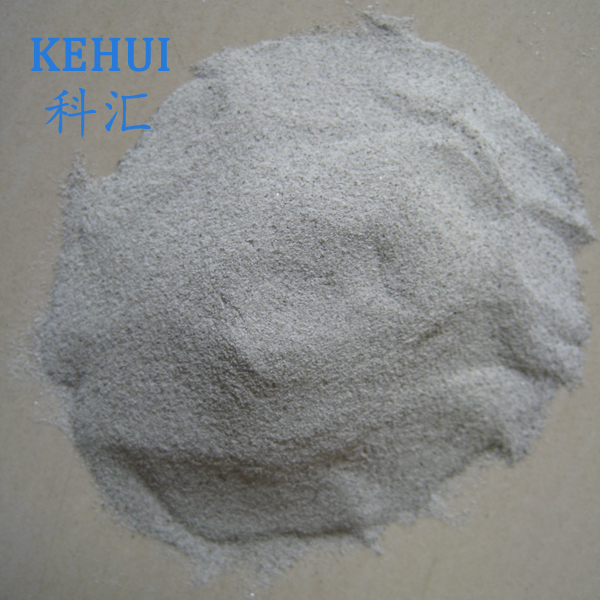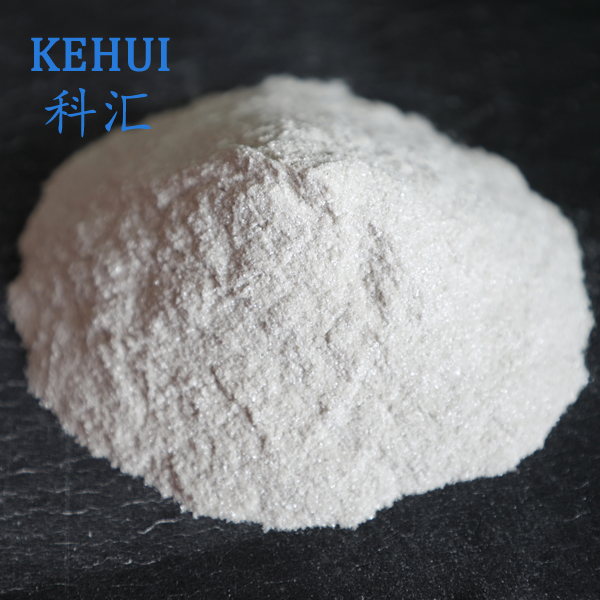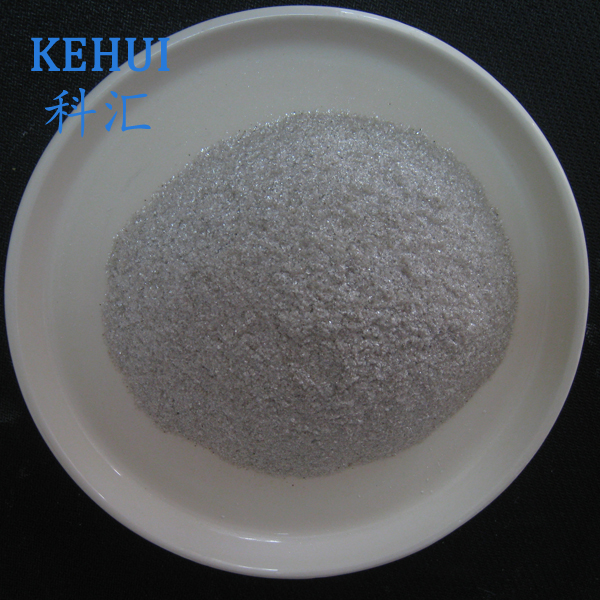
Mica Flakes for Concrete: A Durable Industrial Additive
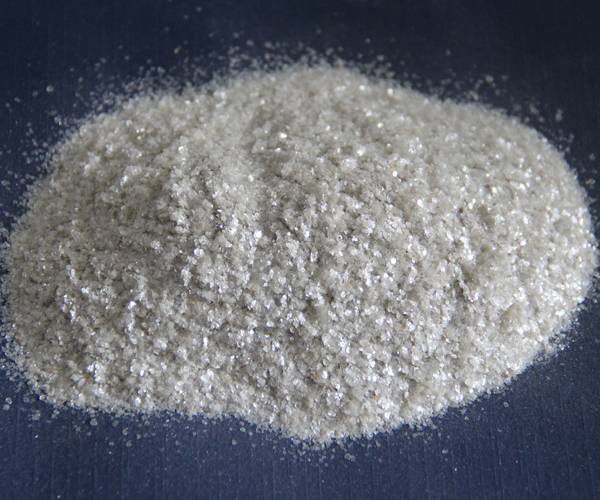
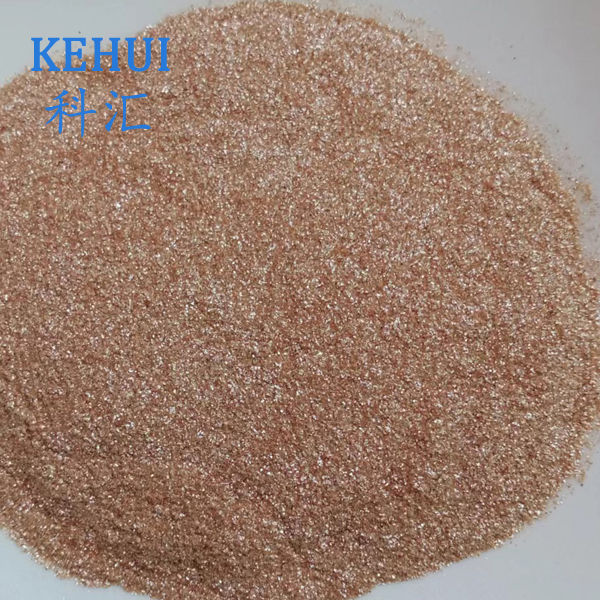
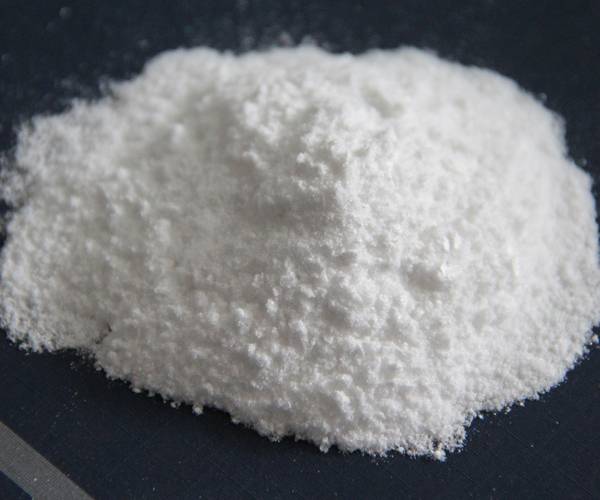
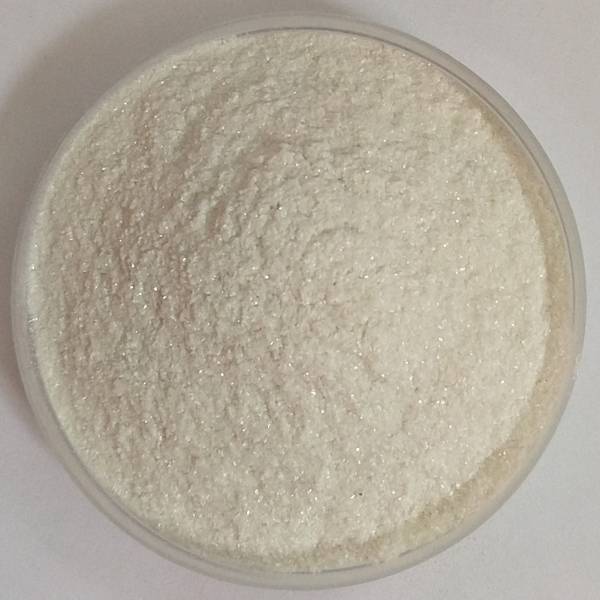
Having worked around industrial materials for more than a decade, I can tell you that mica flakes for concrete aren’t quite the everyday topic you hear at watercoolers, but they’re quietly crucial. For anyone involved in construction or heavy-duty flooring, these tiny mineral flakes can improve concrete in ways that often fly under the radar.
Oddly enough, mica’s natural layered structure, which comes from crystalline silicate minerals, makes it a brilliant additive. It’s flaky, shiny, and remarkably heat and chemical resistant. When added to concrete mixes, it can enhance properties like durability, waterproofing, and resistance to corrosion. I first noticed the difference on a commercial pavements project where the mica-infused concrete was far less prone to cracking after heavy seasonal freeze-thaw cycles.
You might think all mica flakes are the same, but in real terms, their properties depend on parameters such as size, purity, and origin. Many engineers say the particle size distribution impacts the final texture and strength — finer flakes typically give better surface uniformity, while coarser ones improve mechanical bonding.
| Property | Value / Range | Unit |
|---|---|---|
| Particle Size Distribution | 50–300 | Microns |
| Purity (Muscovite content) | >90% | % |
| Moisture Content | % | |
| Bulk Density | 0.6–0.8 | g/cm³ |
| pH Value (Suspension) | 6–8 |
From what I’ve seen on-site, mica’s resistance to weathering makes it especially prized in outdoor concrete installations — think bridge decks, retaining walls, or industrial flooring subjected to chemicals or heavy wear. It’s not only about the surface polish or aesthetic, although mica flakes do lend a pleasing shimmer. The real game-changer is in moisture resistance and crack reduction. When concrete shrinks, mica helps reduce internal stress.
Choosing a good vendor is equally important. Not all mica flakes perform equally, and quality assurance varies widely — a factor I’ve grappled with in past procurement roles. Here’s a quick comparison I’ve found useful:
| Vendor | Purity (%) | Particle Size Range (μm) | Price ($/ton) | Special Notes |
|---|---|---|---|---|
| Kehui Mica | >90 | 50–300 | 550 | Certified low moisture & consistent quality |
| Global Mica Inc. | 85–90 | 40–250 | 520 | Lower price but variable purity |
| MineralsPlus | >92 | 30–280 | 600 | Premium grade, higher cost |
One project I recall clearly involved a client who switched from a lower-grade mica supplier to Kehui Mica. The improved consistency cut down defects in the finished concrete by about 20%, which frankly made their quality assurance team breathe easier.
Customization is another thing I’ve seen gaining traction. Some manufacturers now offer mica flakes tailored precisely for particular concrete admixture requirements, e.g., specific flake sizes or moisture controls to boost mix workability. This kind of flexibility speaks directly to modern construction’s demand for high performance and reliability.
So, next time you handle heavy concrete, don’t overlook the small but mighty mica flakes. They feel humble but have a big impact, kind of like the unsung heroes behind the scenes. If you want to dive deeper, checking out specialized suppliers — especially those reputed for quality control — is a good first step. And, in my experience, mica flakes for concrete from reliable vendors truly deliver measurable benefits.
In short: small flakes, big strength.
- Industry Reports on Mineral Additives for Concrete, 2022
- Construction Materials Handbook, 8th Edition, 2021
- Field Notes from Industrial Floor Installations, Various Projects
Latest news
-
Technical Benefits of Calcined Mica for Welding ElectrodesNewsApr.09,2026
-
Superior Calcined Mica for Electrical Insulators Applications and BenefitsNewsApr.07,2026
-
Exploring the Versatility of Calcined Mica for Decoration and Diverse ApplicationsNewsApr.04,2026
-
Exploring Calcined Mica Properties Applications and Sourcing OptionsNewsMar.31,2026
-
Exploring the Versatile Applications of Mica Flakes Powder Across IndustriesNewsMar.28,2026
-
Synthetic Mica Flakes- Kehui Mica Co.|Heat-Resistant, High WhitenessNewsMar.27,2026
-
Synthetic Mica Flakes- Kehui Mica Co.|Heat-Resistant, High WhitenessNewsMar.27,2026
Related Products