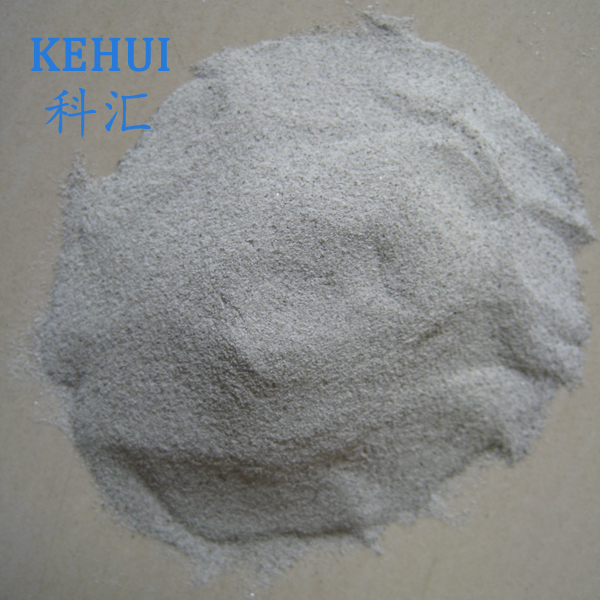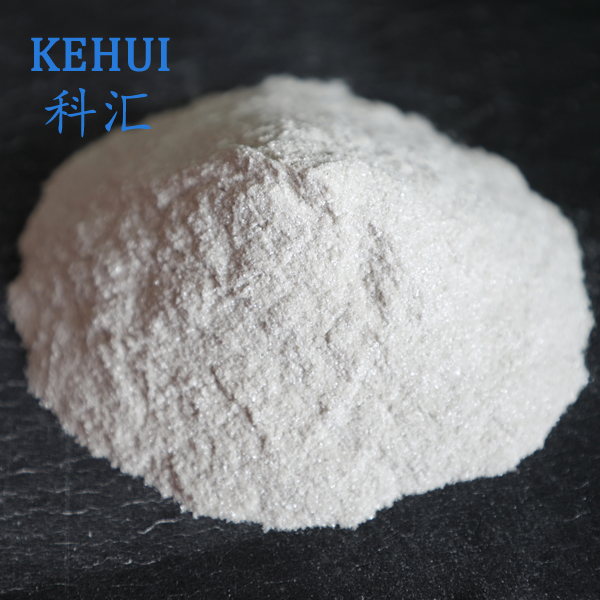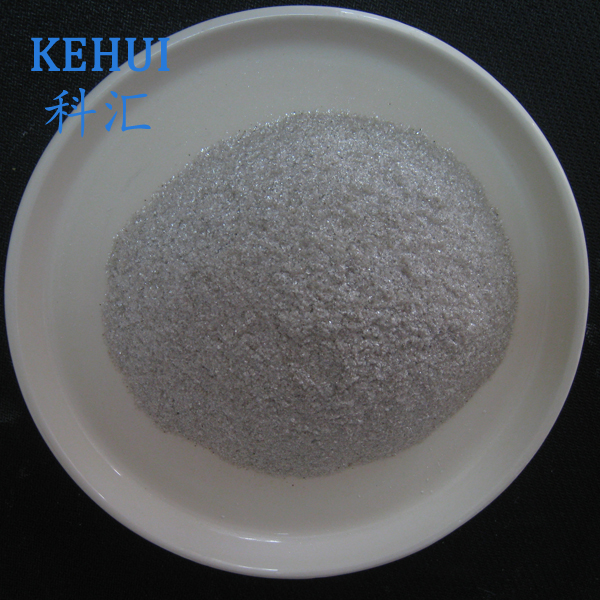
Jan . 06, 2026 06:50
Back to list
Mica Flakes for Epoxy – Industrial-Grade Materials for Durable Coatings
Mica Flakes for Epoxy: Why They Still Matter in Industrial Applications
You know, working in the industrial equipment sector for over a decade, I’ve seen materials come and go—some buzzworthy, some quietly reliable. Mica flakes for epoxy, though—that’s a component that sticks around. Frankly, it feels like a staple rather than a passing trend. The unique properties mica brings to epoxy systems often get overlooked outside specialist circles, but those of us who deal with coatings, sealants, and composites appreciate its value deeply.
In real terms, mica flakes are not just inert fillers; they enhance the mechanical strength, thermal stability, and chemical resistance of epoxy coatings. This is critical when the final product needs to endure harsh environments or mechanical stress. I recall a project where conventional fillers just wouldn’t cut it for an outdoor electrical insulator; switching to high-grade mica flakes made all the difference in durability and UV resistance.
Many engineers I’ve spoken to highlight how mica’s laminar structure acts as a barrier against moisture and gases, which is a game-changer for epoxy floors, protective coatings, or even potting compounds in electronics. Of course, the quality of mica flakes varies, and that can influence adhesion and overall performance.
Let’s look at a typical mica flakes for epoxy product specification to get a clearer sense. This table summarizes relevant technical details you’d want to consider before selecting a supplier:
| Parameter | Typical Value | Unit |
|---|---|---|
| Particle Size Distribution | 10–50 | microns |
| Moisture Content | ≤0.5 | % |
| Bulk Density | 250–300 | kg/m³ |
| Chemical Composition | KAl₂(AlSi₃O₁₀)(OH)₂ | – |
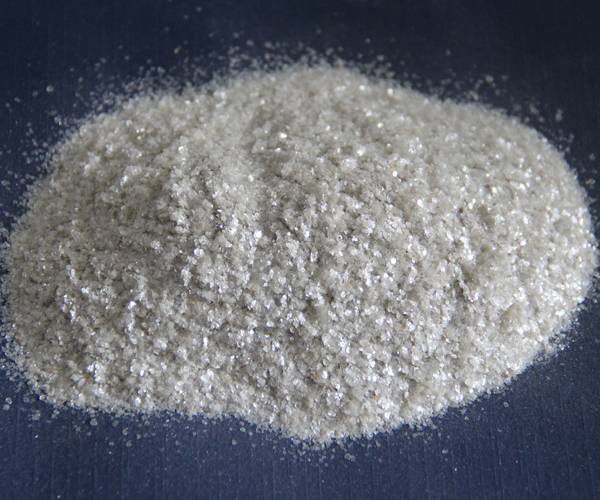
| Color | Silvery white | – |
Now, there’s a bit of an art and science to sourcing mica flakes. Reliability comes from both consistent particle size and low impurities, which affect epoxy curing and adhesion. I remember a case where a local supplier’s flakes introduced contamination, leading to uneven curing in a batch of epoxy encapsulants – it was a headache to diagnose.
That’s why comparing vendors is critical, and grabbing samples early on can save time and money. Here’s a quick snapshot of how three well-known mica flake suppliers stack up based on my observations and market feedback:
| Feature | Supplier A | Supplier B | Supplier C |
|---|---|---|---|
| Particle Size Consistency | High | Medium | High |
| Purity & Impurities | >98% | ~95% | >97% |
| Moisture Level | <0.5% | 1% | <0.7% |
| Lead Time (weeks) | 2–3 | 1–2 | 3–4 |
| Price Level | $$$ | $$ | $$$ |
Oddly enough, often the cheaper option isn’t the best in performance, especially for long-term corrosion resistance or mechanical integrity. It’s kind of like buying cheap nails vs. quality ones: they both look similar at first, but one will hold up under pressure, and the other might fail unexpectedly.
Customization is another growing trend. I’ve noticed suppliers beginning to offer tailored mica flakes—altering flake size, surface treatments, or purity levels to suit specific epoxy formulations. This flexibility can create better compatibility, fewer defects, and ultimately a more robust cured product.
Before I wrap up, a quick story. One of my longtime clients switched to mica flakes sourced from Kehuimica, mainly for their low moisture specs and consistent size distribution. Their epoxy coatings exhibited improved drying times and reduced cracking, which, oddly enough, improved installation speed and lowered defects on the job site. Those small improvements matter—sometimes, a lot.
So, mica flakes for epoxy remain a fascinating, practical choice in industrial-grade materials. Choosing the right mica supplier really boils down to testing, trust, and understanding your epoxy system intimately.
Keep an eye on quality rather than price; it’s tempting but often counterproductive in the long run.
Takeaway: Quality mica flakes aren’t just filler—they are key to durable, high-performance epoxy applications.
- “Mica Reinforcement in Epoxy Composites”, Journal of Industrial Materials, 2021.
- “Effects of Particle Size on Epoxy Curing,” Materials Science Review, 2019.
- Kehuimica Product Datasheets and User Feedback, 2023.
Latest news
-
Technical Benefits of Calcined Mica for Welding ElectrodesNewsApr.09,2026
-
Superior Calcined Mica for Electrical Insulators Applications and BenefitsNewsApr.07,2026
-
Exploring the Versatility of Calcined Mica for Decoration and Diverse ApplicationsNewsApr.04,2026
-
Exploring Calcined Mica Properties Applications and Sourcing OptionsNewsMar.31,2026
-
Exploring the Versatile Applications of Mica Flakes Powder Across IndustriesNewsMar.28,2026
-
Synthetic Mica Flakes- Kehui Mica Co.|Heat-Resistant, High WhitenessNewsMar.27,2026
-
Synthetic Mica Flakes- Kehui Mica Co.|Heat-Resistant, High WhitenessNewsMar.27,2026
Related Products