Jan . 06, 2026 00:45
Back to list
Reliable Mica Flake Factory Insights | KeHui Mica Quality & Customization
Inside the World of a mica flake factory: What You Should Know
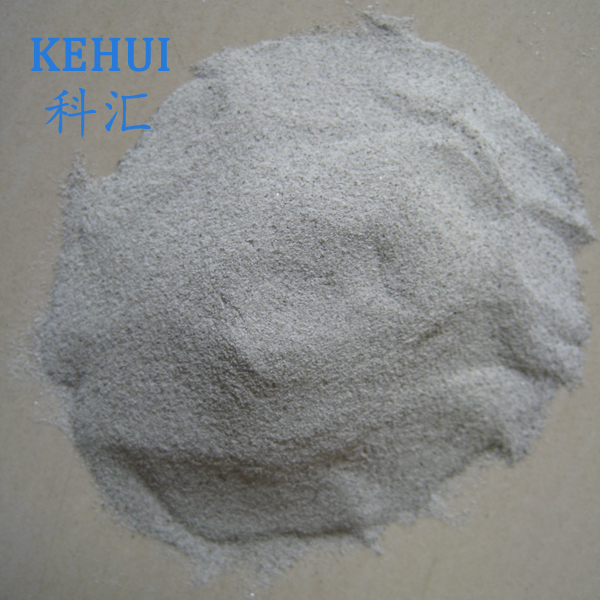
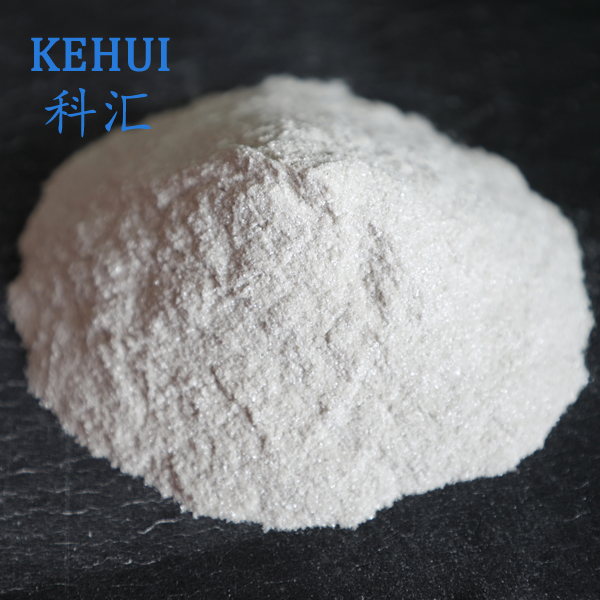
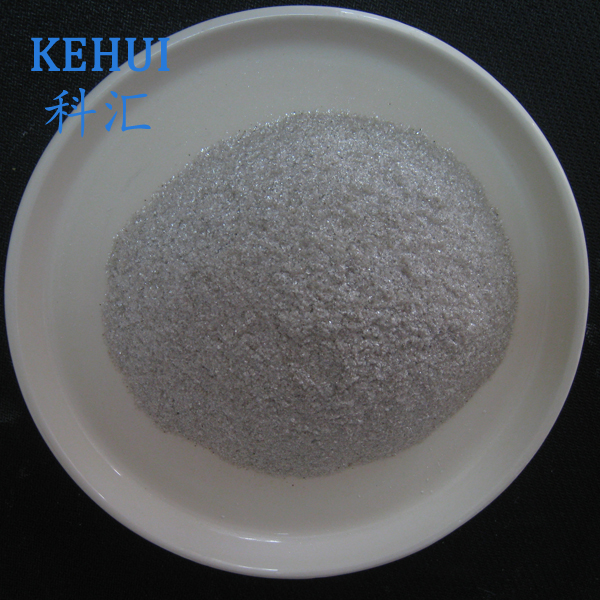
Having spent quite some years walking the floors of industrial equipment setups and mineral processing plants, there's something almost hypnotic about mica flakes. They look simple—thin layers, almost feather-light—but their role in manufacturing and insulation product lines is anything but mundane. When I first encountered mica flakes, honestly, I didn’t expect such a versatile little mineral to underpin so many high-temp and electrical applications. If you’re curious about what goes into making these flakes and why quality matters, I’d say stick around.
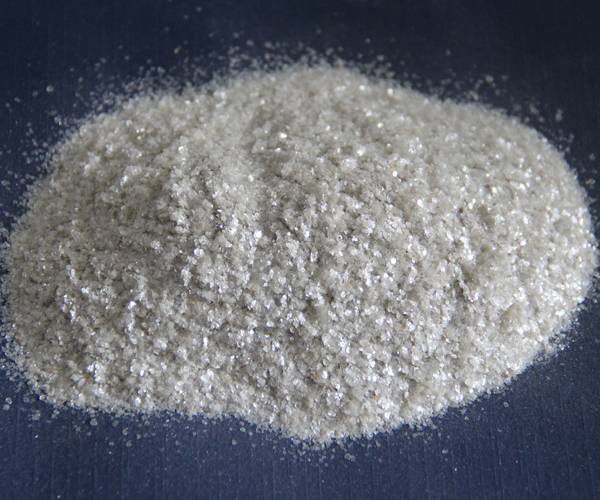
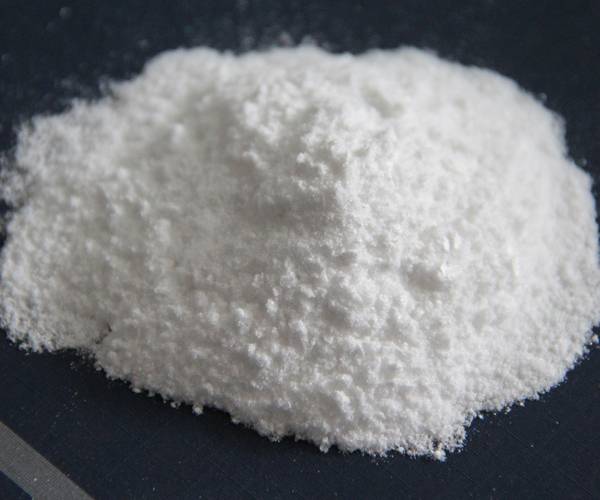
So, starting off with the basics: mica flakes come from mica minerals that are carefully exfoliated into thin plates. In real terms, these flakes have to keep a flair of flexibility yet maintain heat resistance and electrical insulation properties. That balance, oddly enough, isn’t always easy to achieve and depends heavily on the manufacturing process—which is why choosing the right mica flake factory makes a big difference.
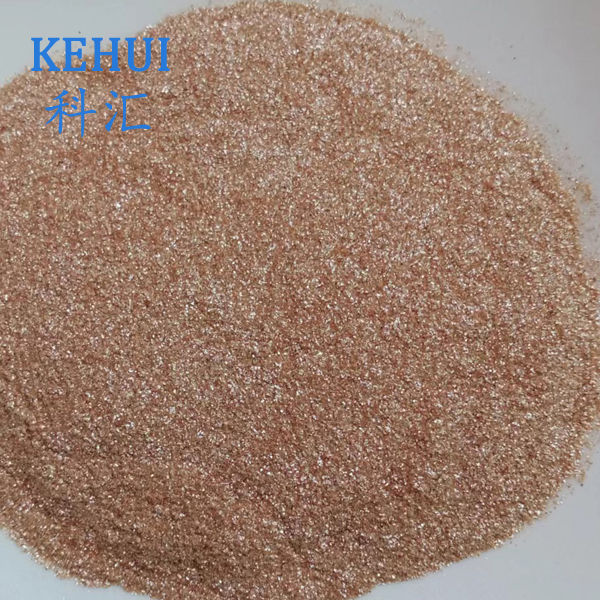
At KeHui Mica Factory, for example, they focus on the purity of raw muscovite mica, and their product line often impresses engineers who demand consistent layers and minimal contamination. You see, contamination or uneven flakes can cause headaches in downstream processes, from electrical insulation to paint additives.
| Parameter | Range / Value |
|---|---|
| Flake Size | 0.1 - 5 mm |
| Thickness | 10 - 50 microns |
| Purity (Muscovite) | > 95% |
| Moisture Content | |
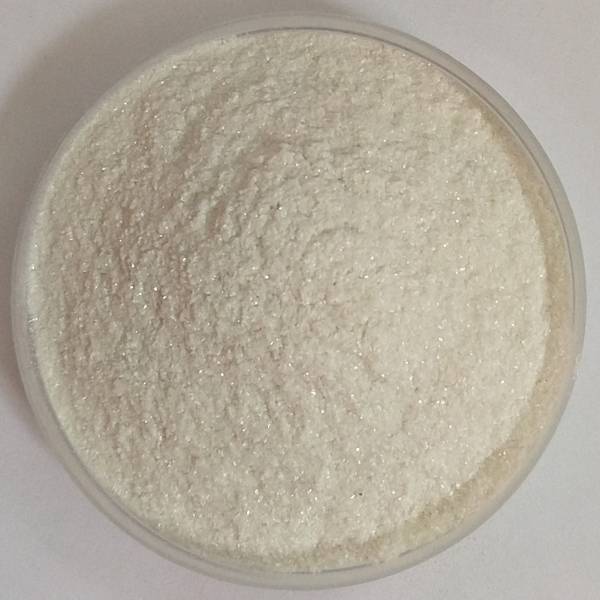
| Color | Silvery to Ivory |
Now, I should mention that not all mica flake factories are created equal. Some emphasize volume and speed, which can sacrifice flake integrity, while others prioritize rigorous quality checks—even employing in-house labs for continuous testing. One firm I dealt with recently, for instance, wouldn’t release batches without passing strict electrical resistance measurements and microscopic examinations for flake uniformity. Frankly, that level of accountability won me over; I noticed downstream assembly was remarkably smooth, and end products remained reliable under thermal stress.
Speaking of variations, manufacturers also customize flakes to suit client specs: thickness tweaks, sizing ranges, even surface treatment for improved adhesion in composite materials. Many engineers I've chatted with swear by these tailored flakes, especially in advanced electronics and flame-retardant coatings.
| Vendor | Product Purity | Customization Options | Testing Facilities | Lead Time |
|---|---|---|---|---|
| KeHui Mica | > 95% | High | In-house Lab | 2-4 weeks |
| Vendor B | 90-92% | Medium | Third-Party | 3-5 weeks |
| Vendor C | 88-90% | Low | None | 1-3 weeks |
One story that sticks in my mind involves a manufacturer specializing in high-voltage capacitors. They switched suppliers to KeHui because their mica flakes were just that much more consistent in thickness, helping reduce product failure rates by roughly 15%. It’s pretty wild how small changes in flake quality translate directly to operational stability and customer trust.
Of course, there’s more to mica flake manufacturing than raw specs and vendor comparisons. The environmental side, for example, is becoming a hot topic. Some newer factories are adopting greener mining and processing techniques, aiming to shrink their carbon footprint. It’s worth checking with your supplier on that if sustainability is part of your procurement criteria.
So, if you’re sourcing mica flakes for insulation, pigments, or composites, I’d say: have a look at detailed product specs, insist on testing transparency, and choose a factory that can customize flakes to your application. It really pays off in the long haul.
At the end of the day, mica flakes might be just tiny mineral plates, but the difference between good and great flakes? That’s where product performance and reliability get made.
Enjoying the details? It turns out, even little flakes hold big stories.
References:
- Industrial Mica Application Handbook, 2022 Edition
- KeHui Mica Product Data Sheets, 2023
- Mineral Processing Journal - Quality Control in Mica Flake Production, 2021
Latest news
-
Technical Benefits of Calcined Mica for Welding ElectrodesNewsApr.09,2026
-
Superior Calcined Mica for Electrical Insulators Applications and BenefitsNewsApr.07,2026
-
Exploring the Versatility of Calcined Mica for Decoration and Diverse ApplicationsNewsApr.04,2026
-
Exploring Calcined Mica Properties Applications and Sourcing OptionsNewsMar.31,2026
-
Exploring the Versatile Applications of Mica Flakes Powder Across IndustriesNewsMar.28,2026
-
Synthetic Mica Flakes- Kehui Mica Co.|Heat-Resistant, High WhitenessNewsMar.27,2026
-
Synthetic Mica Flakes- Kehui Mica Co.|Heat-Resistant, High WhitenessNewsMar.27,2026
Related Products