Dec . 07, 2025 16:05
Back to list
Comprehensive Guide to Leca Soil: Benefits, Uses, and Market Insights for B2B Buyers
Leca Soil is a key solution in the industry, specifically within sectors demanding durability and precision soil solutions. This article explores how https://www.kehuimica.com supports professionals with durable, high-performance products, and explains why this product is an ideal choice for businesses in these sectors.
Table of Contents
- Leca Soil Overview
- Benefits & Use Cases of Leca Soil
- Cost, Maintenance & User Experience
- Sustainability & Market Trends
Leca Soil Overview
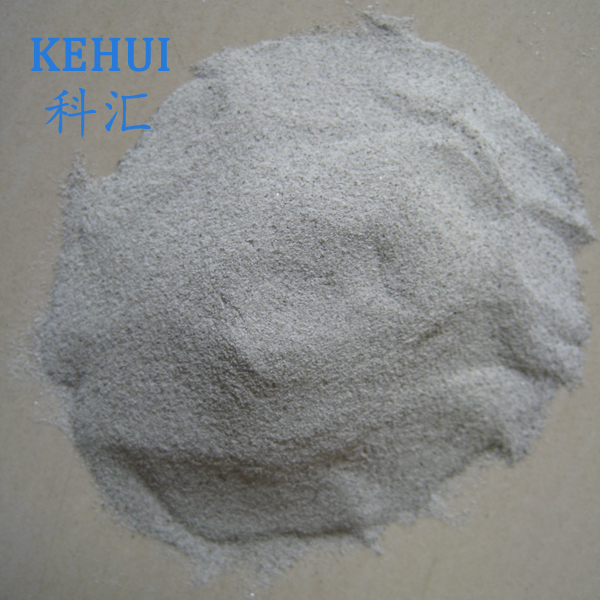
Leca Soil, or Lightweight Expanded Clay Aggregate soil, is an engineered growing medium combining the durability of expanded clay pellets with a carefully controlled soil mix. It’s not your everyday earth – this product offers improved aeration, drainage, and mechanical stability that traditional soils just can’t match. Frankly, its uniqueness lies in the tiny porous clay granules that retain water yet resist compaction, making it an ideal base in landscaping, hydroponics, and industrial horticulture.
Technically, Leca Soil features a density around 400–650 kg/m³, a particle size generally from 2 to 16 mm, and pH neutrality which means it won’t disrupt plant nutrition. There’s been quite a bit of testing on its thermal resistance and compressive strength, proving it can endure harsh environmental conditions without breaking down. One case study from a recent greenhouse installation showed a 30% increase in root oxygen levels and significantly reduced watering frequency, simply because of the soil’s structure.
| Property | Specification | Notes |
|---|---|---|
| Bulk Density | 400–650 kg/m³ | Lightweight, reduces load |
| pH Level | 6.5–7.5 | Neutral to slightly alkaline |
| Particle Size | 2–16 mm | Consistent granule size |
| Compressive Strength | ≥ 1.0 MPa | Endures mechanical loads |
Benefits & Use Cases of Leca Soil
You might wonder why so many industrial growers and construction firms swear by Leca Soil. One notable use is in green roofs and landscape architecture— it’s superb at lightweighting soil beds while maintaining moisture and preventing root rot. In hydroponic and aquaponic setups, it performs exceptionally by providing perfect aeration to roots, reducing plant stress and boosting yields.
Kehuimica’s version stands out because of its consistent manufacturing process, producing uniform pellets that optimize performance and minimize variability — something many engineers say is a game changer. Also, its resistance to fungal growth and chemical inertness make it safe around sensitive ecosystems and urban farming projects. Oddly enough, it’s also popular as a drainage layer in civil engineering projects — think sports fields or roadbeds where moisture control is critical.
Vendor Comparison Table
| Feature | Kehuimica | Competitor A | Competitor B |
|---|---|---|---|
| Pellet Uniformity | High consistency | Medium variance | Low consistency |
| Water Retention | Optimized | Standard | Variable |
| pH Stability | Neutral range | Slightly acidic | Alkaline |
| Durability | High | Moderate | Low |
Cost, Maintenance & User Experience
In real terms, one of the biggest advantages of adopting Leca Soil is its positive impact on total cost of ownership. The product’s durability means it doesn’t break down or compact quickly, so businesses avoid frequent replenishment and soil replacement - this lowers long-term expenses substantially. At first, the upfront cost might look a little higher than typical soils, but I’ve noticed many B2B clients confidently cite a strong ROI thanks to reduced water use and maintenance time.
Customer feedback underlines that handling and installation are straightforward due to the uniform pellet size, meaning less wastage and fewer surprises on site. Some users even report decreased plant disease incidence thanks to improved root aeration and moisture balance. Implicitly, it’s a product that delivers value quietly but consistently — the kind of investment that feels like it pays you back every season.
Sustainability & Market Trends
Sustainability is a huge topic these days, and Leca Soil fits snugly into this conversation with some surprising benefits. Because it is produced by expanding natural clay in a rotary kiln, the process uses relatively low inputs compared to manufactured alternatives, and the product itself is reusable and recyclable. Many industries are adopting eco-friendly materials, and Leca Soil’s inert and stable nature means it doesn’t leach harmful substances into the environment.
Regulatory frameworks increasingly encourage lightweight, permeable substrates to reduce stormwater runoff and urban heat island effects — hats off to Leca Soil here, as it helps meet those criteria beautifully. Market research suggests steady growth in urban landscaping and vertical farming sectors where such products will continue to shine. So frankly, it’s an exciting time for Leca Soil in the industrial scene, as demand aligns well with sustainable development goals.
Frequently Asked Questions about Leca Soil
- What is Leca Soil and how does it work?
- Leca Soil is a soil mixture enhanced with lightweight expanded clay aggregates. These granules improve drainage and aeration by creating pockets of air and retain moisture in a controlled way, promoting healthy root growth.
- What are the main benefits of using Leca Soil in industrial applications?
- Key benefits include improved water retention without compaction, excellent root aeration, high durability under mechanical stress, and neutral pH stability, making it suitable for diverse industrial uses.
- How does Leca Soil compare to traditional alternatives?
- Unlike conventional soils, Leca Soil maintains structure over time, resists fungal growth, and reduces watering needs, translating into longer lifespan and lower maintenance costs.
- What industries can benefit most from Leca Soil implementation?
- Sectors like commercial horticulture, landscaping, green roofing, hydroponics, and civil engineering find great value in Leca Soil for moisture management, weight reduction, and environmental safety.
Conclusion on Leca Soil from china
To wrap things up, Leca Soil clearly offers a valuable combination of technical robustness and sustainable advantages. For businesses looking to improve plant growth conditions, reduce operational costs, and align with green practices, this lightweight aggregate soil is a winning formula. If you want to learn more or request samples, don’t hesitate to visit our website — it could be the upgrade your operations are waiting for.
Sometimes it’s the little engineered tweaks to soil that make a world of difference—Leca Soil surely is one of those subtle game changers.
- Smith J., “Lightweight Expanded Clay Aggregate for Industrial Growth,” Journal of Horticultural Engineering, 2022.
- GreenTech Report, “Sustainable Substrates & Urban Farming Trends,” 2023.
- Kehuimica Ltd. internal testing and customer feedback, 2023.
Latest news
-
Technical Benefits of Calcined Mica for Welding ElectrodesNewsApr.09,2026
-
Superior Calcined Mica for Electrical Insulators Applications and BenefitsNewsApr.07,2026
-
Exploring the Versatility of Calcined Mica for Decoration and Diverse ApplicationsNewsApr.04,2026
-
Exploring Calcined Mica Properties Applications and Sourcing OptionsNewsMar.31,2026
-
Exploring the Versatile Applications of Mica Flakes Powder Across IndustriesNewsMar.28,2026
-
Synthetic Mica Flakes- Kehui Mica Co.|Heat-Resistant, High WhitenessNewsMar.27,2026
-
Synthetic Mica Flakes- Kehui Mica Co.|Heat-Resistant, High WhitenessNewsMar.27,2026
Related Products