Dec . 07, 2025 14:46
Back to list
Leca Pebbles – Lightweight Expanded Clay Aggregate for Industrial Excellence
Leca Pebbles is a key solution in the industry, specifically within construction, horticulture, and water treatment sectors. This article explores how https://www.kehuimica.com supports professionals with durable, high-performance products, and explains why this product is an ideal choice for businesses in these sectors.
Table of Contents
- Leca Pebbles Overview
- Benefits & Use Cases of Leca Pebbles
- Cost, Maintenance & User Experience
- Sustainability & Market Trends
Leca Pebbles Overview
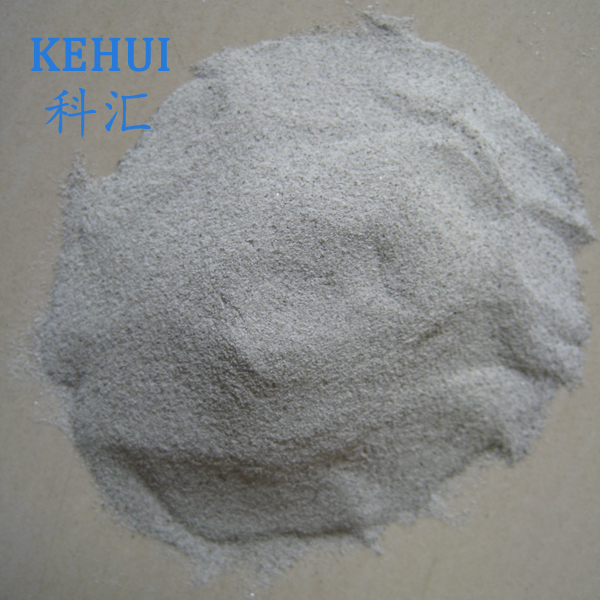
At its core, Leca Pebbles are lightweight expanded clay aggregate particles, beloved in both industrial and construction circles for their remarkable durability combined with surprisingly low weight. Essentially, these are small, porous pebbles made by heating clay to around 1200°C, causing it to expand and form tiny air pockets inside. This process gives them excellent insulation and drainage properties. It’s not just theory; various case studies, including those from large-scale green roofs and hydroponic systems, illustrate their long-term resilience and effectiveness in environments demanding both strength and air circulation.
- Lightweight cellular structure offering superior drainage and insulation compared to traditional aggregates.
- Dimension range typically spans 4 to 20 mm, tailored to various industrial applications.
| Specification | Detail |
|---|---|
| Bulk Density | Approximately 350-450 kg/m³ |
| Particle Size | 4 - 20 mm (customizable) |
| Compressive Strength | > 4 MPa |
| Thermal Conductivity | 0.09 - 0.12 W/mK |
| pH Value | 7 ± 1 (neutral) |
Benefits & Use Cases of Leca Pebbles
What really sets Leca Pebbles apart? Frankly, their versatility is mind-blowing. In civil engineering, they serve as lightweight backfill material, dramatically reducing structural load without compromising stability. Hydroponics and urban agriculture love them for water retention and oxygenation—sort of a happy medium for roots that need moisture without drowning. Oddly enough, they’re even gaining traction in wastewater treatment plants for biological filtration media, thanks to their high porosity and inert nature.
- Highly resistant to chemical attack, making them ideal for harsh industrial environments.
- Thermal insulation properties help reduce energy costs when used in roofing or flooring.
- Lightweight nature reduces transportation and installation expenses.
Cost, Maintenance & User Experience
Purchasing Leca Pebbles might seem costlier at first glance than traditional aggregates, but in real terms, the total cost of ownership tends to lean in their favor. Durability means replacements are less frequent; you won’t need to worry about compaction or decay over time, especially in drainage layers. Many engineers I've spoken to noted the quick installation speeds make onsite labor less intensive, which indirectly saves money. Maintenance? Practically minimal. These pebbles resist mold and don’t chemically degrade — so they keep on performing for years.
- Strong ROI due to lifespan and energy savings in insulation applications.
- Client testimonials highlight reduced water wastage and improved plant health in agriculture setups.
Sustainability & Market Trends
Sustainability is not just a buzzword here—it’s a credential. Leca Pebbles use naturally abundant clay, which is expanded with energy-efficient kiln processes that have steadily improved. The product’s inertness allows it to be fully recyclable or reused without environmental risk. With tightening regulations on waste management and water recycling, sectors using Leca Pebbles are well positioned for growth. Interestingly, the urban green roof market, which relies heavily on lightweight growing media, has shown double-digit annual increases globally, with Leca Pebbles as a staple ingredient.
| Vendor | Quality Grade | Price Range (per ton) | Availability |
|---|---|---|---|
| Kehuimica | Premium | $120 - $150 | Global, steady supply |
| Competitor A | Mid-Grade | $90 - $110 | Local, limited batches |
| Competitor B | Standard | $70 - $90 | Seasonal, variable stock |
Frequently Asked Questions about Leca Pebbles
- What is Leca Pebbles and how does it work?
- Leca Pebbles are lightweight expanded clay particles that trap air in their porous structure. This makes them excellent for insulation, drainage, and lightweight filling. The heating process creates a tough, inert pebble that resists weathering.
- What are the main benefits of using Leca Pebbles in industrial applications?
- The benefits include low density, high compressive strength, and chemical resistance. These lead to cost savings in transport and installation, plus energy savings when used for thermal insulation.
- How does Leca Pebbles compare to traditional alternatives?
- Compared to gravel or slag, Leca Pebbles are lighter, better insulators, and retain structural integrity over time. They don’t compact easily, which provides more consistent drainage and aeration.
- What industries can benefit most from Leca Pebbles implementation?
- Primary industries include green construction, hydroponics, water treatment, and lightweight concrete manufacturing. Success stories abound in green roof installations and industrial drainage systems worldwide.
Conclusion on Leca Pebbles from china
In summary, Leca Pebbles represent an invaluable asset for businesses requiring lightweight, durable, and sustainable aggregate solutions. Their multifunctionality crosses several industries, providing enhanced performance and strong returns on investment. If you’re exploring reliable materials that align with modern sustainability practices and robust technical demands, this product is worth a look.
- Recap the value of Leca Pebbles.
- - Visit our website: https://www.kehuimica.com
It feels like Leca Pebbles are quietly becoming the backbone of smart, sustainable industrial materials. Worth keeping an eye on!
Latest news
-
Technical Benefits of Calcined Mica for Welding ElectrodesNewsApr.09,2026
-
Superior Calcined Mica for Electrical Insulators Applications and BenefitsNewsApr.07,2026
-
Exploring the Versatility of Calcined Mica for Decoration and Diverse ApplicationsNewsApr.04,2026
-
Exploring Calcined Mica Properties Applications and Sourcing OptionsNewsMar.31,2026
-
Exploring the Versatile Applications of Mica Flakes Powder Across IndustriesNewsMar.28,2026
-
Synthetic Mica Flakes- Kehui Mica Co.|Heat-Resistant, High WhitenessNewsMar.27,2026
-
Synthetic Mica Flakes- Kehui Mica Co.|Heat-Resistant, High WhitenessNewsMar.27,2026
Related Products