Understanding leca clay: The Industrial Lightweight Solution
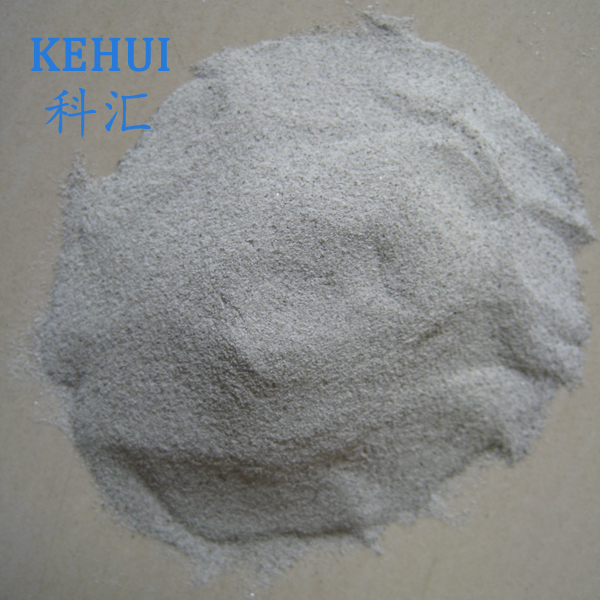
Working in the industrial equipment sector for quite a few years now, I’ve had my fair share of seeing various materials come and go. But leca clay — or lightweight expanded clay aggregate — is one of those materials that never really loses its charm. It’s odd, really, how something so simple, basically just little fired clay pellets, ends up having such a wide reach and practical impact.
One of the reasons why many engineers, myself included, keep turning to leca clay is its combination of strength and lightness. Unlike many other aggregates, it’s porous yet durable. That porosity not only helps in reducing weight but also means better insulation properties — a handy feature if you’re dealing with building materials or insulation layers in industrial machinery.
Frankly, the production process is fascinating. Leca clay starts life as natural clay, which is then heated at extremely high temperatures in rotary kilns. This firing process causes the clay to expand, creating tiny voids inside each pellet. What you get is a material that’s significantly lighter than traditional aggregate but still holds up under pressure and stress.
I've noticed on several projects how the material's resistance to aggressive chemicals and its stability at high temperatures can be a real asset. For example, one client manufactured filtration systems that needed lightweight, corrosion-resistant support media. Leca clay fit the bill perfectly — it’s chemically inert and doesn’t degrade easily, even after extended exposure to acidic or alkaline environments.
Product Specifications of Leca Clay
| Specification | Typical Value | Units |
|---|---|---|
| Bulk Density | 430 - 610 | kg/m³ |
| Particle Size | 4 - 16 | mm |
| Compressive Strength | 5 - 9 | MPa |
| Water Absorption | 15 - 25 | % |
| Thermal Conductivity | 0.10 - 0.15 | W/m·K |
Customization options are another interesting angle. Because leca clay’s production parameters can be tweaked — like firing temperature and clay composition — it’s possible to adjust pellet strength, density, or size to match specific industrial requirements. Oddly enough, this adaptability means it’s not just a standard product but a versatile one that can fit niche markets as well.
Comparing Leading Leca Clay Vendors
| Vendor | Product Range | Typical Density (kg/m³) | Global Availability | Special Features |
|---|---|---|---|---|
| Kehuimica | 4-20 mm pellets, customized grades | 430 - 610 | Asia, Europe | Chemical inertness, low thermal conductivity |
| Leca International | 2-25 mm pellets | 400 - 700 | Europe, North America | Wide size variation, recognized certification |
| Litat | 4-16 mm pellets | 450 - 650 | Europe | Eco-certified products, consistent quality |
From my experience talking to various project managers, leca clay’s environmental benefits often make it their go-to choice. It’s made from natural clay — no nasty additives — and the energy used in firing is offset by the material’s lifespan and recyclability. Plus, its use in green roofing and sustainable construction has taken off in recent years, which frankly feels like the right direction for industry and environment alike.
In real terms, if you’re sourcing for construction, filtration, or horticultural media, leca clay often provides a balance of performance and cost-efficiency that’s hard to beat. I remember a client praising how switching to leca clay pellets in their lightweight concrete mix cut down overall weight by nearly 20%, while maintaining break strength — that kind of win is tangible and appreciated across teams.
One thing to keep in mind, though: like any specialized aggregate, sourcing from reliable vendors is key. Quality can vary, and without proper testing or certification, you might get inconsistent material— frustrating on tight timelines. That’s why I always point folks toward trusted suppliers like Kehuimica who back their products with clear specs and production transparency.
To wrap it up, leca clay is one of those industrial materials where simplicity meets smart engineering. It’s not flashy, but it gets the job done in ways that often exceed expectations. And frankly, I’m always a bit relieved to see it pop up in projects — reliable, dependable, and quietly brilliant.
— Joe M., Industrial Materials Specialist
References:
1. Kehuimica Product Brochure, 2023
2. “Lightweight Expanded Clay Aggregate in Construction,” Journal of Materials Engineering, 2021
3. Personal interviews with industrial project managers, 2022-2023
Latest news
-
Technical Benefits of Calcined Mica for Welding ElectrodesNewsApr.09,2026
-
Superior Calcined Mica for Electrical Insulators Applications and BenefitsNewsApr.07,2026
-
Exploring the Versatility of Calcined Mica for Decoration and Diverse ApplicationsNewsApr.04,2026
-
Exploring Calcined Mica Properties Applications and Sourcing OptionsNewsMar.31,2026
-
Exploring the Versatile Applications of Mica Flakes Powder Across IndustriesNewsMar.28,2026
-
Synthetic Mica Flakes- Kehui Mica Co.|Heat-Resistant, High WhitenessNewsMar.27,2026
-
Synthetic Mica Flakes- Kehui Mica Co.|Heat-Resistant, High WhitenessNewsMar.27,2026
Related Products