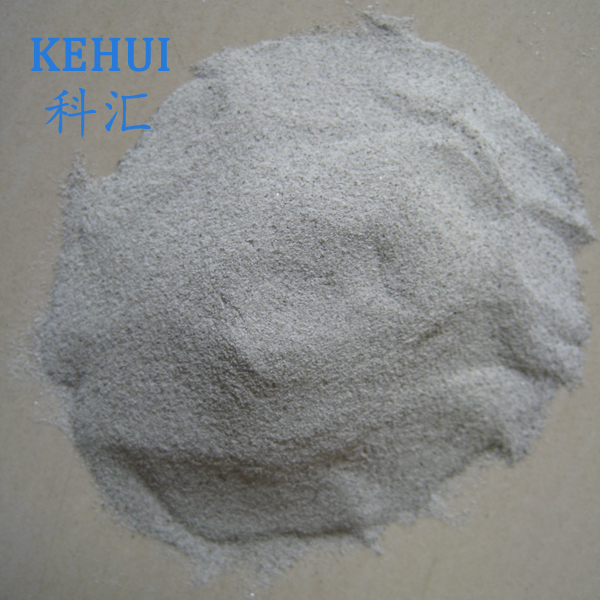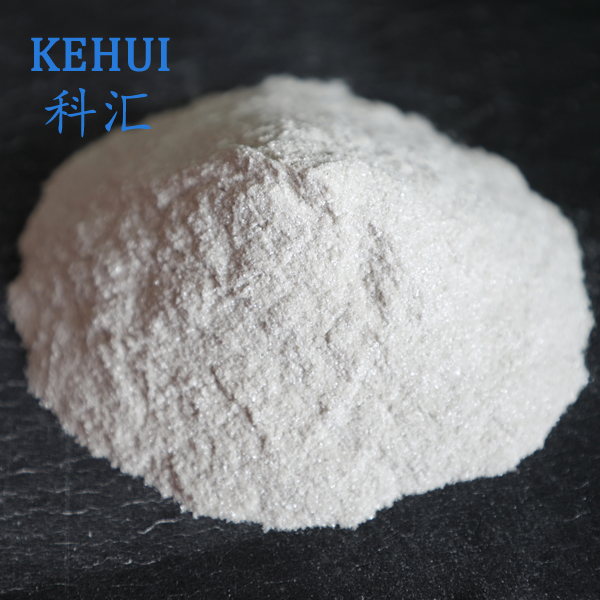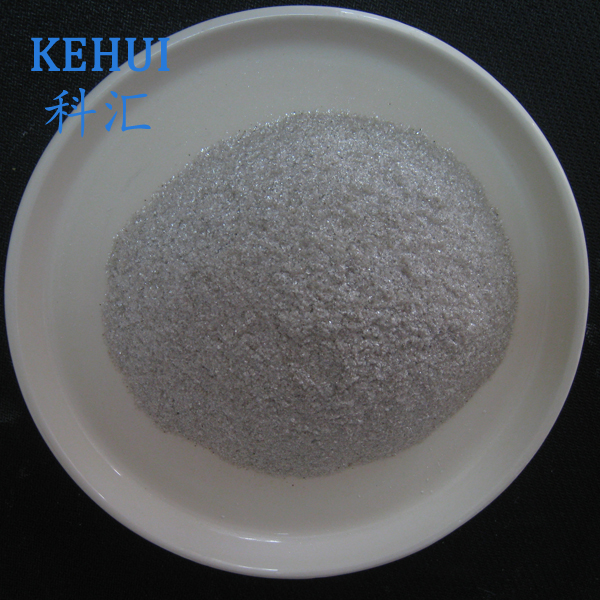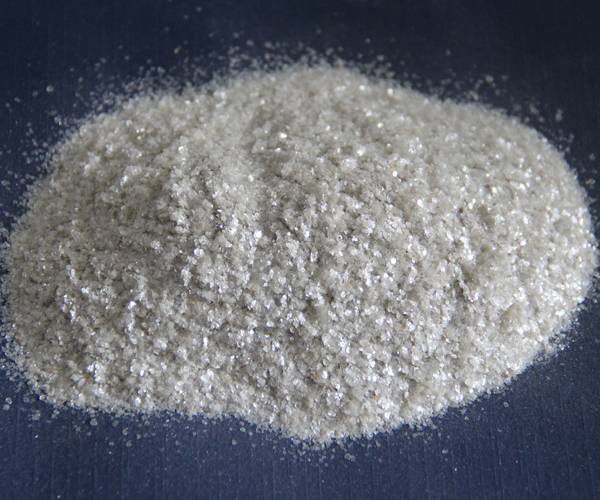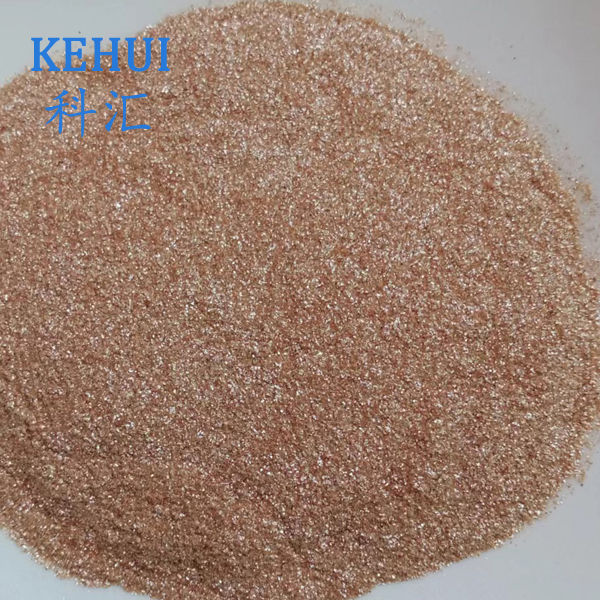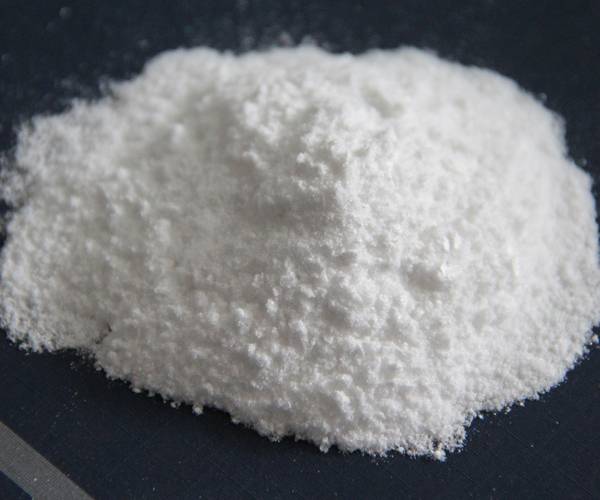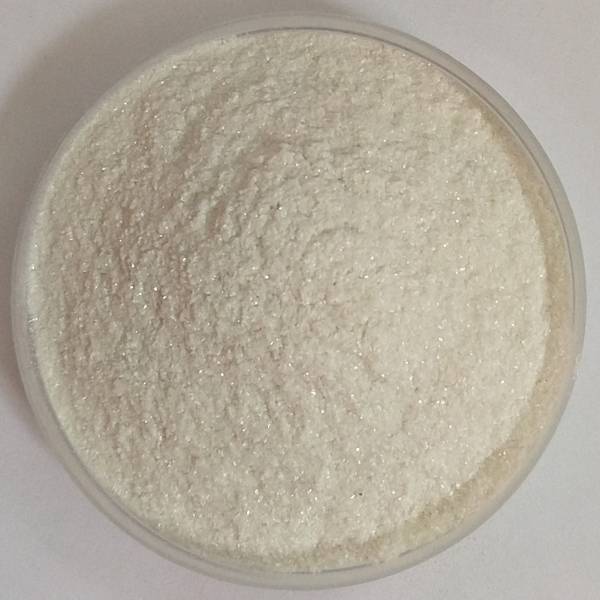
In the mica family, Mica Moscovite has become a highly representative member in nature due to its unique mineral properties and extensive application value. This sheet-like crystalline aluminosilicate mineral occupies an irreplaceable position in the fields of industry and scientific research due to its colorless and transparent appearance when pure and excellent physical and chemical properties.
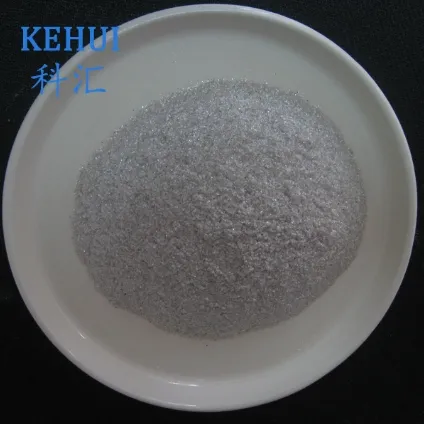
The mineral characteristics of Mica Moscovite have distinct identifications
Mica muscovite mineral crystals are often in the form of pseudo hexagonal plates or flakes, and aggregates are often in the form of scales or leaves. The cleavage surface is smooth and elastic, and can be easily peeled off into extremely thin sheets with a fingernail, even up to the micrometer level. In terms of optical properties, Mica Moscovite has a glass luster to pearl luster, transparency varies with thickness, and can clearly transmit light in a thin sheet state. Compared with other types of mica, Mica Moscovite has a higher potassium content, which makes it particularly outstanding in terms of insulation performance.
Mica Moscovite's physical and chemical properties are outstanding
The insulation performance of muscovite mica is unparalleled at room temperature, with a resistivity of up to 10 ¹⁴ -10 ¹⁵Ω· cm, and remains stable over a wide temperature range. Even when heated to around 500 ℃, the insulation performance is almost unaffected. At the same time, it has excellent heat resistance and corrosion resistance, and exhibits strong resistance to most chemical reagents except hydrofluoric acid and concentrated alkali. In addition, Mica Moscovite has moderate mechanical strength, elastic thin sheets, and is not easily broken, which makes it suitable for a variety of complex environments.
In practical applications, the value of Mica Moscovite is fully demonstrated
In the electronics industry, define muscovite mica is the core material for manufacturing capacitors and electronic tube insulation sheets, ensuring stable operation of electronic components with high insulation properties; In the field of electrical equipment, it is often processed into insulation gaskets and heat-resistant partitions for insulation protection of equipment such as motors and transformers. In the field of scientific research, ultra-thin Mica Moscovite sheets have become ideal carriers for optical experiments and material research due to their good transparency and smooth surface. Even in traditional craftsmanship, polished Mica Moscovite sheets have been used as window materials, combining transparency and insulation functions.
With the development of material processing technology, the application boundaries of Mica Moscovite continue to expand
Nano scale muscovite white mica powder can be added to plastics and coatings to enhance their mechanical strength and corrosion resistance; In the field of new energy, its insulation and heat resistance characteristics provide new ideas for the safety protection of battery components.
In summary, Mica Moscovite has become a highly valuable member of the mica family due to its unique layered crystal structure, excellent insulation properties, and wide applicability. From industrial production to scientific research, it has always supported the development of various fields with stable and reliable performance. In the future, with the deepening of research on its characteristics, Mica Moscovite will surely shine in more emerging fields and continue to write the practical value of nature's gifts.
Mica Moscovite FAQs
What is Mica Moscovite in mica?
Mica Moscovite is a common type of mineral in the mica group, belonging to layered silicate minerals with a chemical composition of KAl ₂ (AlSi ∝ O ₁₀) (OH) ₂. It has excellent cleavage and flexibility, and appears as colorless or light colored transparent flakes. Due to its high temperature resistance and strong insulation properties, it is widely used in the industrial field.
What are the main physical properties of Mica Moscovite?
Mica Moscovite has high elasticity and can be peeled off into extremely thin transparent sheets. Its Mohs hardness is between 2.5-3 and its density is about 2.8 g/cm ³. It is resistant to high temperatures, with a melting point close to 1300 ° C, and has excellent electrical insulation properties, making it an important material in the electronics and electrical industries.
What are the main industrial uses of Mica Moscovite?
Mica Moscovite is often used as an insulation material in electrical equipment, such as capacitors, motors, and transformers, due to its insulation and heat resistance. In addition, it is also used to manufacture high-temperature windows, coating additives, and pearl pigments in cosmetics, enhancing the luster and texture of products.
What is the difference between Mica Moscovite and other mica minerals?
Mica Moscovite belongs to the mica family along with biotite and phlogopite, but its chemical composition is different. Black mica contains more iron and magnesium, and its color is darker; Gold mica is rich in magnesium and appears golden to brown in color; Mica Moscovite contains potassium aluminum, usually colorless or light colored, with more outstanding insulation performance and higher industrial value.
How to distinguish the authenticity of natural Mica Moscovite?
Natural Mica Moscovite tablets are soft and easy to layer, and can be peeled off into extremely thin elastic sheets with a needle. Fake mica may be made of plastic or synthetic materials, lack natural cleavage properties, and have an odor when burned. In addition, the true Mica Moscovite exhibits typical interference colors under a polarizing microscope, which can be further confirmed through professional testing.
Dernières nouvelles
-
Global Analysis and Trends of the Calcined Mica Flakes MarketNouvellesApr.16,2026
-
Technical Benefits of Calcined Mica for Welding ElectrodesNouvellesApr.09,2026
-
Superior Calcined Mica for Electrical Insulators Applications and BenefitsNouvellesApr.07,2026
-
Exploring the Versatility of Calcined Mica for Decoration and Diverse ApplicationsNouvellesApr.04,2026
-
Exploring Calcined Mica Properties Applications and Sourcing OptionsNouvellesMar.31,2026
-
Exploring the Versatile Applications of Mica Flakes Powder Across IndustriesNouvellesMar.28,2026
-
Comprehensive Guide to 100 Mesh Mica Powder Applications and Industrial BenefitsNouvellesMar.26,2026
Produits connexes