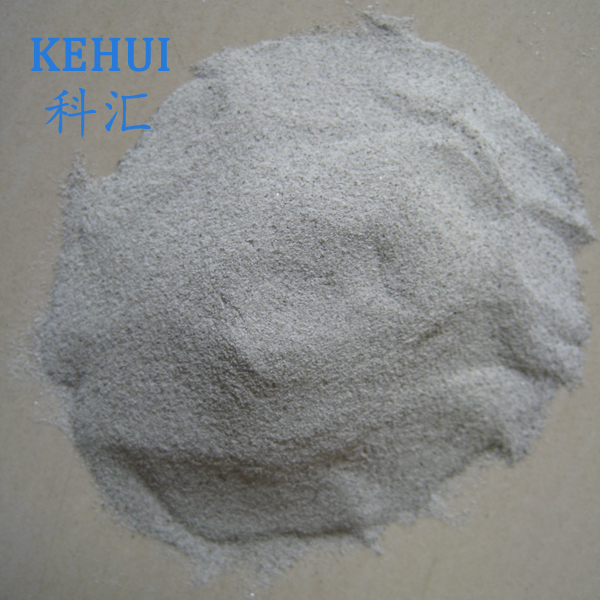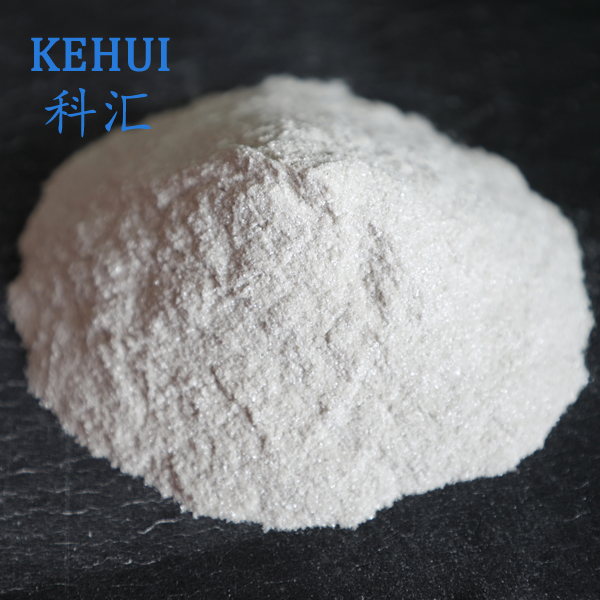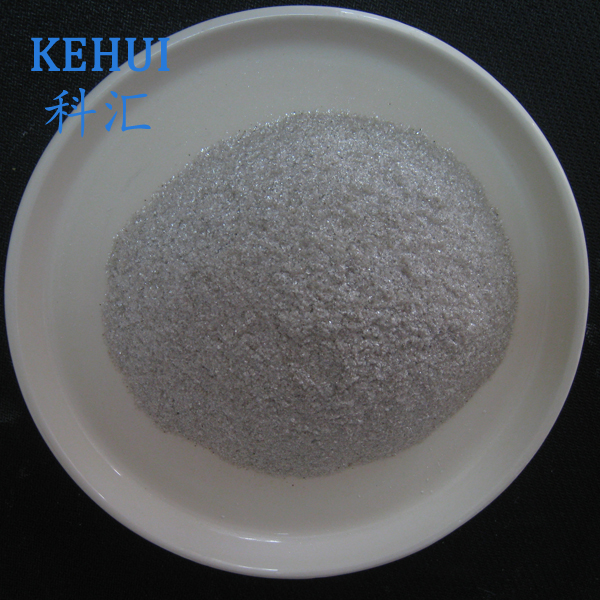
The Ultimate Guide to Calcined Mica for Welding Electrodes
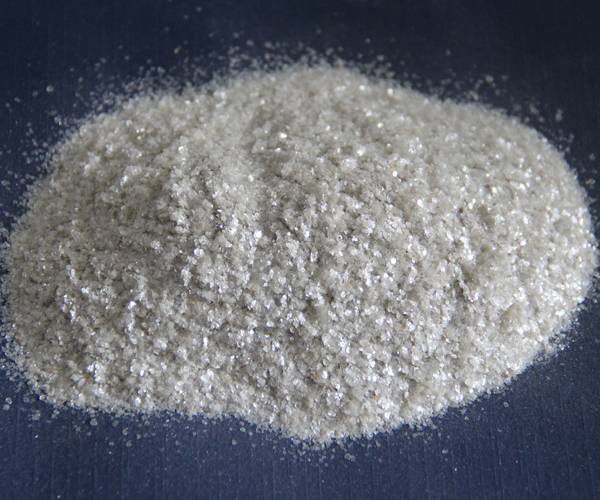
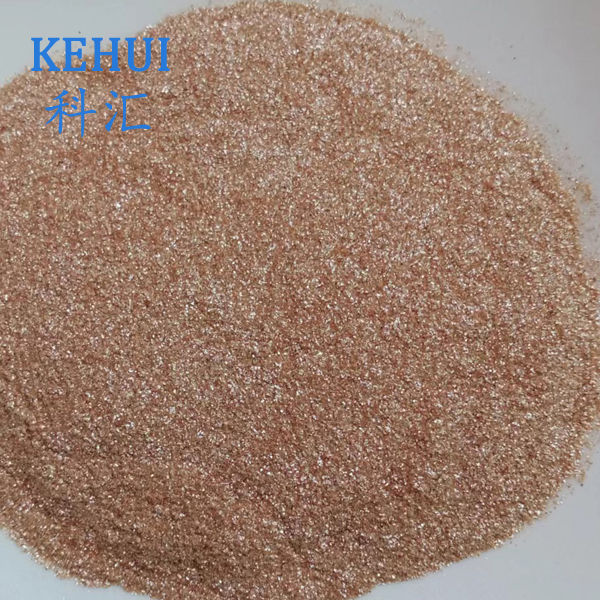
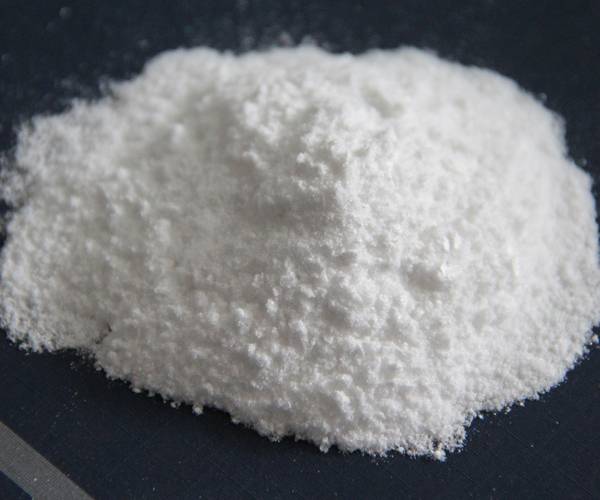
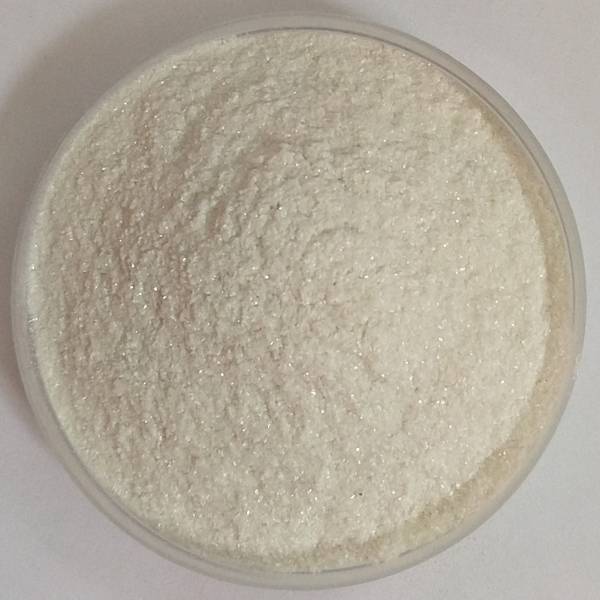
In the demanding world of industrial welding, the quality of the electrode coating is what separates a flawless weld from a structural failure. One of the most critical components in this process is calcined mica for welding electrodes, a specialized mineral additive that enhances the stability and performance of the arc. By undergoing a precise calcination process, mica is transformed into a high-temperature resistant powder that prevents coating cracking and improves slag detachability. Whether you are a manufacturer or a procurement specialist, understanding the technical advantages of calcined mica is essential for optimizing welding efficiency and weld integrity.
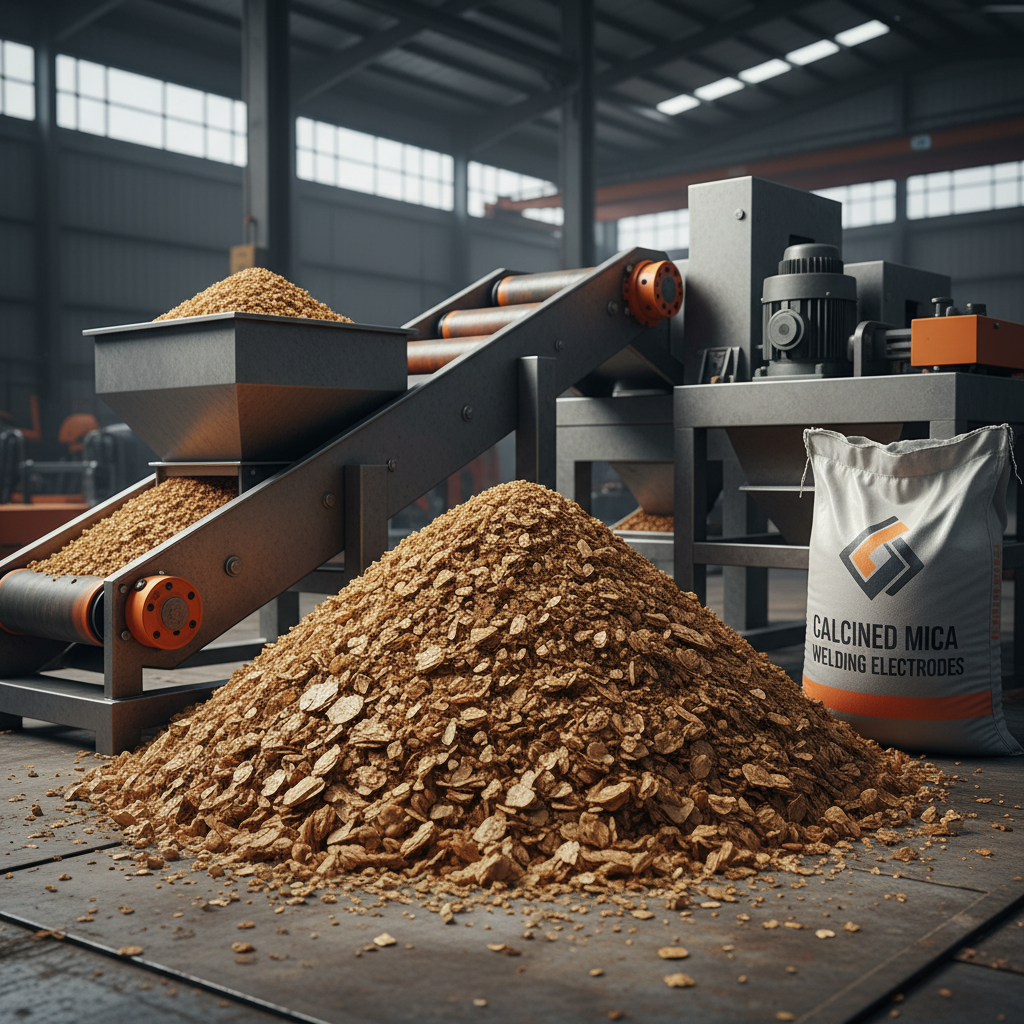
The Role of Calcined Mica in Electrode Coatings
The primary function of calcined mica for welding electrodes is to act as a stabilizing agent within the flux coating. During the welding process, the coating must withstand extreme thermal shocks. Calcined mica provides an excellent thermal expansion coefficient, which reduces the internal stress of the coating as it dries and as it burns during the arc. This prevents the "flaking" or "peeling" of the coating, ensuring that the electrode remains fully protected throughout its use. Furthermore, it helps in controlling the viscosity of the molten slag, allowing for a smoother bead and easier post-weld cleaning.
Pro Tip: High-purity calcined mica reduces the presence of impurities like iron oxides, which significantly lowers the risk of porosity in the final weld joint.
Technical Advantages of Using Calcined Mica for Welding Electrodes
When comparing raw mica to calcined mica, the difference in performance is stark. The calcination process removes volatile organic compounds and chemically bound water, which would otherwise cause gas bubbles and voids in the weld. The use of calcined mica for welding electrodes ensures a consistent arc stability, which is crucial for maintaining a constant penetration depth and reducing spatter. This consistency leads to higher productivity and less time spent on grinding and rework.
Key Benefits of Calcination:
• Increased Thermal Stability: Resists decomposition at extreme temperatures.
• Improved Flowability: Enhances the mixing process of the flux powder.
• Reduced Moisture Absorption: Extends the shelf life of the finished electrode.
• Better Slag Detachability: Creates a more brittle slag that peels away easily.
Comparing Calcined Mica vs. Raw Mica in Welding
To understand why professionals insist on calcined mica for welding electrodes, one must look at the structural differences. Raw mica contains hydroxyl groups that decompose violently when heated, leading to "blowholes" in the weld bead. Calcined mica, having already undergone this thermal decomposition, provides a stable, inert environment for the molten metal. This results in a weld with superior mechanical properties and a more aesthetic finish.
Industrial Applications and Suitability
The use of calcined mica for welding electrodes is not limited to a single type of welding. It is extensively used in the production of rutile and basic electrodes. In rutile electrodes, it helps in maintaining the arc in all positions (vertical, overhead), making it indispensable for construction and shipbuilding. In high-alloy welding electrodes, it ensures that the chemical composition of the weld pool remains uncontaminated, which is critical for stainless steel and nickel-based alloys.
Product Specifications for Calcined Mica
To ensure the highest quality in electrode manufacturing, the calcined mica for welding electrodes must meet strict chemical and physical parameters. The particle size distribution (PSD) is particularly important; if the powder is too coarse, it can create weak points in the coating; if it is too fine, it may clump during the mixing process. Below are the typical specifications required for industrial-grade calcined mica.
Optimizing the Mixing Process with Mica
Integrating calcined mica for welding electrodes into a production line requires precision. Because of its unique plate-like structure, mica helps in creating a "skeleton" within the flux, which prevents the other heavier components from settling during the dipping process. This ensures a uniform coating thickness from the base of the electrode to the tip. Manufacturers are encouraged to use high-shear mixers to ensure the mica is evenly distributed, which maximizes its arc-stabilizing properties and prevents localized defects in the weld.
Conclusion: Enhancing Weld Quality with Premium Calcined Mica
The use of high-quality calcined mica for welding electrodes is a strategic decision for any manufacturer aiming for excellence. By providing superior thermal stability, reducing porosity, and ensuring coating durability, calcined mica directly impacts the reliability of the final weld. In an industry where safety and precision are non-negotiable, choosing the right mineral additives is the key to success. Trust in professional-grade calcined mica to elevate your production standards and deliver superior welding performance.
Frequently Asked Questions (FAQs)
What exactly is the calcination process for mica?
Calcination is a thermal treatment process where mica is heated to very high temperatures in a controlled kiln. This process is designed to drive off chemically bound water (hydroxyl groups) and other volatile impurities from the mineral structure. For calcined mica for welding electrodes, this is crucial because it ensures the mineral remains inert and stable when exposed to the intense heat of a welding arc, preventing the gas evolution that causes weld porosity.
How does calcined mica prevent electrode coating from cracking?
Cracking usually occurs due to uneven shrinkage during the drying process or rapid thermal expansion during welding. Calcined mica has a unique lamellar (layered) structure that allows it to absorb internal stresses. By incorporating calcined mica for welding electrodes into the flux, the coating gains a degree of flexibility and a more stable thermal expansion coefficient, which significantly reduces the likelihood of longitudinal or transverse cracks.
Can raw mica be used as a cheaper alternative?
While raw mica is cheaper, it is generally not recommended for high-quality electrodes. Raw mica contains moisture and organic remnants that vaporize during welding, leading to "spatter" and "blowholes" in the weld metal. The cost savings of using raw mica are far outweighed by the increase in reject rates and the decrease in weld strength. Using professional calcined mica for welding electrodes ensures a consistent, industrial-grade result that meets international safety standards.
Does the particle size of calcined mica affect the arc stability?
Yes, particle size is critical. If the mica particles are too large, they can cause fluctuations in the arc plasma, leading to instability. Conversely, excessively fine powder can cause the coating to become too dense, hindering the release of protective gases. The ideal calcined mica for welding electrodes is micronized to a specific range (typically 10-50μm) to ensure a smooth burn rate and a steady, concentrated arc.
Prev:
This is the first article
Latest news
-
Superior Calcined Mica for Electrical Insulators Applications and BenefitsNewsApr.07,2026
-
Exploring the Versatility of Calcined Mica for Decoration and Diverse ApplicationsNewsApr.04,2026
-
Exploring Calcined Mica Properties Applications and Sourcing OptionsNewsMar.31,2026
-
Exploring the Versatile Applications of Mica Flakes Powder Across IndustriesNewsMar.28,2026
-
Synthetic Mica Flakes- Kehui Mica Co.|Heat-Resistant, High WhitenessNewsMar.27,2026
-
Synthetic Mica Flakes- Kehui Mica Co.|Heat-Resistant, High WhitenessNewsMar.27,2026
-
Synthetic Mica Flakes- Kehui Mica Co.|Heat-Resistant, High WhitenessNewsMar.27,2026
Related Products