اخبار
-
 Mica powder is a versatile material gaining popularity across various industries, from cosmetics and paints to plastics and automotive. Understanding the factors influencing mica powder price is crucial for informed purchasing decisions. This article will delve into the intricacies of mica powder pricing, covering types, grades, market trends, and supplier considerations. Whether you’re a small business owner or a large-scale manufacturer, this guide will provide valuable insights to help you navigate the mica market effectively. Several factors contribute to the cost of mica powder. The type of mica – whether it’s natural mica, synthetic mica (fluorphlogopite), or sericite – is a primary driver. Synthetic mica generally commands a higher price due to its purity and consistent particle size. The grade of the mica, determined by particle size, color consistency, and purity, also significantly impacts the price. Finer particle sizes and higher purity levels typically result in higher costs.ادامه مطلب
 -
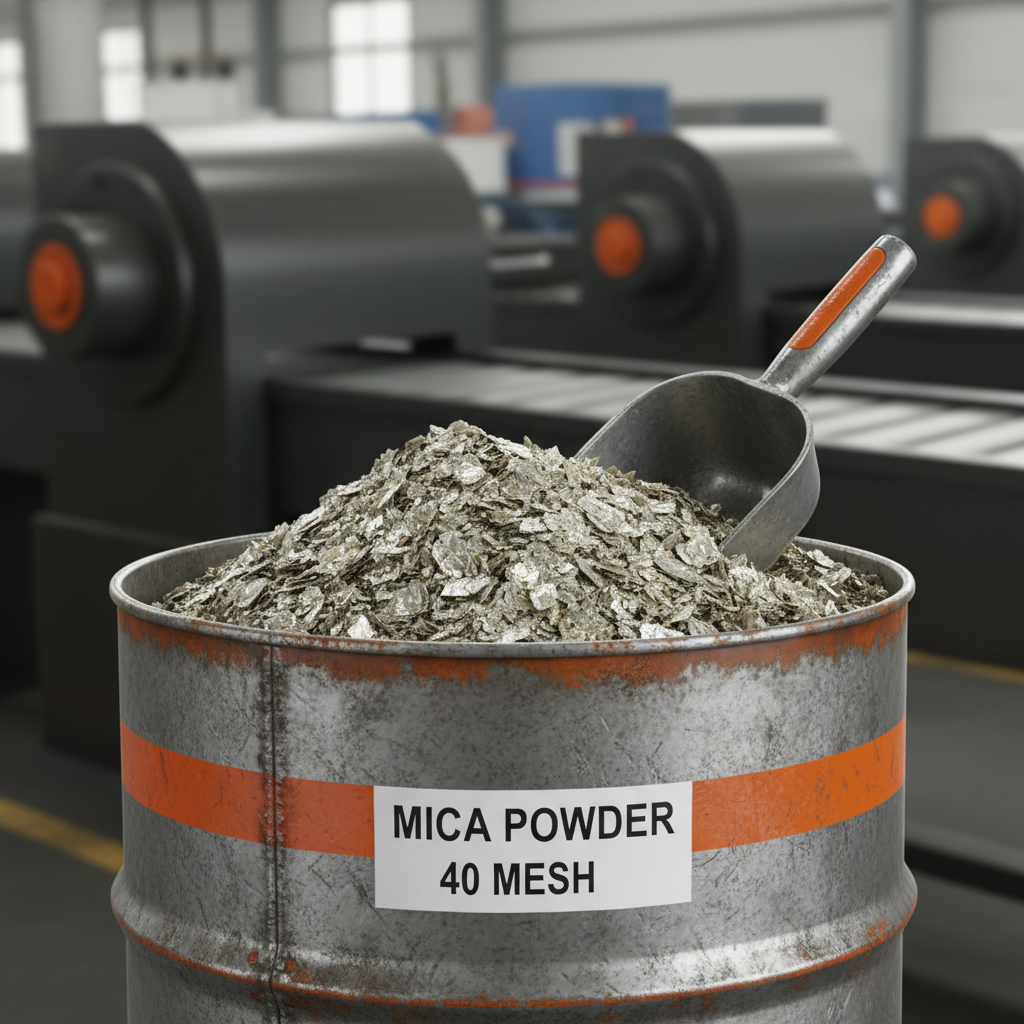 Mica powder, particularly the 40 mesh grade, is a versatile mineral widely used across numerous industries. Its unique properties – including chemical inertness, dielectric strength, and reflective qualities – make it an invaluable ingredient in paints, coatings, plastics, cosmetics, and more. This article will delve into the characteristics of mica powder 40 mesh, exploring its applications, benefits, and considerations for sourcing high-quality material. Understanding the nuances of this powder is crucial for achieving optimal results in your specific application. Kehui Mica provides consistent quality and a reliable supply. Mica is a naturally occurring group of silicate minerals. The "40 mesh" refers to the particle size—specifically, the powder passes through a 40-mesh sieve but is retained on a finer sieve. This means the particles are relatively coarse, offering unique advantages in certain applications.ادامه مطلب
 -
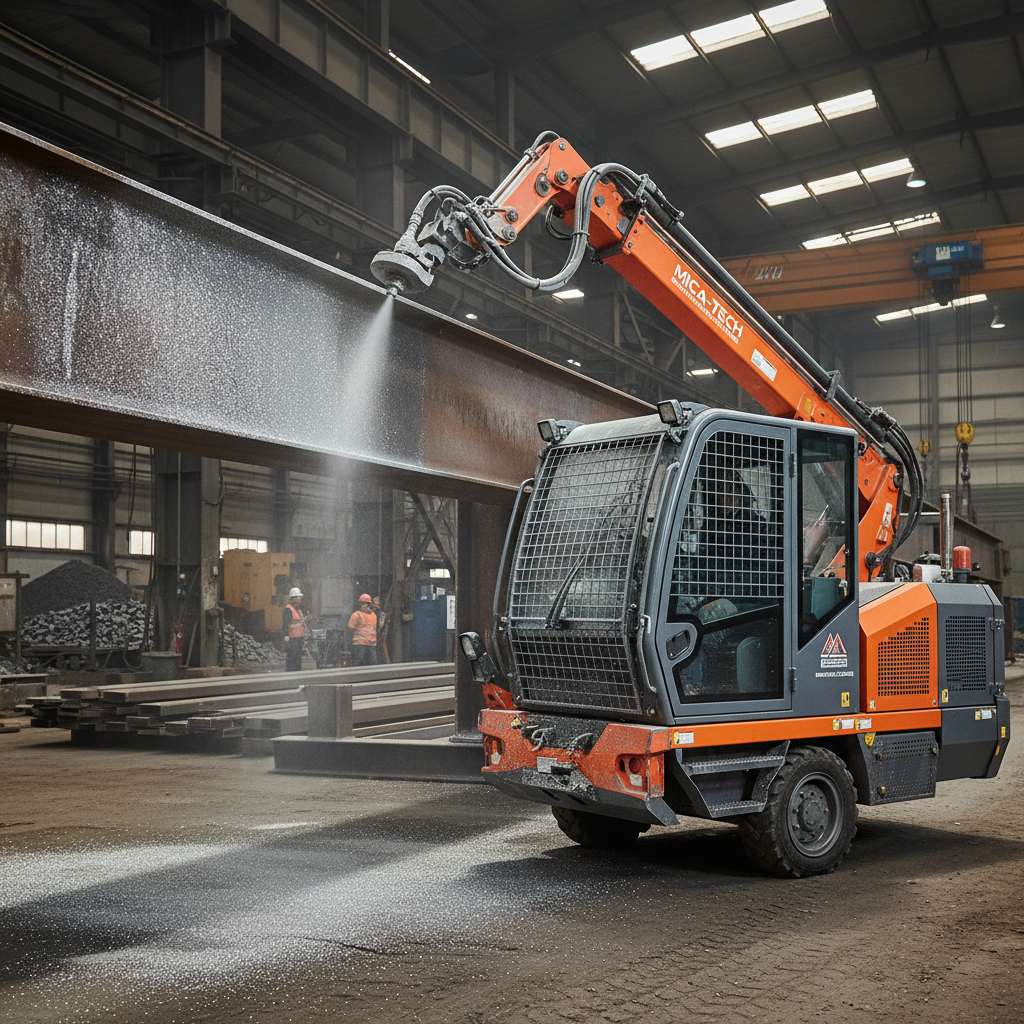 Mica paint has revolutionized the automotive industry, offering a dazzling array of colors and a luxurious finish. This article delves into the world of mica paint for cars, exploring its composition, benefits, application process, and how to choose the right shade for your vehicle. Whether you're a car enthusiast, a professional detailer, or simply looking to enhance your car's appearance, this guide will provide you with valuable insights. We’ll cover everything from understanding the science behind the sparkle to maintaining that showroom shine. Mica paint isn't a single color but rather a type of paint that incorporates tiny flakes of mica, a naturally occurring mineral, into a transparent base coat. These mica flakes reflect light, creating a shimmering, multi-dimensional effect that's significantly more vibrant than traditional metallic paints. The color you see isn't solely from the pigment; it's a result of the interplay between the pigment, the mica flakes, and the surrounding light. Different sizes and shapes of mica flakes create varying degrees of sparkle and depth. Compared to standard automotive paints, mica paint offers several advantages. Firstly, its dazzling appearance significantly enhances a vehicle’s aesthetics, turning heads wherever it goes. Secondly, mica paint exhibits excellent durability and resistance to fading, ensuring a long-lasting finish.ادامه مطلب
 -
 Mica car paint has become increasingly popular in the automotive industry, offering a stunning depth and shimmer that sets vehicles apart. At Kehui Mica, we specialize in high-quality mica pigments that deliver exceptional results for automotive coatings. This article will delve into the science behind mica car paint, its benefits, application process, and why choosing a reliable supplier is crucial. We’ll explore how mica pigments enhance the aesthetic appeal and durability of automotive finishes. Mica car paint isn't a singular paint type, but rather a finish enhanced by the addition of mica pigments. Mica is a naturally occurring mineral silicate known for its flaky structure and pearlescent effect. These tiny flakes are incorporated into the paint formula, reflecting light in multiple directions. This creates a shimmering, almost three-dimensional appearance that changes with the viewing angle. The size, shape, and coating of the mica flakes significantly influence the final paint effect. Kehui Mica offers a diverse range of mica pigments to achieve various aesthetic goals.ادامه مطلب
 -
 Achieving a show-stopping finish on vehicles requires more than just standard automotive paint. Mica powder has become a crucial ingredient for automotive refinishing and customization, offering vibrant color, pearlescent effects, and enhanced durability. This article explores the benefits of using mica powder in automotive paint, its various applications, the different types available, and how to choose the right product for your project. We will delve into why Kehui Mica is a leading supplier of high-quality mica powders for the automotive industry. Mica powder is a naturally occurring mineral silicate with a layered structure. When incorporated into automotive paint, it imparts several key advantages. It creates stunning visual effects, including metallic sheen, pearlescent shimmer, and depth of color. Beyond aesthetics, mica powder enhances paint durability, offering improved resistance to UV rays, scratches, and fading. It also contributes to smoother application and better coverage, reducing the need for multiple coats. For professional detailers and DIY enthusiasts alike, mica powder unlocks a new level of customization and quality in automotive finishes.ادامه مطلب
 -
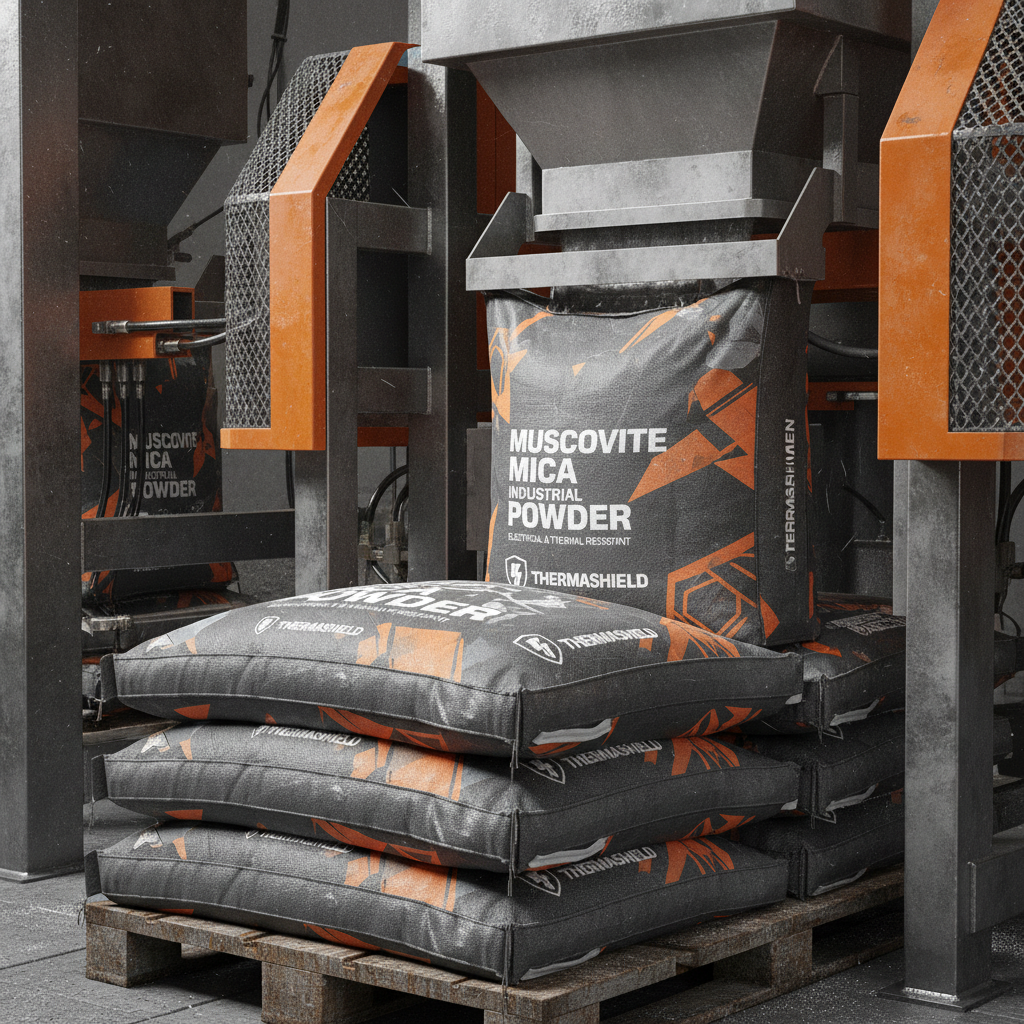 Insulation muscovite mica powder is a versatile industrial mineral renowned for its exceptional dielectric strength, thermal stability, and chemical inertness. It finds extensive use in various applications requiring high-performance insulation and reinforcing properties. From electrical components to construction materials, its unique characteristics contribute to improved product quality and safety. Kehui Mica is a leading supplier dedicated to providing high-quality mica powders tailored to diverse industrial needs. Investing in premium mica powder like ours ensures the longevity and efficiency of your products. Muscovite mica powder boasts a remarkable combination of properties that make it invaluable in numerous industrial applications. Its exceptional dielectric strength prevents electrical breakdown, making it ideal for electrical insulation. Furthermore, its high thermal stability ensures it can withstand high temperatures without degrading, preserving its insulating properties.ادامه مطلب
 -
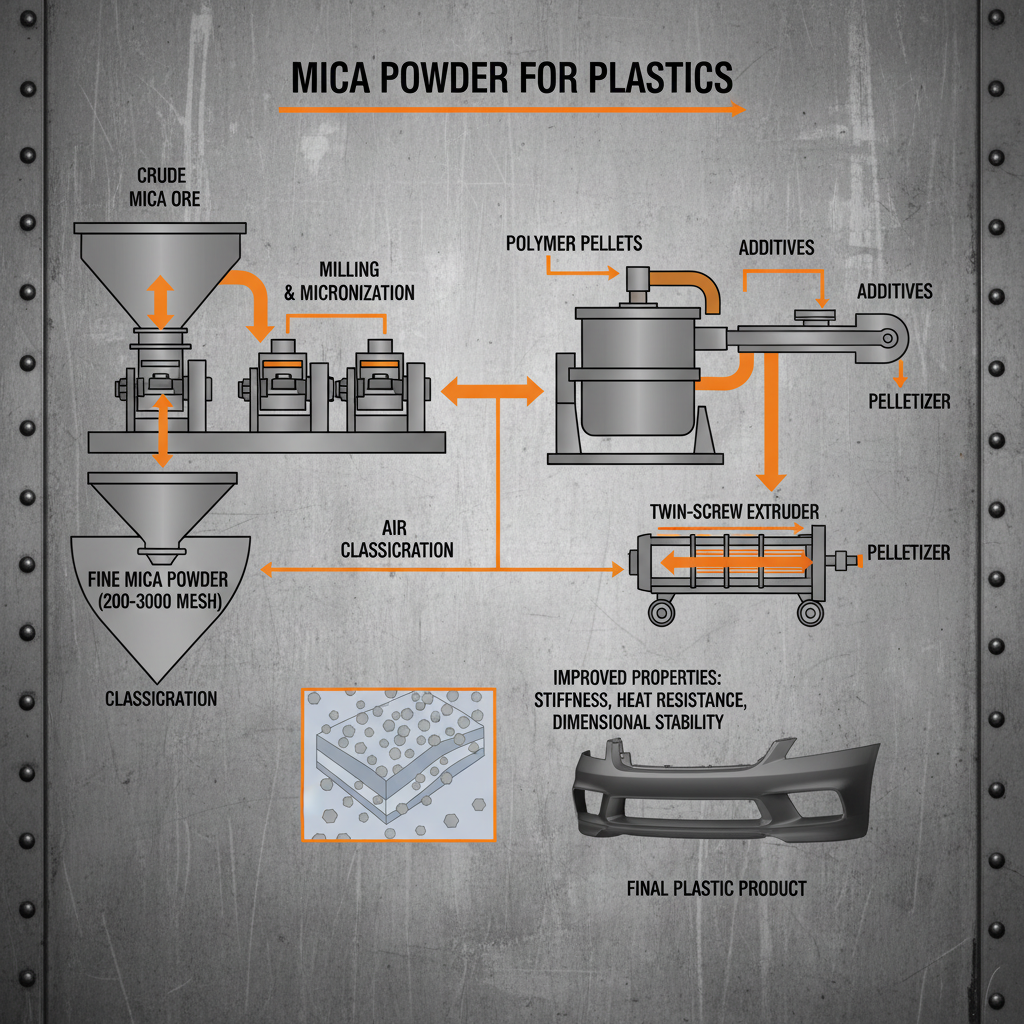 Mica powder is a versatile additive widely used in the plastics industry to enhance a variety of properties, from aesthetics to performance. Its ability to impart shimmer, improve heat resistance, and reduce weight makes it an invaluable component in numerous plastic applications. This article provides a detailed overview of mica powder for plastics, covering its types, benefits, applications, and how to choose the right product for your needs. Kehui Mica offers a wide range of high-quality mica powders designed for optimal plastic performance. Mica is a naturally occurring mineral silicate, known for its excellent dielectric strength, thermal stability, and resistance to chemicals. For plastics, it’s typically ground into a fine powder. Different types of mica powders are available, each offering unique properties. The most common types include muscovite mica, phlogopite mica, and synthetic mica (fluorophlogopite). Muscovite mica offers high brightness and is commonly used in applications where a sparkling effect is desired.ادامه مطلب
 -
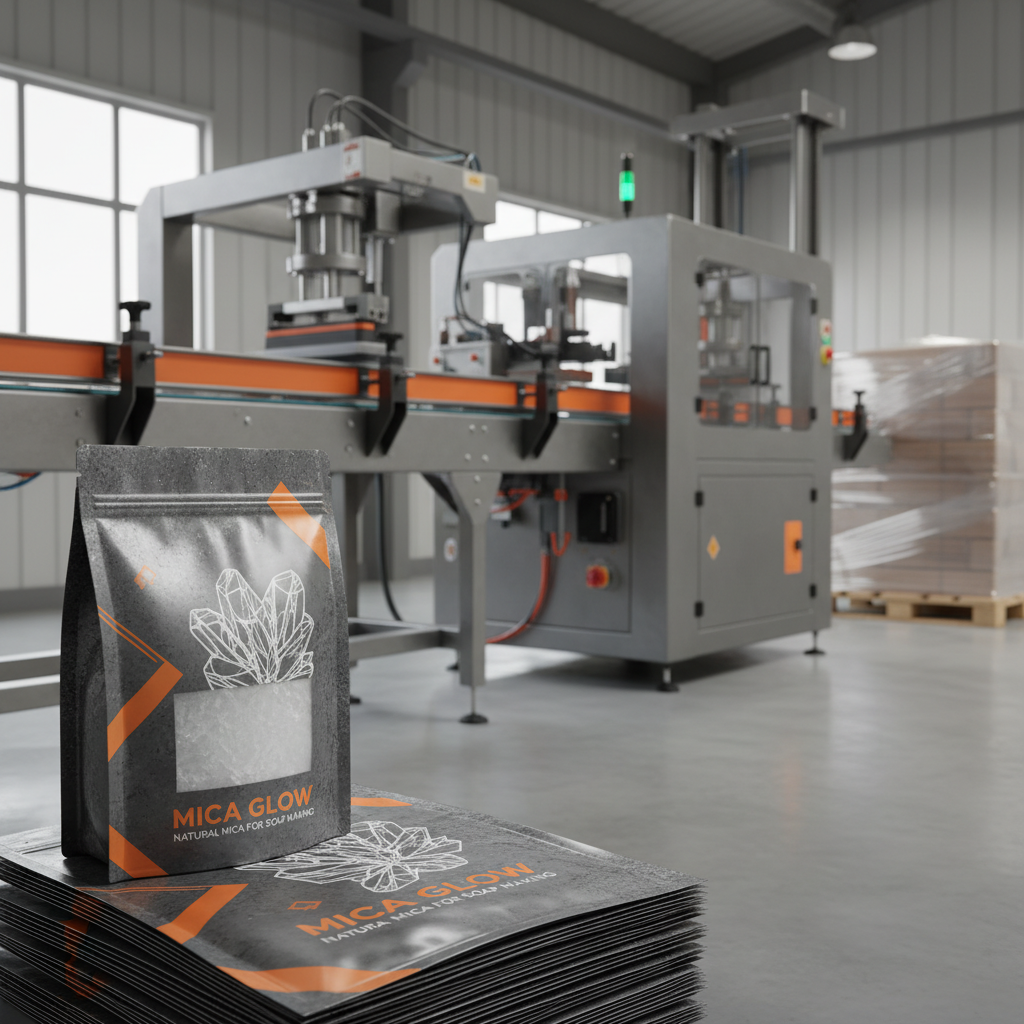 Looking to add a stunning, natural shimmer to your handmade soaps? Natural mica is the perfect solution! Derived from silicate minerals, mica powders offer a safe and effective way to color and embellish your soap creations. This article will delve into the world of natural mica, covering its benefits, applications, types, and where to source high-quality mica for your soap making endeavors. We'll explore how to achieve beautiful, professional-looking results while utilizing a natural and ethically sourced ingredient. Natural mica is a group of silicate minerals known for their perfect basal cleavage, resulting in thin, flexible, iridescent flakes. These flakes create a beautiful shimmer and pearlescent effect, making mica ideal for cosmetic applications like soap making. Unlike glitter, which is often plastic-based, natural mica is a mineral substance and considered a more environmentally friendly option. Furthermore, mica is non-toxic and generally safe for use in skin care products when sourced from reputable suppliers.ادامه مطلب
 -
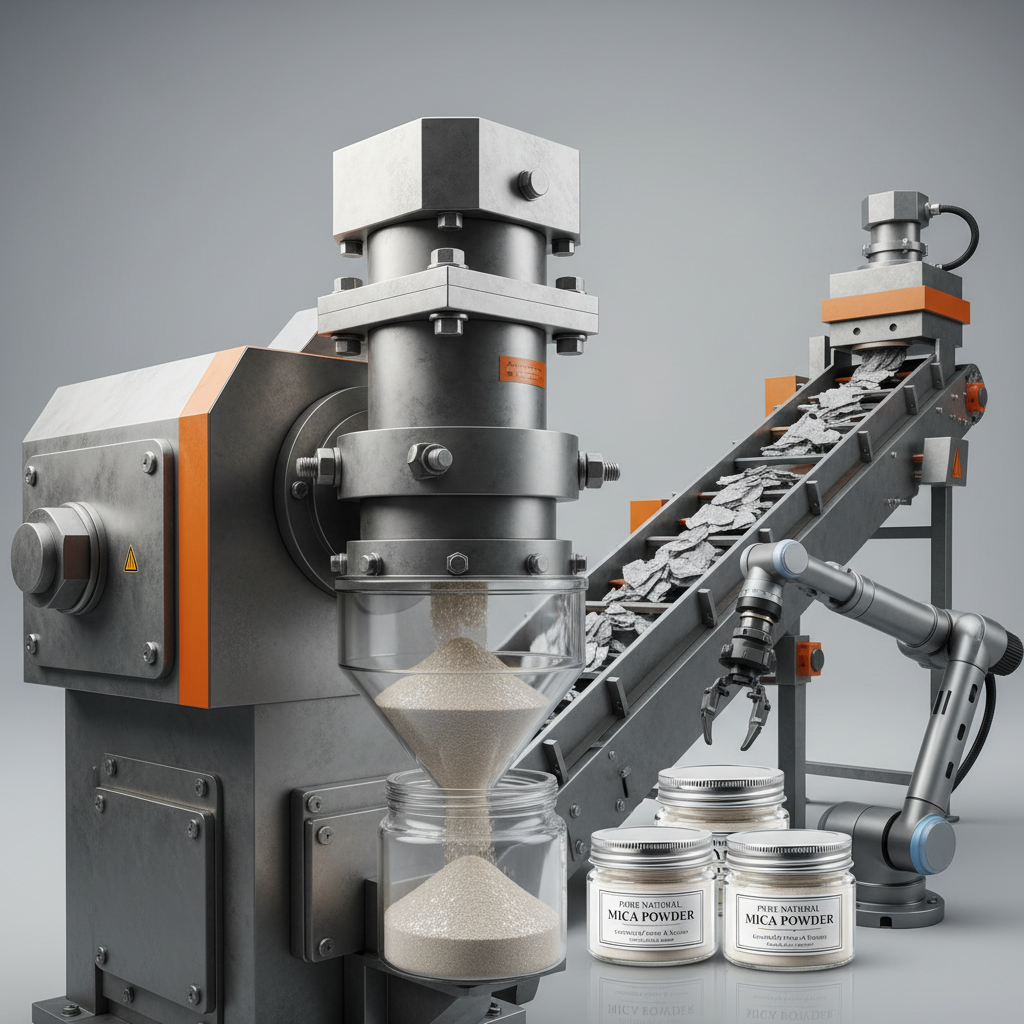 When formulating cosmetics, achieving the desired aesthetic and performance requires high-quality ingredients. Natural mica powder is a cornerstone ingredient used extensively in the cosmetic industry, renowned for its pearlescent effect, softness, and versatility. This article explores the benefits, applications, sourcing, and quality considerations of natural mica powder for cosmetics, offering valuable insights for formulators and manufacturers. Choosing the right mica can elevate your product, enhancing its appeal and delivering a luxurious feel. Natural mica is a naturally occurring mineral silicate. Its unique layered structure gives it a shimmering appearance, making it an ideal pigment for cosmetics. Unlike synthetic alternatives, natural mica offers a soft, smooth texture that feels luxurious on the skin. It's commonly used to add luminosity, improve texture, and enhance color payoff in products like eyeshadows, foundations, lipsticks, and blushes. Kehui Mica provides consistently high-quality natural mica powders tailored for cosmetic applications.ادامه مطلب
 -
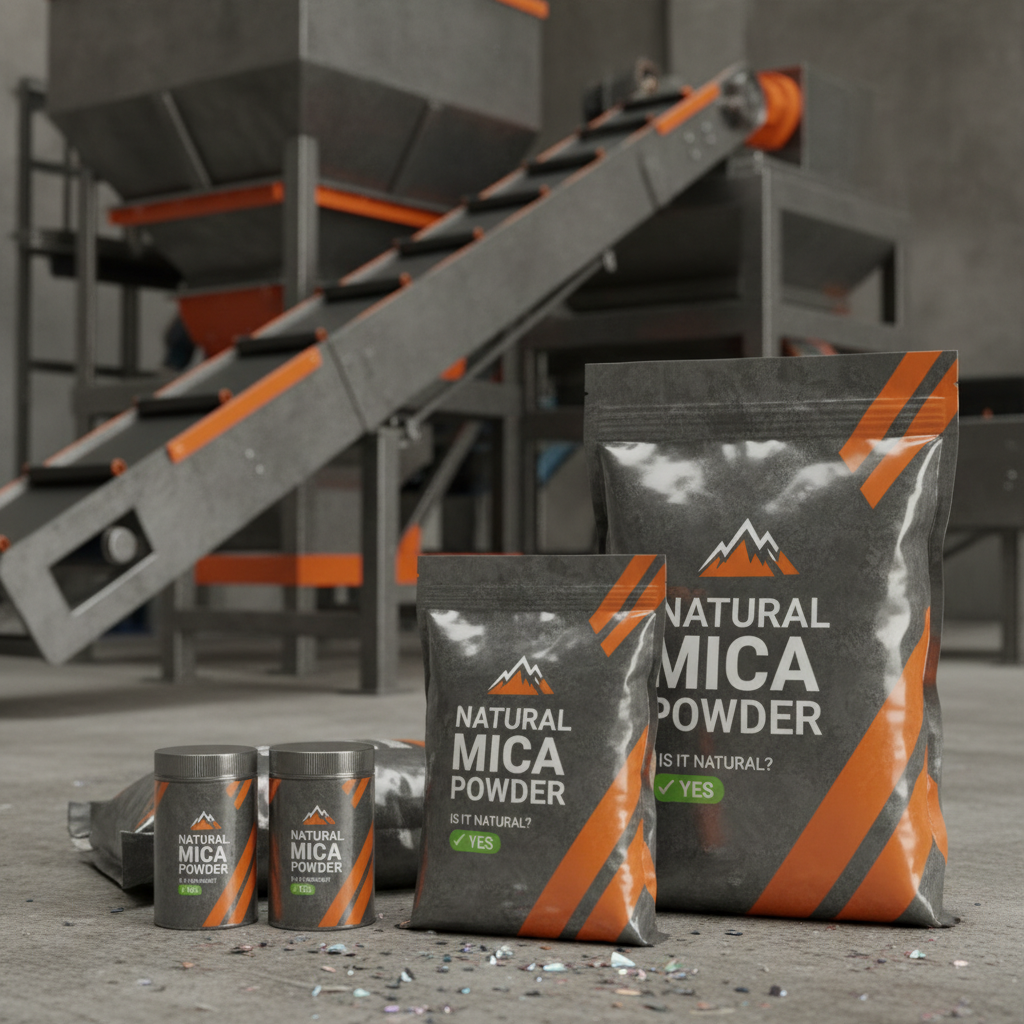 Mica powder has gained tremendous popularity in recent years, finding its way into a wide array of products from cosmetics and paints to plastics and even automotive coatings. A key question consumers and manufacturers alike often ask is: mica powder is it natural? The answer is nuanced. While naturally occurring, the journey from earth to product is complex. This article will delve into the origins of mica, the different types available, processing methods, and how to identify natural versus synthetic options. Understanding these details is crucial for making informed decisions, particularly concerning ethical sourcing and product quality. Kehui Mica offers a wide range of high-quality mica powders, and we’ll explore that further. Mica is a naturally occurring group of silicate minerals. It’s formed under immense heat and pressure within the Earth's crust, primarily in igneous and metamorphic rocks. The most common types used commercially are muscovite and phlogopite. Muscovite is known for its clarity and is often used in cosmetics, while phlogopite offers a wider range of colors and is frequently found in industrial applications. Mica's layered structure gives it a unique ability to split into thin, flexible, and remarkably resilient sheets.ادامه مطلب
 -
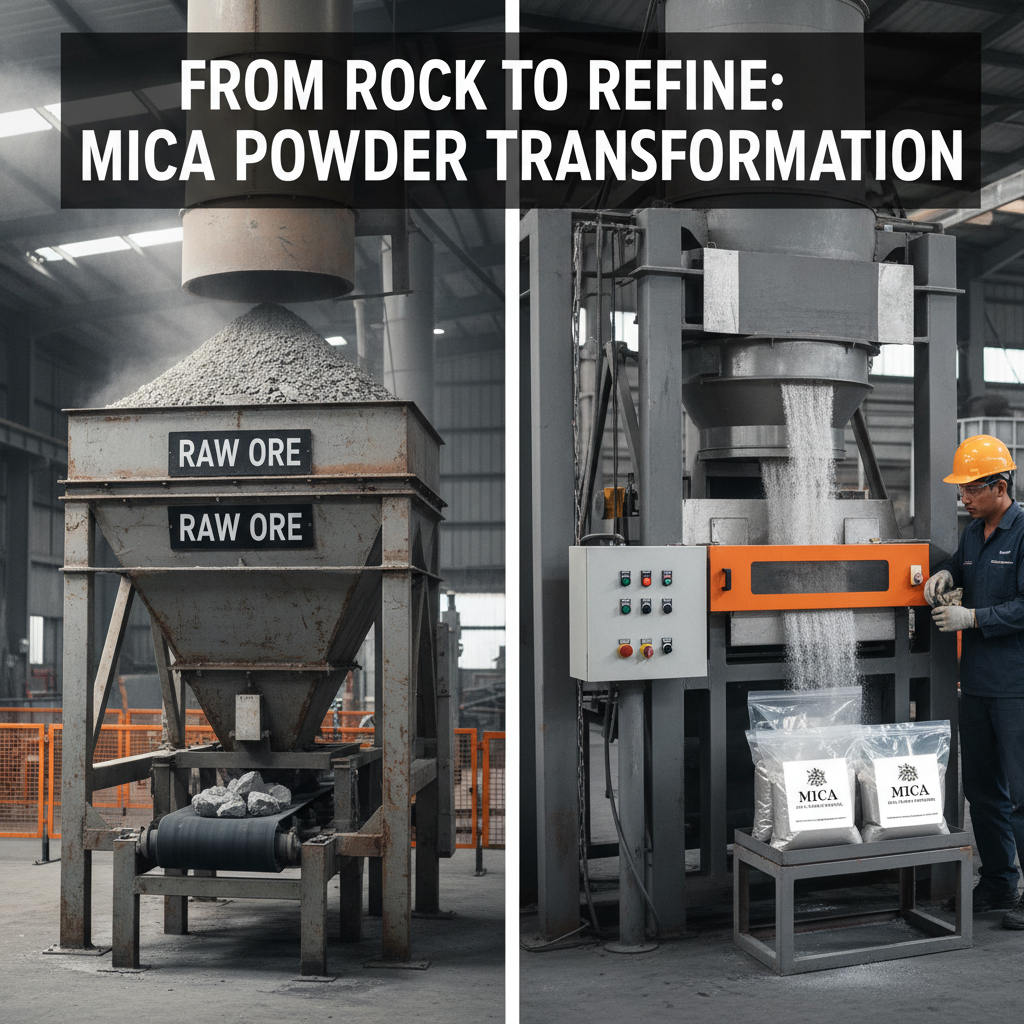 Discover the beauty and versatility of all natural mica powder. This naturally occurring mineral is prized for its shimmering effect and wide range of applications, from cosmetics to industrial coatings. We'll explore its properties, benefits, sourcing, and how to choose the right mica powder for your needs. Mica provides vibrant color, pearlescent sheen, and improved product performance across numerous industries. Mica is a group of silicate minerals known for their excellent cleavage, resulting in thin, flexible, and reflective sheets. All natural mica powder is derived from these minerals – primarily muscovite and phlogopite – and is processed into a fine powder. Unlike synthetic alternatives, natural mica offers a unique depth and complexity of color. It is inert, non-toxic, and generally safe for use in a variety of applications. The uses of mica powder are incredibly diverse. In the cosmetics industry, it’s a key ingredient in eyeshadows, blush, highlighters, and lip products, providing shimmer and a smooth texture. Industrially, it’s used in paints, coatings, plastics, and even electronics due to its insulating properties and ability to enhance durability.ادامه مطلب
 -
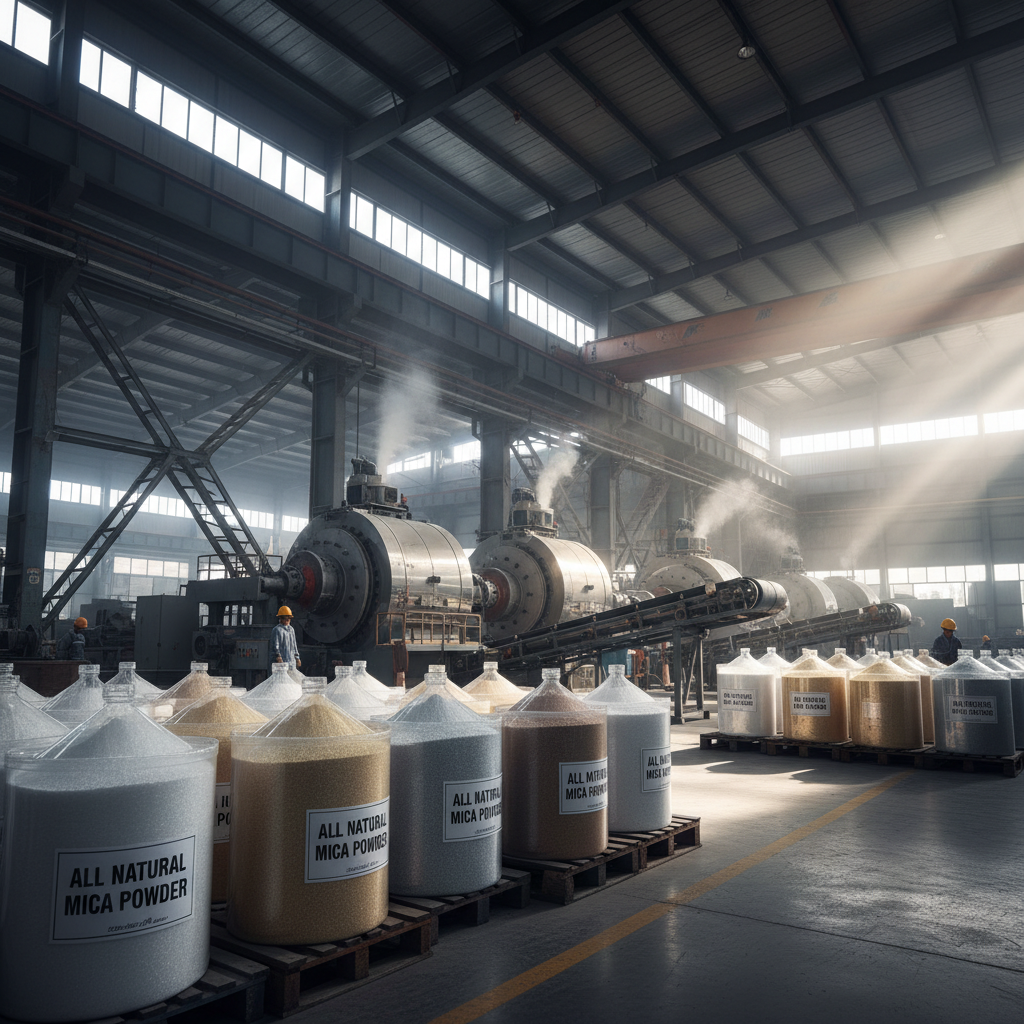 Looking for a vibrant, ethically sourced, and versatile ingredient to elevate your creations? All natural mica powder offers a stunning array of colors and effects, perfect for cosmetics, crafts, and beyond. This article will explore the benefits, applications, and sourcing of this fascinating mineral, providing you with everything you need to know. We'll uncover why choosing high-quality, ethically sourced mica is crucial for both your projects and the environment. Mica is a naturally occurring mineral composed of silicate materials. It’s renowned for its pearly luster and is found in various rock types. All natural mica powder is created by finely grinding this mineral, resulting in a shimmering powder used for its coloring and reflective properties. Unlike synthetic alternatives, natural mica is derived directly from the earth, offering a unique and environmentally friendly option. It's an incredibly versatile ingredient favored by artists, cosmetic manufacturers, and crafters alike.ادامه مطلب
محصولات مرتبط