Mar . 07, 2026 02:25
Back to list
Enhance Your Soaps with the Natural Shimmer of Mica for Soap Making
Natural Mica for Soap Making: A Comprehensive Guide
Looking to add a stunning, natural shimmer to your handmade soaps? Natural mica is the perfect solution! Derived from silicate minerals, mica powders offer a safe and effective way to color and embellish your soap creations. This article will delve into the world of natural mica, covering its benefits, applications, types, and where to source high-quality mica for your soap making endeavors. We'll explore how to achieve beautiful, professional-looking results while utilizing a natural and ethically sourced ingredient.
What is Natural Mica and Why Use It in Soap Making?
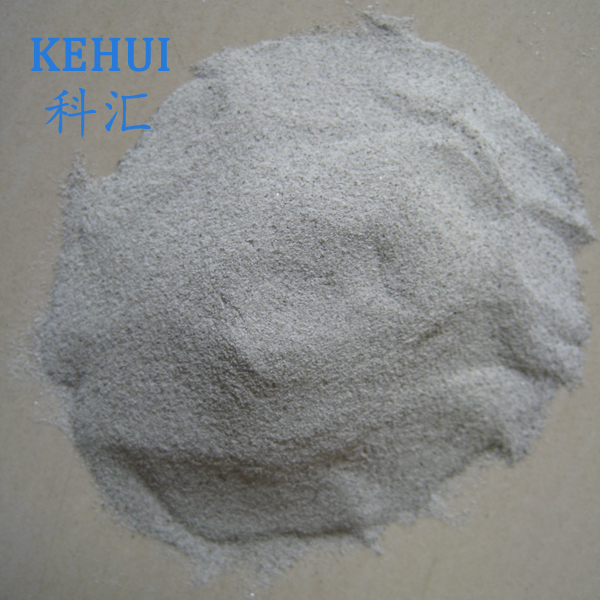
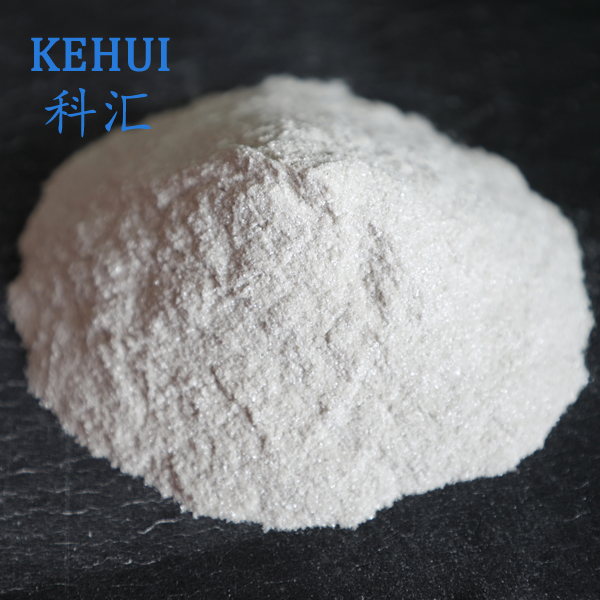
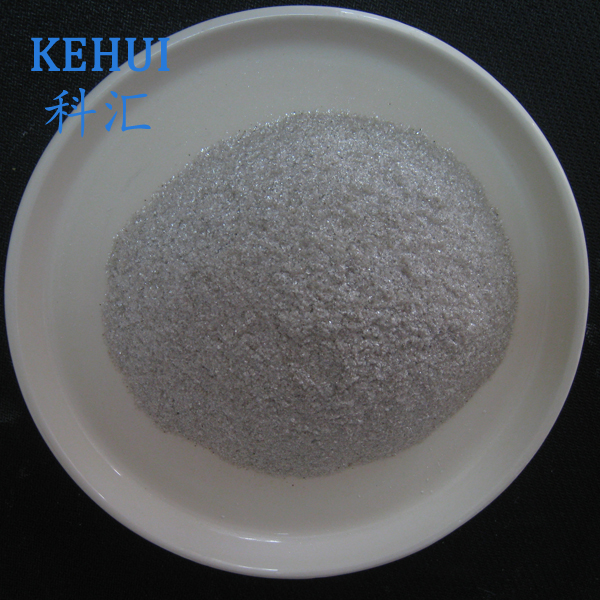
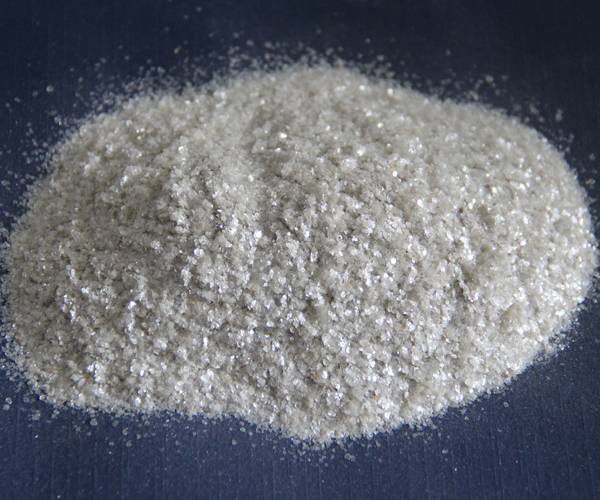
Natural mica is a group of silicate minerals known for their perfect basal cleavage, resulting in thin, flexible, iridescent flakes. These flakes create a beautiful shimmer and pearlescent effect, making mica ideal for cosmetic applications like soap making. Unlike glitter, which is often plastic-based, natural mica is a mineral substance and considered a more environmentally friendly option. Furthermore, mica is non-toxic and generally safe for use in skin care products when sourced from reputable suppliers. Choosing natural mica from Kehui Mica ensures quality and ethical sourcing.
Key Benefits: Safe, non-toxic, environmentally friendly, creates a beautiful shimmer, ethically sourced (when purchased from a reputable supplier).
Types of Natural Mica for Soap Making
Natural mica comes in a dazzling array of colors and effects. Understanding the different types will help you choose the perfect mica for your desired soap aesthetic. Some common types include:
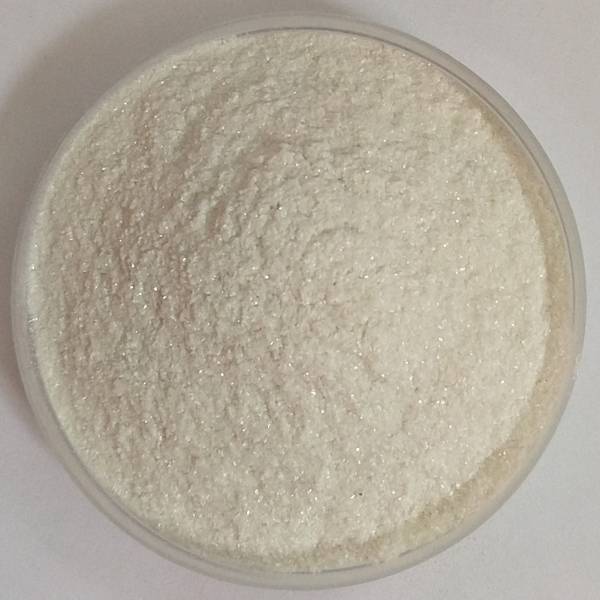
- Pearl Mica: Offers a subtle, iridescent shimmer.
- Color Mica: Pigmented with natural oxides to create vibrant colors.
- Holographic Mica: Creates a rainbow-like effect with shifting colors.
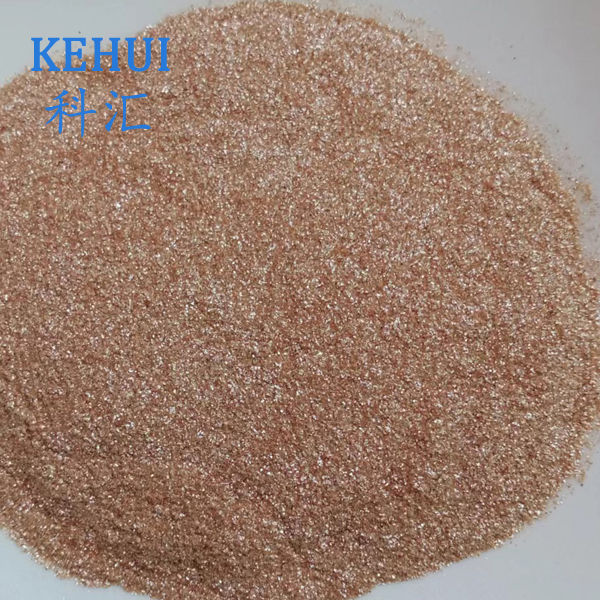
- Bronze & Gold Mica: Adds warmth and luxury to soap designs.
The level of shimmer and color intensity will vary depending on the specific mica and the amount used in your soap recipe.
How to Use Natural Mica in Soap Making
Adding mica to your soap is a straightforward process. Typically, mica is incorporated during the trace stage of cold process or hot process soap making. Here's a general guideline:
- Dispersion: Mix the mica powder with a small amount of oil or alcohol to create a slurry. This prevents clumping.
- Addition: Slowly add the mica slurry to your soap batter at trace, stirring gently to distribute evenly.
- Amount: Start with a small amount (1-2 teaspoons per pound of oils) and adjust to achieve your desired color and shimmer.
Be mindful not to overheat the soap, as this can dull the shimmer. For melt and pour soap, mica can be added directly to the melted soap base, stirring thoroughly.
Natural Mica vs. Other Soap Colorants
While several options exist for coloring soap, natural mica offers unique advantages. Here's a comparison:
Sourcing High-Quality Natural Mica from Kehui Mica
When purchasing natural mica, it's crucial to choose a reputable supplier to ensure quality, purity, and ethical sourcing. Kehui Mica is a trusted provider of high-quality mica powders for soap making and other cosmetic applications. We offer a wide selection of colors and effects, and our mica is rigorously tested to meet industry standards.
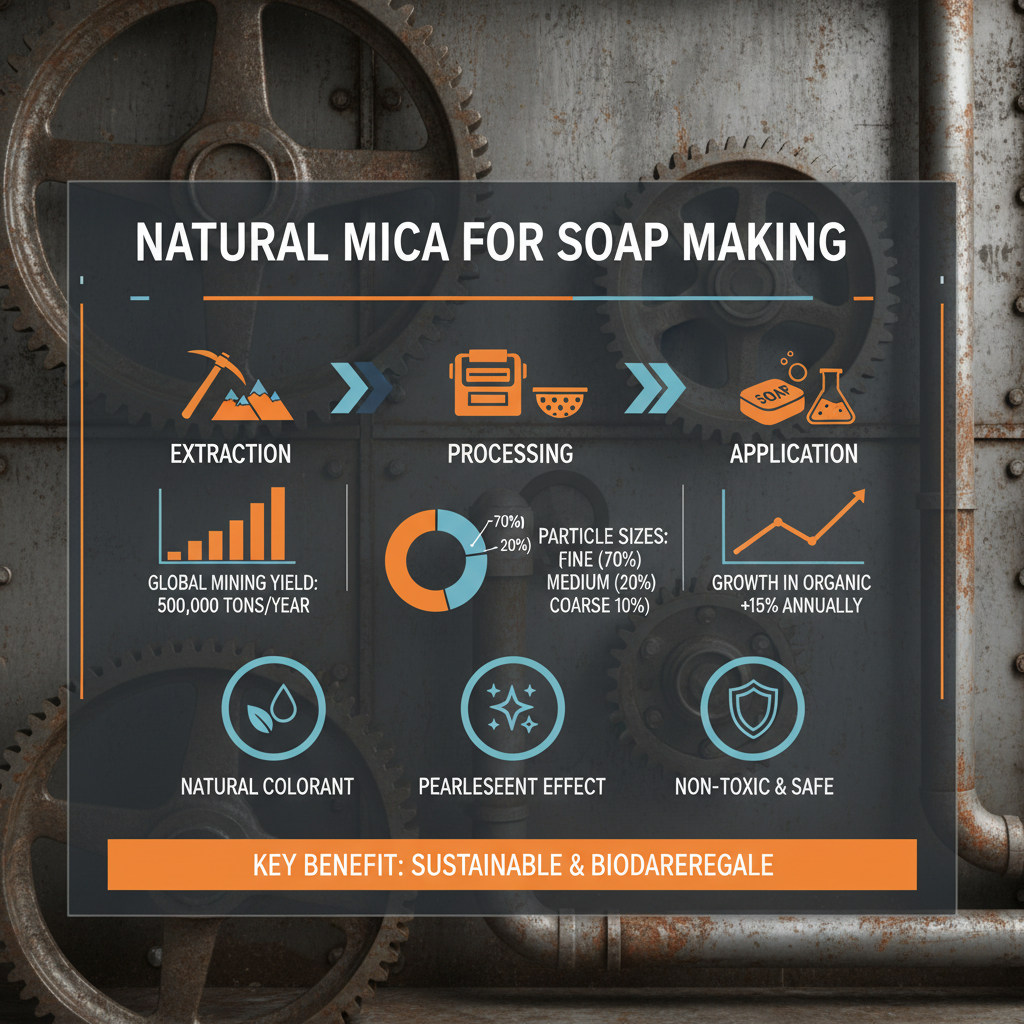
Conclusion: Enhance Your Soaps with Natural Beauty
Natural mica is a fantastic addition to any soap maker's toolkit. Its natural shimmer, vibrant colors, and safety profile make it a superior choice for creating beautiful, luxurious, and ethically made soaps. Explore the wide range of colors available from Kehui Mica and elevate your soap making creations today!
Frequently Asked Questions (FAQs)
Is natural mica ethically sourced?
Ethical sourcing is a significant concern with mica. Traditionally, some mica mining has been linked to child labor. However, reputable suppliers like Kehui Mica prioritize ethical sourcing practices. We work with mines that adhere to strict labor standards and environmental regulations, ensuring a responsible supply chain. Look for suppliers who can provide transparency about their sourcing practices and certifications. Choosing ethically sourced mica supports fair labor practices and sustainable mining operations.
How much mica should I use in my soap?
The amount of mica you use depends on the desired color intensity and shimmer. A good starting point is 1-2 teaspoons of mica powder per pound of oils. You can always add more to achieve a stronger effect, but be cautious not to overdo it. Too much mica can make the soap gritty or affect its lather. It's best to start with a smaller amount and gradually increase it until you reach your desired result. Different mica colors also have different strengths, so experiment to find what works best for each shade.
Can I use mica in other cosmetic products besides soap?
Yes, natural mica is widely used in a variety of cosmetic products, including lotions, bath bombs, eyeshadows, lipsticks, and more! Its shimmering properties add a luxurious touch to these formulations. However, always ensure that the mica you use is cosmetic grade and safe for the intended application. Check the manufacturer's specifications and guidelines for appropriate usage levels in different products.
Latest news
-
Technical Benefits of Calcined Mica for Welding ElectrodesNewsApr.09,2026
-
Superior Calcined Mica for Electrical Insulators Applications and BenefitsNewsApr.07,2026
-
Exploring the Versatility of Calcined Mica for Decoration and Diverse ApplicationsNewsApr.04,2026
-
Exploring Calcined Mica Properties Applications and Sourcing OptionsNewsMar.31,2026
-
Exploring the Versatile Applications of Mica Flakes Powder Across IndustriesNewsMar.28,2026
-
Synthetic Mica Flakes- Kehui Mica Co.|Heat-Resistant, High WhitenessNewsMar.27,2026
-
Synthetic Mica Flakes- Kehui Mica Co.|Heat-Resistant, High WhitenessNewsMar.27,2026
Related Products