Clay pebbles have emerged as a versatile and essential material in modern horticulture, revolutionizing the way plants are grown in various settings. Their unique properties make them a go - to choice for both amateur gardeners and professional horticulturists. In this article, we will delve into the world of clay pebbles, expanded clay pebbles, and hydroton clay pebbles, exploring their characteristics, benefits, and diverse applications.
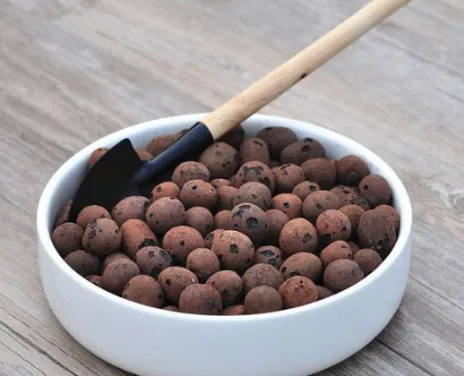
What are clay pebbles?
LECA (Lightweight Expanded Clay Aggregate) is a aggregate made of expanded clay pebbles at average 1200 ℃ in rotary kiln, the yielding gases are expanded by thousands of small bubbles as long as this temperature and porosity will appear by many voids and honeycombs at these round shape aggregates when melted materials become cold. LECA is a manufactured aggregate which has many advantages compare with natural lightweight aggregate and since 1917 has used under different brand name in USA and Europe countries.clay pebbles are small, lightweight granules made from natural clay that undergo a specialized processing method. The clay is first mined and then formed into pebbles, which are subsequently heated at high temperatures. This heating process causes the clay to expand, creating a porous structure with numerous small air pockets. The result is a material that is both lightweight and highly functional for plant growth.
The Advantages of expanded clay pebbles for Plant Growth
LECA has many advantage for agriculture and landscapes, it is used as a growing medium in Hydroponics systems, blended with other growing mediums such as soil and peat to improve drainage, retain water during periods of drought,insulate roots during frost and provide roots with increased oxygen levels promoting very vigorous growth. LECA can mix with normal sweet soil in order to reduce the weight of plants and landscapes soils.
Exploring the Applications of hydroton clay pebbles
Hydroton clay pebbles are a specific type of expanded clay pebbles that are widely used in hydroponic gardening systems. Hydroponics is a method of growing plants without soil, using a nutrient - rich water solution instead. The unique properties of hydroton clay pebbles make them an ideal growing medium for this type of cultivation.
In deep water culture systems, hydroton clay pebbles are often used to support plant roots while allowing them to access the nutrient solution. The pebbles are placed in a net pot, which is then suspended over a reservoir of nutrient - rich water. The porous structure of the hydroton clay pebbles allows the roots to absorb water and nutrients while also receiving adequate oxygen.
Additionally, hydroton clay pebbles can be used in aquaponic systems, which combine hydroponics with aquaculture. In aquaponics, fish waste provides nutrients for the plants, and the plants help filter the water for the fish. The hydroton clay pebbles serve as a growing medium for the plants, while also providing a surface for beneficial bacteria to colonize, which helps break down the fish waste into usable nutrients.
How to Use clay pebbles in Different Gardening Systems
Using clay pebbles in various gardening systems is a straightforward process that can greatly enhance plant growth. Whether you are working with potted plants, hydroponic setups, or raised beds, clay pebbles can be incorporated to improve aeration, drainage, and overall plant health.
FAQS about clay pebbles
What are the best plants to grow with hydroton clay pebbles?
Hydroton clay pebbles are suitable for a wide variety of plants, especially those grown in hydroponic systems. Leafy greens such as lettuce, spinach, and kale thrive in hydroton clay pebbles because they require consistent moisture and good aeration. Herbs like basil, mint, and thyme also grow well in these pebbles, as they appreciate the well - drained environment. Additionally, fruiting plants such as tomatoes, cucumbers, and peppers can be successfully grown in hydroton clay pebbles, provided they receive adequate nutrients and support for their weight.
How often should I water plants in expanded clay pebbles?
The frequency of watering plants in expanded clay pebbles depends on several factors, including the type of plant, the size of the container, and the environmental conditions. In hydroponic systems, the nutrient solution is often recirculated, so the pebbles may not need to be watered as frequently as plants in soil. However, in soil - based mixtures that include expanded clay pebbles, you may need to water more often than with pure soil, as the pebbles improve drainage. As a general guideline, check the moisture level of the growing medium regularly. If the top inch of the pebbles or soil mixture feels dry, it is time to water the plants.
Can clay pebbles be reused for multiple growing seasons?
Yes, clay pebbles can be reused for multiple growing seasons, making them a cost - effective choice for gardeners. To reuse clay pebbles, start by removing any plant roots, debris, or old growing medium from the pebbles. Rinse them thoroughly with water to remove dirt and residues. For added safety, sterilize the pebbles by soaking them in a solution of 1 part bleach to 10 parts water for 30 minutes, then rinse them again thoroughly to remove any bleach residue. Allowing the pebbles to dry completely before reusing them will help prevent the growth of mold or bacteria.
Are expanded clay pebbles safe for organic gardening?
Expanded clay pebbles are safe for organic gardening as they are made from natural clay and do not contain any synthetic chemicals or additives. They are inert and do not release any nutrients or harmful substances into the growing medium, making them compatible with organic gardening practices. Additionally, because they are reusable and long - lasting, they reduce the need for frequent replacement of growing materials, which aligns with sustainable and organic gardening principles.
How do clay pebbles compare to other growing media like perlite?
Clay pebbles and perlite are both popular growing media, but they have distinct characteristics. Clay pebbles are larger, more durable, and reusable, while perlite is smaller, lighter, and often used as a soil amendment. clay pebbles excel in hydroponic systems due to their ability to provide structural support and maintain good aeration, whereas perlite is more commonly used in soil mixtures to improve drainage. clay pebbles also have a higher water retention capacity than perlite, making them suitable for systems where consistent moisture is important. Ultimately, the choice between clay pebbles and perlite depends on the specific needs of your gardening system and the plants you are growing.
If you’re looking to transform your gardening experience with high - quality growing media, look no further than our range of clay pebbles, expanded clay pebbles, and hydroton clay pebbles. At [Lingshou County Kehui Mica Co., Ltd], we are committed to providing gardeners with premium products that enhance plant growth and health. Our clay pebbles are carefully processed to ensure optimal porosity, durability, and performance, making them the perfect choice for both amateur and professional gardeners. Visit our website today to explore our product range and discover how our clay pebbles can help you achieve outstanding results in your garden or hydroponic system. Start growing with confidence – choose [Lingshou County Kehui Mica Co., Ltd] for all your gardening needs.
Kế tiếp:
Tin tức mới nhất
-
Global Analysis and Trends of the Calcined Mica Flakes MarketTin tứcApr.16,2026
-
Technical Benefits of Calcined Mica for Welding ElectrodesTin tứcApr.09,2026
-
Superior Calcined Mica for Electrical Insulators Applications and BenefitsTin tứcApr.07,2026
-
Exploring the Versatility of Calcined Mica for Decoration and Diverse ApplicationsTin tứcApr.04,2026
-
Exploring Calcined Mica Properties Applications and Sourcing OptionsTin tứcMar.31,2026
-
Exploring the Versatile Applications of Mica Flakes Powder Across IndustriesTin tứcMar.28,2026
-
Synthetic Mica Flakes- Kehui Mica Co.|Heat-Resistant, High WhitenessTin tứcMar.27,2026