Understanding Perlite Soil: Why It Matters in a Changing World
If you’re dabbling in gardening, agriculture, or even industrial growing, chances are you’ve come across the term perlite soil. But beyond the greenhouse hobbyist’s shelf, perlite plays a quietly pivotal role in how we cultivate plants, manage resources, and think about soil health globally. It’s fascinating because this volcanic glass-derived mineral helps tackle multiple modern challenges — from soil aeration and water retention to environmentally friendly building materials.
Globally, the demand for efficient soil enhancers like perlite isn’t just about making plants grow better; it’s about addressing food security, land degradation, and sustainable agriculture practices. As urban spaces grow and arable land shrinks, understanding how to use perlite soil effectively becomes essential. Plus, industrial uses extend well beyond horticulture, showing surprising promise in water filtration and insulation.
Mini takeaway: Perlite soil isn’t just a gardening must-have — it’s an adaptable material weaving into global efforts for sustainability and resource management.
The Global Context: How Perlite Soil Fits Into Industry and Agriculture
According to the United Nations' Food and Agriculture Organization, around 33% of the world’s soil is moderately to highly degraded, putting agriculture at risk. This problem calls for soil amendments that can improve structure and water retention — enter perlite soil. Its lightweight nature and porosity make it an ideal candidate to amend heavy clay soils or sandy soils that drain too fast.
Worldwide, perlite mining and processing have increased to meet the agricultural, construction, and filtration industry demands, drawing in markets in the US, Turkey, Greece, and Japan. Perlite’s versatility also appeals to humanitarian and disaster relief sectors; after all, if you want quick, effective crop growth in disturbed soils, you want something reliable, lightweight, and cheap.
In real terms: as climate change stresses food production, perlite-enhanced growing media help farmers retain moisture and nutrients better, reducing irrigation needs and enhancing crop resilience.
Mini takeaway: The growth in perlite soil use reflects worldwide efforts to tackle soil degradation and foster sustainable agronomy.
What Exactly Is Perlite Soil?
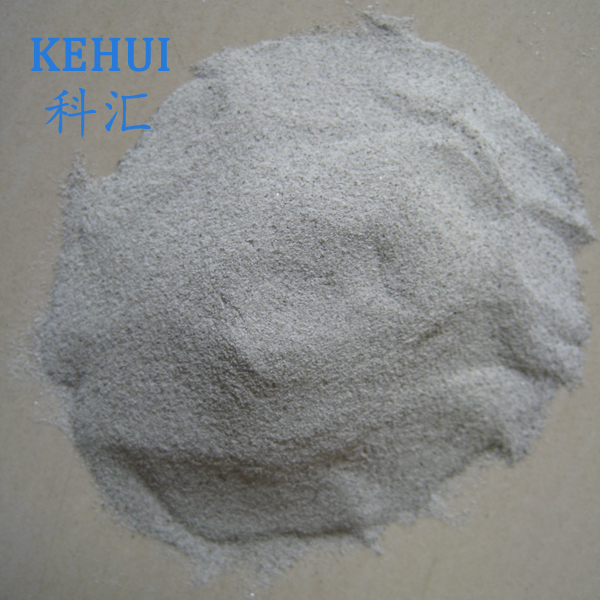
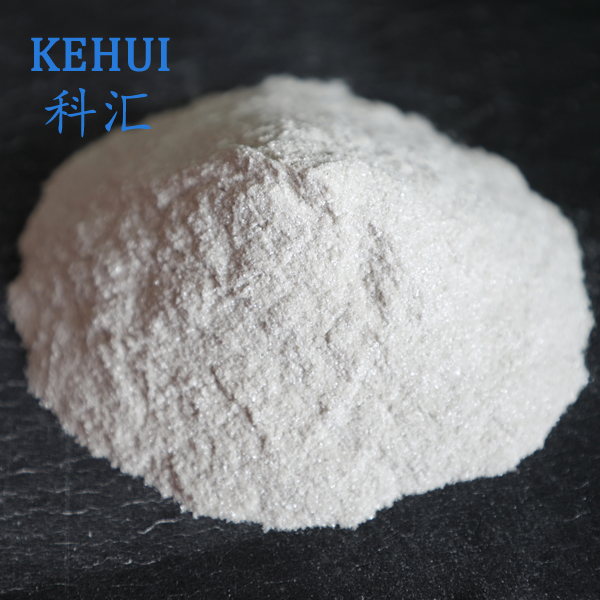
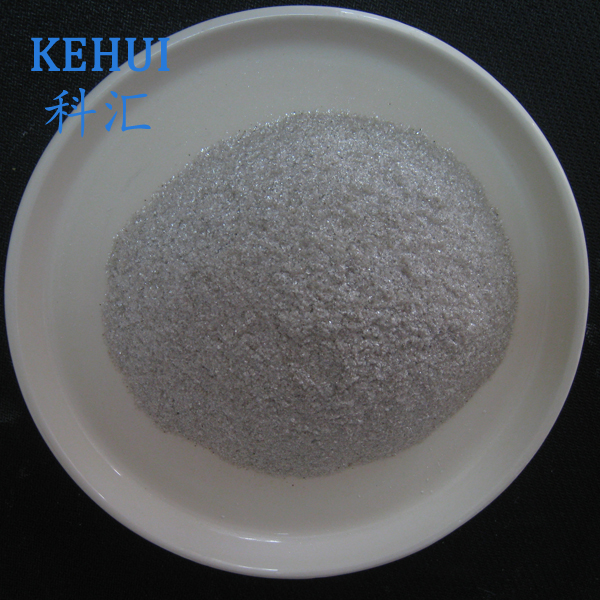
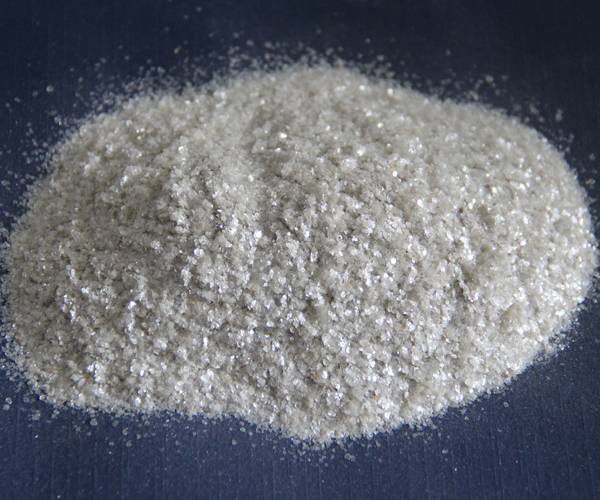
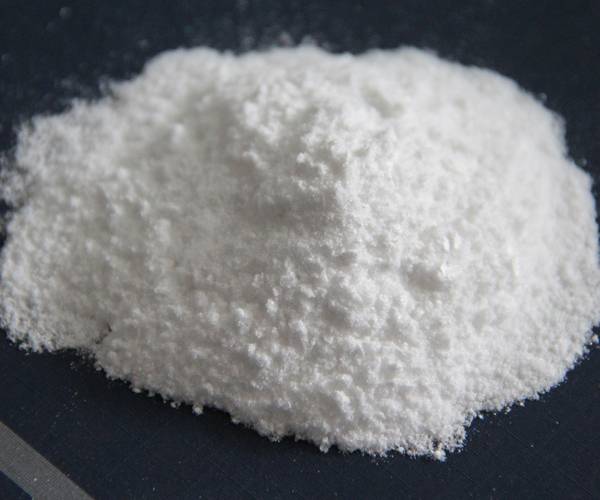
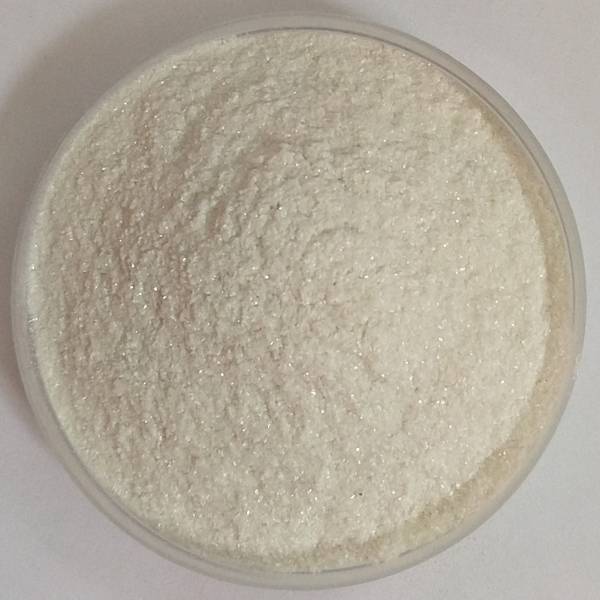
Perlite is a naturally occurring volcanic glass that, when heated rapidly, expands into lightweight, porous granules — that’s the perlite you find mixed into soilless potting mixes or garden soils. When blended into soil, these perlite granules improve aeration, water retention, and drainage all at once, creating an environment where roots thrive.
Think of it like tiny volcanic bubbles suspended in your medium, keeping soil loose and allowing oxygen to reach the roots while holding on to just enough moisture. This is a huge deal for container gardens, hydroponics, and large-scale agriculture alike.
Because perlite is chemically inert and sterile, it doesn’t add nutrients but improves the physical qualities of the soil, facilitating healthier plant growth. It also resists decay, making it a long-lasting additive.
Mini takeaway: Perlite soil is essentially soil upgraded with volcanic glass beads to optimize root health and moisture balance.
Core Components and Key Factors of Perlite Soil
1. Aeration
Perlite’s porous structure means soils stay fluffy and well-aerated, which is critical because roots need oxygen to take up nutrients efficiently. Many growers notice healthier root systems and better drainage due to this property.
2. Water Retention
Oddly enough, perlite holds water like a sponge — but with balance. It stores moisture in its pores yet drains excess quickly, preventing waterlogging. This dual action is especially useful in drought-prone or unevenly watered areas.
3. Lightweight yet Durable
Unlike heavier clay or sand amendments, perlite remains lightweight, reducing soil compaction and easing transportation costs for agricultural suppliers. Once in the soil, it doesn’t break down, which means better long-term soil structure.
4. pH Neutral and Non-Toxic
Perlite is generally pH neutral, making it compatible with most soils and plants without chemical interference. Its inert nature also means it's safe for organic farming.
5. Scalability
Whether you’re mixing a small batch for houseplants or amending thousands of hectares, perlite soil amendment scales easily. Global production keeps pace, making it accessible for various sized operations.
6. Cost Efficiency
While it is more expensive than basic sand or gravel amendments, its long-lasting benefits and reduced irrigation needs often make it a sound investment over time.
Mini takeaway: Perlite enhances soil aeration, moisture control, and durability with an eco-neutral footprint and at a scalable cost.
Product Specification Table: Typical Perlite Soil Properties
| Property | Typical Range/Value | Notes |
|---|---|---|
| Bulk Density | 90 - 110 kg/m³ | Lightweight |
| pH | 6.5 - 7.5 | Near neutral |
| Water Retention | 50-70% volume | Porous structure holds moisture |
| Particle Size | 1-4 mm typical | Suitable for soil mixes |
| Thermal Conductivity | 0.06 - 0.10 W/mK | Helps insulation in soil |
Global Applications & Use Cases
Perlite soil isn’t just talked about in hobbyist circles — it’s being deployed worldwide in some quite impactful ways:
- Agriculture: In arid regions like parts of the Middle East, perlite improves water retention, enabling better crop yields with less irrigation.
- Horticulture: Nurseries globally use perlite to promote root development and reduce disease by improving drainage.
- Construction: Used as lightweight aggregate in plaster and concrete, perlite increases insulation, aiding energy efficiency in buildings.
- Environmental Remediation: Perlite helps filter pollutants from water, absorbing oils and heavy metals in industrial zones.
- Disaster Relief Farming: NGOs implement perlite soil mixes to restart crop growth after floods or other soil disruptions, speeding recovery.
For instance, in California’s wildfire-impacted lands, perlite amendments aid soil recovery by improving aeration where soil has become compacted and sterile.
Mini takeaway: From dry farms to disaster zones, perlite soil adapts to diverse global challenges, blending horticulture with humanitarian aid.
Vendor Comparison Table: Perlite Soil Suppliers Overview
| Supplier | Bulk Density (kg/m³) | Particle Size Range (mm) | Typical MOQ | Price Range (USD/ton) | Notes |
|---|---|---|---|---|---|
| Kehui Perlite | 100 | 1-4 | 5 tons | $180 - $220 | Reliable quality, global shipping |
| Global Perlite Co. | 95 | 0.5-3 | 10 tons | $160 - $200 | Competitive pricing, regional focus |
| EcoGrow Minerals | 110 | 2-5 | 3 tons | $200 - $240 | Premium grade, eco-certified |
Long-Term Advantages of Using Perlite Soil
The benefits go beyond simple gardening convenience. Using perlite soil means lower water needs, helping conserve a precious resource — a logical advantage for any farmer or gardener.
From a sustainability angle, perlite is mined responsibly in some regions, and because it doesn’t degrade, it reduces the need for repeated soil amendments. This helps reduce waste. Socially, improved soil means better yields and can translate to food security improvements in vulnerable regions — that’s emotional impact meeting practicality.
Many growers trust the long-term reliability of perlite for maintaining soil structure season after season, making it a go-to in commercial operations. In short, it builds resilience for plants and communities alike.
Mini takeaway: Perlite soil’s real strength lies in its ability to marry sustainability, cost savings, and social impact all in one package.
Looking Ahead: Future Innovations and Trends
There’s an interesting shift toward blending perlite with biochar, coconut coir, or reclaimed organic matter to push sustainability even further. Smart agriculture startups are exploring sensors embedded in these mixes to optimize irrigation based on precise moisture levels.
On the policy front, as governments prioritize climate-smart agriculture, incentives for soil health improvements mean perlite’s adoption might accelerate. Plus, greener mining practices promise to reduce the environmental cost of extraction.
Lastly, lightweight insulating materials for construction, which incorporate perlite, align with green building codes to reduce energy use — tying agricultural and industrial futures together in one interesting bundle.
Mini takeaway: Expect perlite soil to evolve alongside tech and sustainability priorities, becoming even smarter and greener.
The Real Issues: Challenges and How Experts Address Them
Perlite isn’t flawless. Its dusty powder can pose inhalation risks during handling, so PPE is crucial. Also, while it retains moisture well, it doesn’t provide nutrients — so it must be used alongside fertilizers.
Importers sometimes face shipping challenges because it’s bulky, driving up freight costs. But innovations in packaging and sourcing locally help mitigate this.
Interestingly, some critics point to mining impacts, although certified suppliers follow best practices to minimize damage. Many researchers are working on recycling spent perlite to further reduce waste.
Mini takeaway: Like any raw material, perlite soil has limitations, but proactive management and tech advances mitigate these concerns effectively.
FAQ: Common Questions About Perlite Soil
- Q: How does perlite soil improve water retention without causing root rot?
- A: Perlite’s porous structure holds moisture inside its granules but also drains excess water quickly. This balance prevents waterlogging and helps roots breathe while staying hydrated.
- Q: Is perlite soil suitable for hydroponic systems?
- A: Absolutely. Perlite is often used in hydroponic growing media because it is sterile, lightweight, and retains moisture without compacting.
- Q: Can perlite soil help in reclaiming degraded or compacted soils?
- Yes, adding perlite improves soil aeration and drainage, which can restore microbial activity and root penetration in heavy or damaged soils.
- Q: What precautions should be taken when handling perlite?
- Wear a dust mask and gloves during mixing to avoid inhaling fine dust particles. Ensure good ventilation in enclosed spaces.
- Q: How do I choose the right particle size for my application?
- Larger particles (2-4mm) are great for bulk aeration and drainage, while smaller particles (0.5-2mm) are better for seed starting or delicate plants.
Conclusion: Why Perlite Soil Is a Smart Choice Today and Tomorrow
In the end, perlite soil represents a simple yet powerful innovation that enhances soil health, conserves water, and supports sustainable growth worldwide. Whether you’re a farmer battling drought, a builder aiming for better insulation, or an NGO restoring post-disaster landscapes, perlite plays a quiet but influential role.
To explore reliable sources and suppliers or learn more about how perlite can upgrade your soil and projects, do visit our website. Seriously, it’s a resource worth bookmarking.
Thanks for sticking with me through this — sometimes the soil beneath our feet has stories worth telling.
References:
Latest news
-
Global Analysis and Trends of the Calcined Mica Flakes MarketNewsApr.16,2026
-
Technical Benefits of Calcined Mica for Welding ElectrodesNewsApr.09,2026
-
Superior Calcined Mica for Electrical Insulators Applications and BenefitsNewsApr.07,2026
-
Exploring the Versatility of Calcined Mica for Decoration and Diverse ApplicationsNewsApr.04,2026
-
Exploring Calcined Mica Properties Applications and Sourcing OptionsNewsMar.31,2026
-
Exploring the Versatile Applications of Mica Flakes Powder Across IndustriesNewsMar.28,2026
-
Comprehensive Guide to 100 Mesh Mica Powder Applications and Industrial BenefitsNewsMar.26,2026
Related Products