Bulk Perlite: What It Is and Why It Matters to Industry and Beyond
When you hear the word bulk perlite, what probably comes to mind is some fancy-sounding mineral — and you'd be right. But it's far more than just a geological curiosity. Bulk perlite is a lightweight, volcanic glass material expanded into a fluffy, porous form by heating. That process turns it into a versatile, economical product with huge benefits. Nowadays, it shows up in everything from construction insulation to horticulture. And frankly, the global reach and sustainability angles make understanding bulk perlite surprisingly important — whether you’re an engineer, a grower, or a disaster relief coordinator.
Let's unpack why bulk perlite is gaining traction and how it weaves into so many modern industries.
The Global Context: Why Bulk Perlite is More Than Just Mineral Dust
Perlite production is global but concentrated in countries like the US, Greece, Turkey, and China. According to the US Geological Survey, world mine production topped several million tons annually in recent years. Why the buzz? Because perlite addresses some pressing challenges like energy-efficient construction and soil enhancement worldwide.
For instance, the International Organization for Standardization notes increasing adoption of eco-friendly insulation materials. Bulk perlite, owing to its natural fire resistance and insulation properties, fits the bill perfectly. At the same time, agricultural sectors in arid zones rely heavily on perlite's water retention qualities — a tiny but vital help against soil degradation and food insecurity.
Yet, despite all this potential, industries often wrestle with ensuring a consistent supply of quality bulk perlite, optimizing its performance in varying applications, and navigating environmental regulations.
Mini takeaway:
Bulk perlite is not just a mineral; it’s a global enabler for energy saving and sustainable agriculture, with emerging importance as climate challenges grow.
So, What Exactly Is Bulk Perlite?
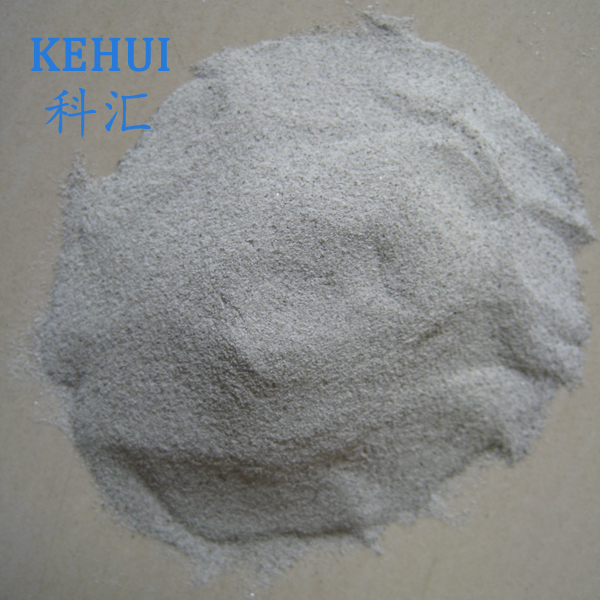
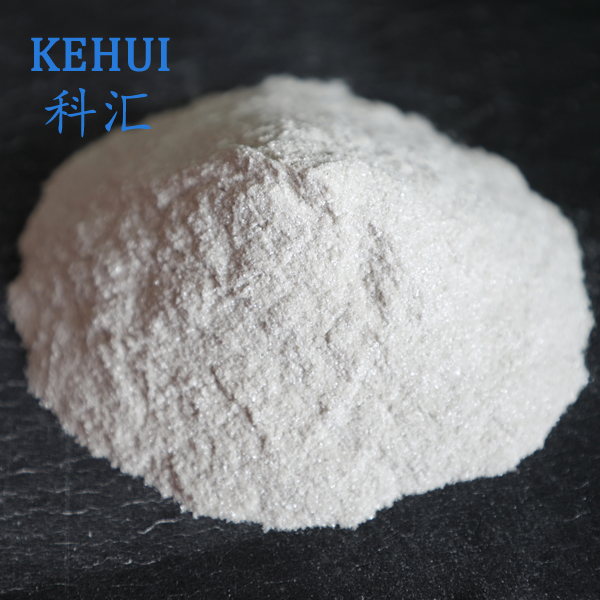
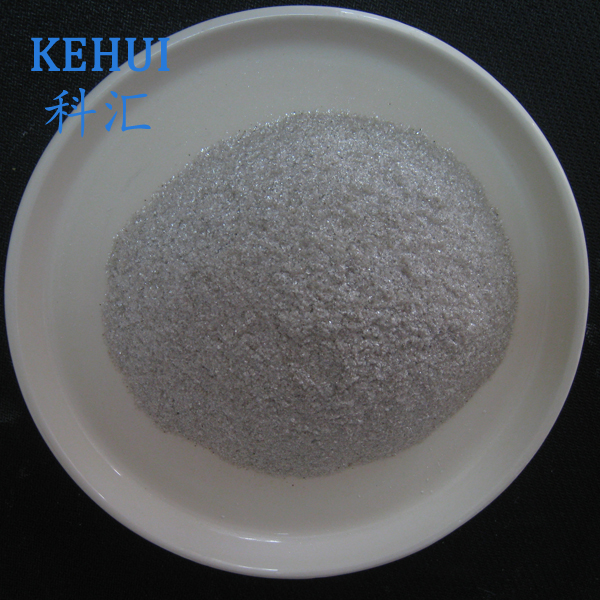
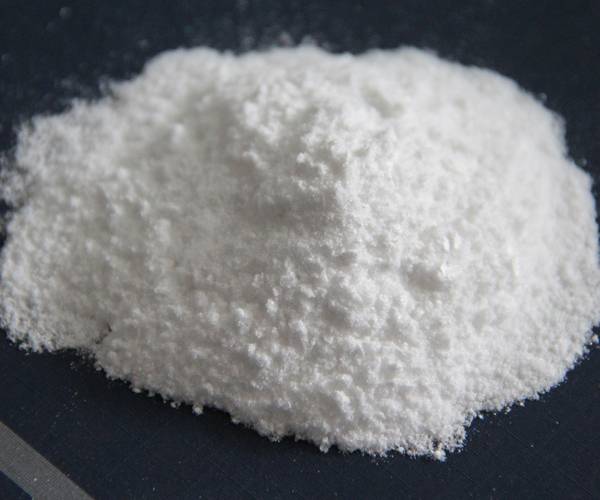
Let's clarify the term. Perlite, in its raw form, is volcanic glass loaded with microscopic water pockets. When heated above 850°C, these pockets expand, turning the raw rock into a lightweight, porous, white material we call expanded perlite. “Bulk” refers to this expanded form delivered in large quantities rather than packaged fine powders or pellets.
Why the fuss about bulk perlite? Its unique structure provides excellent insulation, drainage, and soil aeration. It connects seamlessly with industries needing lightweight aggregate for concrete, soil conditioners for plants, and even filters in food and pharma.
In humanitarian terms, perlite's fire resistance and lightness make it useful in shelters, disaster relief constructions, and thermal insulation, improving comfort and safety.
Key Components That Make Bulk Perlite Tick
1. Lightweight Nature
Bulk perlite weighs roughly 30-150 kg/m³, depending on expansion. This makes it fantastic for reducing structural loads in buildings and easy transportation. In global shipping contexts, this lightness often translates into cost-effective logistics.
2. Thermal Insulation
Thanks to the many tiny air pockets, it boasts a thermal conductivity of around 0.04 W/m·K—comparable to other advanced insulating materials. So it’s ideal for walls, roofs, and refractory linings.
3. Water Retention and Drainage
In soils and potting mixes, bulk perlite improves aeration and water-holding capacity without compaction. Gardeners and farmers alike appreciate it for promoting healthier root systems and better yields.
4. Fire Resistance
Perlite won’t burn or emit toxic gases, a major factor in construction safety standards worldwide.
5. Chemical Stability
It’s inert, non-toxic, and pH neutral, so it won’t react chemically in soils or concrete mixes, ensuring durability.
Mini takeaway:
It’s a rare combination of lightness, insulation, fire resistance, and chemical stability that puts bulk perlite ahead in so many fields.
Where Bulk Perlite Makes a Difference: Real-World Applications
From the American Midwest to Mediterranean farms, bulk perlite finds a home in diverse sectors:
- Construction: Lightweight aggregates in concrete, loose-fill insulation in walls and floors, and refractory materials in furnaces and kilns.
- Horticulture: As a soil improver for seedlings, orchids, and hydroponics, especially in water-challenged regions such as California or the Middle East.
- Filtration: Used as a filter medium for beverages, pharmaceuticals, and water treatment plants.
- Disaster Relief & Shelter: Lightweight insulation panels and masonry additives for temporary shelters post-earthquakes or floods in countries like Nepal and the Philippines.
Oddly enough, bulk perlite is a quiet hero across continents, proving its value repeatedly.
Mini takeaway:
Bulk perlite isn’t confined to labs or factories—it touches agriculture, construction, healthcare, and emergency response worldwide.
Advantages and Their Long-Term Value
Why do many engineers and sustainability experts champion bulk perlite? Aside from the obvious technical benefits, let’s not forget the deeper value:
- Cost Efficiency: Reduces material weight and energy costs, often replacing more expensive synthetic insulators.
- Sustainability: Naturally sourced and recyclable, with zero harmful emissions in use.
- Social Impact: Improves living conditions in low-resource settings; enhances agricultural resilience.
- Reliability and Safety: Fireproof and stable, raising trust in construction and product safety standards.
Some people are surprised by how this humble mineral quietly nudges industries toward more responsible practices.
A Quick Specification Look at Typical Bulk Perlite Products
| Specification | Typical Value | Units |
|---|---|---|
| Bulk Density | 60–120 | kg/m³ |
| Thermal Conductivity | 0.04–0.06 | W/m·K |
| Moisture Content | % | |
| pH Value | 6.5–8.0 | - |
| Fire Resistance Rating | Non-combustible | - |
Bulk Perlite Vendors: Comparing What’s on Offer
| Vendor | Typical Bulk Density (kg/m³) |
Expansion Rate | Packaging Options | Lead Time |
|---|---|---|---|---|
| Perlite Pros Inc. | 75–100 | 14–20x volume | Bulk, bagged | 2 weeks |
| Global Perlite Ltd. | 50–110 | 15–18x volume | Bulk, super sacks | 3 weeks |
| EcoGreen Minerals | 60–130 | 16–22x volume | Bagged only | 1 week |
Looking Ahead: Innovations and Trends in Bulk Perlite
The future feels bright for bulk perlite. Engineers and scientists explore combining it with nanomaterials to enhance insulation or fireproofing even further. Digital supply chain management is improving availability, especially in developing areas. There's a push for low-carbon mining and processing to align with UN Sustainable Development Goals.
What’s more, integration with green energy building codes is raising demand for perlite-based insulation. There are also promising signs that perlite blends could reduce cement use in concrete — slashing CO₂ footprints.
Mini takeaway:
Bulk perlite isn’t just resting on its laurels — innovation and policy are turbocharging its role in sustainability and efficiency.
Challenges & Smart Solutions
Of course, nothing's perfect. Supply variability, dust control, and proper handling can trip up bulk perlite users. That dusty white fluff isn’t always fun to move around!
New packaging solutions, like moisture-sealed big bags and dust suppressants, help. Plus, quality standards and certifications reduce business risks and make implementation smoother.
Experts also advise close supplier partnerships for predictable supply and tailored product grades. Collaboration seems key.
FAQ: Practical Questions About Bulk Perlite
Q1: How is bulk perlite typically shipped and stored to prevent damage?
A1: Bulk perlite is usually shipped in large bags, bulk containers, or super sacks to minimize dust and moisture exposure. Storage should be in dry, covered areas to prevent clumping. Proper handling equipment like vacuum loaders can reduce product loss and contamination.
Q2: Can bulk perlite be reused in construction or horticulture applications?
A2: Yes, perlite's inertness means it can be reused if clean and uncontaminated. In horticulture, reused perlite should be sterilized to avoid pathogens. In construction, recycled perlite aggregate may be mixed with new materials, depending on local standards.
Q3: What kind of environmental certifications do bulk perlite suppliers typically hold?
A3: Many suppliers comply with ISO 14001 (environmental management) and offer documentation on sustainable mining practices. Certifications vary by region but look for eco-labels ensuring low-impact extraction and processing.
Q4: How can international buyers ensure product consistency when importing bulk perlite?
A4: Working with reputable suppliers who provide detailed specifications, inspection certificates, and possibly third-party lab tests helps. Buyers should request samples and negotiate quality agreements to match application needs.
Q5: What are common substitutes for bulk perlite, and when might they be preferred?
A5: Alternatives include expanded clay, vermiculite, and foam glass. These might be chosen over bulk perlite for specific weight, cost, or physical property needs. But perlite's fire resistance and chemical inertness often give it an edge.
Conclusion: Why Bulk Perlite Deserves a Spot on Your Radar
From insulation and soil amendment to filtration and emergency shelters, bulk perlite quietly performs a multitude of tasks that benefit industry and humanity alike. Along with delivering cost savings and sustainability, it bolsters safety and resilience.
If your work touches construction, agriculture, or environmental management, getting familiar with bulk perlite's potential isn’t just smart — it’s timely.
Curious to explore bulk perlite options tailored to your needs? Visit bulk perlite for detailed information, technical support, and sourcing solutions.
“Sometimes the lightest materials carry the heaviest benefits.”
References
Latest news
-
Global Analysis and Trends of the Calcined Mica Flakes MarketNewsApr.16,2026
-
Technical Benefits of Calcined Mica for Welding ElectrodesNewsApr.09,2026
-
Superior Calcined Mica for Electrical Insulators Applications and BenefitsNewsApr.07,2026
-
Exploring the Versatility of Calcined Mica for Decoration and Diverse ApplicationsNewsApr.04,2026
-
Exploring Calcined Mica Properties Applications and Sourcing OptionsNewsMar.31,2026
-
Exploring the Versatile Applications of Mica Flakes Powder Across IndustriesNewsMar.28,2026
-
Comprehensive Guide to 100 Mesh Mica Powder Applications and Industrial BenefitsNewsMar.26,2026
Related Products