Dec . 02, 2025 06:50
Back to list
Perlite for Gardening: Enhancing Soil Health & Sustainable Growth Worldwide
Understanding Perlite for Gardening: Why It Matters Globally
Perlite for gardening might sound like just another horticulture buzzword, yet it’s an unsung hero in sustainable agriculture and landscaping. Globally, the demand for lightweight, aerating soil additives is expanding, and perlite seamlessly fits this niche. Fundamentally, understanding perlite’s role is key to improving soil health, optimizing water retention, and promoting sustainable crop production—especially critical as the world faces urbanization pressures and climate challenges.
With the global population expected to reach nearly 9.8 billion by 2050, according to UN population data, the strain on agricultural systems intensifies. Perlite offers a way to produce more with less—less water, less chemical fertilizer, less soil degradation. Oddly enough, this volcanic glass, when treated, becomes a powerhouse soil amendment helping gardeners and large-scale farmers alike.
Mini takeaway:
- Perlite improves soil properties globally, aiding food security and sustainable gardening.
Perlite for Gardening: A Definition and Its Significance
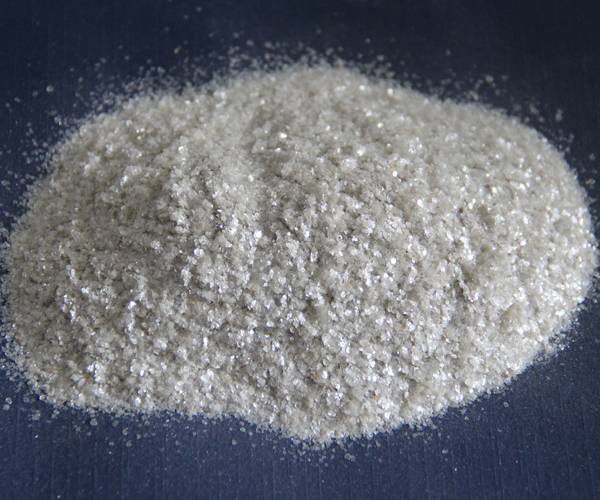
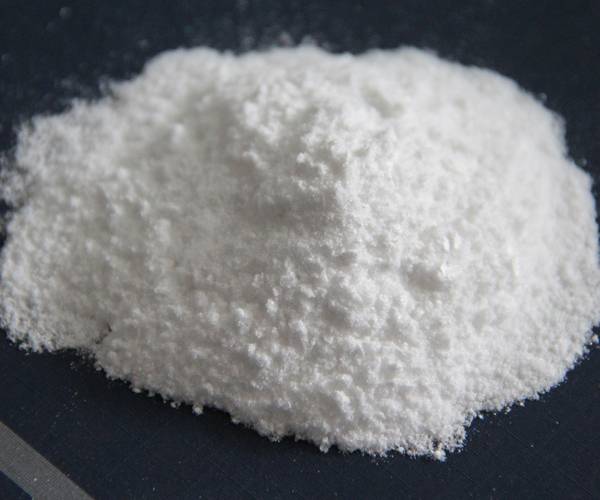
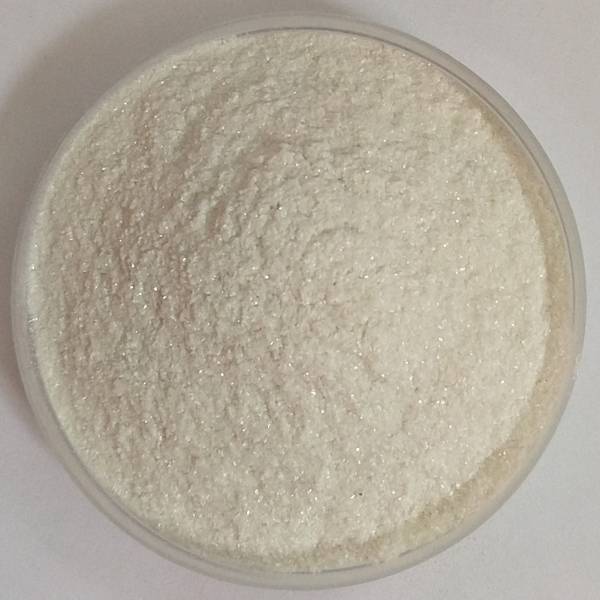
Simply put, perlite for gardening refers to the expanded form of volcanic glass that’s processed by heating to create a lightweight, porous material. When mixed into soil, it improves aeration and drainage, preventing compaction and root rot, while holding enough moisture to nourish plants. Because of its inert nature, perlite doesn’t alter soil chemistry, making it a safe growing medium for delicate plants.
This material’s role goes beyond hobby gardeners fussing over their windowboxes. It’s widely embraced in commercial horticulture, hydroponics, and even humanitarian projects aiming to rebuild agriculture in degraded or disaster-affected lands. Perlite’s connection to modern agricultural technology highlights how ancient natural substances still shape contemporary solutions.
Mini takeaway:
- Perlite is a natural volcanic glass that enhances soil structure without chemical interference.
Key Factors That Make Perlite Essential for Gardening
1. Porosity & Aeration
One of perlite’s main strengths is its porous structure. This ensures roots get ample oxygen, which is vital for healthy growth. Root suffocation is a common issue in heavy or poorly drained soils. Perlite creates tiny air pockets that alleviate this.
2. Moisture Retention
While it promotes drainage, perlite also retains small amounts of moisture, releasing it slowly to plant roots. It’s a fine balance—helping plants survive dry spells without waterlogging the roots.
3. Lightweight & Easy Handling
Compared to traditional soil amendments like sand, perlite is feather-light. This makes it easier for both commercial growers and home gardeners to transport and mix it—meaning less energy and cost in handling.
4. pH Neutrality & Chemical Inertness
Perlite's neutrality means it won’t upset the natural pH balance of soil or react badly with fertilizers and other amendments, unlike some clays or mineral additives. This ensures stable, predictable growing conditions.
5. Sterility & Pest Resistance
Because it’s heat-treated during expansion, perlite is naturally sterile and resistant to pests, fungi, and bacteria—an important consideration in controlled-environment agriculture and organic gardening.
Mini takeaway:
- Its porosity, moisture balance, and neutrality make perlite highly versatile for diverse gardening needs.
Global Applications & Use Cases of Perlite for Gardening
Across the globe—from Europe’s greenhouses to Australia’s arid farms—perlite finds a place. In hydroponics, growers use it alone or mixed with coco coir to support root systems without soil. In urban rooftop gardens, perlite’s lightweight nature helps avoid structural stress while maintaining a lively growing medium.
Post-disaster relief organizations tap into perlite when rehabilitating land impacted by floods or fires. Its ability to improve nutrient-poor or compacted soils helps restore agricultural productivity quickly. Some NGOs even send shipments to refugee camps to empower small-scale, resilient food production.
Industrial-scale nurseries in the US and Mediterranean regions use perlite blends to enhance container plant health, ultimately shortening growth cycles and reducing losses.
Mini takeaway:
- Perlite is globally relevant, from high-tech hydroponics to crucial humanitarian agricultural rehabilitation.
Product Specifications of Common Gardening Perlite
| Spec | Typical Value | Notes |
|---|---|---|
| Bulk density | 90–110 kg/m³ | Lightweight for ease of transport |
| Particle size | 1–4 mm typical | Varies by application |
| Water retention capacity | 40–50% by volume | Balances moisture and drainage |
| pH | 6.5–7.5 | Neutral to slightly alkaline |
Vendor Comparison: Leading Perlite Suppliers for Gardening
| Supplier | Quality Grade | Price Range (per ton) | Delivery Speed | Certifications |
|---|---|---|---|---|
| Kehuimica | Premium Horticultural Grade | $250–300 | 2 weeks (global shipping) | ISO 9001, EcoCert |
| Global Perlite Inc. | Standard Grade | $200–250 | 3–4 weeks | ISO 14001 |
| EcoGrow Materials | Organic Certified Grade | $280–320 | 1–2 weeks | USDA Organic, EcoCert |
Advantages & Long-Term Value of Perlite in Gardening
Using perlite offers straightforward cost benefits: improved plant growth reduces the need for costly replacement or excessive chemical intervention. Environmentally, perlite is inert and natural, contributing to sustainability goals by reducing fertilizer runoff and water waste. It also supports root safety, which to me feels like caring for plants’ unseen foundation—crucial, but often overlooked.
On an emotional level, gardeners often describe the satisfaction of nurturing healthier plants, knowing they rely on “earth-friendly” materials. Innovators like hydroponic pioneers trust perlite for its consistency and reliability, fostering confidence in novel cultivation methods.
Mini takeaway:
- Perlite delivers sustainable growth, cost efficiency, and emotional satisfaction through improved plant health.
Future Trends & Innovations in Perlite Use
Looking ahead, perlite’s integration into smart agriculture is advancing. Automated mixing systems now blend perlite precisely with other substrates, optimizing crop yields. Researchers explore hybrid blends combining perlite with biochar or recycled materials to enhance carbon sequestration in soil.
Moreover, green energy efforts emphasize lightweight materials like perlite for rooftop and vertical gardens, helping cities go greener with minimal structural impact. Policymakers are beginning to recognize soil health amendments like perlite as part of broader sustainable development goals (UN SDGs).
Challenges & Expert Solutions
Perlite’s biggest limitation is its non-renewable origin—mined volcanic glass—which calls for responsible extraction and recycling. Some gardeners worry about dust inhalation during handling, which can be mitigated by wetting the material before use. Price fluctuations also impact smaller operations.
Experts suggest combining perlite with other locally sourced amendments to preserve natural resources. Innovation in pelletized or coated perlite products minimizes dust and improves longevity, addressing practical and health challenges.
FAQ: Frequently Asked Questions About Perlite for Gardening
- How does perlite improve soil aeration?
- It creates tiny air pockets within the soil, preventing compaction and allowing roots to access oxygen essential for nutrient uptake and growth.
- Is perlite suitable for all types of plants?
- Perlite is versatile and safe for most plants but especially benefits those requiring well-drained, aerated soil like succulents, tomatoes, and orchids.
- Can I reuse perlite after a growing season?
- Yes, with proper sterilization and cleaning, perlite can be reused, although it may lose some structural integrity over multiple cycles.
- Does perlite affect soil pH?
- No, perlite is chemically inert and maintains a near neutral pH, so it won’t cause pH fluctuations in your soil.
- Where can I buy high-quality perlite for gardening?
- There are many suppliers worldwide; Kehuimica offers premium grades with reliable certification and global shipping.
Conclusion & Call to Action
To sum it up, perlite for gardening is more than just a soil additive—it's a catalyst for healthier plants, sustainable practices, and efficient water use, helping tackle agricultural challenges worldwide. Whether you’re a home gardener or a commercial grower, integrating perlite can transform your growing success stories.
Curious to discover more about how perlite can improve your gardening experience? Visit our website: https://www.kehuimica.com and explore premium perlite solutions designed with your needs in mind.
Brief reflection:
It’s fascinating how a naturally occurring volcanic material like perlite continues to evolve in its applications from ancient geology to modern, sustainable agriculture. The blend of tradition and technology here really invites optimism for greener tomorrow’s gardens.
Latest news
-
Global Analysis and Trends of the Calcined Mica Flakes MarketNewsApr.16,2026
-
Technical Benefits of Calcined Mica for Welding ElectrodesNewsApr.09,2026
-
Superior Calcined Mica for Electrical Insulators Applications and BenefitsNewsApr.07,2026
-
Exploring the Versatility of Calcined Mica for Decoration and Diverse ApplicationsNewsApr.04,2026
-
Exploring Calcined Mica Properties Applications and Sourcing OptionsNewsMar.31,2026
-
Exploring the Versatile Applications of Mica Flakes Powder Across IndustriesNewsMar.28,2026
-
Comprehensive Guide to 100 Mesh Mica Powder Applications and Industrial BenefitsNewsMar.26,2026
Related Products