Dec . 02, 2025 06:10
Back to list
Comprehensive Guide to Perlite and Vermiculite: Uses, Benefits, and Global Impact
Understanding Perlite and Vermiculite: Essential Industrial Minerals
On the surface, perlite and vermiculite might sound like niche minerals with limited uses, but dig a little deeper and you'll see they're quietly powering a surprising breadth of industries worldwide. From supporting agricultural productivity to insulating green buildings, these materials matter globally. Why should you care? Because their role in sustainability, construction, and humanitarian efforts presents practical solutions to some pressing global challenges — like resource scarcity and disaster resilience.
Global Relevance of Perlite and Vermiculite
The World Bank and United Nations reports note a persistent need for lightweight, affordable, and environmentally friendly building materials and soil amendments, especially in developing regions. Perlite and vermiculite fit neatly into this gap. Perlite and vermiculite industries have seen steady growth, with global production hitting millions of tons annually. These minerals help address problems tied to soil degradation, energy inefficiency in buildings, and humanitarian shelter needs.
Interestingly, as urbanization accelerates and climate stresses increase, materials like perlite and vermiculite offer scalable solutions that are both cost-effective and sustainable — an intersection that industry insiders always keep an eye on.
What Are Perlite and Vermiculite?
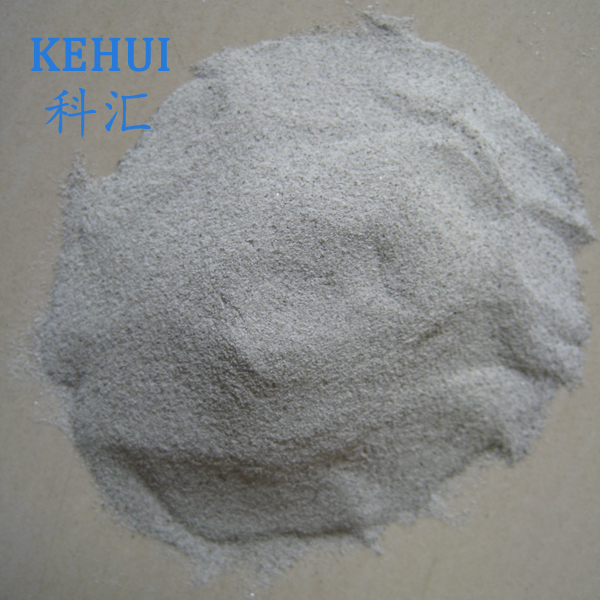
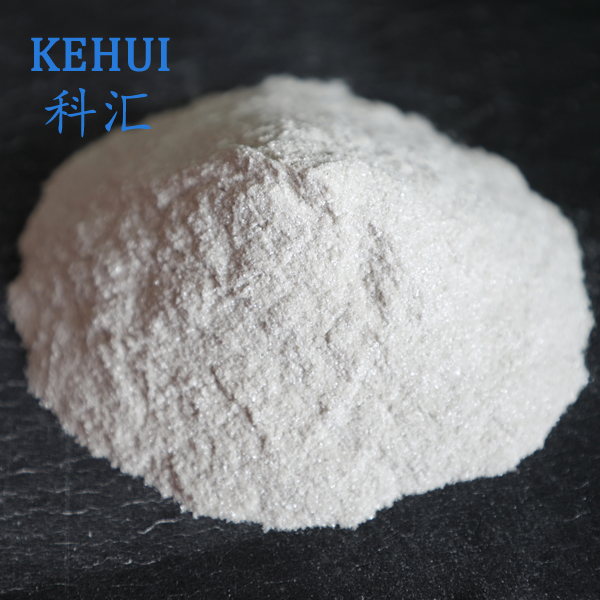
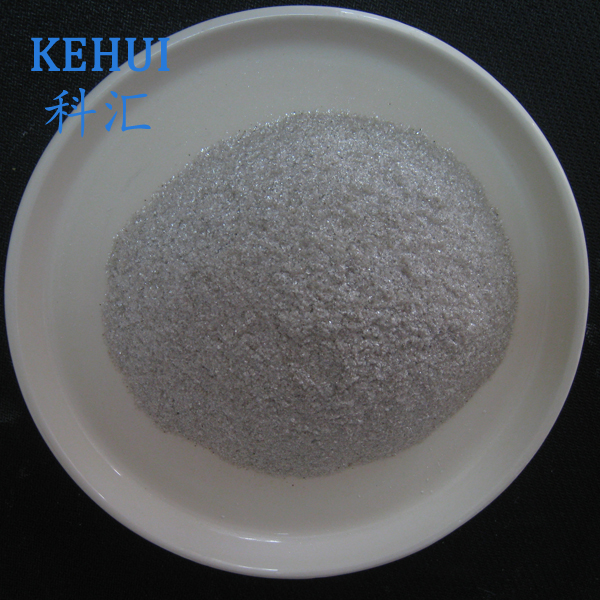
At their core, perlite is a volcanic glass that, when rapidly heated, expands to a lightweight, porous structure. Vermiculite, by contrast, is a hydrated phyllosilicate mineral that expands when exposed to heat, becoming lightweight and absorbent. Both are naturally occurring, but their transformative qualities make them highly versatile in industries ranging from horticulture to construction.
In real terms, you might find perlite in potting soils improving aeration or vermiculite in packaging materials protecting delicate electronics. Humanitarian agencies also use these minerals to improve insulation in shelters, maintaining comfort in extreme climates.
Core Features of Perlite and Vermiculite
1. Lightweight Nature
Both materials are renowned for their low bulk density, which reduces overall weight in construction materials and soil media — a huge plus for shipping and manual labor.
2. Thermal Insulation
Oddly enough, these minerals trap air effectively. This makes their expanded forms great insulators, used widely in green building projects and industrial kilns.
3. Water Retention and Drainage
Especially vermiculite offers impressive moisture retention without waterlogging, balancing water availability for plants or reducing mold risks in insulation.
4. Chemical Inertness and pH Neutrality
Both tend to be chemically stable, so they don't interfere with sensitive manufacturing processes or soil chemistry — important for agriculture and industrial applications alike.
5. Cost Efficiency
Given their abundance and easy processing, perlite and vermiculite provide affordable options compared to synthetic alternatives, which helps keep large projects within budget.
Product Specification Table: Typical Properties of Perlite & Vermiculite
| Property | Perlite | Vermiculite |
|---|---|---|
| Bulk Density (kg/m³) | 90 - 130 | 45 - 110 |
| Thermal Conductivity (W/m·K) | 0.05 - 0.1 | 0.06 - 0.09 |
| Water Absorption (%) | 15 - 30 | 200 - 400 |
| pH Range | 6 - 8 | 7 - 9 |
| Typical Use Cases | Soil aeration, insulation, lightweight concrete | Soil moisture retention, packaging, fireproofing |
Mini takeaway: The physical and chemical profiles of these minerals mean versatile applications—strongly linked to the growing calls for sustainable materials worldwide.
Global Applications & Use Cases
- Agriculture: Enhancing soil aeration and moisture retention, improving crop yields especially in arid regions.
- Construction: Use in lightweight concrete, plaster, and insulation panels, notably in earthquake-prone zones.
- Disaster Relief: Agencies rely on these minerals for quickly deployable, insulated shelters, addressing immediate shelter and comfort.
- Industrial Manufacturing: Fireproofing materials and heat-resistant packaging leverage vermiculite's unique properties.
For instance, in Mediterranean farming regions, vermiculite-based blends have revived degraded soils, resulting in improved water-use efficiency. Meanwhile, in northern Europe, perlite's insulating properties reduce building energy consumption by up to 30%, contributing to climate goals.
Vendor Comparison Table: Perlite and Vermiculite Suppliers
| Vendor | Product Range | Global Reach | Sustainability Credentials | Average Lead Time |
|---|---|---|---|---|
| KeHu Minerals | Perlite, Vermiculite, Blends | Worldwide | ISO 14001 Certified | 2-4 weeks |
| Global Minerals Co. | Perlite Focused | Europe, Asia | Ongoing Certification | 3-6 weeks |
| Eco Insulation Ltd. | Vermiculite and Eco-Blends | North America | LEED Registered Supplier | 1-3 weeks |
Advantages & Long-Term Value
Perlite and vermiculite offer wins on multiple fronts. Economically, their availability keeps costs manageable. Environmentally, they’re natural, abundant, and recyclable — a rare trifecta. On the social side, they advance safe housing and agriculture, which ultimately promotes dignity and community resilience.
Simply put, these minerals help organizations save money, reduce carbon footprints, and improve lives. It's no exaggeration to say that investing in perlite and vermiculite fits neatly with the ethos of innovation and trustworthiness that many modern industries aim for.
Future Trends & Innovations
Looking ahead, the integration of perlite and vermiculite into green energy solutions excites many experts. For example, they’re being explored as components in next-gen solar panels and battery separators. Digital technologies are also enhancing quality control during mining and processing, boosting consistency for industrial clients.
Moreover, push for circular economy policies hints at more recycling of vermiculite-based insulation and perlite construction materials. Oddly enough, what once seemed like mundane minerals are becoming keystones in climate-smart construction and agriculture.
Challenges & Expert Solutions
No solution comes without hurdles, and these minerals are no exception. Variability in mineral grade can complicate quality assurance; mine-site environmental impact is another concern. Yet, advances in beneficiation technology and responsible mining standards show promise in tackling these issues.
For those sourcing perlite and vermiculite, partnering with suppliers who offer transparency and certifications helps maintain trust. Some companies even use blockchain for supply chain traceability—a neat development for a traditionally “old school” industry.
Frequently Asked Questions About Perlite and Vermiculite
- Q1: How do perlite and vermiculite differ in agricultural use?
- A1: Perlite is mainly used to improve soil aeration and drainage, while vermiculite holds more moisture and nutrients. Combining them often gives balanced soil conditions, especially beneficial for container plants and seed starting.
- Q2: Can these minerals be recycled or reused in construction?
- A2: Yes. Expanded perlite and vermiculite can be reclaimed from demolition waste and reused in insulation or lightweight concrete, reducing landfill waste and resource needs.
- Q3: Are perlite and vermiculite safe for indoor use?
- A3: Generally, yes. Both are chemically inert and non-toxic. However, dust during handling can cause irritation, so proper safety precautions like masks should be used during installation.
- Q4: How do NGOs import perlite and vermiculite internationally?
- A4: NGOs typically work with certified suppliers who provide export documentation and customs clearance support. It's crucial to check regulatory compliance in both export and import countries for smooth logistics.
Conclusion
As we've explored, perlite and vermiculite are more than just industrial minerals — they’re enabling smarter, greener, and more humane solutions worldwide. Their lightweight, insulating, and moisture-regulating properties address needs from agriculture to disaster relief and sustainable construction. Investing knowledge and resources into these materials ultimately pays dividends for economies, communities, and the planet alike.
For anyone interested in exploring perlite and vermiculite further or sourcing high-quality supplies, I recommend visiting KeHu Minerals. They combine expertise, environmental care, and a global network that makes a difference.
It’s fascinating how something so ordinary at first glance can have an extraordinary impact once you really understand its potential.
- United Nations Development Programme (UNDP) reports on sustainable building materials.
- Wikipedia: Perlite
- Wikipedia: Vermiculite
Latest news
-
Global Analysis and Trends of the Calcined Mica Flakes MarketNewsApr.16,2026
-
Technical Benefits of Calcined Mica for Welding ElectrodesNewsApr.09,2026
-
Superior Calcined Mica for Electrical Insulators Applications and BenefitsNewsApr.07,2026
-
Exploring the Versatility of Calcined Mica for Decoration and Diverse ApplicationsNewsApr.04,2026
-
Exploring Calcined Mica Properties Applications and Sourcing OptionsNewsMar.31,2026
-
Exploring the Versatile Applications of Mica Flakes Powder Across IndustriesNewsMar.28,2026
-
Comprehensive Guide to 100 Mesh Mica Powder Applications and Industrial BenefitsNewsMar.26,2026
Related Products