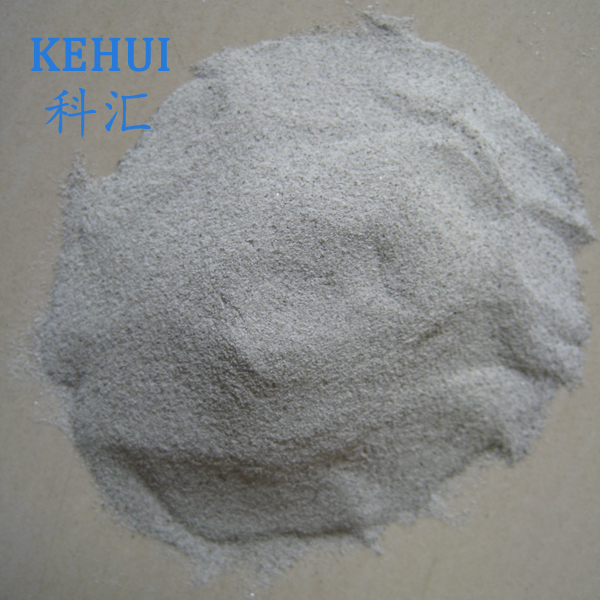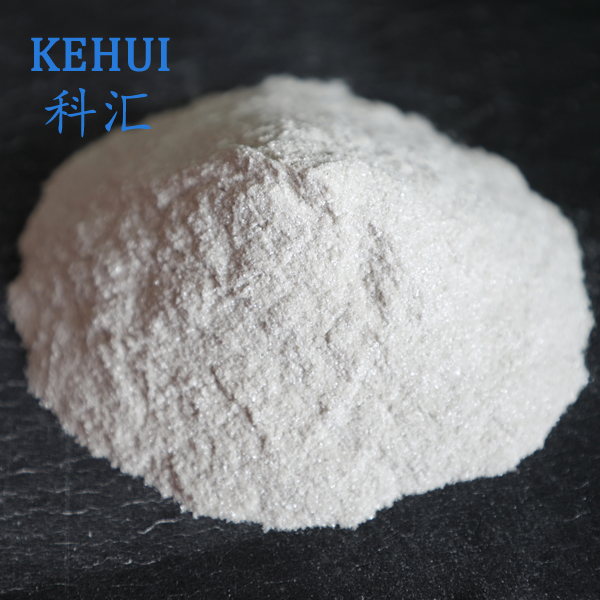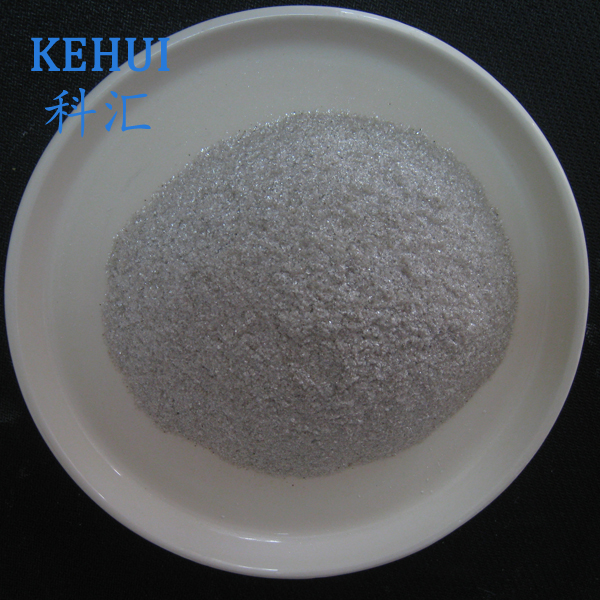
Understanding Muscovite Mica Hardness for B2B Applications
It's funny, you know, people often think of mica as just that sparkly stuff in rocks. But in the industrial world—especially in sectors like electronics, high-temperature insulation, and even some specialized paints—muscovite mica hardness is a surprisingly crucial property. It’s not about brute force resistance, frankly, but about maintaining integrity under stress, thermal shock, and sustained use. Kehuimica specializes in providing precisely tailored mica solutions, and I've seen firsthand how important the right specs can be. It’s a lot more complex than just picking ‘mica’ off a list.
Muscovite Mica Hardness: A Deep Dive
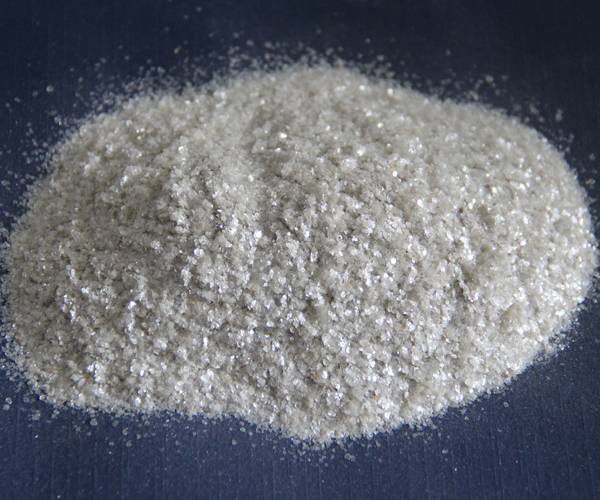
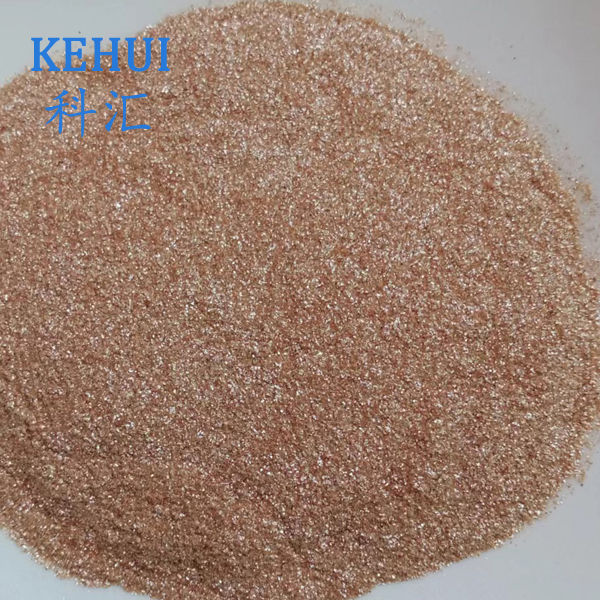
So, what is hardness when we’re talking about mica? It’s not measured like steel, of course. We’re looking at resistance to scratching and abrasion—Mohs hardness scale is the standard here, typically around 2.5 to 3. But that number doesn't tell the whole story. The way it cleaves, the perfect basal cleavage, is arguably more important. That means it splits easily along one plane, creating thin, flexible sheets. This is why it's so effective as an insulator. It’s the combination of this cleavage and the inherent hardness that gives it such versatility. Kehuimica’s muscovite mica consistently meets stringent industry standards, something we verify with regular testing. Here are some typical specs:
| Property | Specification | Testing Method |
|---|---|---|
| Mohs Hardness | 2.5 – 3 | Mohs Scale |
| Density | 2.7 – 2.8 g/cm³ | ASTM D891 |
| Dielectric Strength | >100 kV/mm | ASTM D149 |
Benefits & Use Cases of Muscovite Mica Hardness
You'll find this stuff everywhere, honestly. High-temperature electrical insulation is a big one—think motors, heating elements, even some specialized aerospace applications. It's also crucial in capacitor manufacturing. The purity and consistent cleavage plane are vital for producing reliable components. I suppose the demand has really increased with the push for more efficient and compact electronics. Oddly enough, it’s finding new life in cosmetics too, though that's a very different application! A recent client, a manufacturer of industrial heating coils, switched to Kehuimica's mica, and they reported a 15% reduction in coil failure rates—a pretty significant improvement. That speaks to the consistency of the product. Here's how some vendors stack up:
| Vendor | Purity | Consistency | Pricing |
|---|---|---|---|
| Kehuimica | 99.9% | Excellent | Competitive |
| Vendor A | 99.5% | Good | High |
| Vendor B | 99.7% | Variable | Low |
Cost, Maintenance & User Experience
The initial cost of high-quality muscovite mica can be higher than some alternatives, that’s true. But in real terms, the extended lifespan and reduced failure rates often make it the more economical choice. Maintenance is minimal; it doesn't corrode or degrade easily. Many engineers I've spoken with emphasize that the consistency of supply is a huge plus – you don't want to be scrambling for material mid-production. Kehuimica offers customized cutting and sizing, which reduces waste and simplifies integration for clients. It's the sort of thing that sounds small, but it saves time and money in the long run, you know?
Sustainability & Market Trends
There’s a growing focus on sustainable sourcing, and that’s definitely impacting the mica market. Demand for ethically mined mica is increasing, and companies are paying more attention to the environmental impact of extraction. The move towards smaller, more efficient electronics also drives demand for higher-quality insulating materials. I think we’ll see continued innovation in mica processing techniques to improve purity and reduce waste. Frankly, it feels like the demand will only increase.
Frequently Asked Questions about Muscovite Mica Hardness
- What is Muscovite Mica Hardness and how does it work?
- Muscovite mica hardness refers to its resistance to scratching, measured on the Mohs scale (around 2.5-3). Its unique layered structure allows for easy cleavage, making it a flexible and effective insulator, and vital for applications needing reliable performance.
- What are the main benefits of using Muscovite Mica Hardness in industrial applications?
- The main benefits include excellent electrical insulation, high thermal stability, resistance to chemical corrosion, and its ability to be easily split into thin, flexible sheets—reducing failures and increasing lifespan.
- How does Muscovite Mica Hardness compare to traditional alternatives?
- Compared to materials like ceramics or polymers, muscovite mica offers a superior combination of flexibility, thermal resistance, and dielectric strength, often outperforming them in demanding applications.
- What industries can benefit most from Muscovite Mica Hardness implementation?
- Industries like electronics, aerospace, automotive, and high-temperature equipment manufacturing can all significantly benefit from implementing muscovite mica in their products and processes.
Conclusion on Muscovite Mica Hardness from China
Ultimately, understanding muscovite mica hardness isn’t just about a number; it’s about understanding how its unique properties translate into reliable, long-lasting performance in critical applications. Choosing the right supplier—one that prioritizes quality and consistency—is essential. Visit our website: https://www.kehuimica.com
- Don’t underestimate the power of a good mica sheet.
Latest news
-
Global Analysis and Trends of the Calcined Mica Flakes MarketNewsApr.16,2026
-
Technical Benefits of Calcined Mica for Welding ElectrodesNewsApr.09,2026
-
Superior Calcined Mica for Electrical Insulators Applications and BenefitsNewsApr.07,2026
-
Exploring the Versatility of Calcined Mica for Decoration and Diverse ApplicationsNewsApr.04,2026
-
Exploring Calcined Mica Properties Applications and Sourcing OptionsNewsMar.31,2026
-
Exploring the Versatile Applications of Mica Flakes Powder Across IndustriesNewsMar.28,2026
-
Comprehensive Guide to 100 Mesh Mica Powder Applications and Industrial BenefitsNewsMar.26,2026
Related Products