Jan . 27, 2026 18:15
Back to list
Exploring Muscovite Mica Cleavage Properties Applications and Quality Sourcing
Understanding Muscovite Mica Cleavage: Properties, Applications, and Sourcing
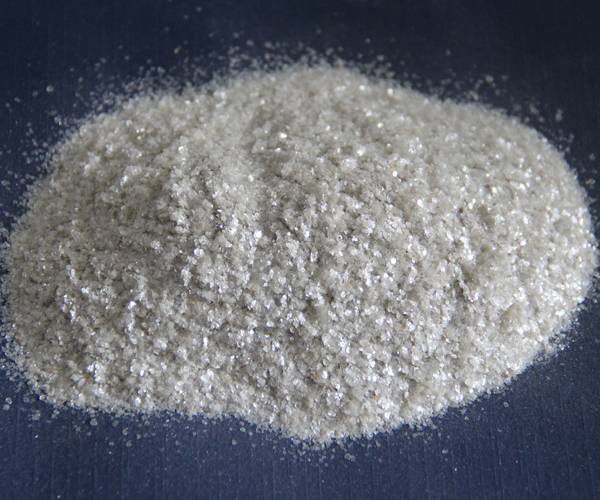
Muscovite mica is a fascinating mineral prized for its perfect basal cleavage, making it incredibly easy to separate into thin, flexible sheets. This unique property, combined with its chemical inertness and thermal stability, has led to a wide range of industrial and technological applications. This article delves into the science behind muscovite mica cleavage, explores its common uses, and discusses sourcing quality material. Understanding the characteristics of muscovite mica is crucial for anyone working with this versatile material.
The Science Behind Muscovite Mica Cleavage
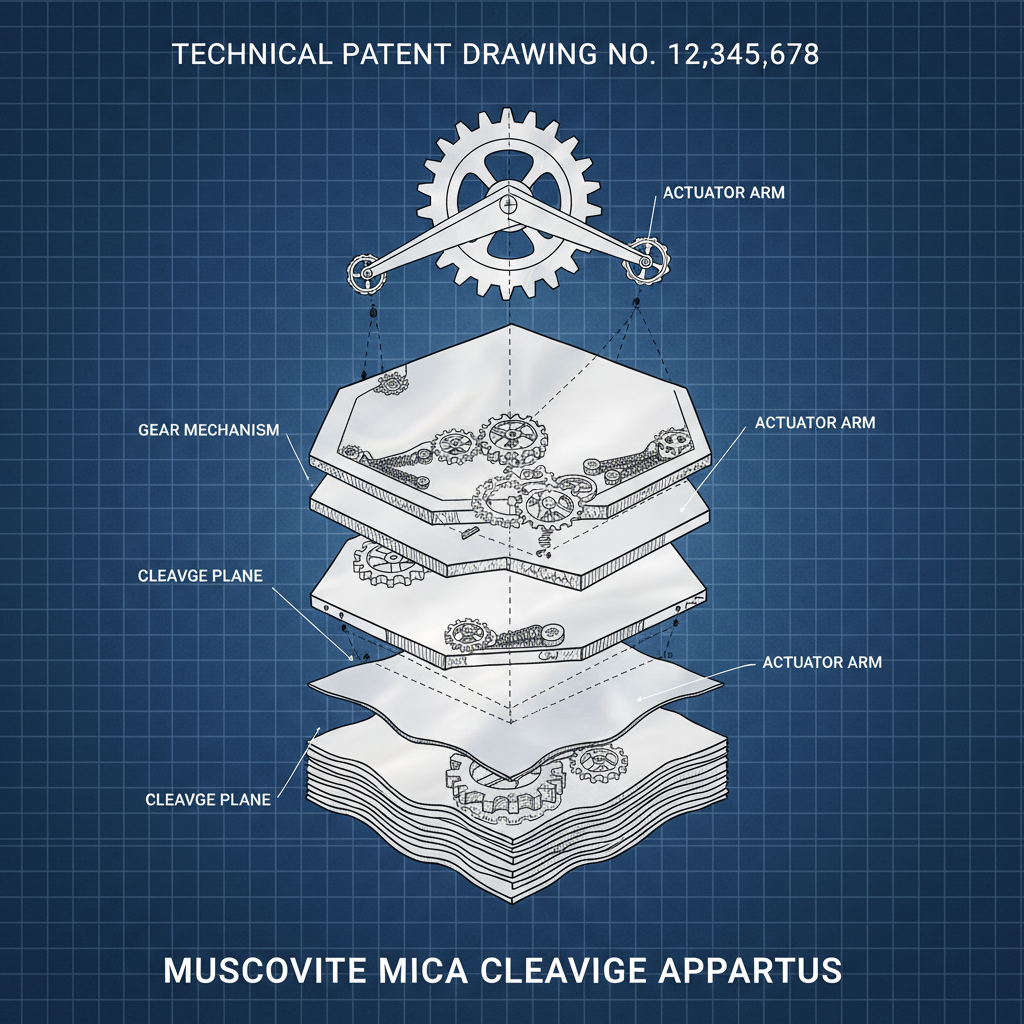
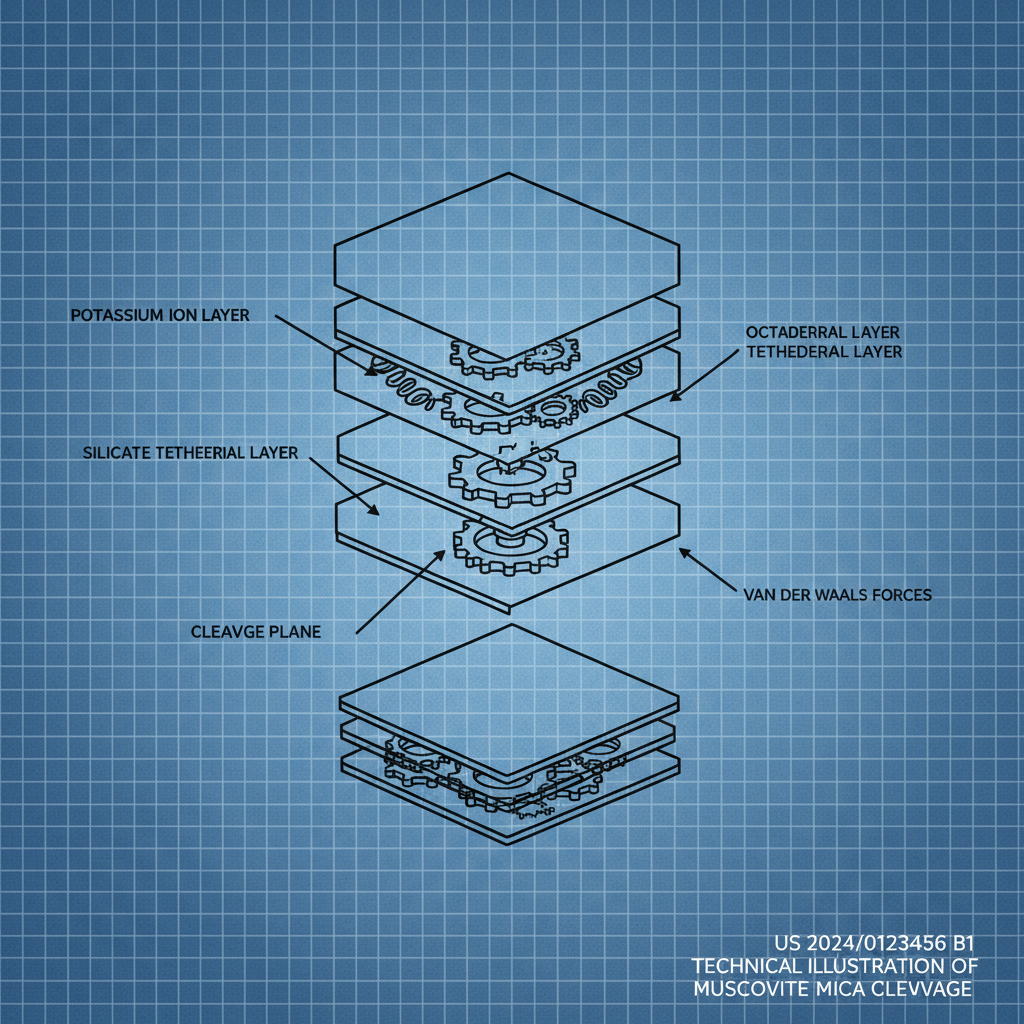
Muscovite mica belongs to the phyllosilicate group of minerals. Its structure consists of layers of silica tetrahedra, alumina octahedra, and potassium ions. These layers are weakly bonded together by van der Waals forces and potassium-oxygen bonds. Because these bonds are significantly weaker than the bonds within the layers, stress easily breaks the mineral along the planes between the layers – resulting in its characteristic perfect basal cleavage. This cleavage is so perfect that muscovite can be split into extremely thin, transparent sheets with ease. The crystal structure directly dictates this behavior, making it a fundamental property of the mineral.
Key Takeaway: The weak bonding between layers in muscovite’s crystal structure is the core reason for its perfect basal cleavage.
Applications Leveraging Muscovite Mica Cleavage
The exceptional cleavage of muscovite mica is exploited in numerous applications. Historically, it was used as a window material in various optical devices. Today, it’s vital in the electronics industry as an insulator in capacitors, high-voltage systems, and even certain types of semiconductors. Its thin, flexible sheets are also used in cosmetics (as a shimmering agent), paints, and as a release agent in molding processes. The ability to create ultra-thin films makes muscovite invaluable in advanced technologies.
Common Applications:
• Electrical Insulation: Capacitors, high-voltage equipment
• Cosmetics: Shimmering pigments
• Paints: Adding luster and durability
• Molding: Release agents
Muscovite Mica Cleavage vs. Other Mica Types
While other mica minerals like biotite and phlogopite also exhibit cleavage, muscovite's is superior in terms of perfectness and the clarity of the resulting sheets. Biotite, for instance, contains iron and magnesium, giving it a darker color and less transparent sheets. Phlogopite is also less common and generally doesn't cleave as readily as muscovite. This makes muscovite the preferred choice when high clarity, flexibility, and electrical insulation are paramount.
Sourcing High-Quality Muscovite Mica from Kehui Mica
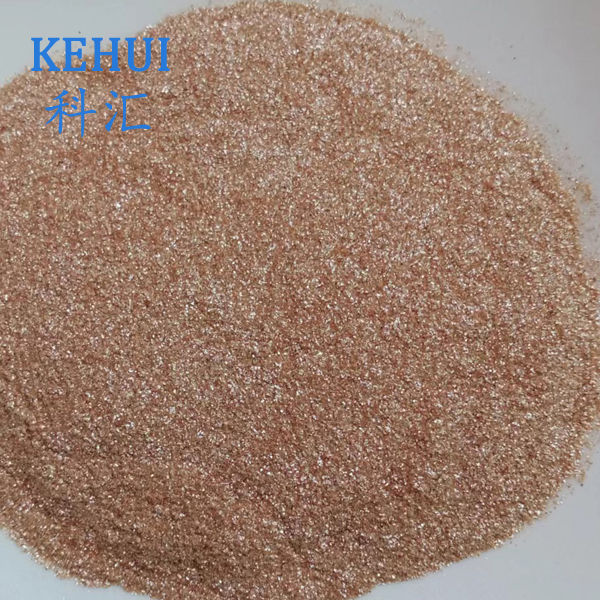
When sourcing muscovite mica, it’s essential to choose a reliable supplier that can guarantee consistent quality and purity. Kehui Mica is a leading provider of high-quality muscovite mica, offering a range of grades to meet diverse industrial needs. We prioritize rigorous quality control throughout the entire process, from mining to processing and delivery. Our commitment to sustainable practices and ethical sourcing ensures a responsible supply chain.
Factors Affecting Muscovite Mica Cleavage Quality
The quality of muscovite mica cleavage can be affected by several factors, including the crystal size, the presence of impurities, and the geological conditions in which it formed. Larger crystals generally exhibit better cleavage. Impurities can weaken the bonds between layers, resulting in less perfect cleavage. Kehui Mica carefully selects and processes its mica to minimize these factors and deliver consistently high-quality material.
Conclusion: Leveraging the Unique Properties of Muscovite Mica
Muscovite mica’s perfect basal cleavage is a defining characteristic that makes it an essential material in a wide range of industries. From electronics to cosmetics, its unique properties continue to drive innovation. Partnering with a reliable supplier like Kehui Mica ensures access to consistent, high-quality material for your specific applications.
Frequently Asked Questions (FAQs)
What makes muscovite mica different from other minerals in terms of cleavage?
Muscovite mica's unique crystal structure, consisting of weakly bonded layers of silica, alumina, and potassium, allows for perfect basal cleavage. This means it splits cleanly and easily along one plane, producing thin, flexible sheets. Other minerals may exhibit cleavage, but it’s rarely as perfect or consistent as muscovite's. This exceptional cleavage is due to the specific arrangement and bonding of atoms within its crystalline lattice, leading to significantly weaker bonds between the layers compared to the bonds within them.
How is muscovite mica processed to enhance its cleavage properties?
While muscovite mica naturally exhibits excellent cleavage, certain processing techniques can further enhance its usability. These include careful splitting of the mica sheets to maximize yield and minimize damage, washing to remove impurities, and grading based on size and quality. Kehui Mica employs advanced processing methods to ensure that its muscovite mica consistently meets the highest standards of quality and cleavage performance.
What are the potential applications of muscovite mica in emerging technologies?
Muscovite mica is showing promise in several emerging technologies. Its excellent dielectric properties make it suitable for advanced capacitor designs and flexible electronics. Its transparency and thermal stability also make it a candidate for use in high-temperature optical components and substrates for microelectronics. Researchers are exploring its use in battery technology and as a component in sensors. The continuing demand for innovative materials ensures a bright future for muscovite mica.
Prev:
Latest news
-
Global Analysis and Trends of the Calcined Mica Flakes MarketNewsApr.16,2026
-
Technical Benefits of Calcined Mica for Welding ElectrodesNewsApr.09,2026
-
Superior Calcined Mica for Electrical Insulators Applications and BenefitsNewsApr.07,2026
-
Exploring the Versatility of Calcined Mica for Decoration and Diverse ApplicationsNewsApr.04,2026
-
Exploring Calcined Mica Properties Applications and Sourcing OptionsNewsMar.31,2026
-
Exploring the Versatile Applications of Mica Flakes Powder Across IndustriesNewsMar.28,2026
-
Comprehensive Guide to 100 Mesh Mica Powder Applications and Industrial BenefitsNewsMar.26,2026
Related Products