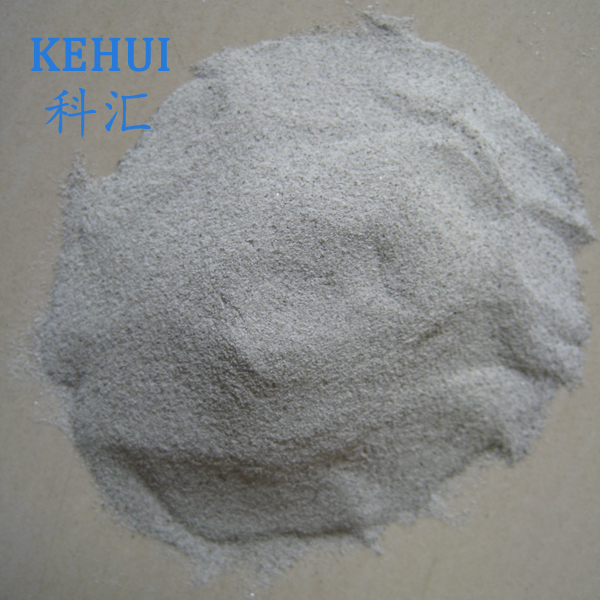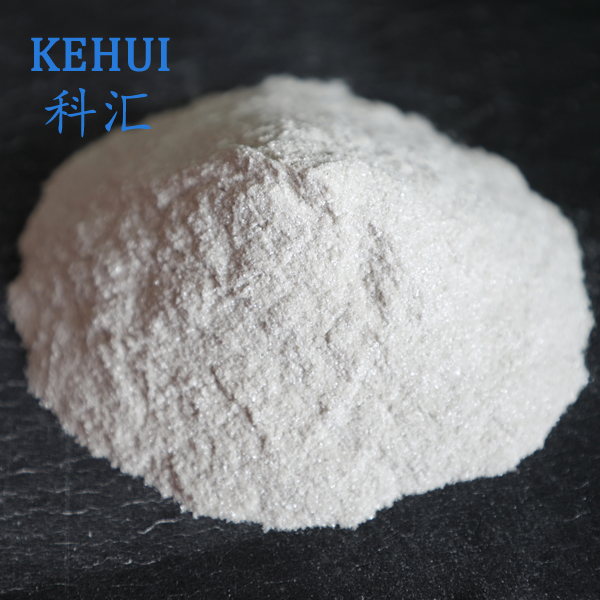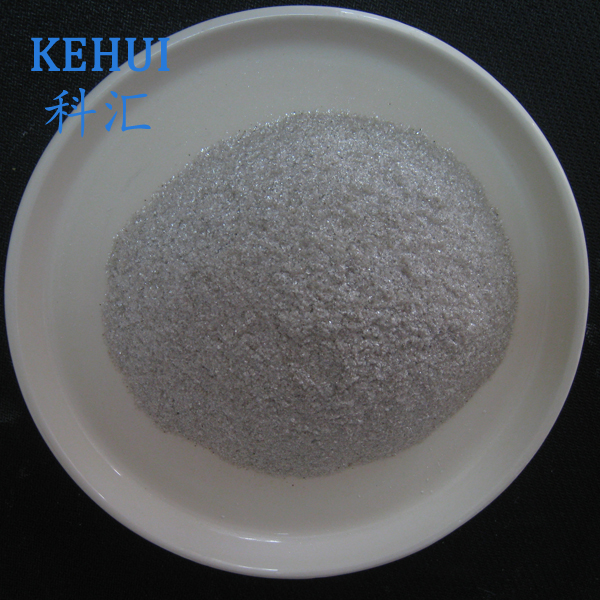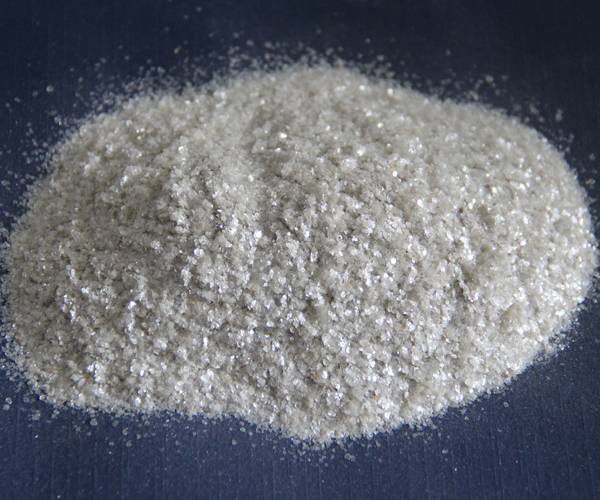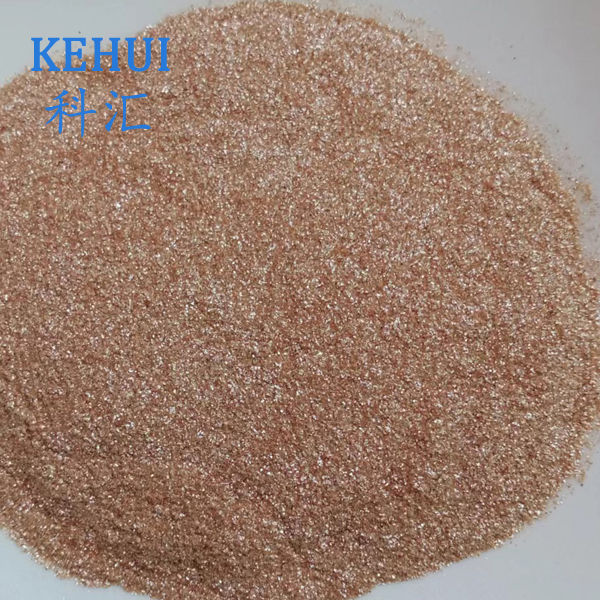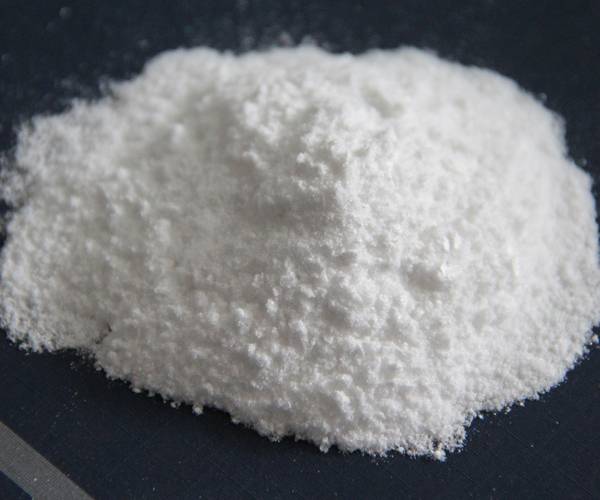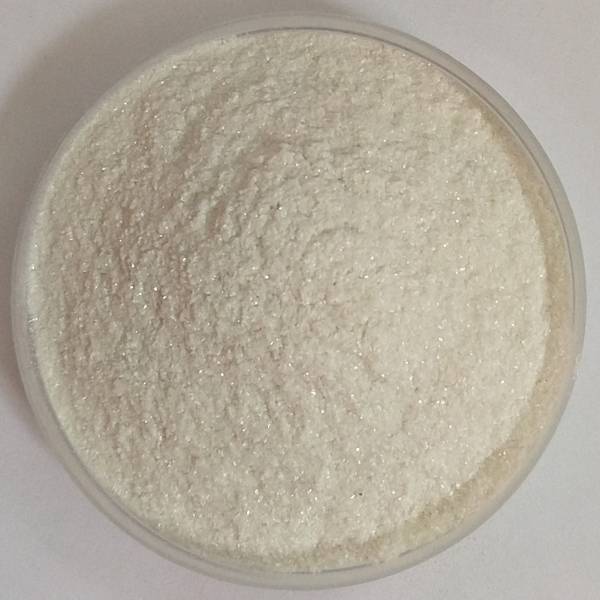
In the mineral treasure trove of nature, Mica Flake stands out with its unique structure and outstanding performance, becoming a magical material that plays a crucial role in many fields.
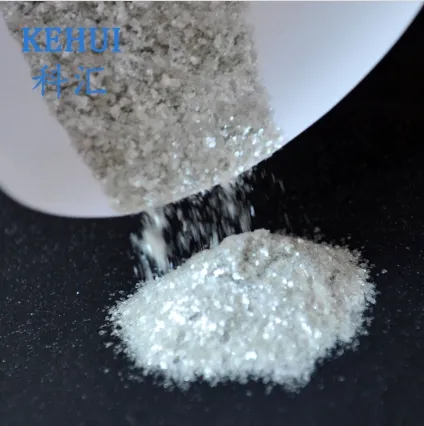
Mica Flake is processed from mica minerals, and its mineral composition mainly consists of layered aluminosilicates such as potassium, aluminum, magnesium, iron, and lithium
Flake of mica often appear as pseudo hexagonal plates, flakes, or scales. This special crystal structure gives it a set of extremely complete bottom cleavage, which can be easily peeled into extremely thin flakes with a thickness of up to millimeters or even micrometers. From a microscopic perspective, the structure of Mica Flake is composed of alternating layers of silicon oxygen tetrahedra and aluminum oxygen octahedra, connected by cations between the layers. This unique layered structure endows Mica Flake with many excellent properties.
Mica Flake possesses a series of remarkable features
Mica mineral flakes have extremely high electrical insulation performance, which can effectively prevent current from passing through even under extreme conditions such as high voltage and high temperature, making them an ideal material in the field of electrical insulation. In terms of high temperature resistance, Mica Flake performs outstandingly. Like thin sheets made of muscovite, it can withstand high temperatures of up to 1000 ℃ without significant performance changes, making it highly effective in insulation and protection of high-temperature equipment. In addition, Mica Flake also has good chemical stability, strong resistance to acidic and alkaline chemicals, and can maintain the stability of its structure and properties in complex chemical environments. At the same time, it also has a certain mechanical strength, although thin, it is not easily damaged, and plays an important role in some application scenarios that require materials that are both lightweight and strong.
With these characteristics, Mica Flake has a wide range of applications in multiple fields
In the field of electrical and electronics, it is widely used to manufacture insulation components for devices such as capacitors, transformers, and motors, ensuring the safe and stable operation of the equipment. In the aerospace industry, mica flake are used in key areas such as engine insulation and electronic equipment insulation for aircraft due to their excellent high temperature resistance and insulation performance, providing strong support for the development of the aerospace industry. In the construction industry, Mica Flake is often added to fire-resistant and thermal insulation materials to enhance their fire resistance and insulation effects, ensuring the fire safety of buildings. In addition, in the field of cosmetics, Mica Flake can be used as a raw material for pearl pigments after special processing, adding a shiny and charming luster to cosmetics.
flakes of mica, This magical thin sheet, originating from nature, has become an indispensable material in modern industry and daily life due to its unique structure, excellent performance, and wide range of applications. With the continuous advancement of technology, people's research and application of Mica Flake are also deepening. In the future, it is expected to play a greater role in more fields and contribute more to the development of human society.
Mica Flake FAQs
What is Mica Flake? What are its main components?
Mica Flake is a natural mineral flake mainly composed of silicate minerals, containing elements such as aluminum, potassium, magnesium, and iron. It has a layered structure that can be peeled off into extremely thin elastic sheets. Due to its unique luster and high temperature resistance, it is widely used in industrial and decorative fields.
What are the typical applications of Mica Flake in industry?
Mica Flake is often used as an insulation material for electronic devices such as capacitors and transformers due to its insulation and heat resistance. It is also used in high-temperature furnace windows, insulation layers, and even as a pearl additive in cosmetics, demonstrating its multifunctional industrial value.
How is the color and luster of Mica Flake formed?
The color of Mica Flake depends on its metal content, for example, iron may appear golden or green, while manganese may appear pink. Its pearl like luster is due to the reflection and interference of light by the layered structure, which makes it highly favored in decorative materials.
What are the impacts of mining Mica Flake on the environment?
The mining of mica ore may lead to vegetation damage, soil erosion, and dust pollution. Illegal mining in some areas also involves labor issues, so environmental certification and sustainable mining methods are gradually becoming the focus of industry attention.
How to distinguish between natural Mica Flake and synthetic Mica Flake?
Natural Mica Flake typically contains fine impurities and uneven color, while synthetic mica has higher purity and uniform color. By observing the layer structure or detecting the elemental composition through a microscope, the two can be accurately distinguished. Synthetic mica is often more stable in terms of temperature resistance.
Latest news
-
Global Analysis and Trends of the Calcined Mica Flakes MarketNewsApr.16,2026
-
Technical Benefits of Calcined Mica for Welding ElectrodesNewsApr.09,2026
-
Superior Calcined Mica for Electrical Insulators Applications and BenefitsNewsApr.07,2026
-
Exploring the Versatility of Calcined Mica for Decoration and Diverse ApplicationsNewsApr.04,2026
-
Exploring Calcined Mica Properties Applications and Sourcing OptionsNewsMar.31,2026
-
Exploring the Versatile Applications of Mica Flakes Powder Across IndustriesNewsMar.28,2026
-
Comprehensive Guide to 100 Mesh Mica Powder Applications and Industrial BenefitsNewsMar.26,2026
Related Products